
Five Classics Young Drinkers Call Grandpa Cocktails

You’ve probably heard the term “not your grandfather’s drink” before, maybe in the context of whiskey. It can apply to cocktails, too. For as long as I can remember, an Old Fashioned was definitely a grandpa cocktail, as were Manhattans and Martinis. Entire spirit categories were considered things only older folk drank, like brandy and sherry, and for many people, whiskey belonged to that category.
Personally, I’ve always struggled with the concept. What would be considered a grandpa cocktail now? Does it depend on what generation you belong to? Or is it a cocktail that is considered outdated and old-fashioned? No pun intended.
In search of answers, I decided to informally poll people in their twenties and thirties who were either Millennials or Gen Z. The results were hilarious — and a little painful, if I'm honest (they seem to think many of the cocktails that I still love are very grandpa-ish). Here’s what topped the polls, along with a jumping-off recipe for each. The following recipes make one serving each and are intended as starting points for experimentation. Feel free to tweak the specs, swap in your favorite base spirit, or put your own spin on them. After all, many of these classics have survived for generations precisely because they're so adaptable.
White Russian
The White Russian topped the list for many of the younger people I spoke with. While there are some creative riffs on the drink, the classic seems to be a love-it-or-hate-it cocktail. Yet, if twenty-somethings are still talking about it, even with a hint of irony, the White Russian clearly has staying power.
What’s funny to me, though, is that the Espresso Martini is such a popular cocktail; I would consider it a cousin. It seems like any cocktail with coffee liqueur can't go wrong today, so should this grandpa cocktail really be left to gather dust on the shelf? Grab your cardigan and a few hard candies to put in your pocket, and mix up this cocktail to decide for yourself.
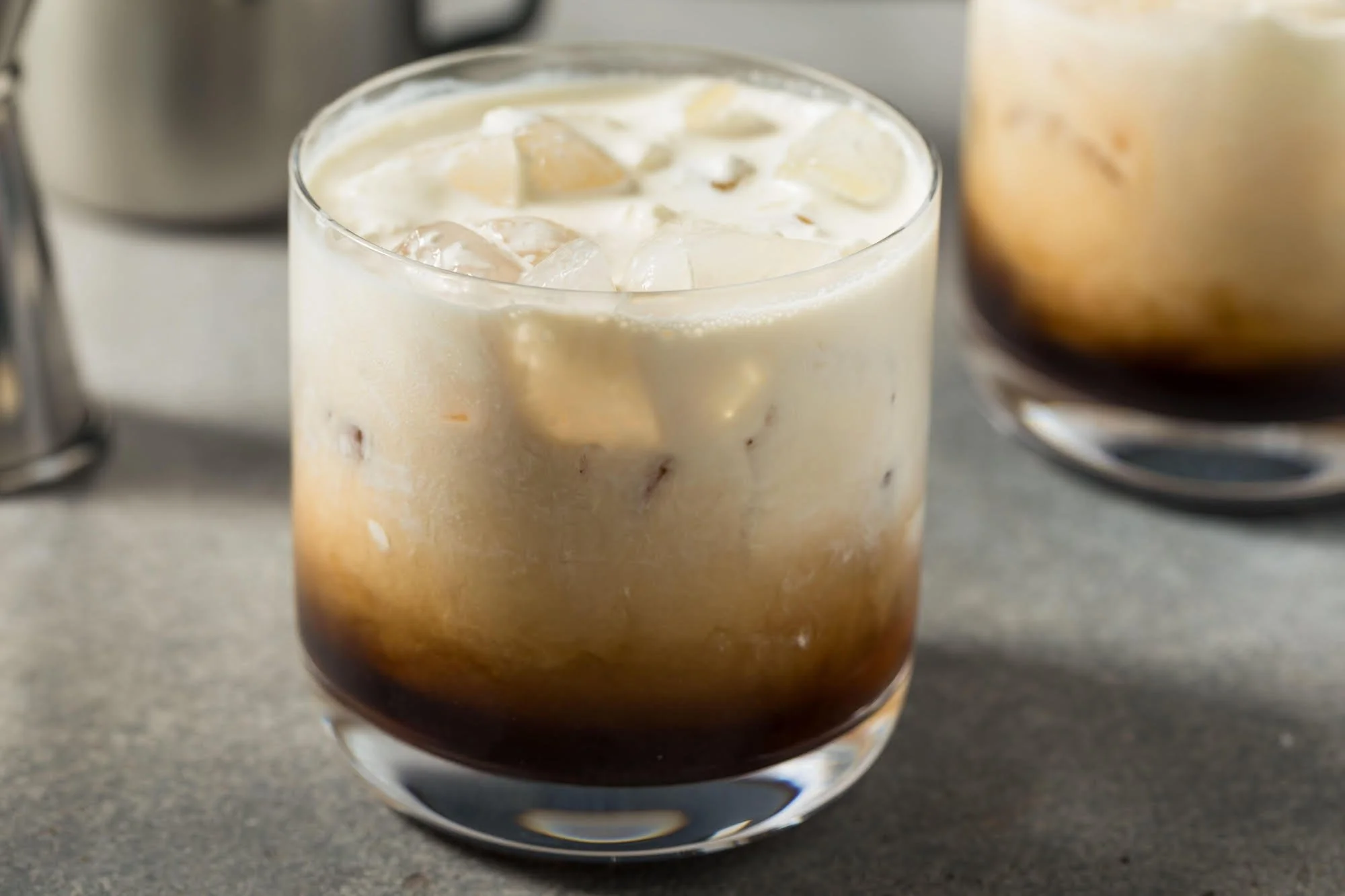
White Russian
2 oz. vodka
1 oz. coffee liqueur
1 oz. heavy cream or plant-based alternative
Add the vodka and coffee liqueur to a rocks glass filled with cubed ice, stir, and top with cream.
Grasshopper
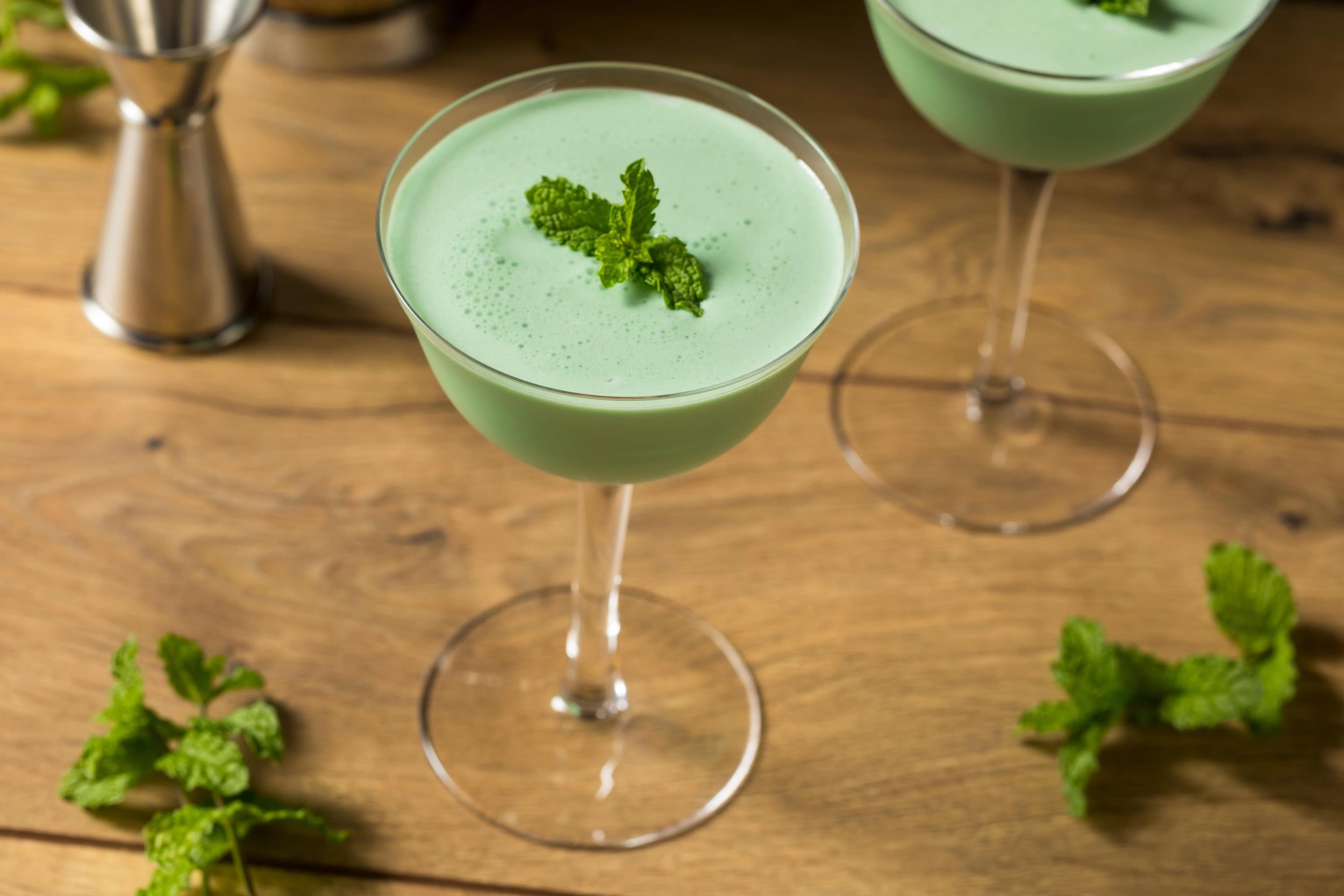
Grasshopper
This cocktail goes way back to the days of Johnny Carson-era and Mad Men-style liquid lunches. Actually, the origins go back much further than that. Cocktail historians point to 1918 as the date of its invention. The Grasshopper saw a surge in popularity in the 1950s and again in the 1970s and 80s. In modern times, there seems to be a push to bring this cocktail back into the fold. There are inventive riffs to be found almost everywhere. So why would young people see this cocktail as a grandpa cocktail? Does it need more time to make its full comeback — or are the grandpas keeping the Grasshopper alive?
I’ve never been a fan of this cocktail’s flavor profile, but I do love many of the riffs that I have tasted in recent years. Many creators add bitter liqueurs, which create lovely complexity; some add brandy, and others bring the chocolate flavors forward. Perhaps it's the cream that the younger folks find so grandpa-ish. Test out the original recipe and see what you think. It’s a great cocktail to play with.
1 oz. crème de menthe
1 oz. crème de cacao
2 oz. heavy cream or plant-based alternative
Fresh-grated chocolate or chocolate powder, for garnish
Add all ingredients to a cocktail shaker with cubed ice and shake well. Strain into a stemmed glass and top with fresh-grated chocolate or a dusting of chocolate powder.
Tom Collins
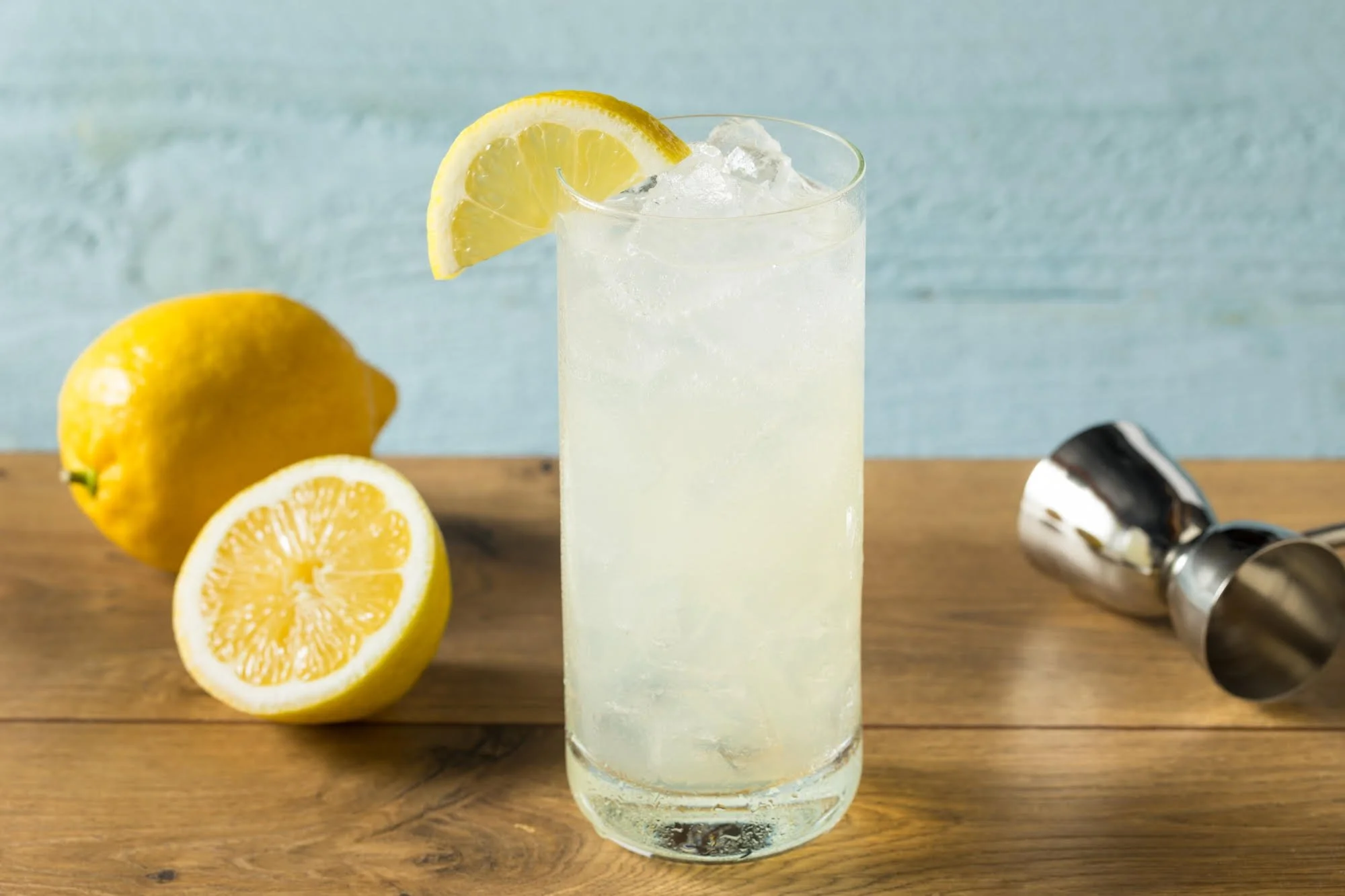
Tom Collins
The Tom Collins is a real mystery to me when it comes to its so-called grandpa status. In an era where ready-to-drink cocktails and hard seltzers like White Claw dominate — drinks that, to me, are often lacking in flavor — I struggle to understand why a crisp, refreshing Tom Collins doesn’t appeal to younger drinkers. Is it the old-fashioned name, the classic glassware, or perhaps the simplicity of the ingredients that makes it seem outdated?
When I pressed the young people I polled, most couldn’t pinpoint a specific reason. Instead, they described the Tom Collins as having a certain “old soul” energy — timeless, yes, but somehow not trendy enough to earn a spot on their go-to list.
Maybe it’s just waiting for its comeback moment, like so many other classics before it. Well, riff away, I say. It’s not difficult to jazz up this cocktail for your more “trendy” guests.
2 oz. London dry gin
1 oz. freshly squeezed lemon juice
1/2 oz. simple syrup
Ice cubes, for serving
Club soda, to top
Lemon wheel and/or maraschino cherry, for garnish
Add gin, lemon juice, and syrup to a tall glass and stir. Top with cubed ice and club soda. Garnish with a lemon wheel and/or maraschino cherry.
Rusty Nail
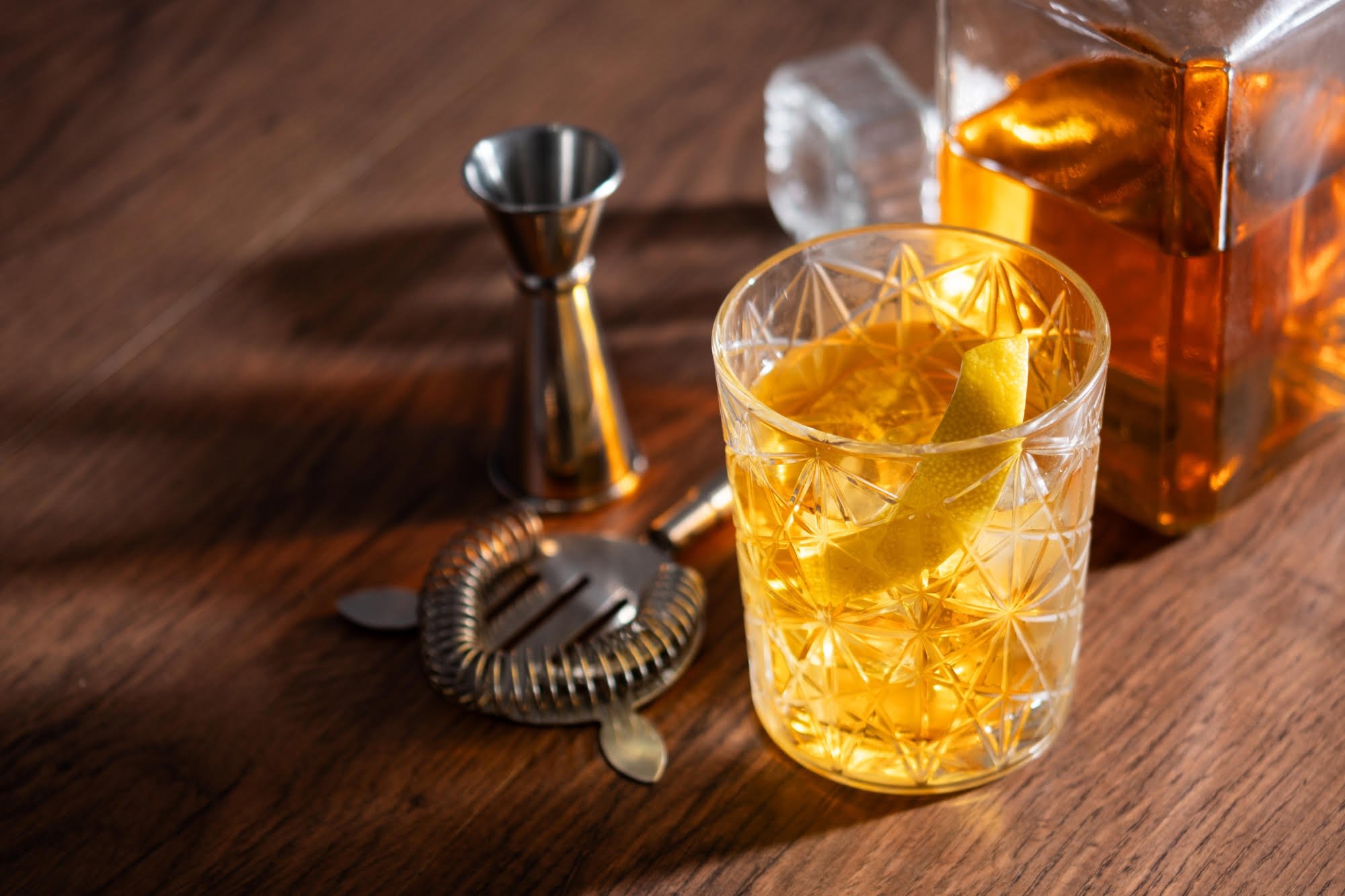
Rusty Nail
This cocktail made a lot more sense when it came up in my polling. I was surprised to find that many of the young people had actually tasted a Rusty Nail. It wasn’t something they ordered themselves; they tried this cocktail with — you guessed it — their grandparents.
The Rusty Nail features Drambuie, a sweet, viscous Scotch whisky-based liqueur with citrus, herbal, and spicy notes and a pronounced licorice flavor. Drambuie itself tends to be a love-it-or-hate-it beverage. I believe that Drambuie is a necessary addition to any well-stocked bar cart, and that a little drop of Drambuie adds drama and intrigue. Having said that, this is a polarizing cocktail. If you don’t like Scotch whisky or Drambuie, then as Donnie Brasco said, “forget about it.”
If you haven’t had a Rusty Nail in a while, give it a try again. This is the only cocktail on the list that I agree with: it’s full of grandpa vibes.
2 oz. Scotch whisky
1 oz. Drambuie
1–2 dashes aromatic bitters
Lemon twist, for garnish
Add all ingredients to a mixing glass with cubed ice and stir well until chilled. Strain into a short glass and garnish with a lemon twist.
Old Fashioned
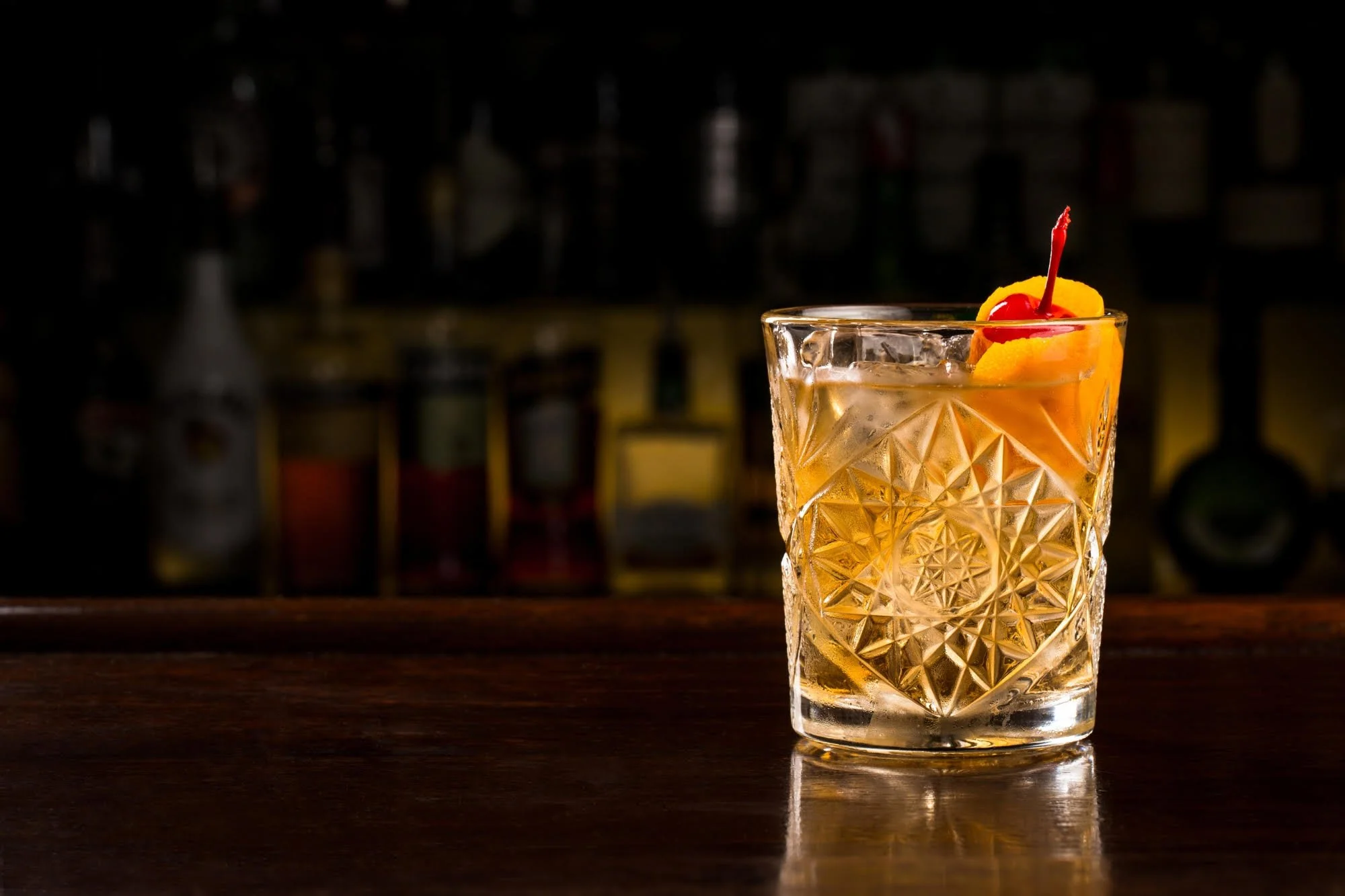
Old Fashioned
Naturally, the Old Fashioned had to earn its place on this list. Its reputation as a classic is undeniable, but I can’t help but wonder: are we witnessing the beginning of its decline in popularity? Will the next generation of cocktail enthusiasts embrace the Old Fashioned, or will it become a relic reserved for those with nostalgic tastes? When I asked younger drinkers what landed the Old Fashioned on the “grandpa cocktail” list, the most common response was that it’s simply “boring.”
I get it — if you haven’t cultivated a palate for whiskey, the straightforward, spirit-forward profile can seem unexciting compared to today’s playful, flavor-packed concoctions. Yet, the beauty of the Old Fashioned lies in its simplicity and the quality of its ingredients. Subtle riffs — like swapping in different bitters, experimenting with infused syrups, or choosing a unique whiskey — can add nuance without sacrificing its essence. However, it’s easy to lose the soul of the drink with over-the-top modifications. Still, there’s something timeless about a well-made Old Fashioned. If you haven’t experienced one, do yourself a favor and try it — there’s a reason this cocktail has endured for generations. Here is a simple riff on the classic Old Fashioned, a staple in my home.
2 oz. bourbon
1 oz. cherry maple syrup
1 dash aromatic bitters
1 dash orange bitters
1 dash lemon bitters
Large ice cube, for serving
Orange peel, for garnish
Add all ingredients to a mixing glass with cubed ice and stir well until chilled. Strain over a large ice cube in an Old Fashioned glass, and garnish with an orange peel.
So, What Defines a Grandpa Cocktail?
Interestingly, I also reached out to several members of Gen X, and most agreed that these cocktails belong in the grandpa category — even while admitting they still have a special fondness for them. There’s a sense of comfort and nostalgia attached to these drinks; they evoke memories of family gatherings, celebrations, and a different era of cocktail culture. At the same time, some see them as relics of the past, hanging on as trends shift and palates evolve.
So what truly defines a grandpa cocktail? Is it simply a drink associated with older generations, or does it represent a timeless classic that continues to bring people together, regardless of age? Perhaps the answer lies somewhere in between. These cocktails are both enduring symbols of tradition and ever-present reminders of how tastes change over time.