
A Dash of Chartreuse in Your Martini
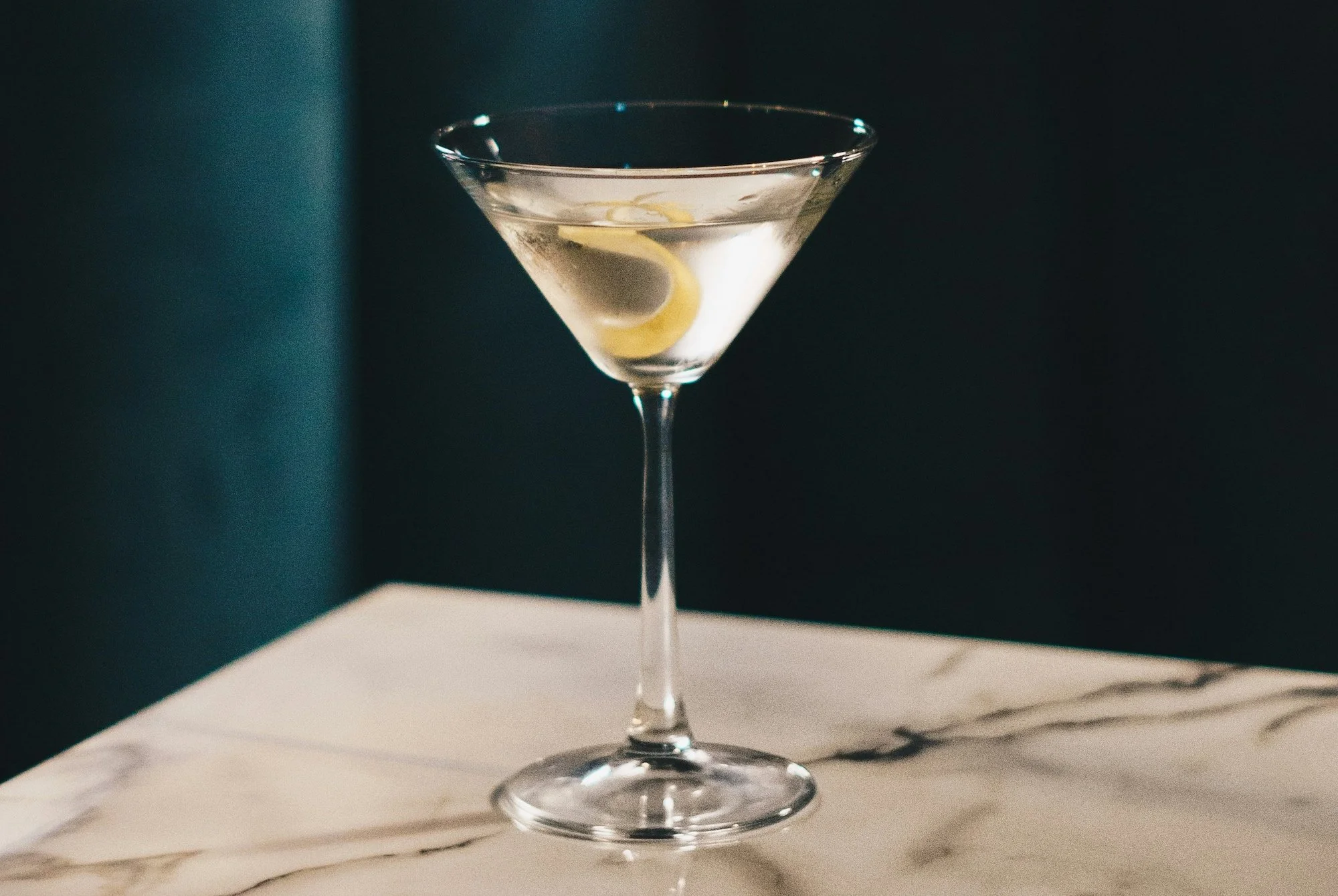
The Chartreuse-modified Martini is making a comeback. Photo credit Ambitious Studio/Rick Barrett
Some old cocktails are continual classics: the Manhattan, Old Fashioned, and Daiquiri, to name a few. Others are vintage: they are old cocktails that weren’t necessarily popular in their day, or at least haven’t remained popular since they were invented. A few examples would be the Corpse Reviver No. 2, the Last Word, and the Alaska. They’re known to many of today’s bartenders, but for the last 70-plus years they weren’t found on many menus at all.
About the Alaska: It’s essentially a gin Martini with Yellow Chartreuse liqueur used instead of vermouth. Its original form contained (sweet) Old Tom gin and Yellow Chartreuse with orange bitters, according to Eric Felten, writing in the Oxford Companion to Spirits and Cocktails. It dried out by the time it was printed in the Savoy Cocktail Book in 1930, in which the recipe called for London dry gin and less of the liqueur.
Fast forward nearly 100 years to the post-pandemic era, and the vintage Chartreuse-modified Martini is enjoying another renaissance. This time, it is drier than ever.
Setting Chartreuse Loose
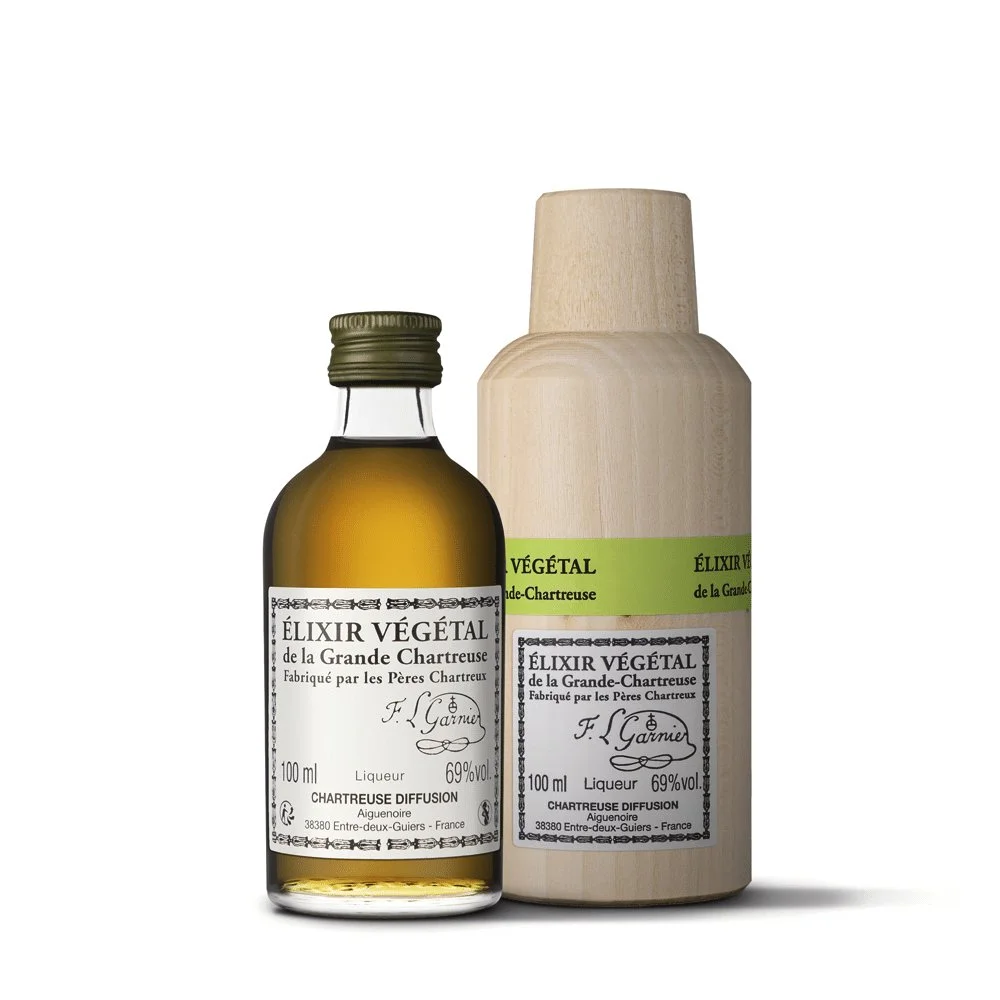
Elixir Végétal de la Grande Chartreuse. Photo credit Pascal Flamant
Yellow Chartreuse is a sweeter and lower-ABV version of the liqueur than the more popular Green Chartreuse. Both of these variants were developed as “table elixirs” in the early 1800s, based on the original, medicinal Elixir Végétal de la Grande Chartreuse.
Like the others, Elixir Végétal is super spicy and herbaceous, reminiscent of sharp ginger and menthol combined. (There are reportedly 130 plants used to make all the varieties of Chartreuse, so this is a vast oversimplification.)
Elixir Végétal was originally recommended as “a remedy in most surprises, ailments, or accidents which could not wait for a doctor to come,” as I wrote in my book Doctors and Distillers. Cognac was often used similarly as a temporary booster until the person who had fallen ill could get to the hospital or while waiting for a medical practitioner. The Chartreuse table elixirs were a more drinkable version of the Elixir Végétal.
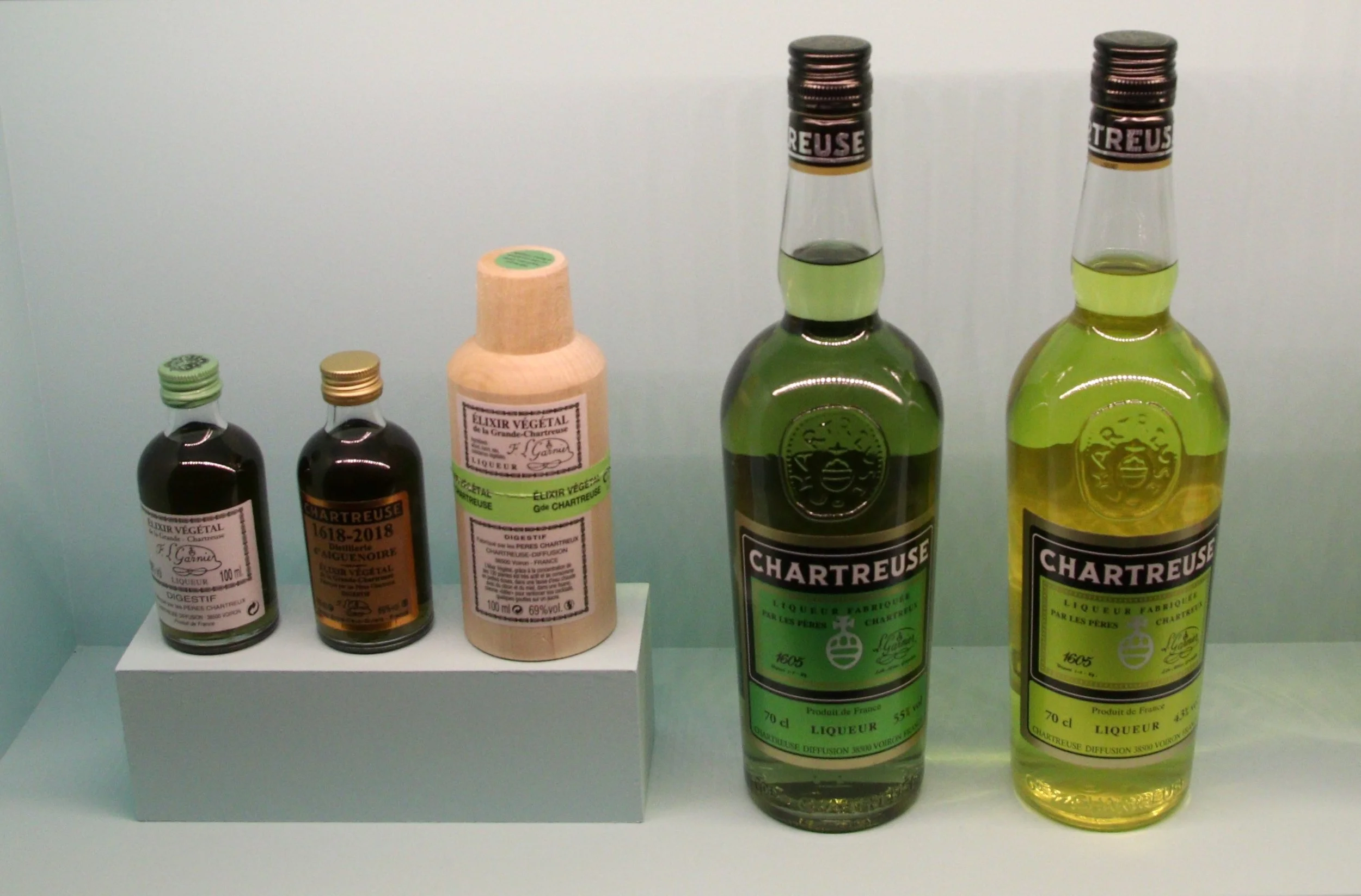
Bottles of Chartreuse Elixir Végétal, Green Chartreuse, and Yellow Chartreuse. Photo credit Patafisik, CC-BY-SA 4.0, via Wikimedia Commons
In France, Elixir Végétal is still sold in some pharmacies, while the Yellow and Green liqueurs are sold in liquor stores. The Elixir was not sold in America at all until just a few years ago. It entered the market after the monks who make Chartreuse announced that they were capping their production, rather than increasing it to keep pace with its increased popularity.
Elixir Végétal is drier and even higher in ABV than the table elixirs. Yellow is bottled at 43% ABV, Green at 55%, and Elixir Végétal at 69%. It comes in a small bottle resembling an oversized dropper bottle, and this is packaged inside a small wooden tube.
Just a Few Dashes will Do It
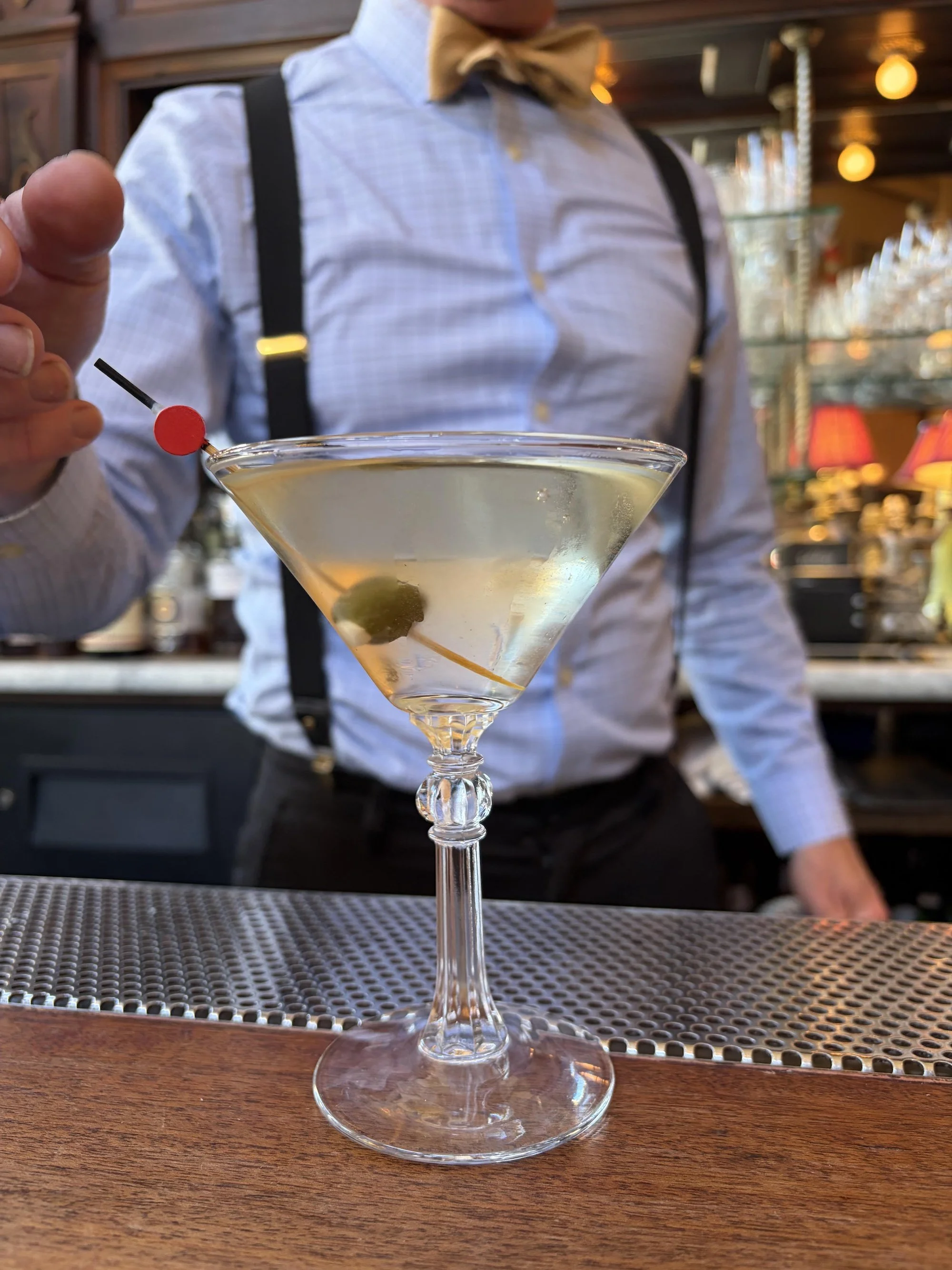
Jonny’s Martini, one of the signatures at Comstock Saloon. Photo credit Annie Jesseman
On the bar, Elixir Végétal looks like a bottle of bitters, and that is exactly how many bartenders are using it in their Martinis: a few dashes to give a big, herbaceous kick to the classic gin Martini.
In San Francisco, where Green Chartreuse has long been a popular ingredient, there are several bars currently serving Martinis with Elixir Végétal. At Comstock Saloon in the North Beach neighborhood, Jonny’s Martini (created by bar owner Jonny Raglin) is made with Ford’s Gin, Manzanilla sherry, and Elixir Végétal with sea salt. It is garnished with a manchego cheese-filled olive. Raglin said that between the dry sherry and Chartreuse Elixir, it’s pretty much the driest version of the gin Martini that still contains modifiers.
At Bar Maritime, a second-floor hotel bar, former chef Larry Piaskowy’s house freezer Martini is called The Icebox Gin Martini, which is also quite dry. It contains Ford’s Gin, Bordiga Extra Dry Vermouth, Elixir Végétal, and orange bitters. It is garnished with a thyme sprig rather than an olive or twist.
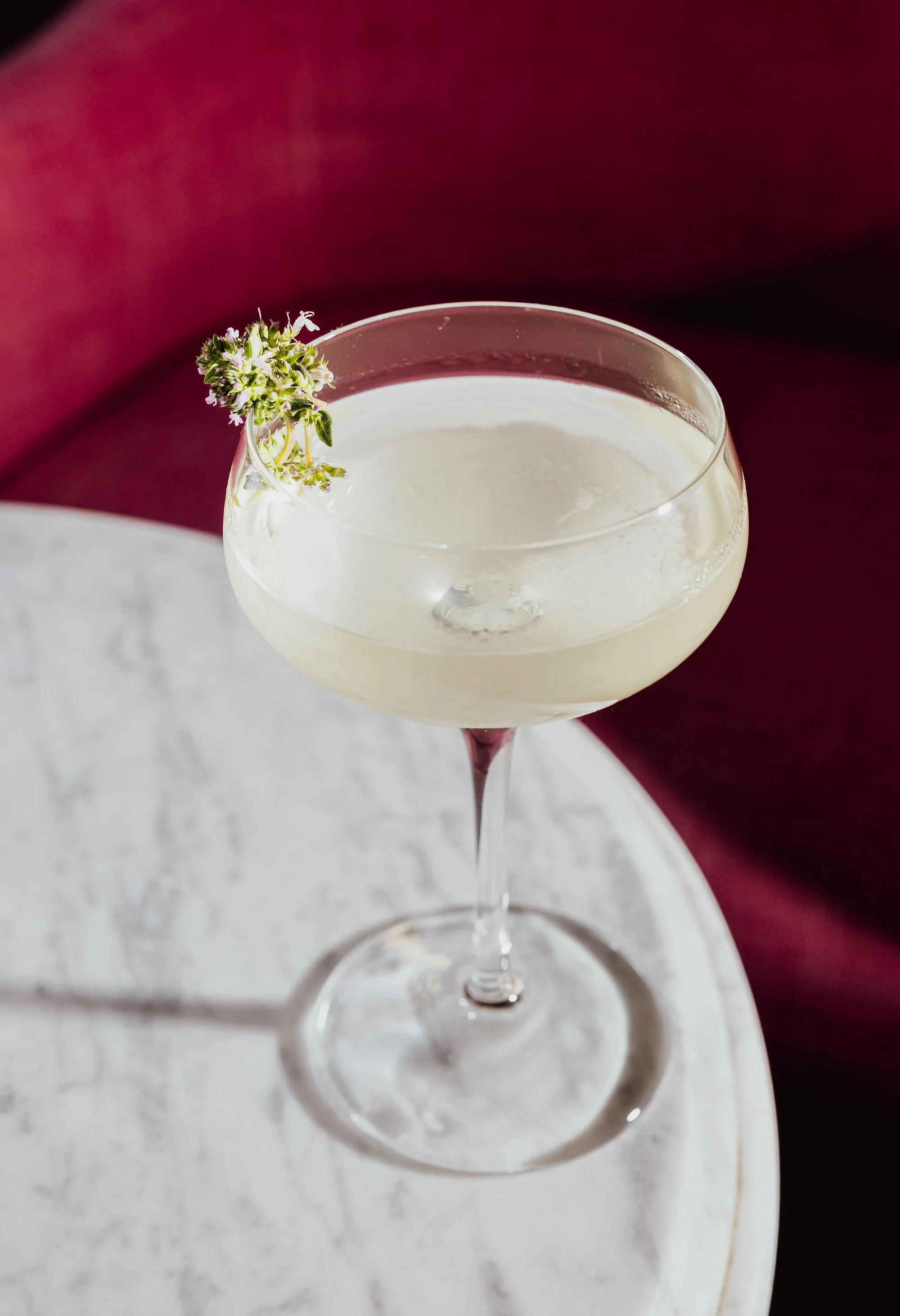
The Icebox Martini at Bar Maritime. Photo credit Robert Gomez
The trend is by no means exclusive to San Francisco. At Shiny Prize in Olympia, Wash., Timothy Zohn says his next menu will include a drink with St. George Spirits Valley Gin (which is flavored with orange blossoms), Yzaguirre Dry Vermouth, and Elixir Végétal.
At Crudo Nudo in Norfolk, Va., Josh Seaburg has long had a vodka Martini called the Ketalonnay on the menu, made with vodka, Dolin Blanc vermouth, Elixir Végétal, and a little salt. He has made this drink with either Green Chartreuse or the concentrated Elixir for different occasions.
Back in San Francisco, Stoa owner Yanni Kehagiaras also tried switching the Green Chartreuse to the Elixir Végétal, but found that in this case he preferred the sweeter Green in his popular drink Hedge Maze. (Get the recipe here.)
This cocktail plays up the herbaceousness of the Chartreuse liqueur rather than the dryness of Elixir. Kehagiaras pairs it with St. George Spirits’ Terroir Gin, along with Dolin Blanc vermouth. The Terroir gin uses Douglas fir, bay laurel, and sage in addition to traditional gin botanicals. The combination makes for a flavor bomb that tastes like a mountain forest.
So whether you’re using Chartreuse in place of bitters, in addition to bitters, to keep a drink dry, or to boost the botanicals, try adding a few dashes to your next Martini.