
9 Tips for Using Sake in Cocktails
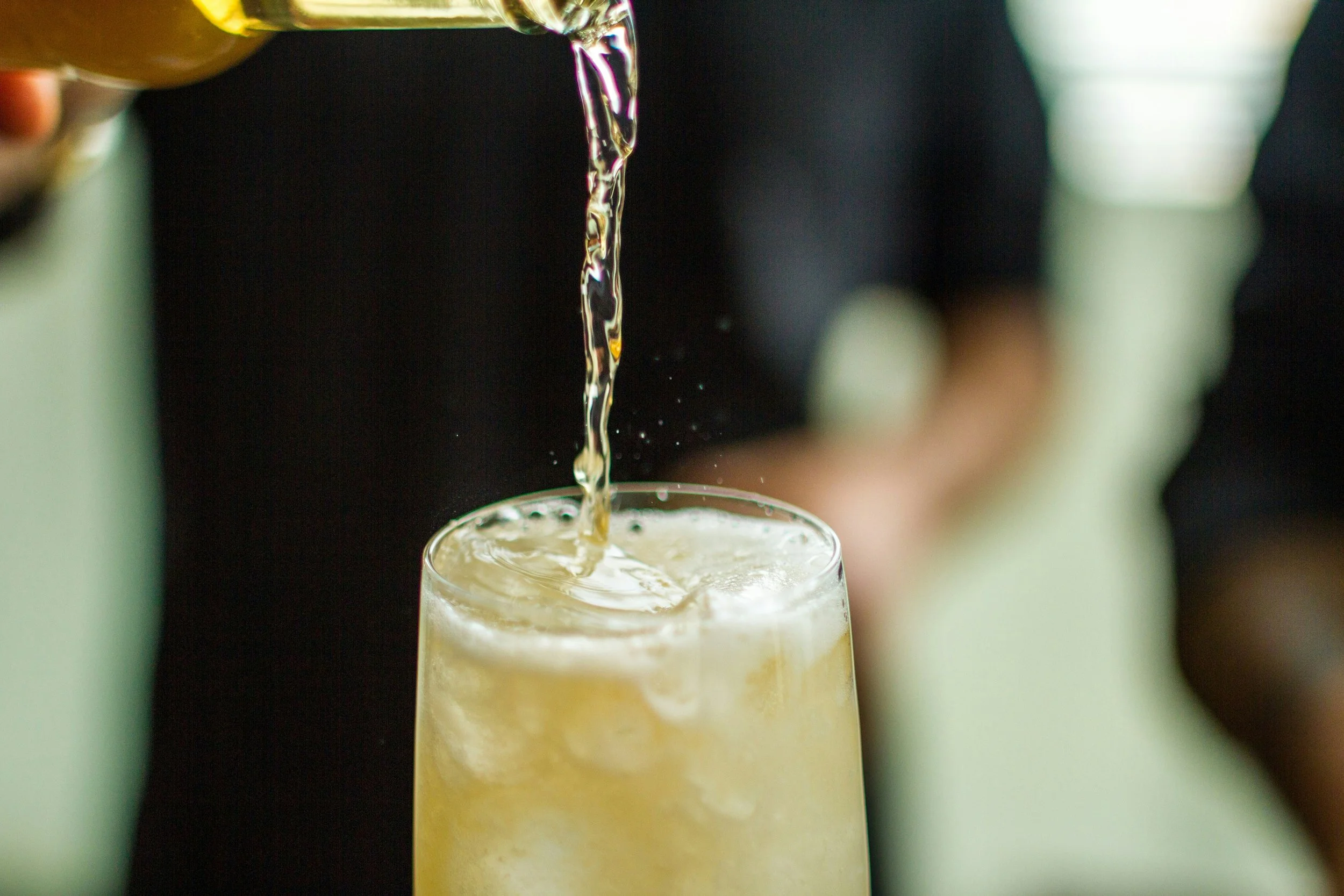
There are many ways to use sparkling sake in cocktails. Photo credit Andrea Huls Pareja
Increasingly, bartenders are reaching for sake as a cocktail ingredient. It is relatively low in alcohol and usually dry, both useful qualities for mixing. Sake comes in a wide variety of styles and flavors, which makes it versatile but can also be confusing to those unfamiliar with the category. Which style of sake goes into which cocktail?
Luckily, in the new book Everyday Sake: The Go-To Guide for Choosing, Pairing, and Serving by Yoko Kumano and Kayoko Akabori, the authors demystify sake and offer suggestions on how to use it in cocktails. They have some expertise: the two own the Oakland store Umami Mart, where they sell sake and operate a cocktail bar that serves sake both on its own and mixed into drinks.
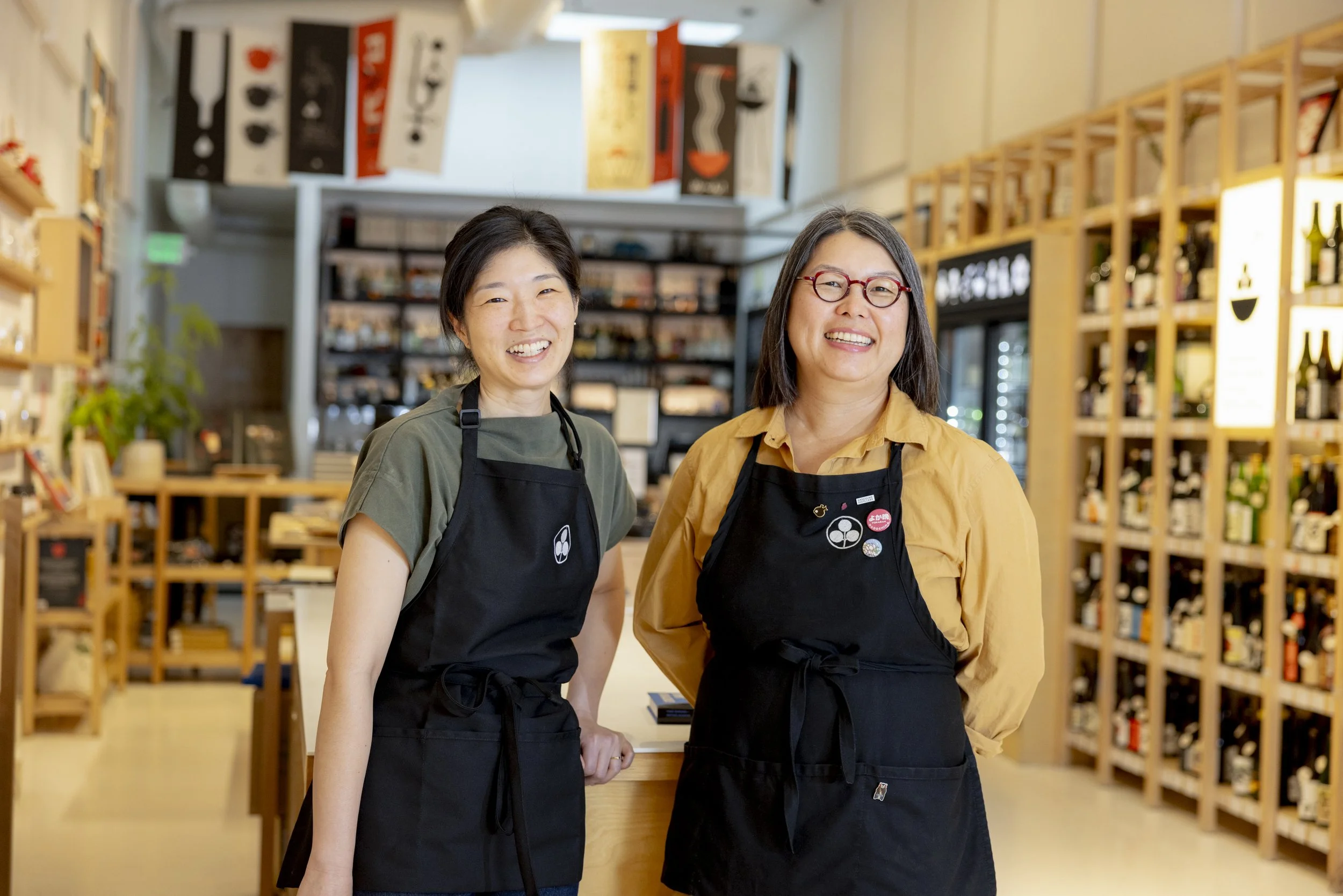
Yoko Kumano and Kayoko Akabori. Photo credit Cayce Clifford
In Everyday Sake, the authors describe how sake has both types and styles, which they say are akin to nouns and adjectives, respectively. For example, nigori is a type of sake in which the lees, or spent yeast cells, are only coarsely filtered. Honjozo is a style made with rice polished to 70% or less of its original size and with a small amount of distilled alcohol added. A sake can therefore be both nigori and honjozo.
Without getting into all the combinations of types and styles, we’ll skip ahead to those the authors recommend using for different cocktails and cocktail formats. The sections below draw from an illustrated page in the book called “Host a Sake Cocktail Party,” with some additional details and tips beneath each.
Use Fruit Sake to Add Flavor and Sweetness
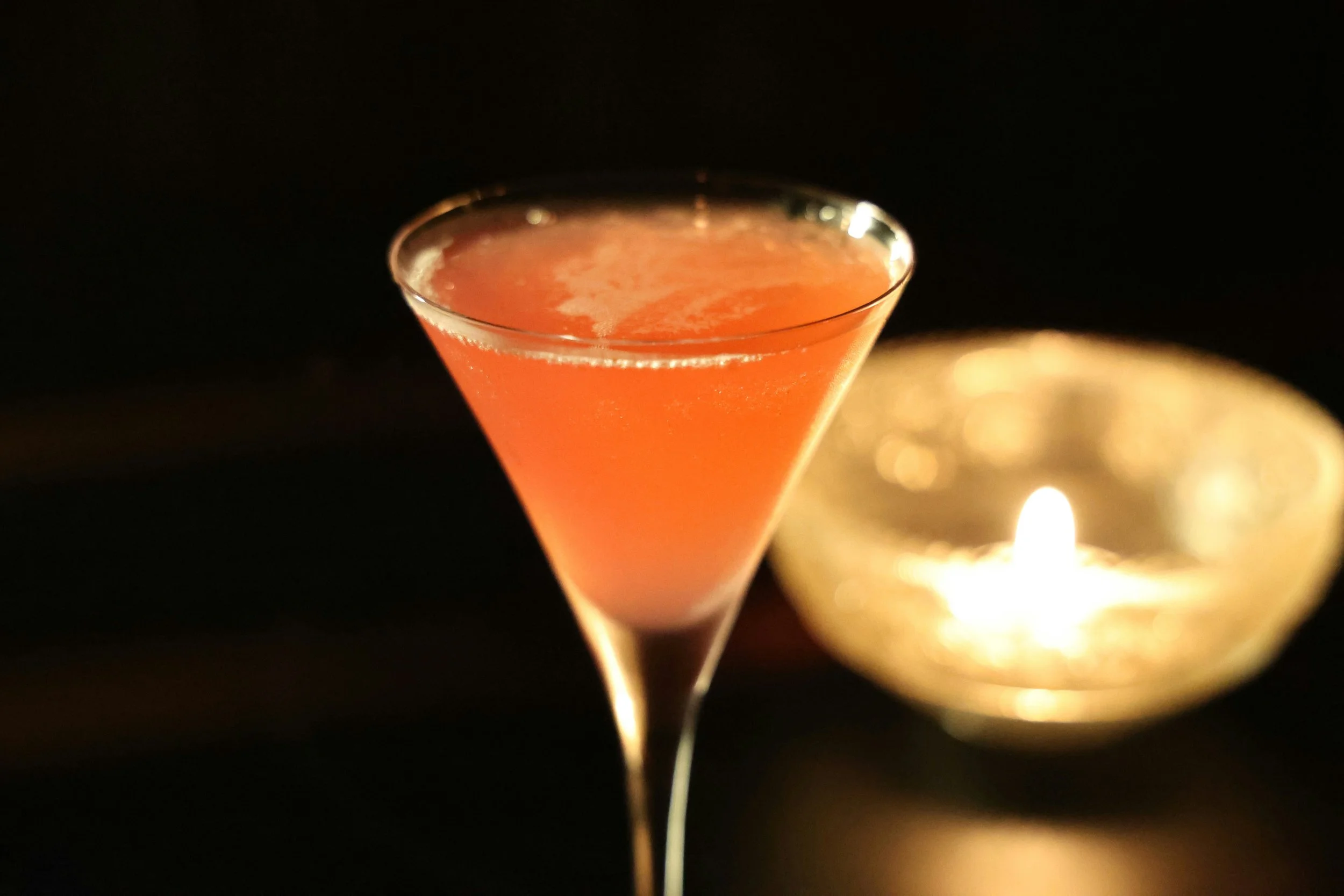
Use fruit sake to add flavor and sweetness. Photo credit Nana Fuzimi
According to the authors, flavored sakes are “not technically considered sake because they violate the ingredient requirement” that sake be made only with rice, water, yeast, koji, and optionally distilled alcohol.
These fruit-flavored not-technically-sakes, such as yuzu or strawberry, tend to be low ABV (under 10%) and are sometimes sweet. Try using them like a liqueur to put a flavorful spin on a Daiquiri, in place of flavored vermouth in a Martini (strawberry vermouth is trending right now), or as the base for a low-ABV spritzer.
Swap Sake for Vermouth
Rather than substitute sake for gin or vodka as you might with soju, swap it for vermouth in three-ingredient cocktails like Martinis and Manhattans. Lighter sakes are a natural fit in place of dry vermouth, while richer or cask-aged sakes can stand in for sweet vermouth. There are also sake-based vermouths made with fortified sake infused with Japanese botanicals.
Try sake in place of vermouth in an El Presidente, where its softness pairs with smooth, creamy white or unaged rum. Or substitute sake for the dry vermouth in an Old Pal, a Negroni spin-off made with rye whiskey and dry vermouth. Why not push it a little further and see what happens?
Use Nigori for Creamier Cocktails
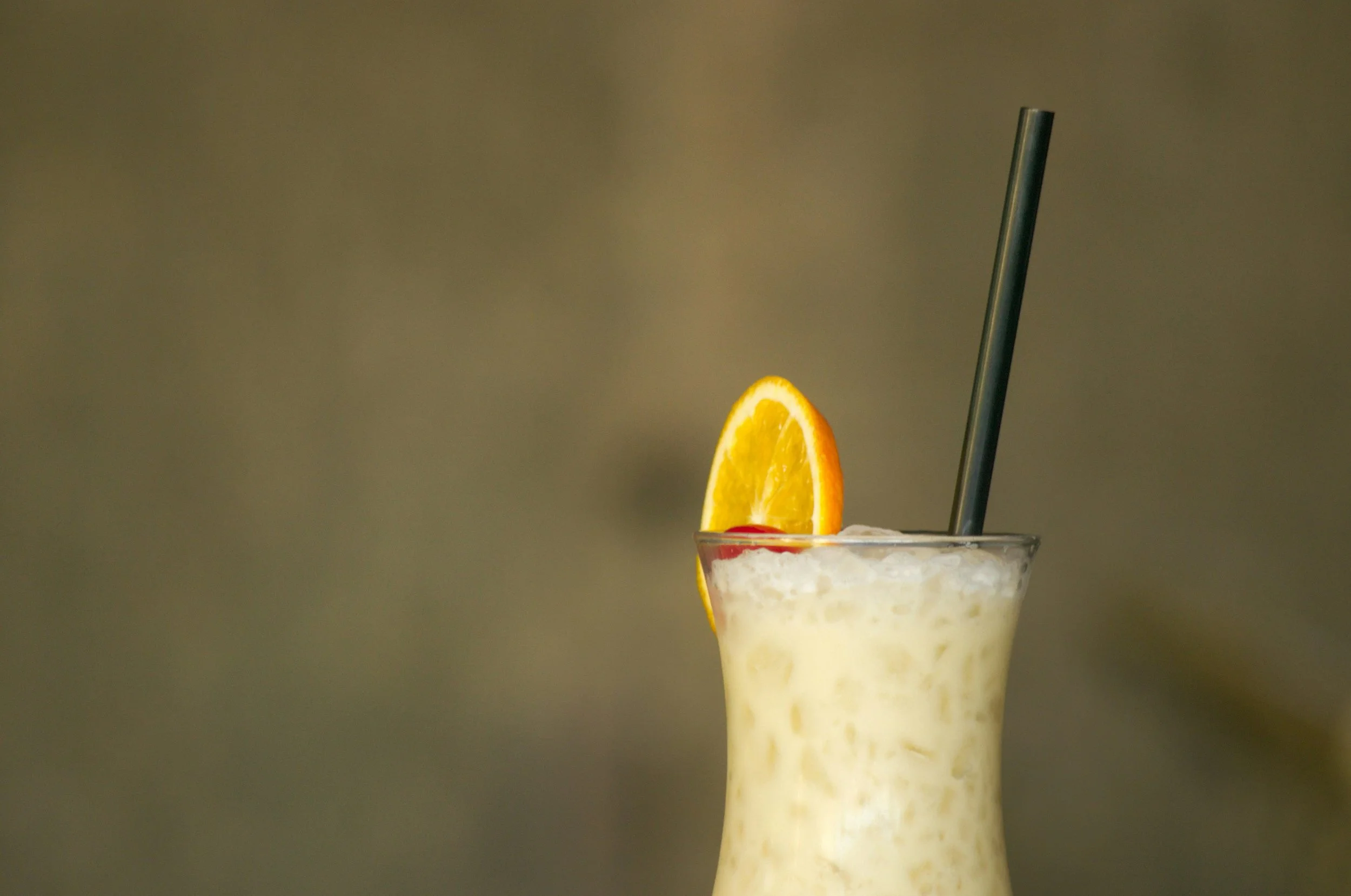
Use nigori for creamier cocktails
Nigori sakes are only coarsely filtered and include some sake lees in the bottle, making them creamy, a touch sweet, and cloudy in appearance. Nigori sake can add body to a cocktail and soften its texture.
Nigori often has tropical pineapple or coconut flavors, which makes me want to reach for it in place of, or in combination with, coconut cream in a Painkiller or Piña Colada. But most recipes I find online pair nigori sake with peach, pear, or grapefruit flavors to allow the creaminess of the sake to bring out the juiciness in these ingredients.
Use Nama for Fresh, Fruity Cocktails

Use nama in fresh or fruity cocktails. Photo credit Emily Andreeva
Nama is unpasteurized sake known for its fresh-brewed flavors of apple or melon, and sometimes its effervescence. It is often more widely available in the spring. My first thought is to pair it with vodka in a Martini, with a tiny touch of saline and a single mint leaf for garnish. My second thought is a Vodka Soda with the same combination.
Use Genshu in Place of Higher-Proof Spirits
Genshu sakes are undiluted after storage, meaning they aren’t proofed down before bottling, and have a more concentrated flavor than other sakes. Their higher ABV and bolder flavors make them a good option for replacing white spirits like rum or vodka in a Sake Mojito, Daiquiri, or Cosmo. The resulting cocktails will be lower in alcohol than the originals, but not so low as to taste watery or flavorless.
Swap Sparkling Sake for Sparkling Wine
Like sparkling wine, sparkling sake is designed to be enjoyed on its own, but a splash can also do wonders for many cocktails. This category of sake tends to be fruitier and sweeter than dry sparkling wine, but sometimes that’s a good thing. I might try a sparkling Lychee Martini to play up sparkling sake’s sweet, tropical fruitiness, or make a version of the Mimosa with sparkling sake and tart cranberry juice instead of orange juice to even it out.
Flip the Ratios for Lower-ABV Cocktails
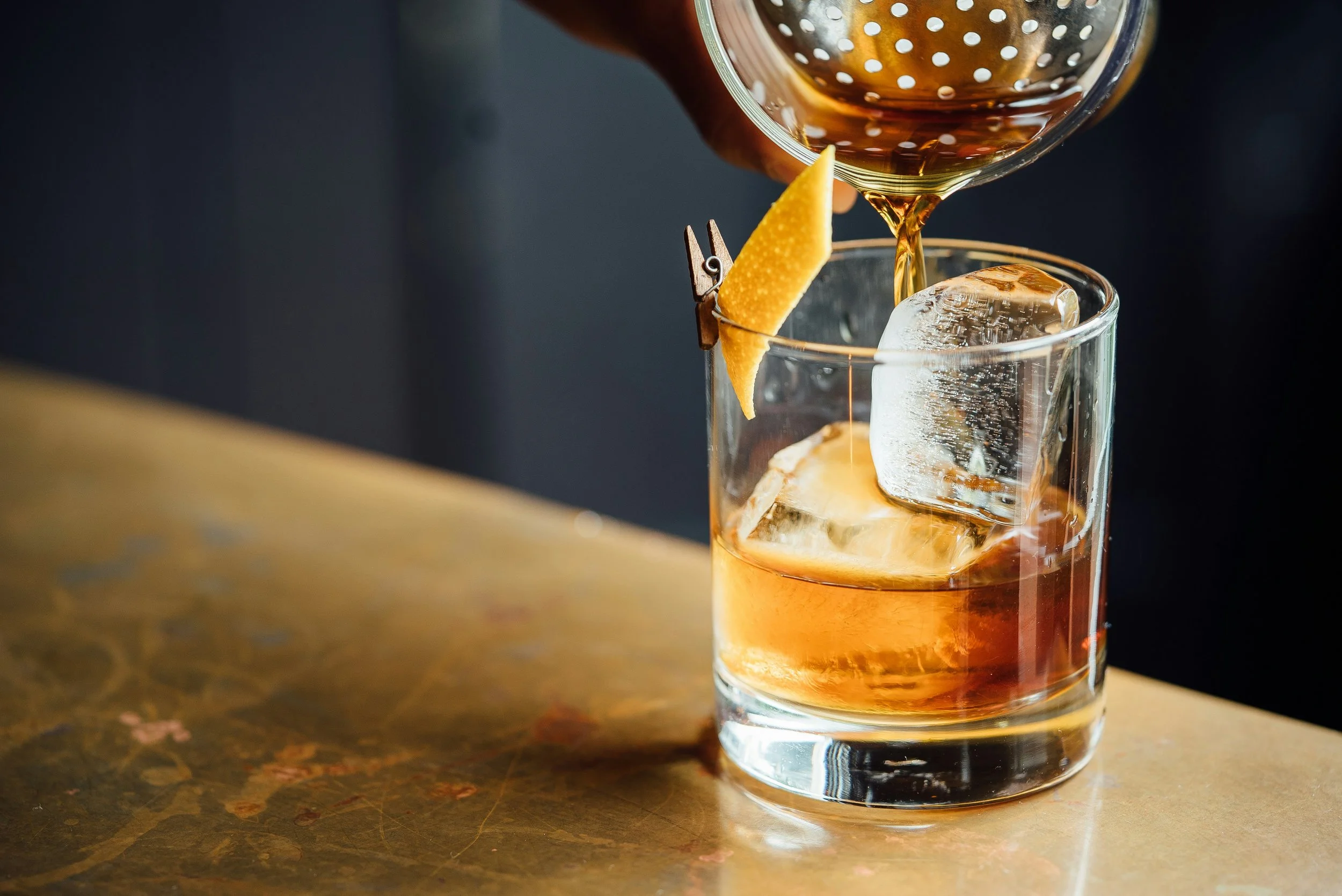
Flip the ratios for lower-ABV cocktails. Photo credit Adam Jaime
One trick for lowering the ABV of spirit-forward cocktails like the Old Fashioned, Martini, or Manhattan without sacrificing flavor is to split the base spirit with a dry, flavorful ingredient like sherry, vermouth, or sake. (I’ve used this trick when creating cocktails for networking events where the hosts requested Old Fashioneds but also wanted to reduce intoxication among guests.)
A similar strategy when using sake as a vermouth replacement is to create a “reverse” version of the drink. A Reverse Manhattan has two or three parts sweet vermouth to one part whiskey, and a Reverse Martini similarly flips the ratio of dry vermouth to gin. Try the same approach with sake instead.
Shake or Stir Sake Cocktails for Less Time
Because sake is quite subtle, you want to avoid diluting its flavors. This trick is useful for nonalcoholic spirits, too, since they don’t tolerate dilution well. You can shake or stir them for less time or, better yet, make it unnecessary. Chill your ingredients (not just the sake, but all or nearly all of them) in the refrigerator or freezer before mixing. That way, the mixture will melt less ice during shaking or stirring, resulting in less dilution.
Keep It Simple With Sake on the Rocks
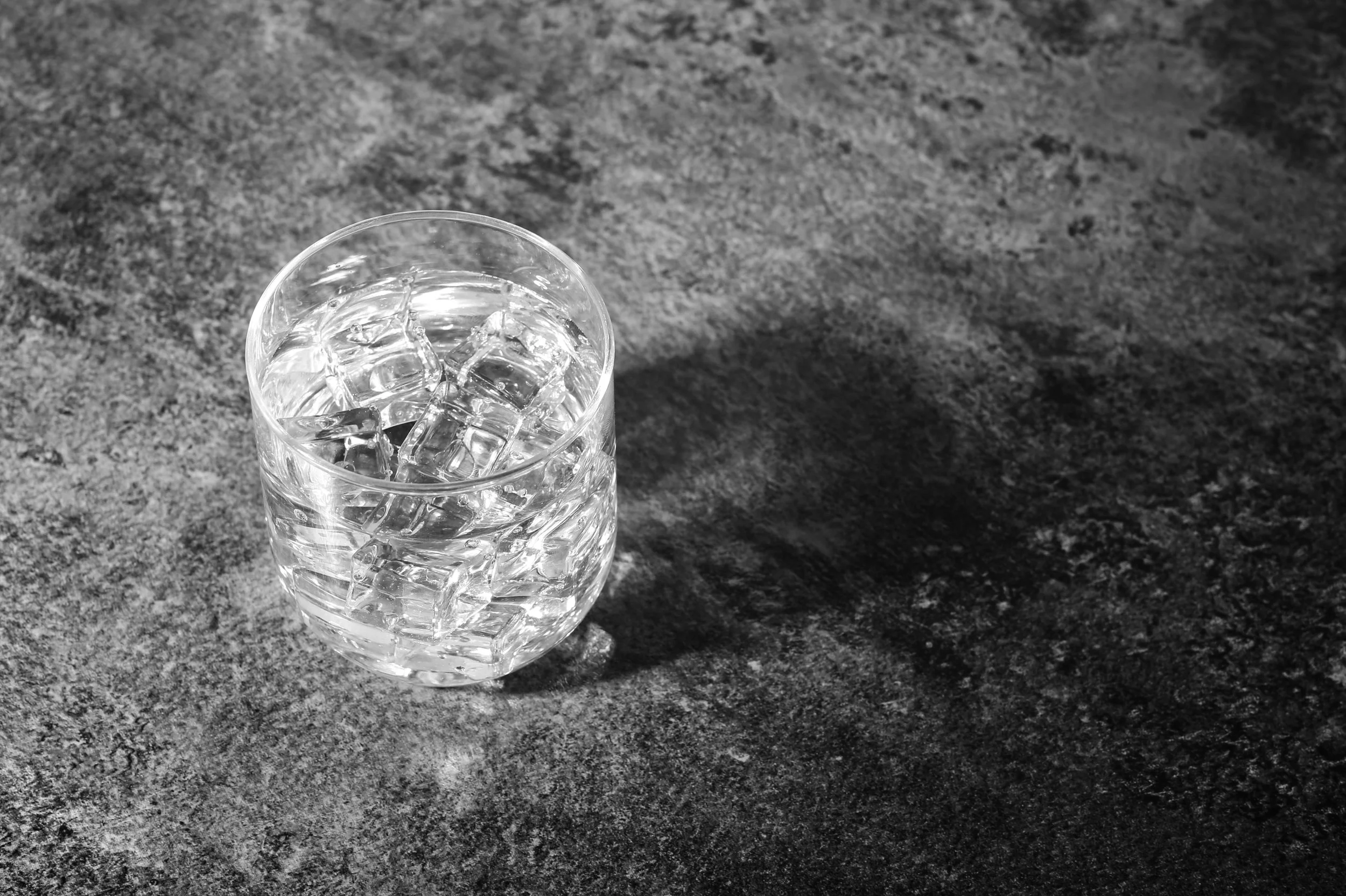
Sake on the Rocks. Photo credit Giorgio Trovato
Try this with undiluted genshu or taruzake aged in cedar casks. An orange or lemon peel as a garnish can wake it up a bit. As in the previous tip, start with cold sake, and use a larger ice cube to slow dilution even further.
Kanpai!