
Vermouth, What the Hell Is It Anyway?
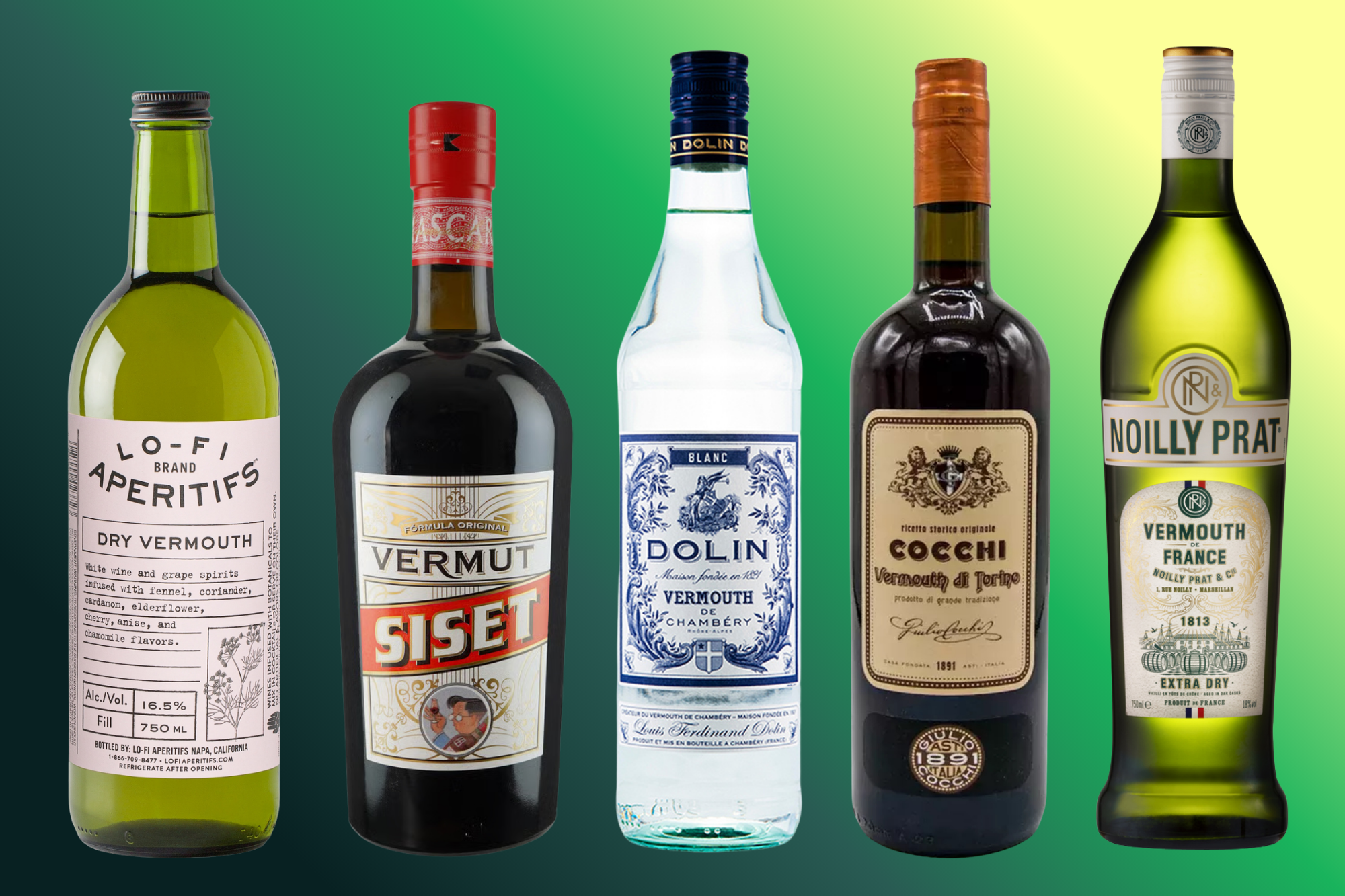
Vermouths
What is vermouth? Is it a wine? Is it a spirit? Is it a cocktail enhancer? Can you drink it on its own? The answer, across the board, is “yes.” “Vermouth is the oldest fermentable beverage in the world,” explains David Curiel, New York Sales Manager & National Sales at Oliver McCrum Wine and Spirits. All vermouths are fortified wines, pumped with neutral spirits to up the ABV (typically landing between 14 and 20%) which historically helped preserve the beverage. The wines are also aromatized, usually by maceration, with botanicals to boost bitterness and add floral, spiced and herbal flavors that pep up the appetite and were thought to be medically beneficial, back in the day. The infused botanicals can include anything from citrus to angelica to cinnamon, and one or more bitter barks or spices usually make the roster, such as wormwood, for which vermouth is named (the German word for wormwood is “Wermut”), or cinchona, a common ingredient in amaro.
How to Enjoy Vermouth
You can drink vermouth in classic cocktails such as the Negroni, Martini, or Manhattan, but top-shelf vermouth is also wonderful as an aperitif, either served neat or over ice with a twist. Be sure to store open bottles in the refrigerator.
Styles of Vermouth
Extra Dry/Dry
Bianco/blanc
Sweet Red
Vermouths come in different styles, like the extra dry white used behind the bar in martinis and in the kitchen for deglazing, and the less dry bianco/blanc, all the way to the sweet Italians (including the elite Torino-style, named for Italy’s historic vermouth hub) that are well known for mixing in Negroni and Manhattans. In Spain, a mahogany-hued version can be seen in the glass from 11:00 am until sunset. In the US, producers amp up the botanicals to push the boundaries of bitterness and flavor.
Vermouth really shines, Curiel says, in low ABV cocktails like the Americano, the Italian classic aperitivo made with one part each Campari, Italian sweet vermouth, and soda water. “It hits at so many flavor points–bitter, sweet, acid–and you can drink them all night.” Taste vermouth by style on its own, as listed below, then mix and match in your favorite low or high proof drinks.
Main Regions for Vermouth
Spain
France
Italy
United States
Spanish Vermut
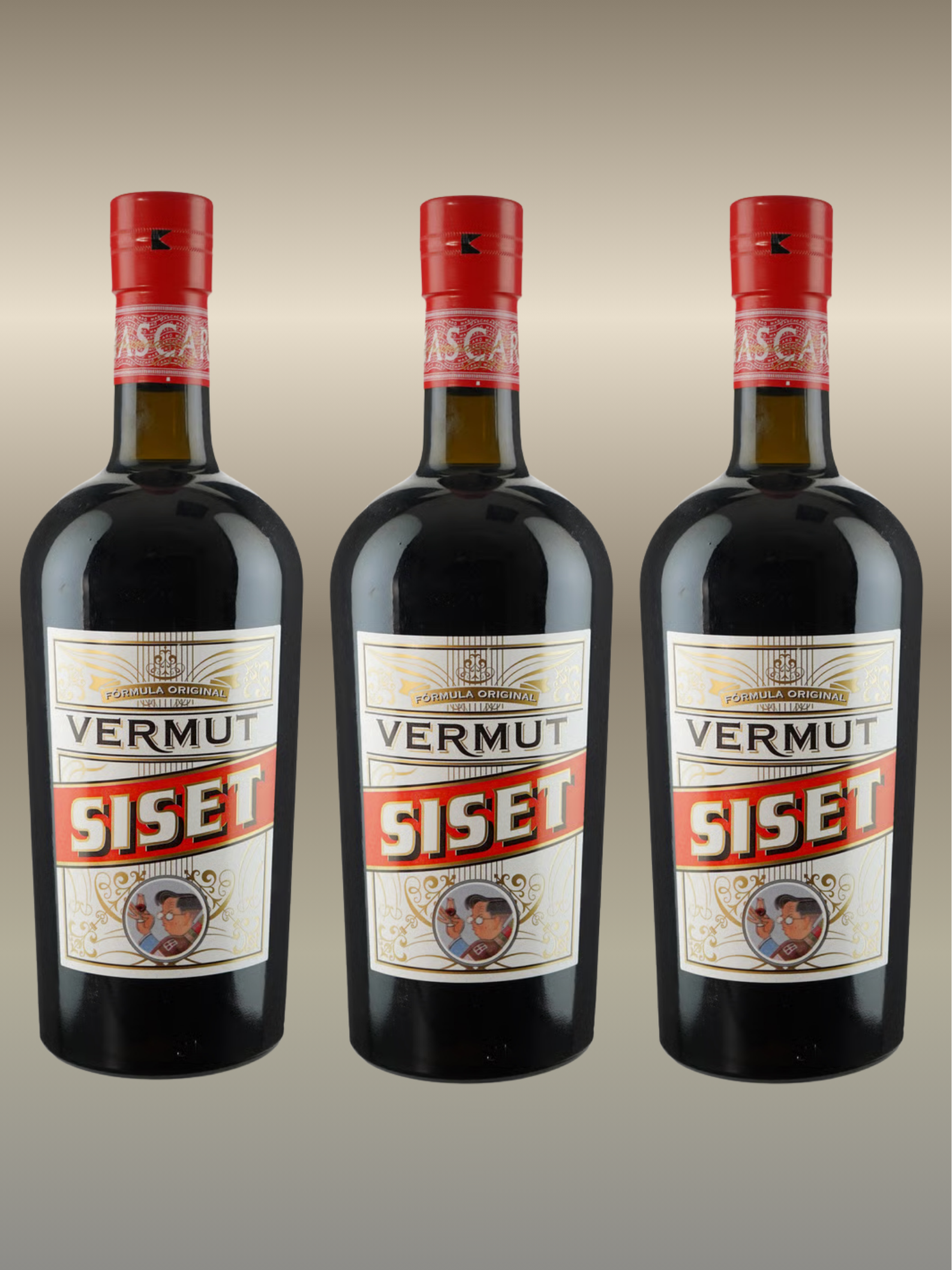
Vermut Siset
In Spain, the “Hora del Vermut” owns the afternoon, whether before a traditional long late lunch, or, more recently, after work for happy hour. One drinks a tumbler of Spanish Vermut on ice, with a bit of citrus and perhaps an olive, along with small snacks to take the edge off the appetite.
Vermut Siset has the deep cola color typical of Spanish vermouths, and nuanced herbal flavors, with notes of citrus, warm spice, and a bitter finish. Like many Spanish versions, there is a hint of oxidized flavor that is not a flaw, but a gift. Made from Ugni Blanc and Parellada grapes, this 15% ABV vermouth from an old guard producer is one of our favorites.
Extra Dry
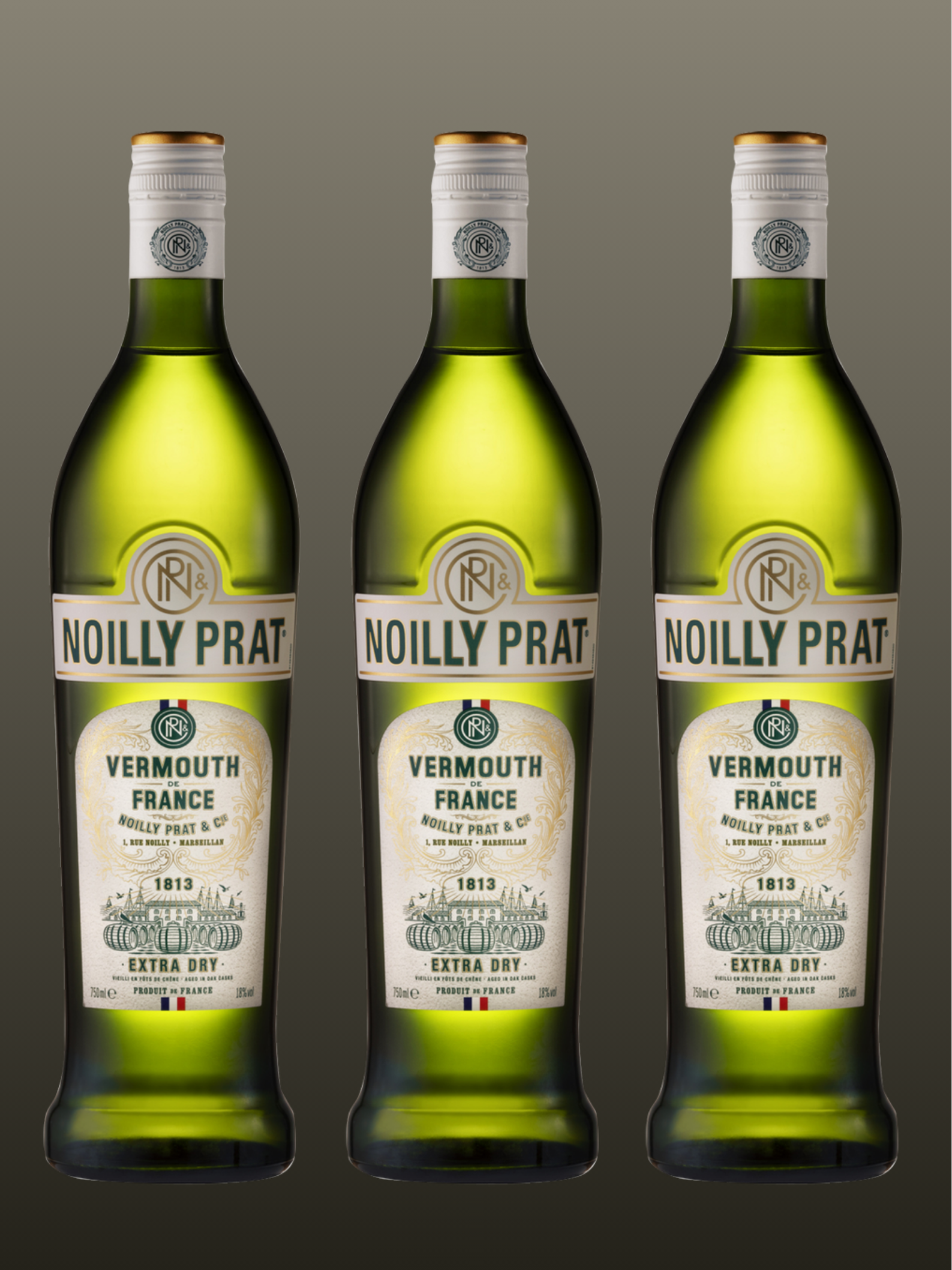
Noilly Prat Extra Dry Vermouth
The 18% ABV Noilly Prat Extra Dry Vermouth tastes like it was born to meet up with gin in a martini pitcher. Drenched in chamomile flowers, coriander, and citrus, this vermouth also contains multiple bittering roots and spices to provide a complimentary backbone to the delicate sweetness from the ancient white grapes, Clairette and Picpoul, it is crafted from. It also comes in original dry. Extra dry was designed specifically for the martini.
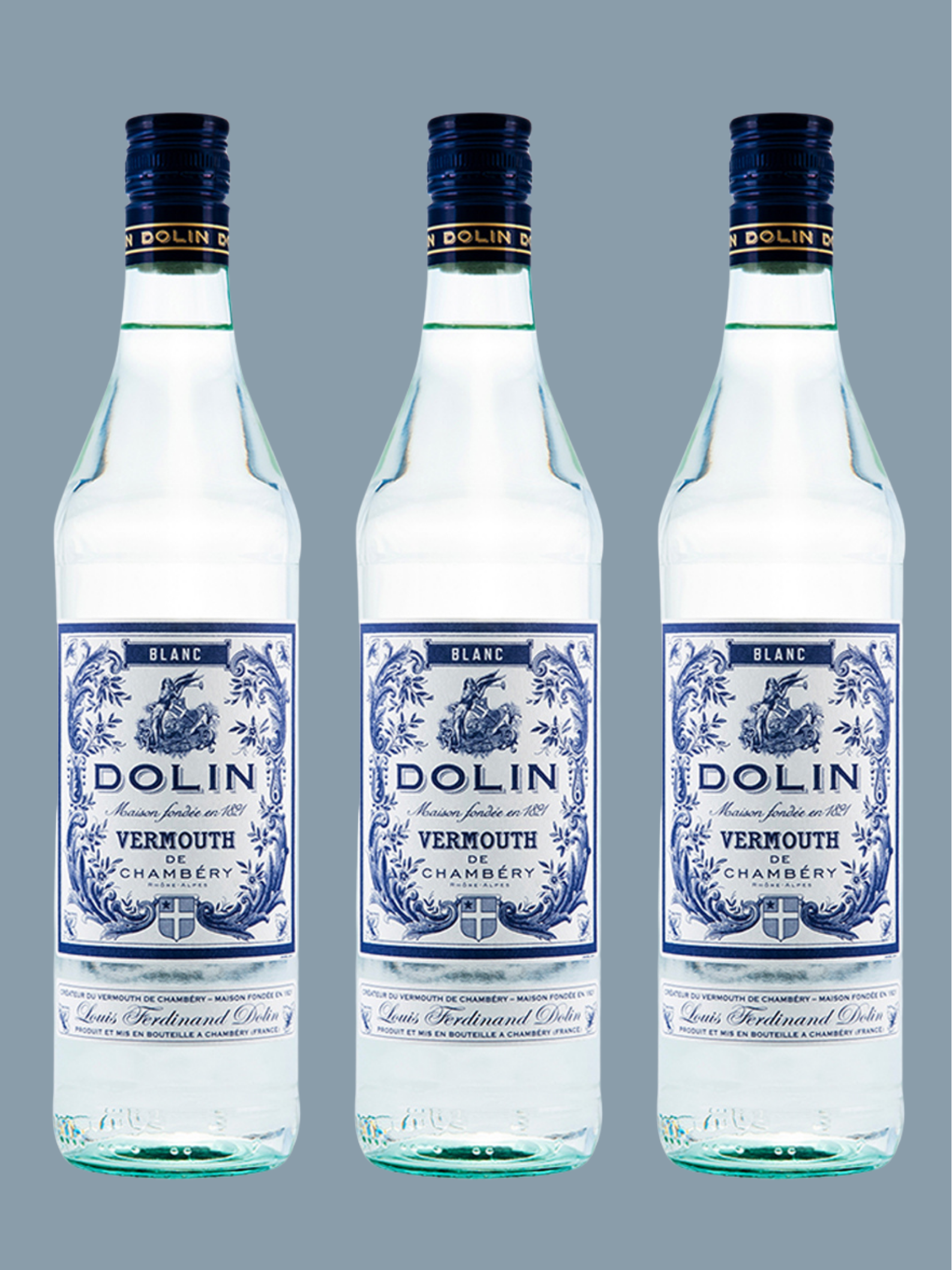
Dolin Blanc
Blanc/Bianco
Not to be confused with extra dry, blanc or bianco vermouths are light, a tad sweeter, and floral. The Dolin Blanc, made in the Chambery region of the Savoie by a fifth generation producer, exudes French elegance, especially when served with soda on ice, garnished with a strawberry. Try it in a white Negroni, or use it in tandem with the extra dry in a wet martini. Three parts gin plus one part each extra dry and blanc vermouth makes a very silky sip. Dolin's Blanc is 16% abv and is made with 32 botanicals, whereas their Dry is 17.5% abv and includes 15 botanicals.
Vermouth de Torino
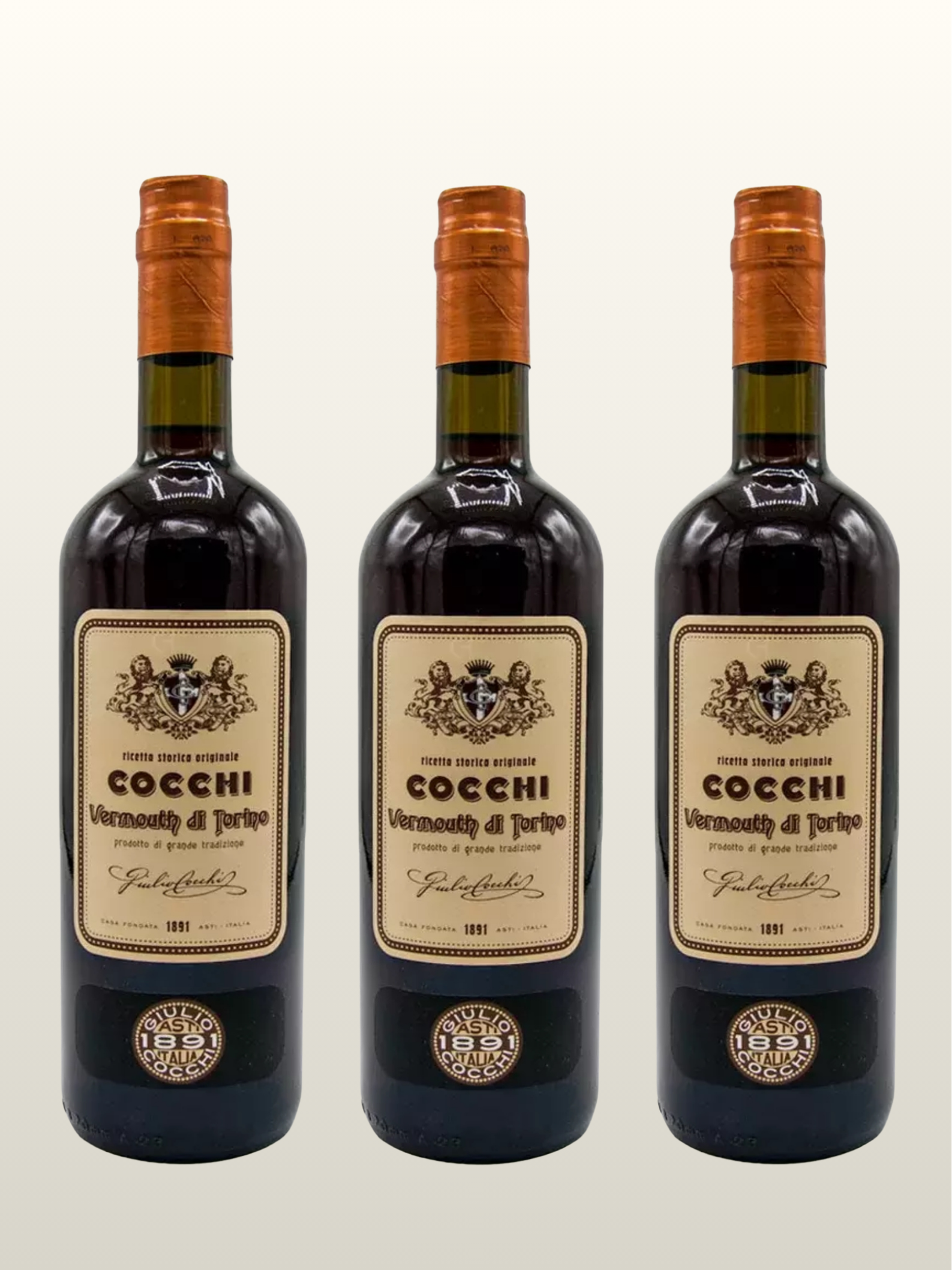
Cocchi Vermouth di Torino
This Piemontese staple, made in Torino (Turin) since the late 1700’s, recently gained an IGP (Protected Geographical Indication) to protect its historic formulation. Its deep red color belies its origin as a white wine. Sweet vermouth sings in Negroni and Manhattans, and when you notch up to one from the Torino IGP, you will taste the difference. Cocchi’s balanced version adds caramel for a more amber color and a burnished burnt sugar flavor.
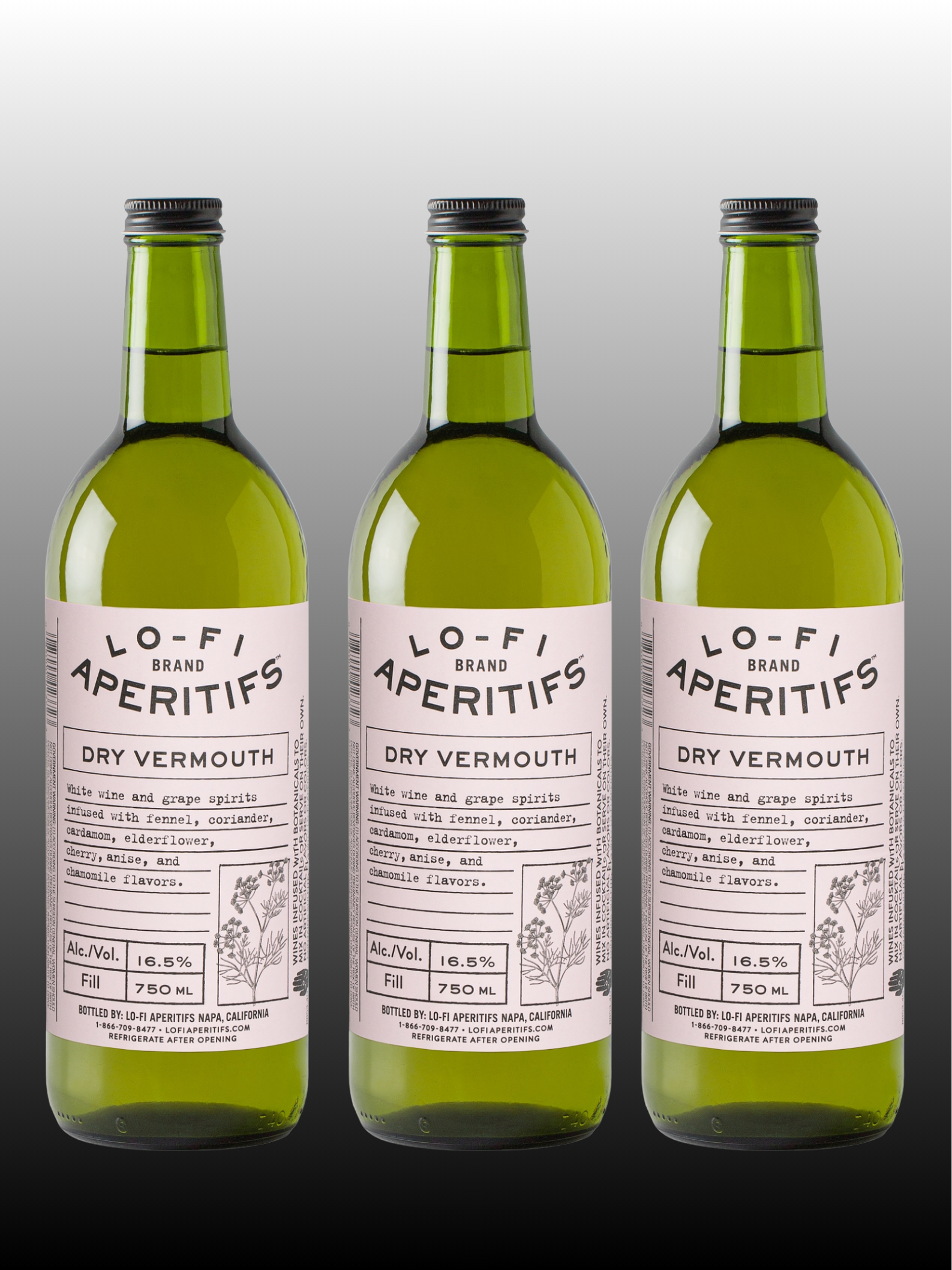
Lo-Fi Aperitifs Dry Vermouth
Domestic Vermouth
Leave it to the American maverick producers to take botanicals in different, less traditional directions, for some New World versions of the original classics.
The folks behind Lo-Fi, in Napa, California, infuse fresh fennel and elderflower from local meadows along with more traditional chamomile and spice for their Dry, and vanilla, baking spices, cherry bark plus sherry in the Sweet version, both bottled at 16.5% ABV. These vermouths play with spirits differently than their Old World counterparts, and are quite fun to experiment with when making cocktails like a mezcal Negroni or an el Presidente.