
Purple Jesus: The Party Drink’s Second Coming
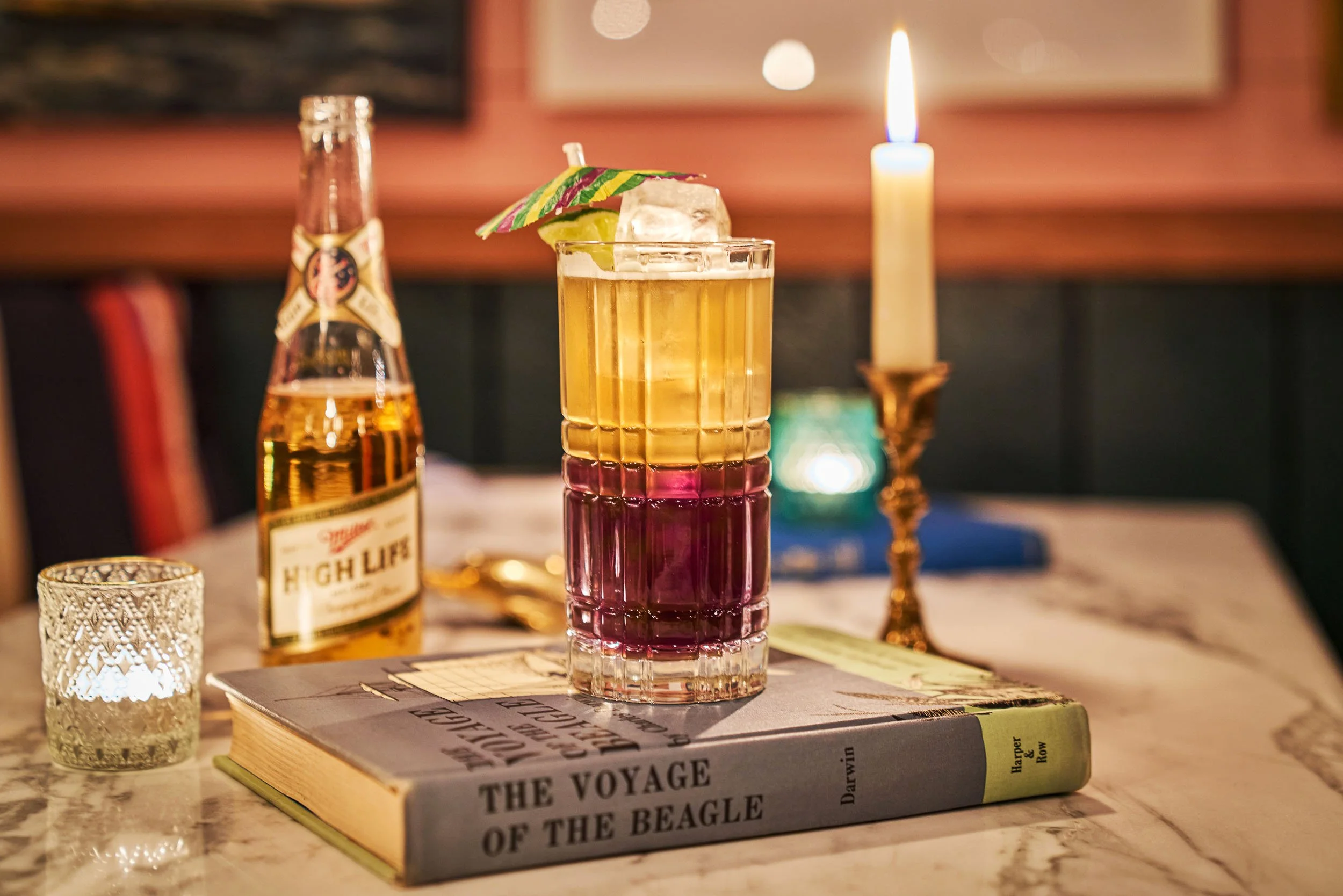
The Purple Jesus cocktail at Holywater in New Orleans
Anyone who attended college (or at least a college party) from around the mid-20th century to today has encountered some type of playfully named, brightly hued, and largely improvised concoction designed, for better or worse, to achieve rapid intoxication.
On many a campus from the ’80s through the early aughts, it likely bore the name Jungle Juice, whose origins actually date back to the early 20th century. Then, a few years back, the TikTok generation found that resistance was futile to the BORG, an acronym for “blackout rage gallon.”
However, the classic among classics in the high-octane, armchair mixology space is arguably the venerable cult favorite Purple Jesus, which continues to find its way back into the boozy conversation. Recipes vary, but grape juice (or grape Kool-Aid-like drinks) and vodka are standard ingredients. Ginger ale is also a common addition, giving the drink a bit of a bubbly kick.
The History of the Purple Jesus
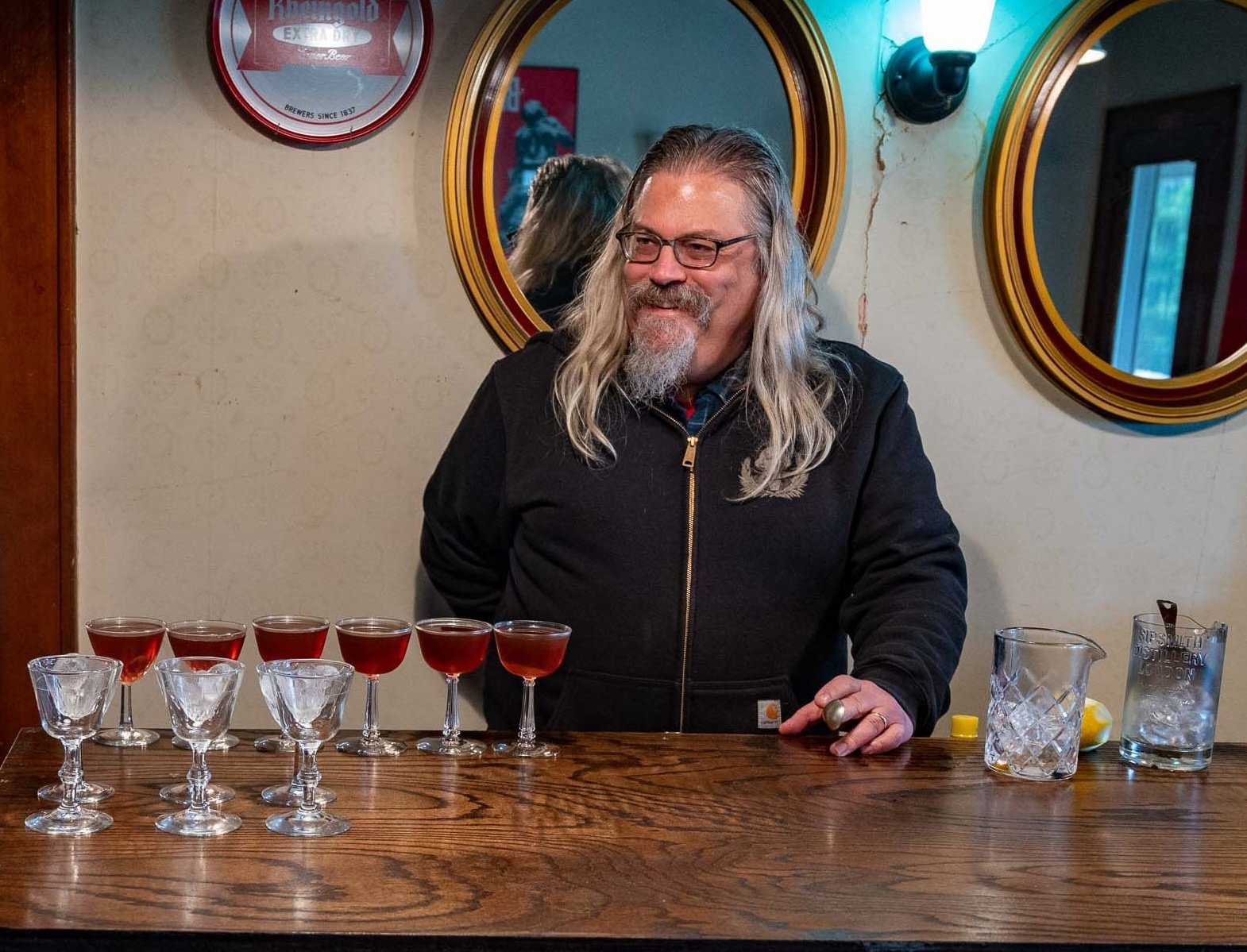
Noted barroom historian David Wondrich
The cocktail emerged sometime in the mid-’40s, according to noted booze author David Wondrich. Its earliest documented mentions, Wondrich says, were at McGill University in 1946 and Yale in 1948.
In those early days, Purple Jesus’s base spirit was gin, as it would be nearly a decade before vodka became popular in the U.S. “By the 1950s,” Wondrich says, “[Purple Jesus] was pretty widespread, mostly in the South.” Unsurprisingly, 190-proof Everclear has often replaced its 80-proof cousin, vodka, but those versions, Wondrich points out, were commonly dubbed “Purple Passion.”
He adds that the drink “soldiered along until the 1970s,” when it got a renewed boost from National Lampoon’s various fraternity-centric stories. Those took a nostalgic look back at ’50s and early ’60s college culture and ultimately formed the basis for the 1978 comedy classic Animal House. In the film, Delta House rush chairman Eric “Otter” Stratton (Tim Matheson) doesn’t mention the drink by name but invites arriving guests at the iconic toga party to help themselves to some “delicious Delta punch.” That same year, however, author Chris Miller name-checks Purple Jesus in his illustrated novelization of the film.
“Colleges around the country began throwing their own toga parties,” Wondrich notes, “and Purple Jesus rode again.”
Purple Jesus Rises Again
Fast-forward several decades and the drink has gained renewed attention in bars and distilleries.
Purple Jesus has been a fixture on the menu at New York’s New Orleans-inspired cocktail and oyster bar Holywater since the venue opened its doors in 2022. Holywater’s version marries purple Kool-Aid syrup and vodka with a nontraditional third ingredient, Miller High Life.
“We added in the beer to dress it up a bit, soften it, and give it a steady set of bubbles,” says Josh Gavish, executive director at Crew, the hospitality group that owns Holywater. “So it’s not that college drink, it’s a little more elevated.”
As an added flourish, a gummy shark performs garnish duties on what has consistently been one of the bar’s top-selling cocktails.
“We’ve considered taking it off [the menu] at different points, but we really don’t see our menu without [it],” Gavish says. “It’s pretty straightforward…It’s meant to be fun, it’s meant to be approachable. It’s a really strong cocktail but you don’t really taste it when you drink it.”
Purple Jesus in a Jar
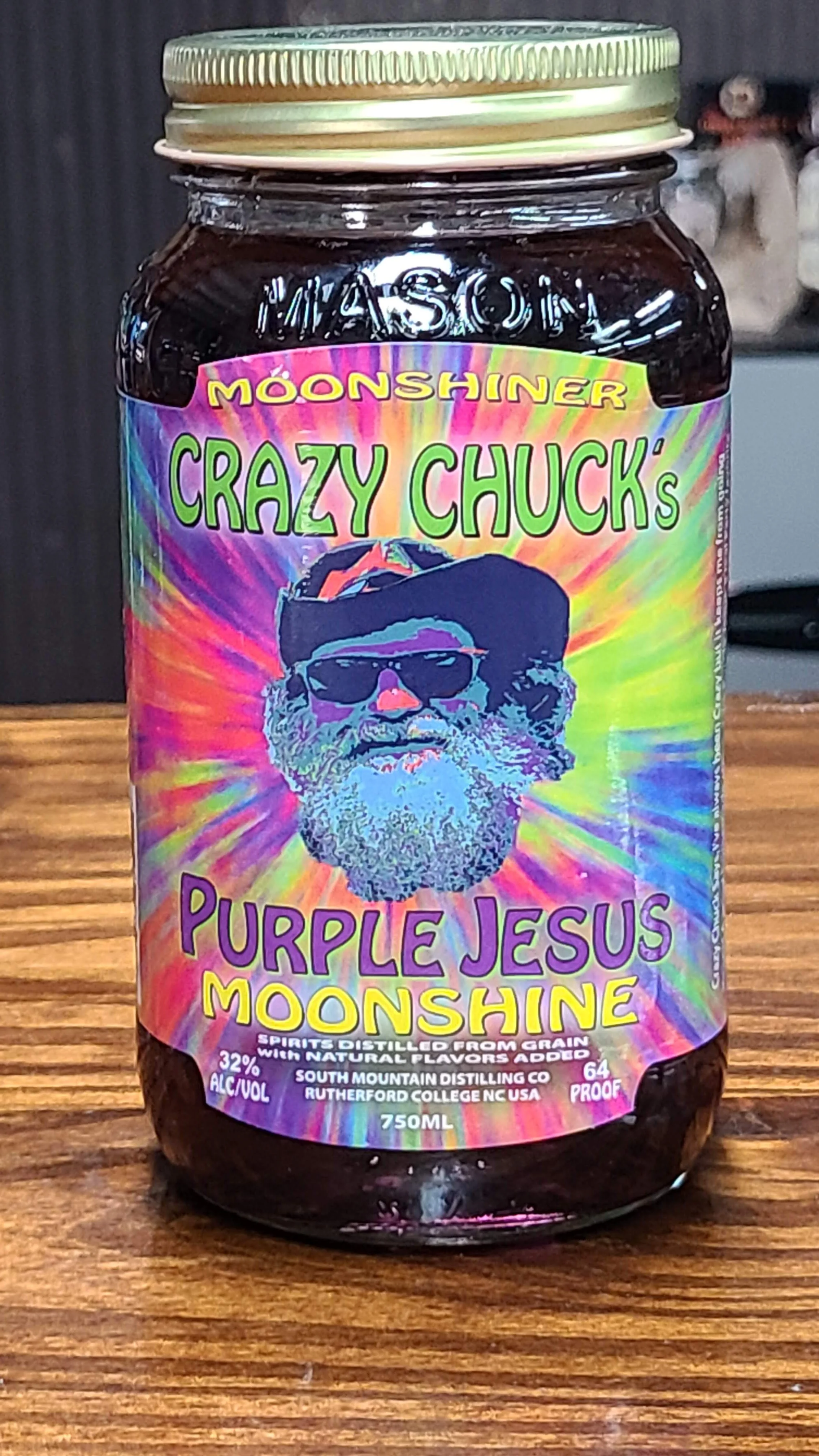
The original version of Purple Jesus sold by South Mountain
For those who can’t get to Holywater’s home base in Manhattan’s Tribeca neighborhood and don’t feel like they can do Purple Jesus justice by mixing their own, there are premixed, packaged versions available.
South Mountain Distilling Co, based in Connelly Springs, North Carolina, has been selling its own 64-proof, grain-alcohol-and-fruit-punch interpretation in moonshiners’ mason jars since the beginning of the decade. The label previously featured an image of Charles “Crazy Chuck” Kichton, a fixture of the Discovery Channel series Moonshiners, but the distillery changed the design when the branding collaboration soured.
Regardless of label imagery, Purple Jesus has been one of South Mountain’s top three sellers since its launch.
“It goes back to mine and my brothers’ house party days,” says South Mountain Owner and CEO Don Smith, whose family tree includes more than a few moonshiners. “[We’d get] Kool-Aid, Hawaiian Punch, whatever we could get our hands on, put it in a cooler with a gallon of my dad’s moonshine, and have a party at our house.”
While most in the know share a similar story of youthful debauchery with some variation of Purple Jesus, there’s little consensus on the origin of the drink’s name. Obviously, the grape juice takes care of the “purple” part, but it’s tricky to determine how “Jesus” came into it.
There are two prevailing theories. The first is that it’s so strong that drinkers will simply exclaim the Lord’s name. The other: “I guess if you drink enough of it,” Smith says, “you may think you’ve seen Jesus.”