
An Inside Look at Armenian Wine
One of the world’s most ancient wine regions is making stellar selections
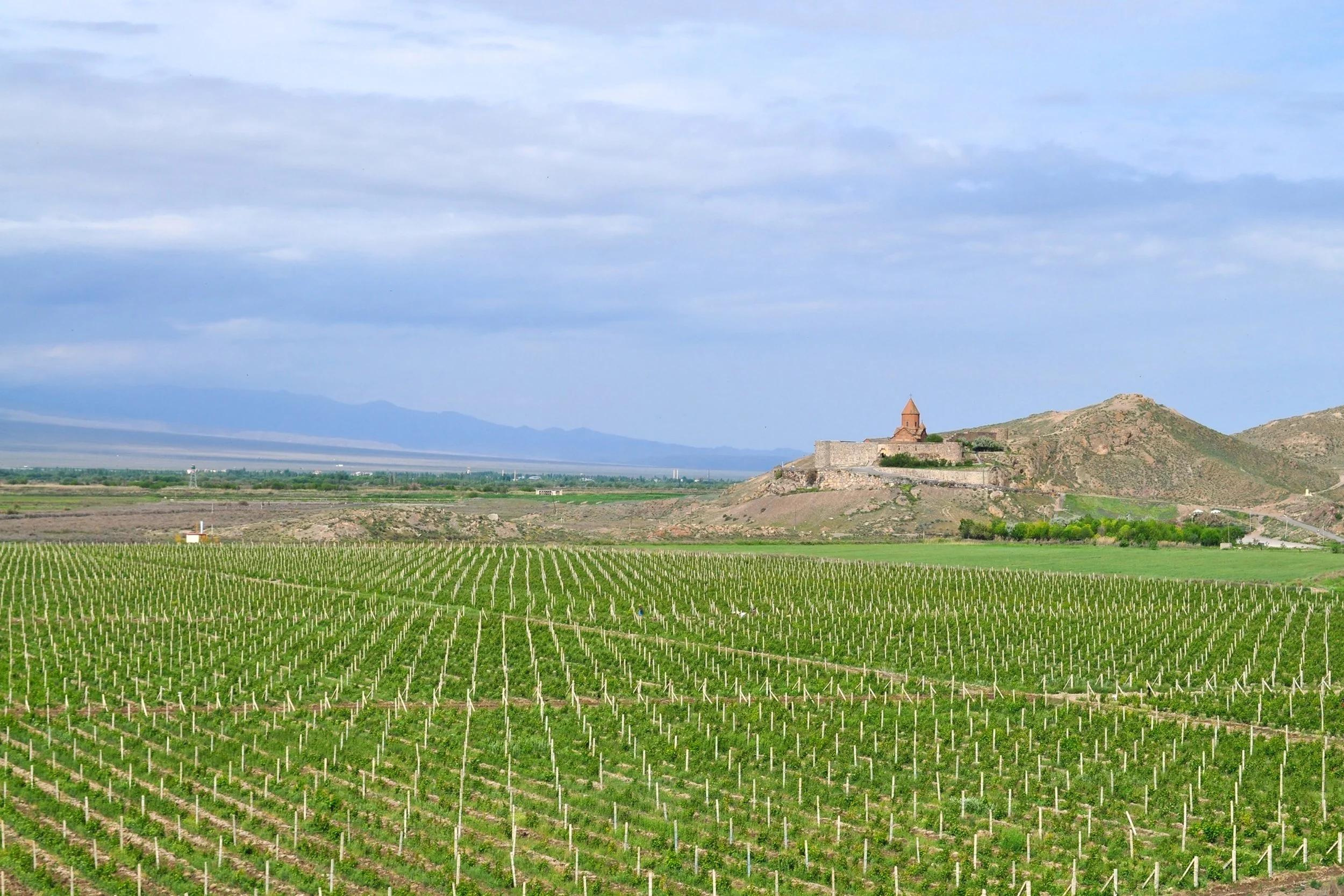
Armenian vineyard
Armenia is stunning on so many levels. Its lengthy history blends with majestic mountains and consistently sophisticated and satisfying food and wine offerings. I have been lucky enough to visit twice in the last three years. After confronting both social and political challenges as a former Soviet Republic, this historic, wine-producing country has become an inviting place to visit for its mix of beauty, safety and warm hospitality.
History of Wine Production
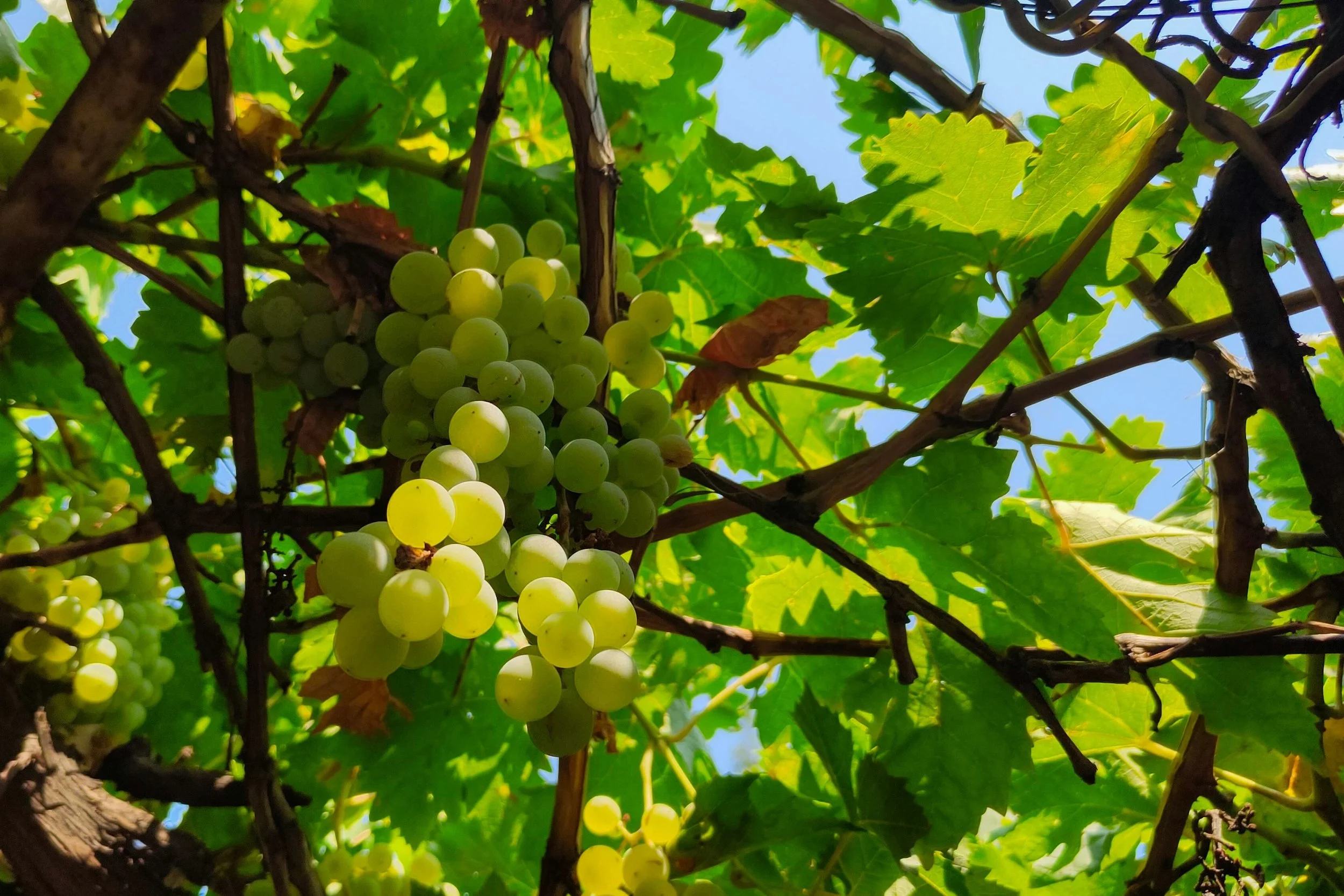
Armenian grapes photo credit Alexander Gluschenko
In 1991, Armenians voted for their country to become an independent nation: the Soviet era was over and the Republic of Armenia reinstated. Like other Eastern European nations—such as Moldova—its wine production had suffered for decades as Armenia was long tapped to be a brandy producer for the former Soviet Republics.
Over the last 35 years, its wine producers have steadfastly focused on improving winemaking techniques, quality and increasing production for both the domestic and import markets. The country’s current crop of 178 producers are also reviving the country’s ancient winemaking traditions. As a sign of their investment, Armenia recently spent 684 million AMD, or roughly $1.86 million, to host the a noted, international wine according to the Yerevan-based Vine and Wine Foundation of Armenia (Vwfa).
While the former Soviet Republic of Georgia may have copyrighted the tagline, “The Birthplace of Wine,” Armenia has some sophisticated credentials to prove otherwise. The Areni-1 cave, discovered in the Vayots Dzor region of the country in 2007, has been certified as the world’s oldest example of winemaking dating back to late fifth–early fourth millennium, according to UNESCO’s World Heritage Center.
Supply and Demand for Armenian Wine
I had the pleasure of judging a competition in Yerevan recently, and the 320 judges (from 56 countries) toured around the country’s wineries, restaurants, museums and churches. It is an experience that has already resulted in a number of stories in various languages. It seems this investment—though criticized by some for its expense—will have been well spent.
According to Vwfa, while total production has slightly dipped in the country, the number of winemakers continues to grow. Fifty-three percent of Armenian wineries only make up to 5,000 bottles annually, and only five producers make a million bottles of wine a year or more.
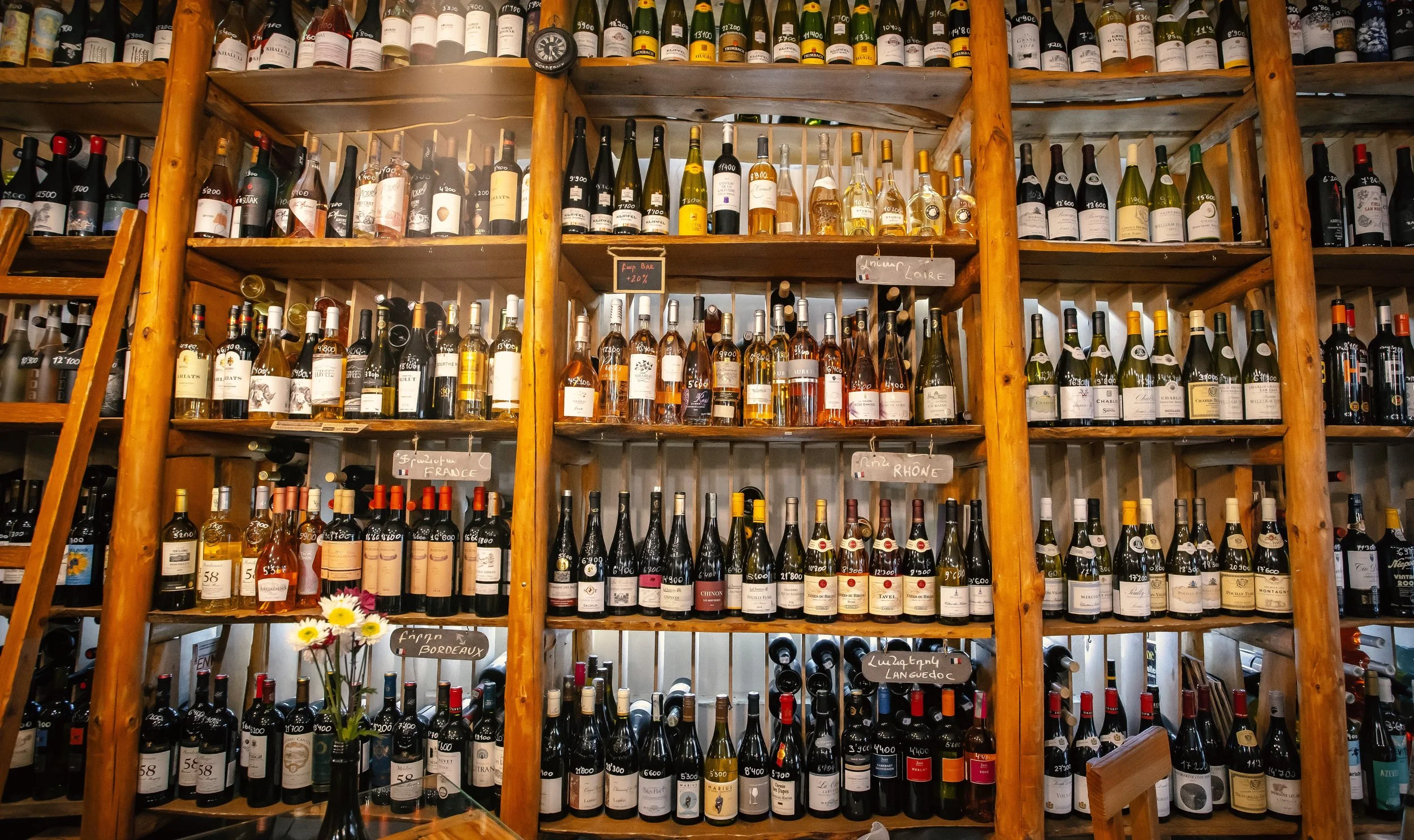
InVino wine bar photo credit InVino
Limited supplies mean that local production is snapped up easily, notes Vahe Baloulian, the owner of Yerevan’s hippest wine bar InVino, as well as the country’s first zero-waste restaurant The Club. He spends part of the year in Yerevan running his restaurants and consulting on his Vayots Dzor wine label Trinity Canyon Vineyards and the balance in Southern California overseeing his other restaurants.
Russia is still the largest export market for Armenian wines, holding an 80% share in 2025, followed by the U.S. at 5%, along with a variety of European countries and China at 1- 2%, according to Vwfa. Overall consumption in Armenia is growing and roughly doubled between 2017 and 2025, from 2.5 to almost 5 liters per capita.
Where to Taste Armenian Wines
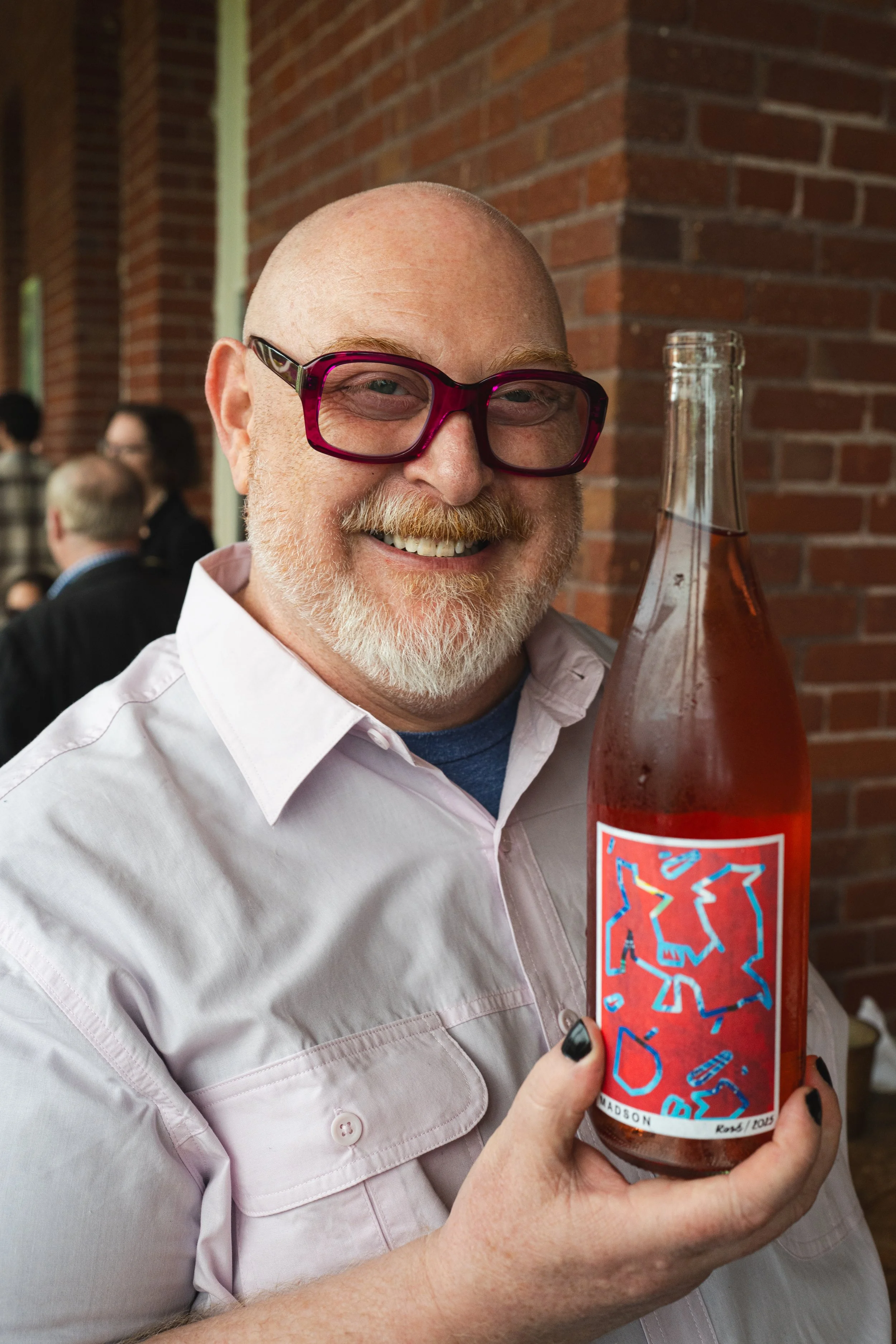
Jerry McGie, sommelier photo credit Dalida
Armenian wines are not inexpensive; bottles hit retail shelves at almost $20 in their home country and more abroad. They can be hard to find.
Jerry McGie, the wine director of Middle Eastern, diaspora-focused restaurant Dalida in San Francisco, carries a Zorah ‘Yerez’ Areni Noir 2014 for $280 on his list. He generously adds that he thinks the price is fair for such an ancient wine from a historic country. Many might beg to differ because at that price consumers can get major California Cabernet Sauvignons or iconic Burgundy.
In addition, overall Armenian wine production is fairly limited. It came in at 7,693 thousand liters in 2025 according to Vwfa. That is down from a high of 14,125 thousand liters in 2023. So there isn't much juice to go around.
Are Armenian Wines Good?
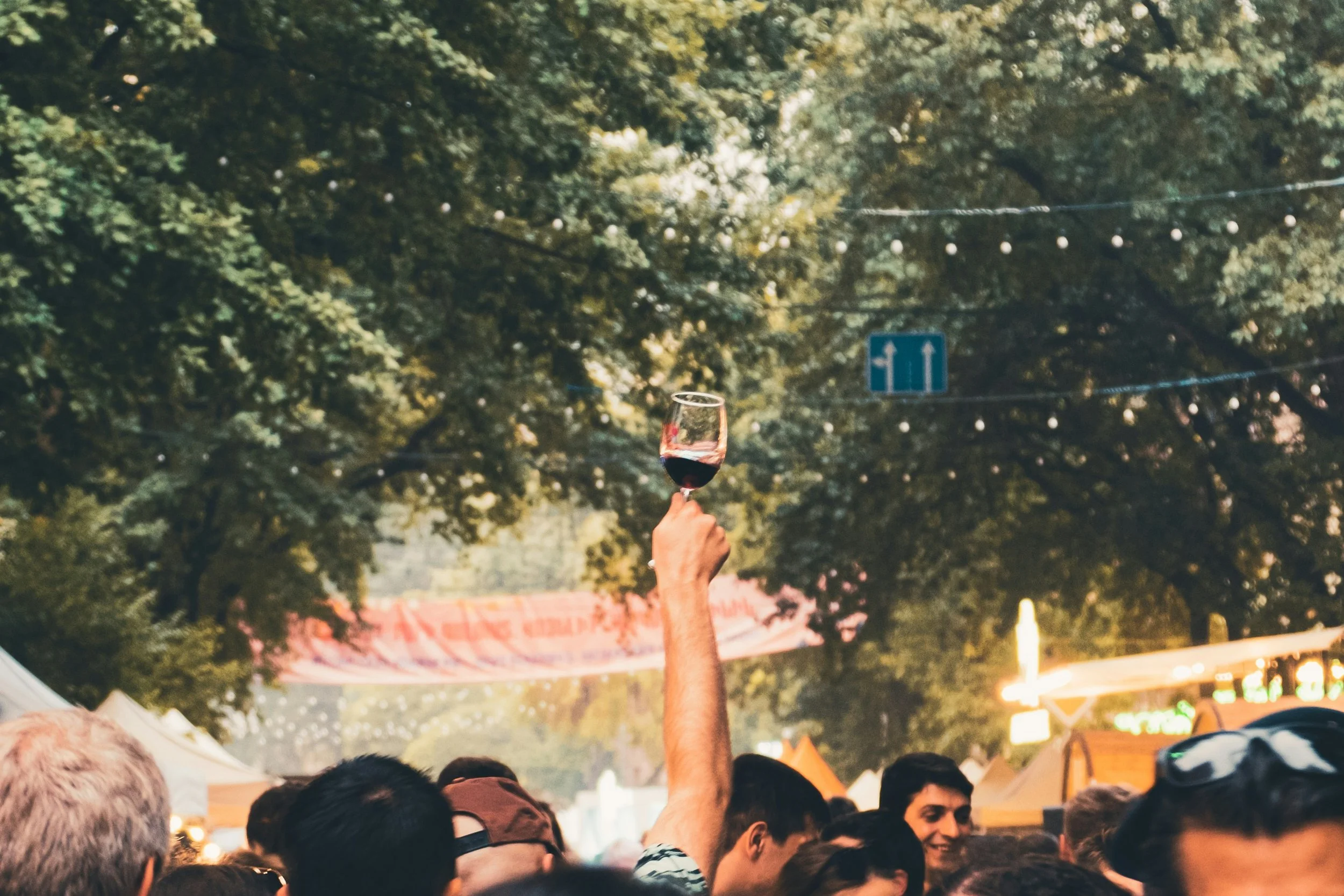
Crowd at Yerevan Wine Days festival photo credit Yuri Krupenin
The wines from Armenia are exceptional for more than their heritage: the flavors of indigenous grapes areni and voskehat are unique in terms of their taste profiles. Areni is a red grape often full of dark berry notes and cherry as well as black pepper, while voskehat, a white, has complex floral notes. Innovative wine directors like McGie at Dalida are using the stories behind these wines to sell the 11 Armenian options he has on his list.
“The advantages are the wines themselves. They are easy to fall in love with,” shares McGie. “Areni Noir is one of the most beautiful and versatile grapes in the world. Also, one of the oldest that we have record of .... The guest can get a well-built, highly food-friendly bottle of wine from one of the most ancient growing regions in the world, or they can get a bottle of Sonoma pinot noir for the same price. Why not, take a chance on something that you have very little access to and choose adventure!”
Another plus, in terms of introducing these wines to American consumers, a handful of American winemakers are also producing their own wine labels. Paul Hobbs, the noted Sonoma producer known for his winery in Mendoza, has been making the Yacoubian-Hobbs wines label in the Vayots Dzor region since 2008.
Jeff Ritchey, a University of Davis graduate, has been producing the Alexandrea label in Vayots Dzor since 2017 and it is distributed in a handful of U.S. markets. Trinity Canyon Vinyards’ Baloulian is also distributing his Trinity Canyon Vinyards label in California. So many of the country’s better wines are gaining some traction on U.S. shores.
Recommended Bottles
Alexandrea Winery Areni 2023
$24 13.2%
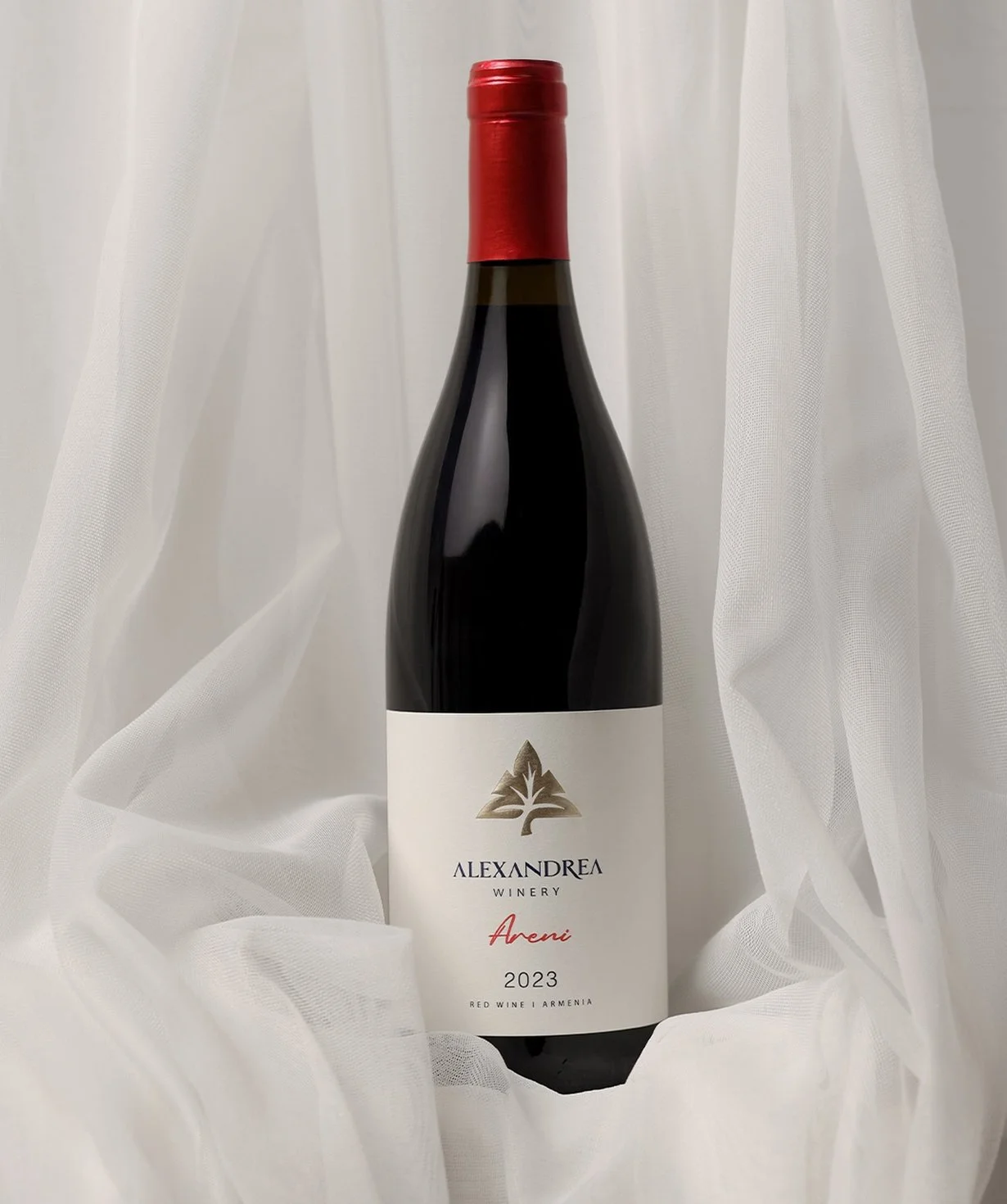
Alexandrea Winery Areni
This areni has soft, elegant dark cherry notes on nose; is sleek and well-balanced on palate with notes of blackberries and has a long finish.
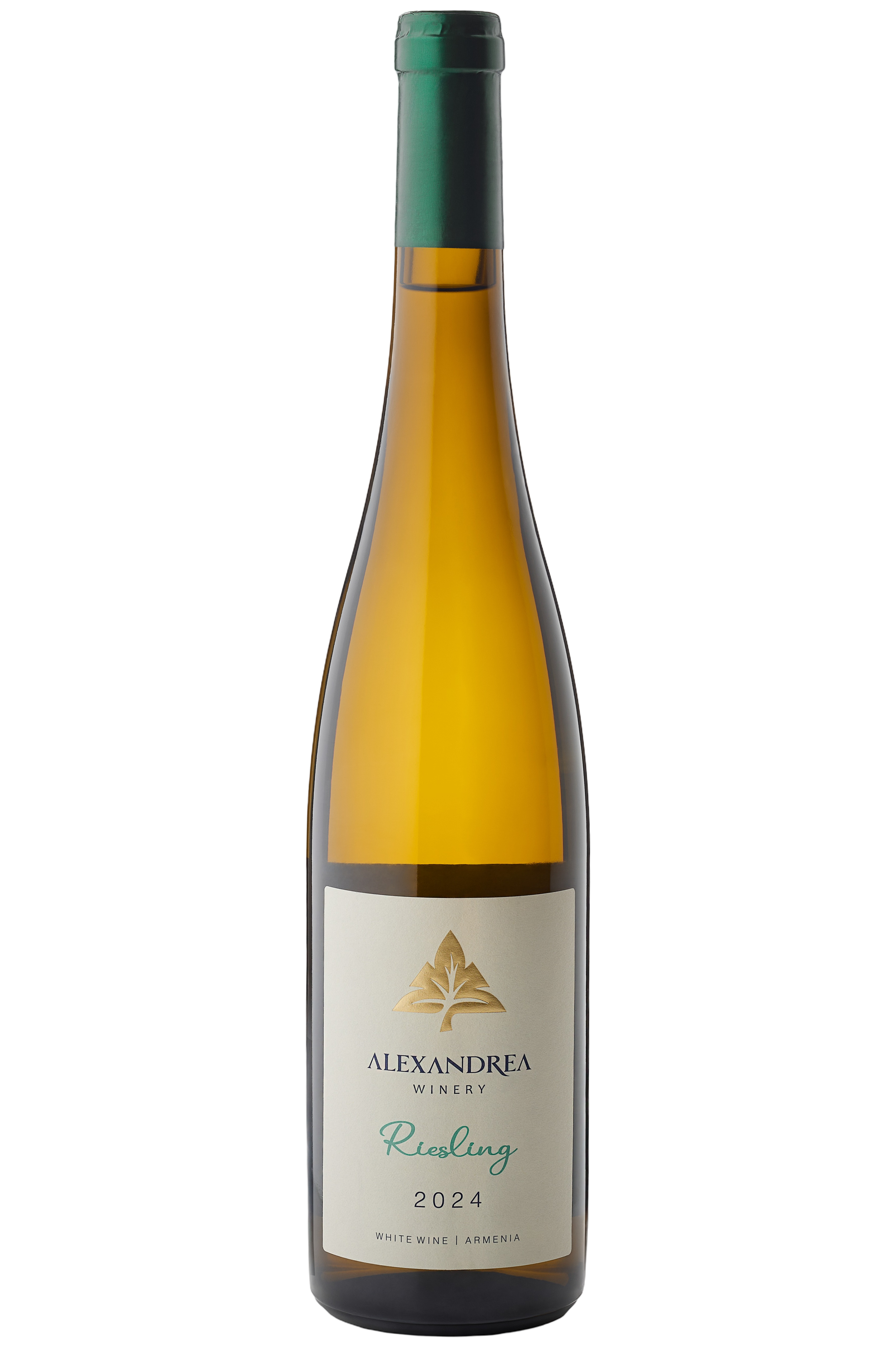
Alexandrea Winery Riesling 2024
$24 13.9 %
This crisp riesling is floral on the nose and has citric and honey notes and a long finish with bright acidity.
Jraghatspanyan 2023 Dry Red
13%
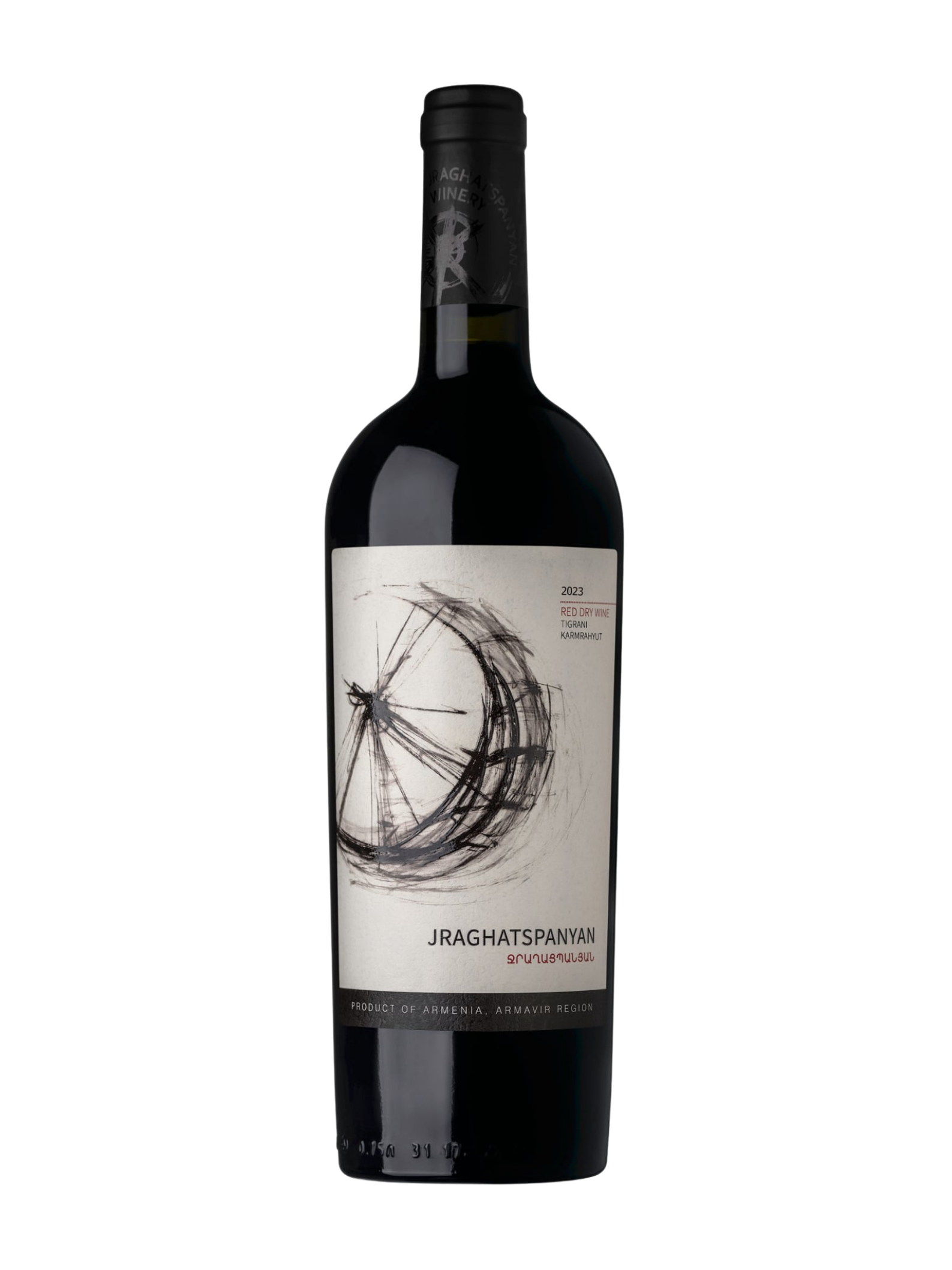
Jraghatspanyan Dry Red 2023
This red is a blend of primarily the tigrani grape with some karmrahyut mixed in. It has loads of red fruit and spice with blackcurrant and raspberries on the palate.
Ijevan Sapor White 2024
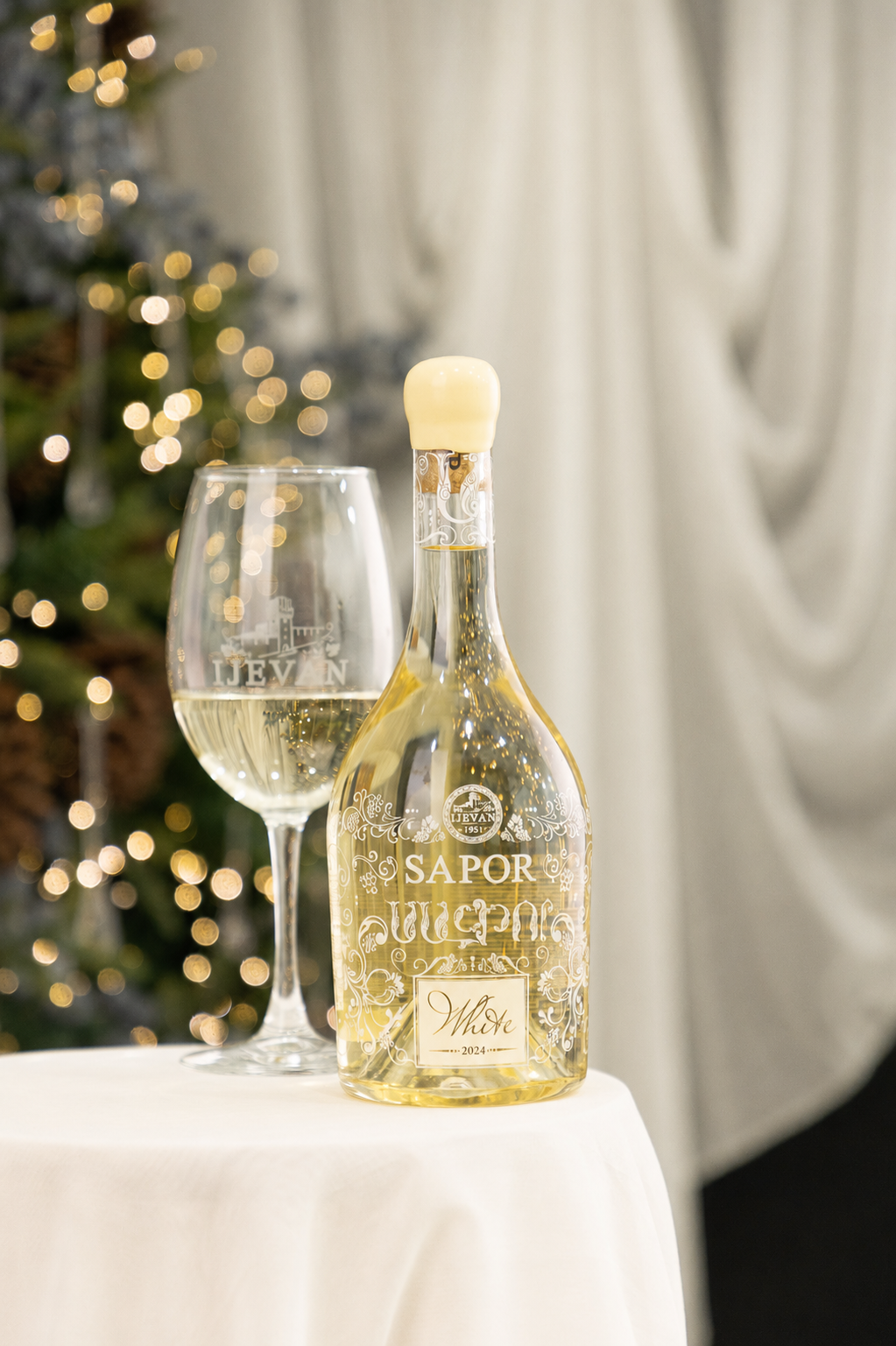
Sapor 2024
$19.99 13 %
This elegant sparkling wine is soft and balanced with peach, and stone fruit skins, notes on the nose and the palate.
Keush Rosé Extremis NV Brut Nature Rosé
$38 12.5 %
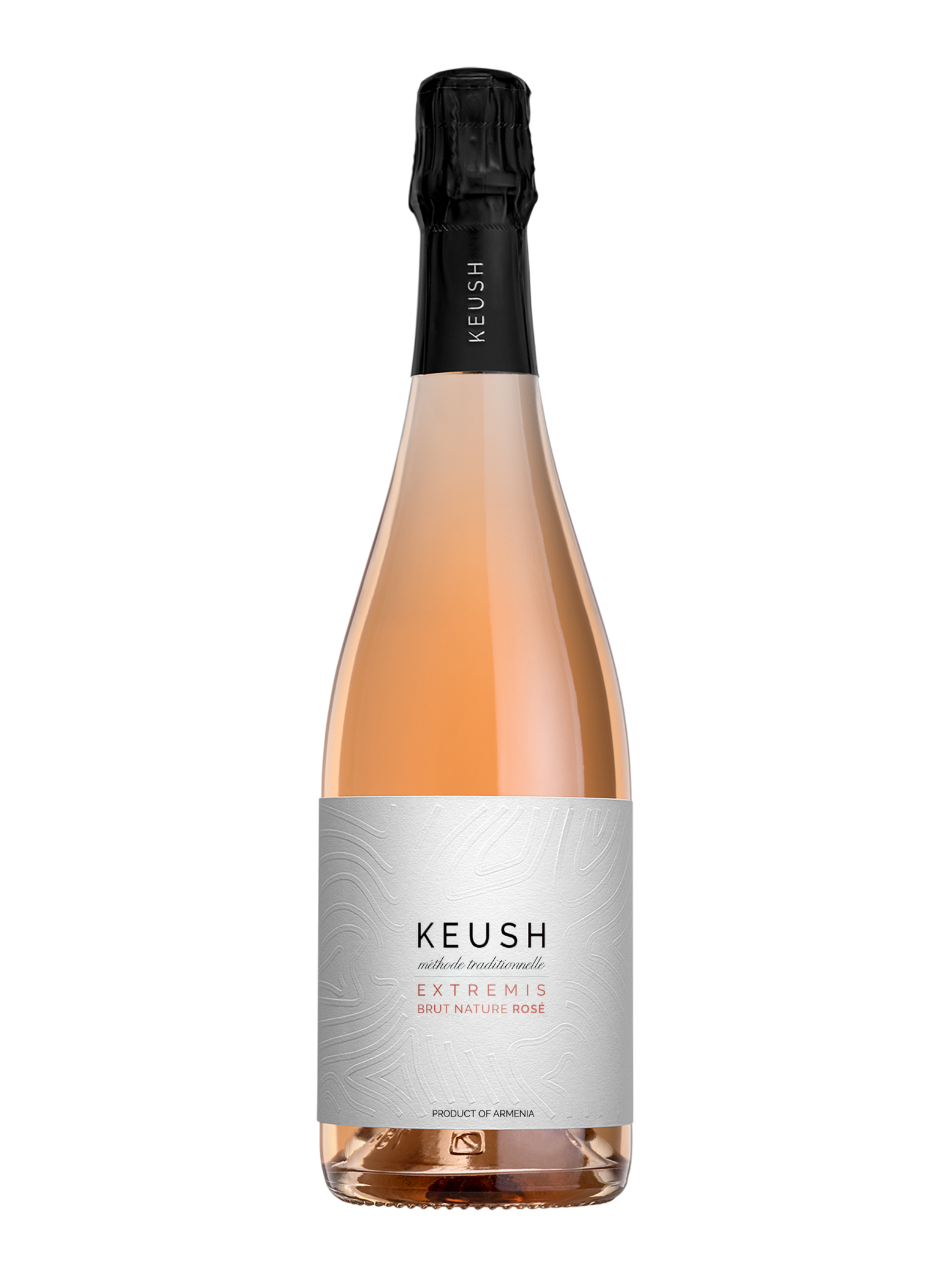
Keush Extremis Rose
This charming sparkling wine is 100 percent areni. It has beautiful notes of light raspberry on the palate with a long, soft finish with brisk acidity.
NOA 2019 Areni Noir
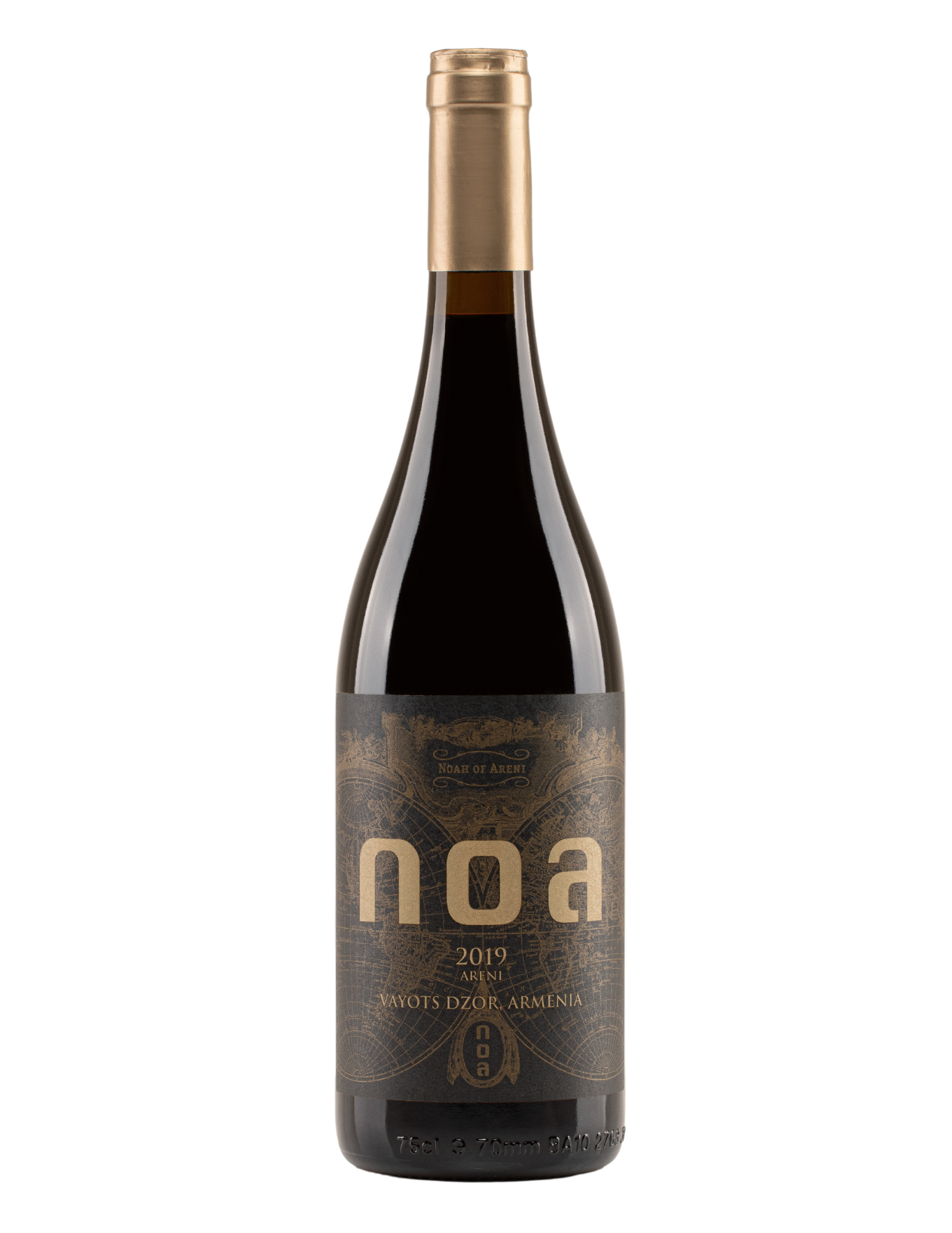
Noa Areni
$30 14.5 %
Ripe cherries plums can be found on the palate and the wine has a long, rich finish and vibrant acidity.
Trinity Canyon Vineyards 6100 2023 Areni Noir
$16.99 14.5 %
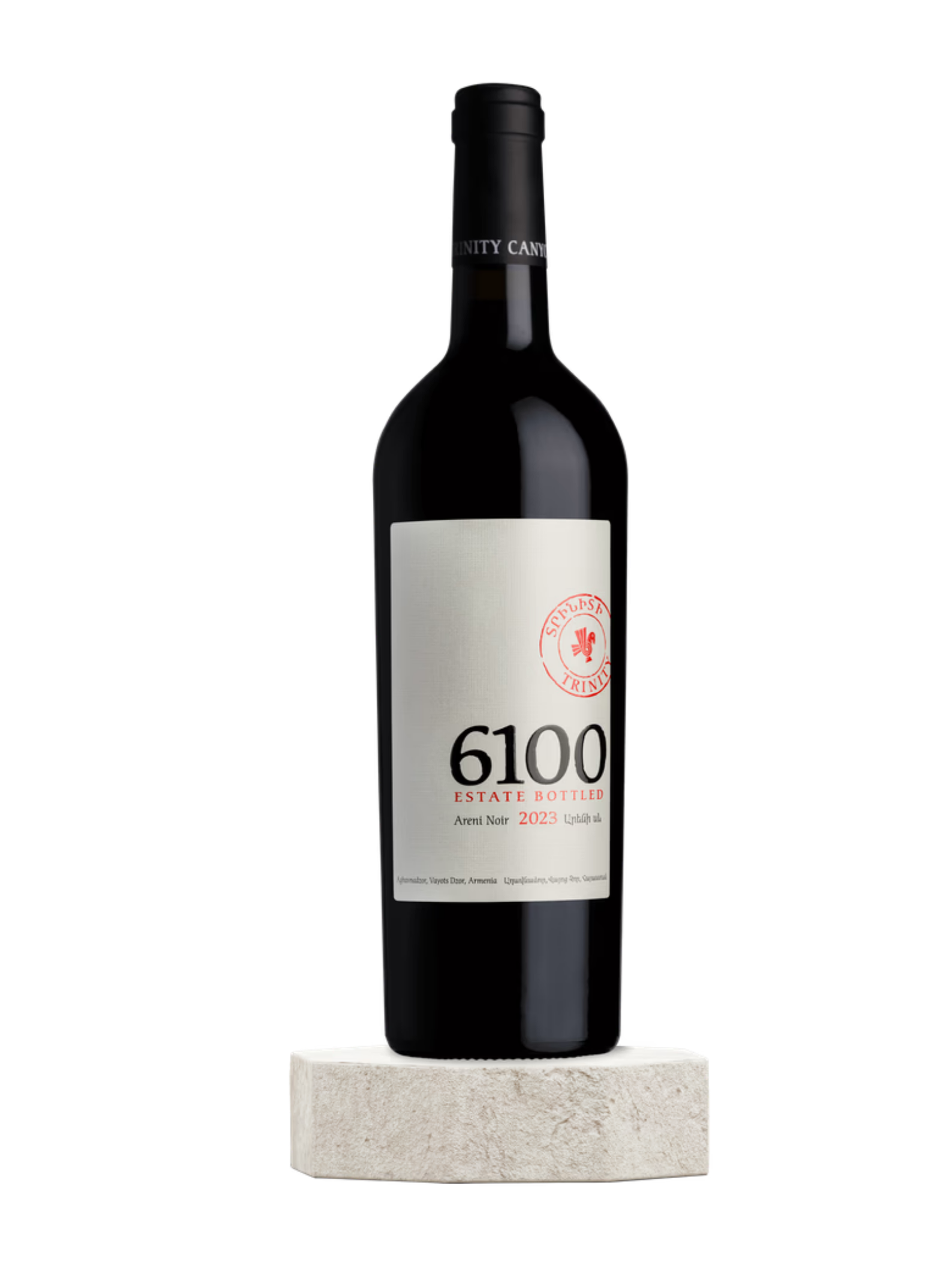
Trinity Areni Noir
This 100 percent areni noir, is organic and soft and elegant with lush red cherry and berry fruit. It has soft tannins and is sourced from high-altitude vineyards in Vayots Dzor.