
Beer Style Guide: Get to Know Lambic with Em Sauter

I know I use the word “unique” to describe beer styles a lot but in terms of utter uniqueness, it’s the lambic that may be the most unique beer style of them all.
Lambics are brewed in the Senne River Valley in and around Brussels, Belgium. Whereas in Germany, only certain beer styles can be brewed in certain places (for example, kolsch can only be brewed by breweries in and around the city of Cologne), these rules do not apply to other countries who can brew whatever they want; except when it comes to lambic. Lambic is a protected beer, meaning that breweries outside the Senne River Valley can brew lambic styles but cannot call them lambics. There is a governing body in Brussels called “Hoge Raad voor Ambachtelijke Lambikbieren” or HORAL (English translation: High Council for Traditional Lambic Beers) that oversees the lambic name and makes sure that when you drink a lambic, it must come from certain breweries/blenders in and around Brussels. In America, “spontaneous ale” is wording that is sometimes used to say it was brewed in the lambic style.
Lambic Brewing
Lambic brewing utilizes several intriguing brewing methods. The mashing is called “turbid mashing” which uses a high percentage of raw wheat and pilsner malt, filling the mash tun with grains and water and turning the wort (unfermented beer) into a liquid that looks a bit like watered down milk. Breweries like Cantillon have gears on the bottom of their mash tuns to keep the grain moving so nothing gets burned.
The boiling of this wort is boiled for usually several hours. Drie Fontainen in Beersel, Belgium boils for five hours. The beer is then put into a coolship, a large, shallow copper or steel pan and left to cool overnight with access to cold night air. Lambic breweries only brew in the winter as warm nights would create too much bacteria in the beer. Lambic brewers feel like the bacteria/yeast in the air in and around Brussels make their beer special and it’s true; it almost feels like magic.
After this overnight cooling, the fermenting beer is put into oak barrels (usually neutralized wine barrels) for a period of months to years. The fermentation process is all spontaneous meaning whatever was in the air that night is going to ferment the beer. Each barrel or blend can taste different.
Tasting Notes
Straight lambic is traditionally served from cask into stoneware jugs or even sometimes from the same vessels that serve boxed wine! This is allowed because lambic is served semi-sparkling or still. It’s very rare to see straight lambic in a bottle. With lambics, you’ll get flavors of tart apple, lemon, sometimes a whiff of rubber (I very much enjoy this aroma) or barnyard.
Straight lambics don't necessarily pair well with food, but they are a great aperitif before the first course of a meal.
Beers to Try
Cantillon Bruocsella 1900
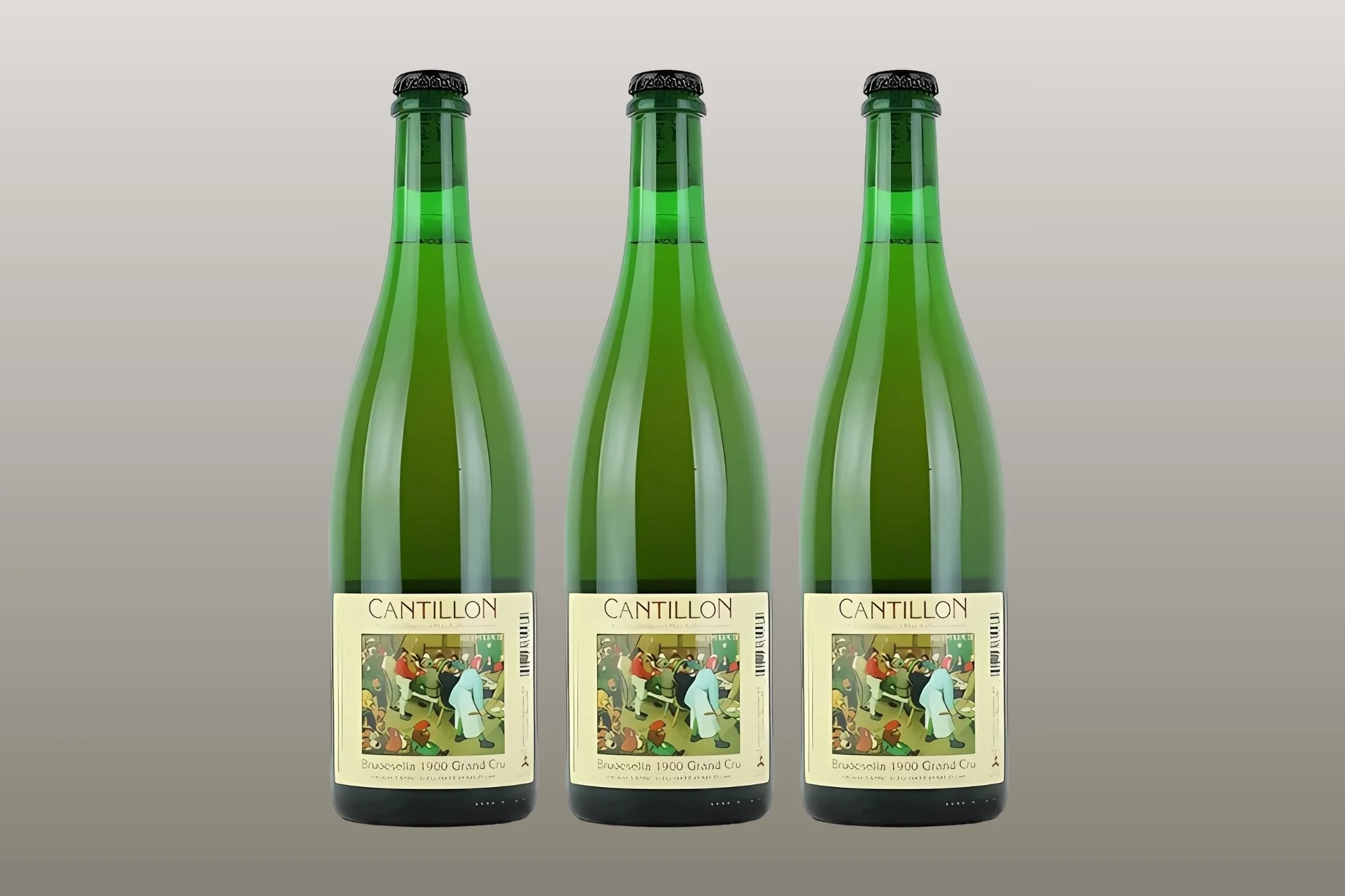
Cantillon Grand Cru Bruocsella
One of the only straight lambics that make it to shelves, I’ve only had this beer once and that was 11 years ago at the excellent Les Caves restaurant in Corvallis, Oregon. Bruocsella is left in oak barrels for three years and is not blended. If you want to try their straight lambic from an earthenware judge, you have to go to the source and visit Brussels.
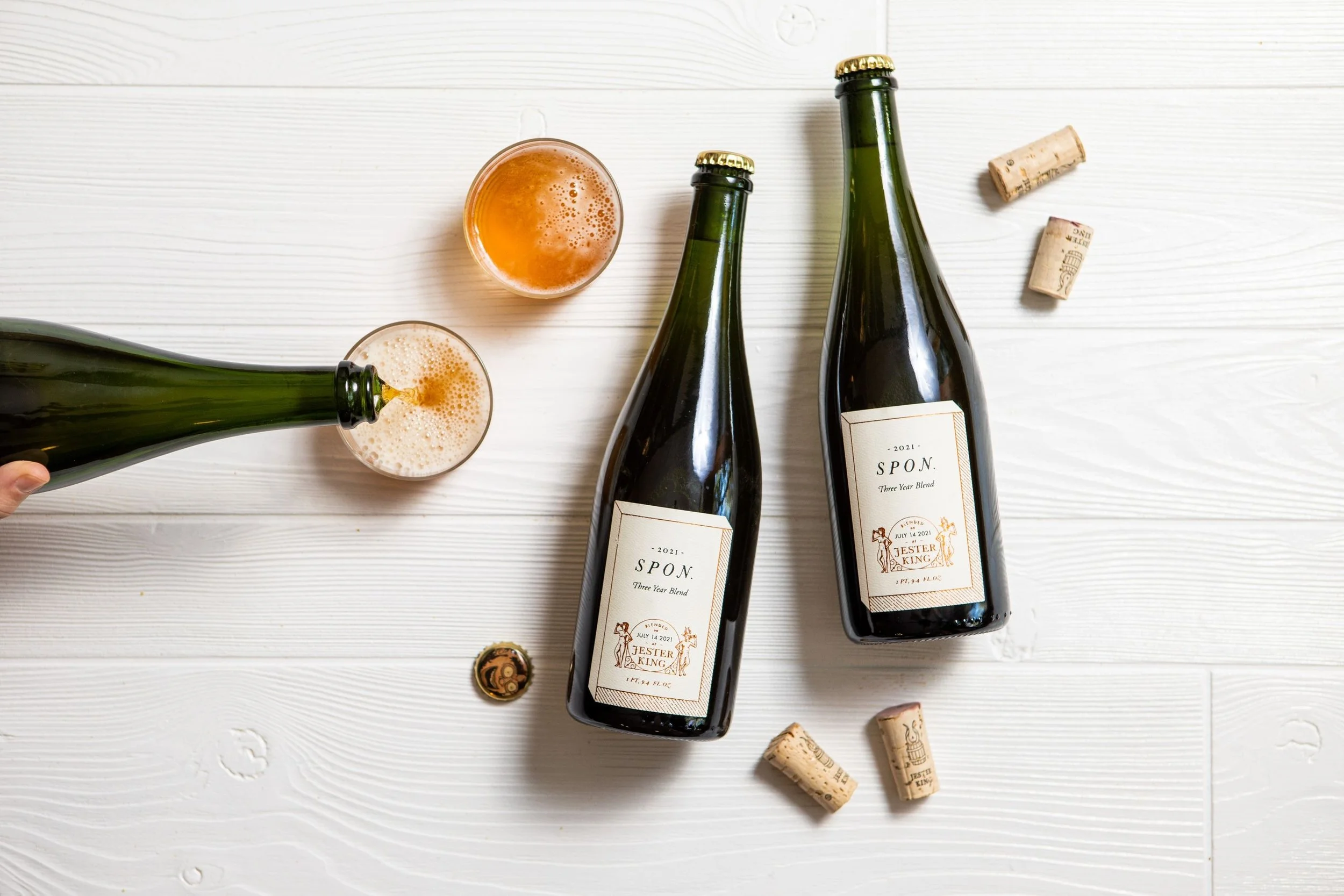
Jester King Spon 3 year blend
Austin, TX based Jester King was one of the first breweries in America to lean into the inspiration of lambics. They package straight lambic in bottles or in wine bags a la boxed wine from their brewery. Check their website for availability.
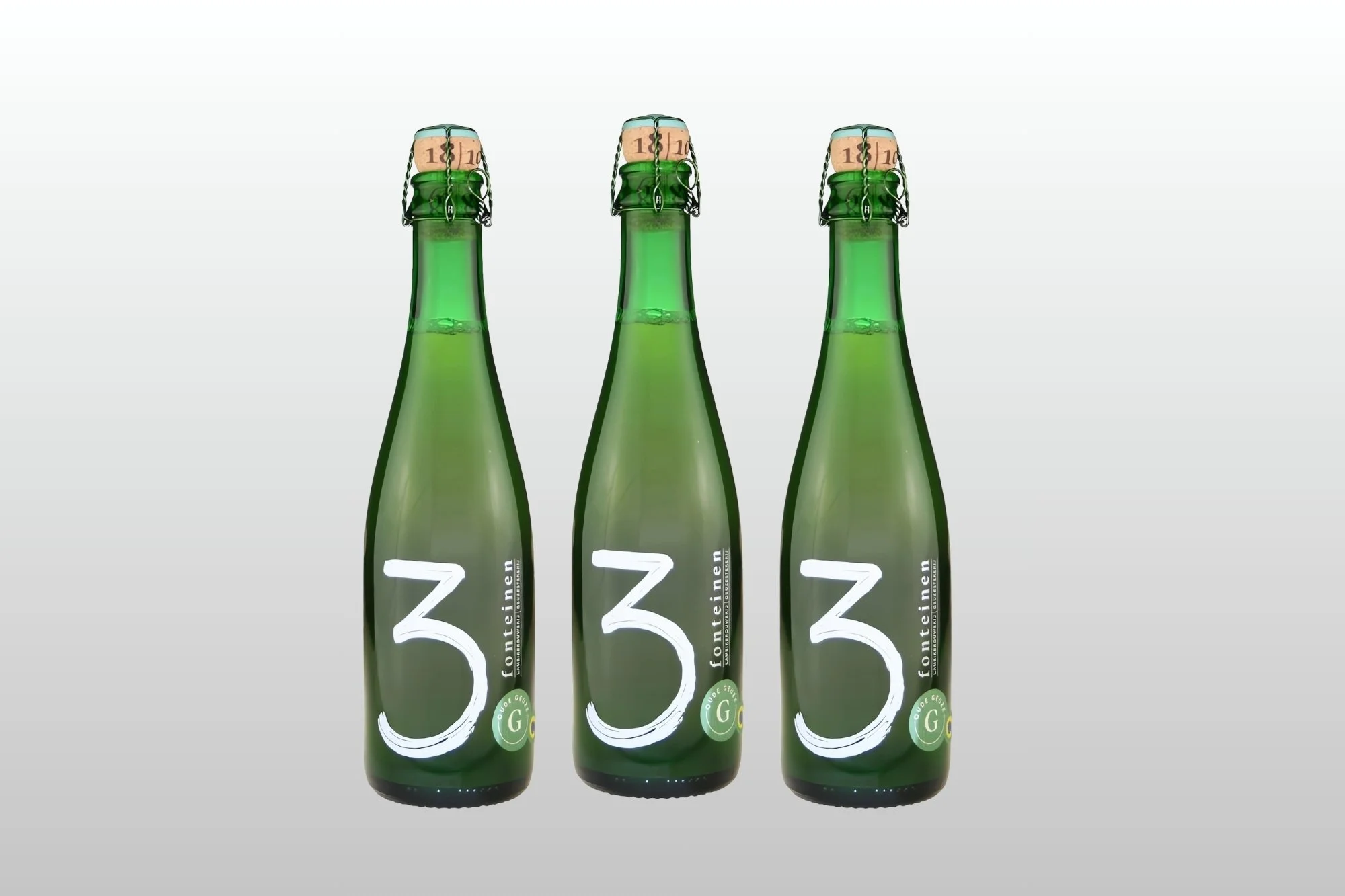
Drie Fonteinen Lambic
Pronounced “Dree Fontanin,” is a lambic brewery south of Brussels in the town of Beersel. Their tasting room is warm and inviting and it’s one of the only places to try a glass of their straight lambic as opposed to their fruit lambics.