
Classic Cocktails in History: The Strange San Fransisco Story of Pisco Punch
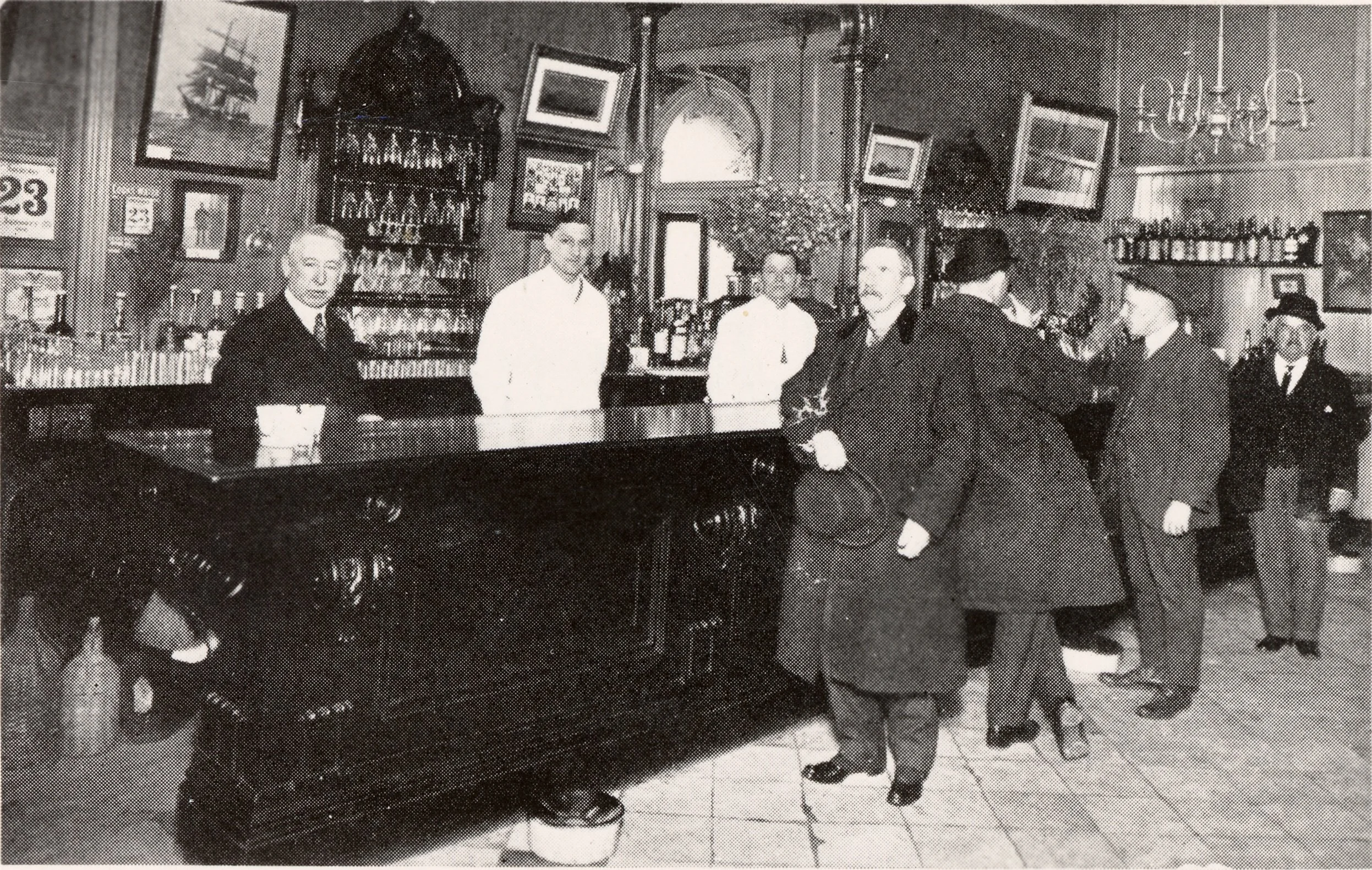
Bank Exchange Saloon
Many cities have signature drinks, though not all remain in the limelight. Pisco Punch was once to San Francisco what the Singapore Sling is to Singapore. Visitors to each city were practically obligated to make a pilgrimage to the cocktail’s birthplace – the Raffles Hotel or in case of Pisco Punch, the Bank Exchange Saloon, which closed permanently around 1920, due to Prohibition. While the drink is still served today, it is unlikely to be the original recipe.
The Birth of Pisco Punch
San Francisco’s Bank Exchange Saloon was located in the Montgomery Block, a building constructed in 1854 during the California Gold Rush. It was a city block in size, huge for its time, with three floors of offices above the ground-floor retailers. One of those retail spaces held The Bank Exchange Saloon, a bar with a few previous owners that passed into the hands of Duncan Nicol – later nicknamed “Pisco John.” It was under Nicol’s direction toward the end of the century that a Pisco Punch, a punch with pisco unaged grape brandy from Peru in it, became The Pisco Punch, an iconic cocktail known ‘round the world.
Famous and Flammable Pisco Punch

Pisco Punch by Ministerio de Relaciones Exteriores is licensed under CC BY-SA 2.0.
The drink was famously delicious, and also famously strong. It “could make a gnat fight an elephant,” according to one writer, and another described its effects as somewhere between hashish and absinthe. Others described it in drug-like terms. We know from records that the drink had fresh lemon juice, and early reports mention bits of pineapple floating in the drink. But pisco isn’t stronger than other spirits, and the other ingredients are nonalcoholic, so what else was in the Pisco Punch that made it pack a wallop?
We’ll never officially know, because Pisco John took his secret recipe to the grave during Prohibition in 1926. “Mr. Volstead can't take the secret from me,” he said in a story written in the San Francisco Chronicle in 1921 during Prohibition, referring to the Volstead Act.
Historians of the drink have theorized that the secret ingredient could have been cocaine. That drug was not only legal until 1907 in California, but it was also available in many different forms. The coca tree is indigenous to the Andes mountains – the same part of the world from which we source pisco. The tree leaves could have been infused into the base spirit, but there were other options. Cocaine was isolated from coca tree leaves in 1855, so the purified form could also have been used in the beverage. The powder was already found in many patent medicines like cocaine tooth drops for numbing dental pain, and in cough syrups.
Coca-Cola originally contained cocaine, and was sold as a soda fountain syrup and patent medicine advertised as a cure for several disorders including indigestion and nerves. Coke was invented by John Pemberton in 1886 as a non-alcoholic version of Pemberton’s French Wine Coca nerve tonic after Pemberton’s home of Atlanta passed local prohibition.
French Wine Fortified with Something Potent
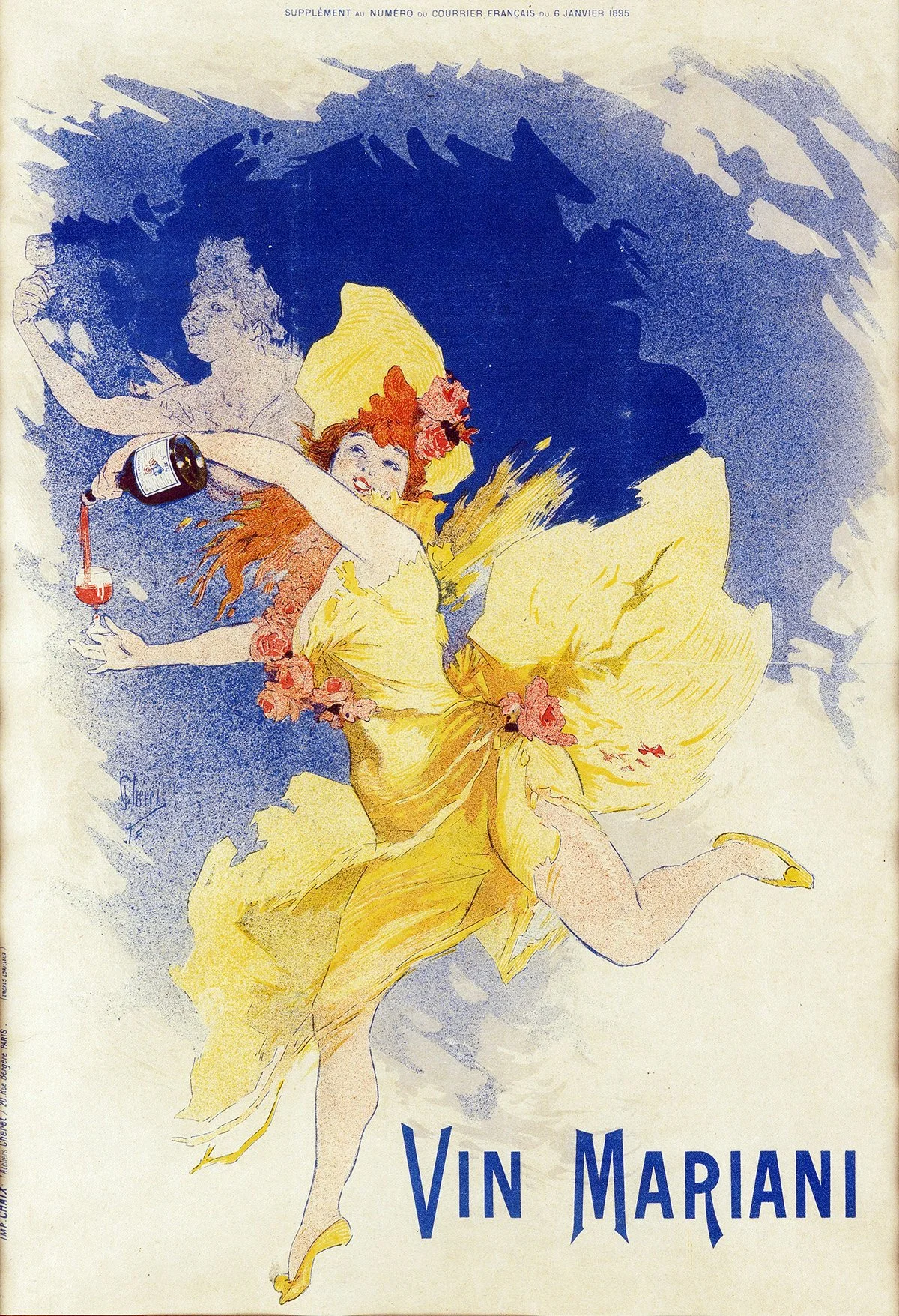
Pemberton’s French Wine Coca, in turn, was probably a copycat of Vin Mariani – an incredibly popular product of French wine infused with coca leaves. Vin Mariani was marketed as a health tonic and restorative (“fortifies and refreshes body & brain, restores health and vitality”) – and boy was it ever marketed! Ads for the product included endorsements from the most famous people in the world, including scientist Thomas Edison, actress Sarah Bernhardt, author Jules Verne, Queen Victoria, and even two popes. Vintage newspapers are filled with ads for the product with illustrations of its endorsers – which brings us back to San Francisco.
The San Francisco Chronicle published ads from Vin Mariani during the same era that the Pisco Punch was a popular drink in town. Mariani advertisements in the Chronicle from the late-1800s feature composer John Philip Sousa, “Her Imperial Majesty Empress Marie Feodorowna of Russia,” and Pope Leo XIII.
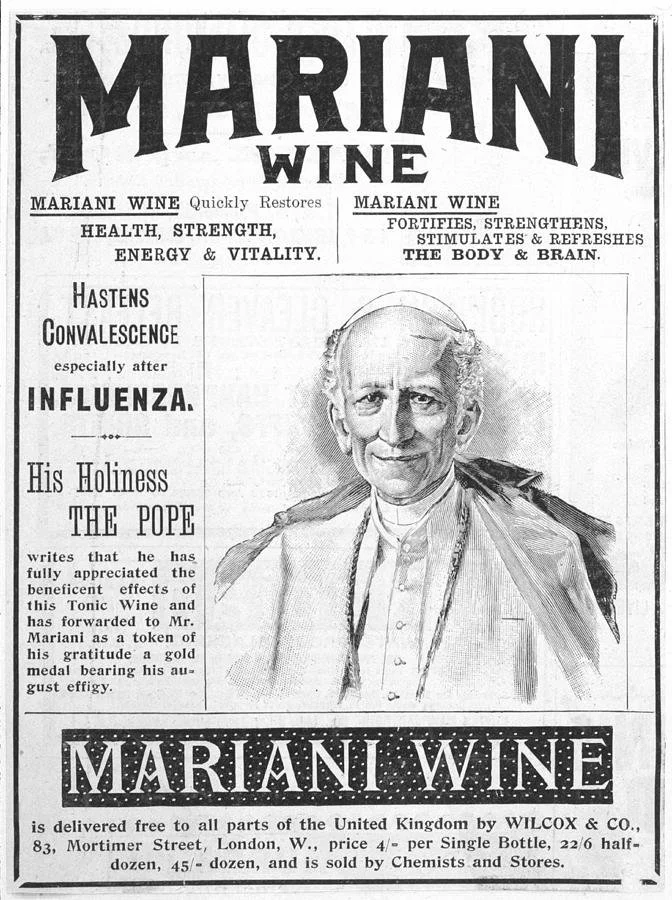
Advertisement for Mariani Wine featuring Pope Leo XIII
Could Vin Mariani have been an ingredient in the Pisco Punch? Some people theorize it could have been, due (entirely?) to a quote by Rudyard Kipling, author of The Jungle Book. In his 1899 book From Sea to Sea, he described a lost drink called the Button Punch (that some people think was a predecessor of Nicol’s version) as "compounded of the shavings of cherub's wings, the glory of a tropical dawn, the red clouds of sunset and the fragments of lost epics by dead masters."
It's probably a stretch to conclude that the red clouds mentioned in the drink’s praise indicate that the cocktail itself was red in color - and made that way by the red coca wine Vin Mariani. But it does make for a tempting narrative. And even if the Pisco Punch never contained any cocaine, people could still pick up a bottle of Vin Mariani at the store to put some pep in their step.
In San Francisco today, it is a tradition among many bars to include extra or even “secret” ingredients in their house Pisco Punch, beyond the pisco, citrus, and pineapple syrup. A few bartenders add fortified red wines into the recipe, in a nod to the drink’s tradition… or at least to speculation.