
Can You Actually Prevent a Hangover? What the Science Says
Imagine enjoying an evening of wine or cocktails without worrying about how you'll feel the next morning. It's an appealing proposition, and one that hangover-prevention products promise to deliver.
From engineered probiotics to plant-derived supplements and electrolyte drinks, these products offer different approaches to the same problem: preventing or relieving the unpleasant consequences of drinking too much alcohol. There's considerable commercial interest. A commercial market estimate valued the global hangover-cure-products market at more than US$3 billion in 2025, including products marketed for both prevention and relief.
And hangovers aren't necessarily just uncomfortable. A 2018 systematic review found that people experiencing hangovers were slower on tasks requiring coordinated mental and physical responses, even when their blood alcohol levels had fallen to very low levels.
So there's an appealing promise behind these products: enjoy the evening without sacrificing the next day. But how much of the science supports it? The important distinction is between a product having a plausible biological mechanism and evidence that it actually makes people feel better.
Why are hangovers so difficult to prevent?
A hangover may feel like one problem, but it reflects several effects of alcohol on the body.
The National Institute on Alcohol Abuse and Alcoholism (NIAAA) explains that alcohol can contribute to dehydration, disrupt sleep, irritate the stomach, and trigger inflammation. These effects can contribute to symptoms such as headache, nausea, and fatigue.That makes the search for a simple remedy challenging. Even if a product successfully targets one biological process, it may not meaningfully change how someone feels the next morning.
One frequently discussed compound is acetaldehyde, a toxic by-product produced as the body breaks down alcohol. It's an attractive target for hangover products because the proposition sounds straightforward: reduce acetaldehyde, reduce the hangover.
However, a 2020 review of alcohol metabolism found that hangover severity was more closely associated with alcohol exposure and how quickly alcohol was cleared from the body than with blood acetaldehyde concentrations.
That doesn't mean acetaldehyde is irrelevant. It means that successfully breaking it down doesn't, by itself, establish that a product prevents hangovers.
Does drinking water help?
Drinking water
Many people assume dehydration is the main reason they feel terrible after drinking. That makes drinking water before bed, or alternating alcoholic drinks with water, seem like an obvious prevention strategy.
But the research is less convincing than the conventional wisdom.
A 2024 review examining hydration and hangovers found that survey participants reported only a modest benefit from drinking water during or immediately after alcohol consumption to prevent next-day symptoms. These self-reported findings don't establish that water reliably prevents hangovers. The same review found that the amount of water people drank once hungover was not associated with improvements in hangover severity.
Water may still help relieve thirst. The important distinction is that addressing dehydration isn't necessarily the same as treating the hangover. Similarly, the NIAAA reports that research hasn't demonstrated that added electrolytes reduce hangover severity.
What about ZBiotics and hangover probiotics?
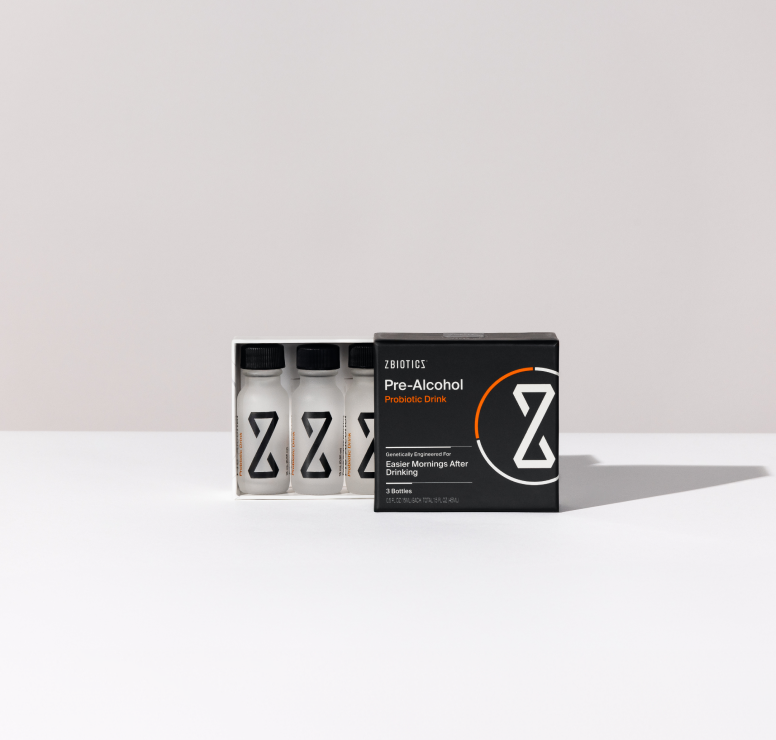
ZBiotics Pre-Alcohol
One interesting approach comes from ZBiotics Pre-Alcohol, a product containing an engineered strain of the bacterium Bacillus subtilis, designed to break down acetaldehyde in the gut.
There is science behind this mechanism. In a 2024 company-funded laboratory study, researchers demonstrated that the engineered bacterium could break down acetaldehyde under conditions intended to simulate the gut. But that research examined the bacterium's biological activity. It didn't establish whether people taking the product experienced fewer or less severe hangover symptoms.
Those are two different questions.
In my evidence review, current to September 2026, I did not identify a peer-reviewed human trial directly demonstrating that ZBiotics Pre-Alcohol or its engineered ZB183 strain reduces next-day hangover symptoms. I also did not identify peer-reviewed human research directly evaluating safety or tolerability after ingestion.
That doesn't establish that the product doesn't work. It means the published evidence I identified doesn't yet establish the outcome consumers are buying it for.
There is some preliminary evidence involving other microorganisms. A 2025 randomized, placebo-controlled study involving 28 participants found lower hangover symptom scores after participants received a different microbial preparation compared with placebo. It's an interesting finding, but the study was small and involved a different microbial strain. Its results cannot simply be transferred to ZBiotics or other probiotic products.
Can DHM supplements prevent hangovers?
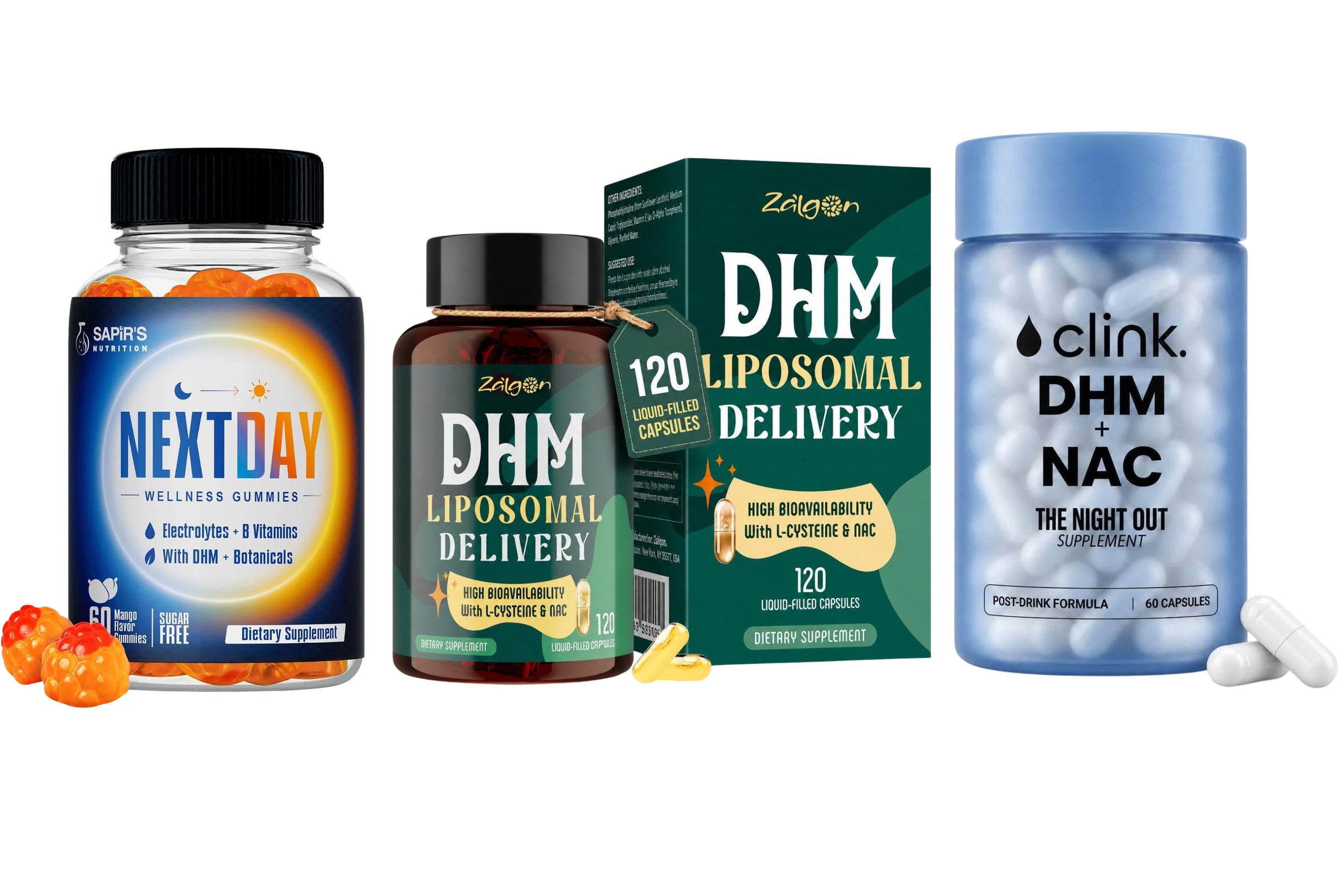
DHM supplements
Dihydromyricetin, commonly called DHM, is another ingredient promoted for hangover prevention. DHM is a plant-derived compound found in species including Hovenia dulcis, and a 2026 systematic review examined its potential effects on alcohol-related conditions.
The review identified substantial laboratory and animal research, but the human evidence relevant to hangovers came from only two small studies involving extracts of Hovenia dulcis. Those extracts contained multiple compounds, including DHM. This matters because a positive result with a plant extract doesn't establish that isolated DHM produces the same benefit.
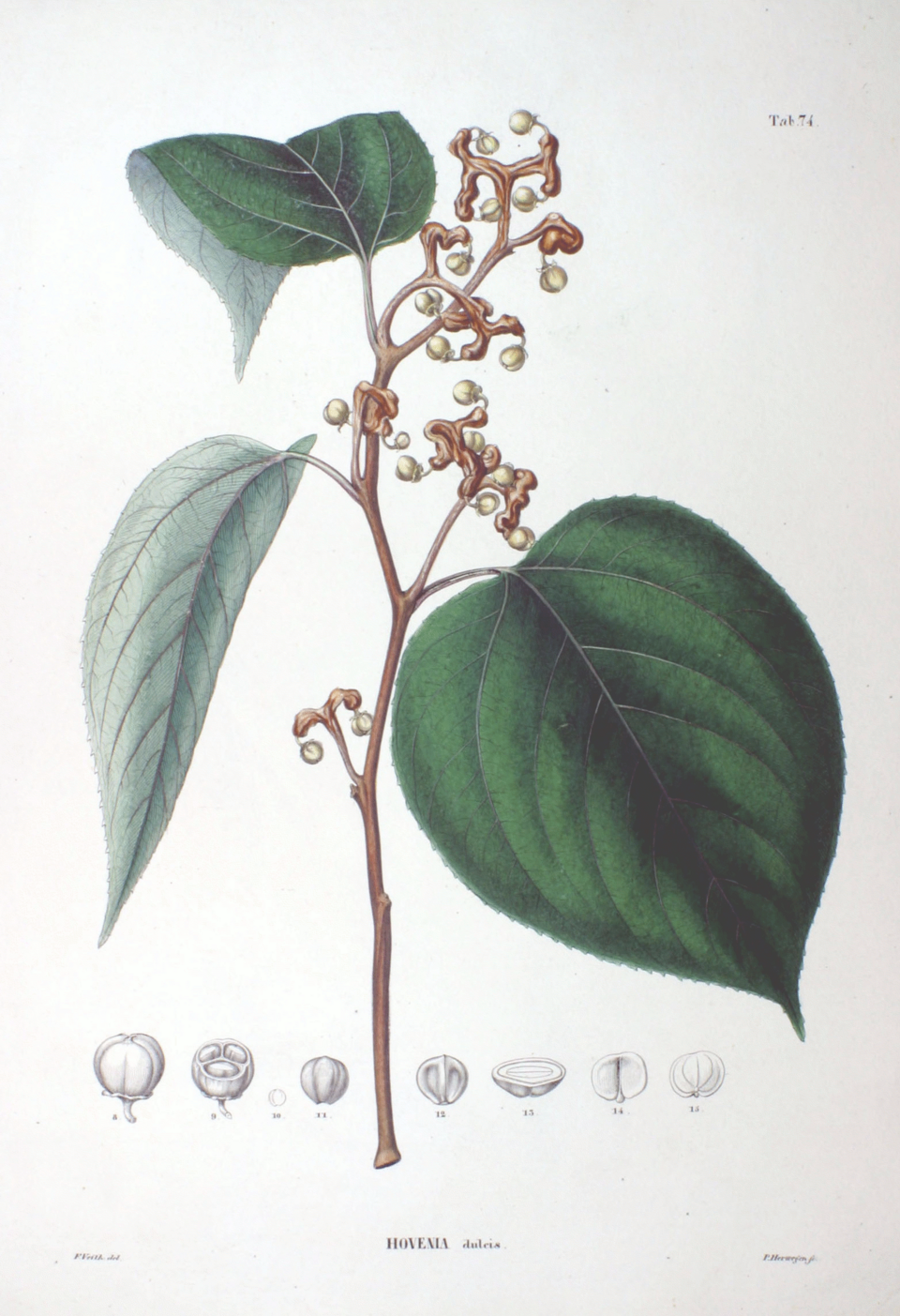
Hovenia dulcis
The 2026 review identified no human hangover trials directly testing isolated DHM itself. The available human studies examined extracts containing several compounds, so their results cannot confidently be attributed to DHM alone. While the biological research is interesting, it doesn't yet demonstrate that a supplement containing isolated DHM will prevent or reduce a hangover.
What if the hangover has already started?
Hangover
As noted above, neither water nor added electrolytes appears to substantially reduce hangover severity. But hydration is only part of the picture.
Sleep is another consideration. The NIAAA explains that alcohol can fragment sleep and cause earlier waking, contributing to next-day fatigue.
Common pain relievers also require caution. The NIAAA warns that ibuprofen can irritate the stomach around alcohol consumption, while combining acetaminophen with alcohol can pose a risk of liver toxicity.
And improving one symptom isn't the same as eliminating a hangover.
Feeling better also doesn't mean sobering up faster or being protected from alcohol-related harm. As the NIAAA notes, there is no way to speed up the brain's recovery from alcohol consumption.
What does the overall research tell us?
Individual positive studies can make a hangover remedy sound promising. But a broader view of the evidence tells a more cautious story. A 2022 systematic review published in Addiction identified 21 randomized, placebo-controlled trials of hangover interventions, involving a total of 386 participants. The researchers found that no intervention had been evaluated in more than one included study, and they rated all efficacy outcomes as very low-quality evidence.That means the review could not establish whether promising findings would be reproduced across independent trials of the same intervention.
The findings don't prove that every hangover remedy is ineffective. Instead, they highlight how limited the evidence remains for confidently recommending any particular product.
For consumers, retailers, and beverage-industry professionals, this suggests a few useful questions when evaluating new products:
Has the exact product or ingredient been tested in people, rather than only in laboratory experiments or animals?
Did the study measure next-day hangover symptoms, rather than simply a biological marker?
Were the results compared with a placebo, and have they been reproduced in other trials?
Was the difference large enough to matter to someone experiencing a hangover?
These questions help distinguish interesting science from demonstrated consumer benefits.
The bottom line
The appeal of hangover-prevention products is easy to understand. For a relatively small purchase, they offer the possibility of enjoying an evening out without sacrificing the following morning.
Some products have plausible biological mechanisms, and some preliminary studies have reported positive findings. But considered together, the 2022 systematic review and the more recent research discussed above still don't provide strong enough evidence to conclude that marketed hangover-prevention products reliably deliver meaningful next-day relief.
As the NIAAA advises, drinking less alcohol remains the most dependable way to reduce the likelihood of a hangover. For anyone considering a supplement or remedy, the most useful question isn't whether the science behind it sounds convincing.
It's whether the actual product has been shown to make the next morning meaningfully better.