
The Science Is In: What Really Causes Wine Headaches

The unwelcome side effects that can result from drinking wine, including headaches and hangovers, are a common complaint, particularly among red wine drinkers. Determining why you’re experiencing symptoms begins with understanding the compounds in wine that can cause problems and then taking measures to reduce their negative effects.
Thanks to new research about quercetin, the list of culprits in wine falls into three primary categories: tannins, biogenic amines (BAs), and alcohol. While the compounds that trigger a headache or hangover for one individual may have no impact on another, alcohol impedes our ability to metabolize them and, in the case of the amine histamine, even stimulates the production of more. Although the synergy between these compounds is complex, once you’ve determined which are responsible for triggering your individual response, it’s very likely you can reduce or even eliminate their effects.
Culprits Contributing to Wine Headaches

Four culprits can contribute to wine headaches and their mechanisms:
Tannins, specifically quercetin, are plant pigments in red wine that inhibit the aldehyde dehydrogenase (ALDH) enzyme leading to a buildup of acetaldehyde, a toxic by-product of alcohol metabolism that causes hangovers and headaches.
Biogenic amines (BAs), histamine, one of many amines that are found in grape skins, can cause inflammation in individuals who lack the diamine oxidase (DAO) enzyme to break them down. Alcohol also blocks this enzyme and triggers the release of more histamine.
Alcohol is always a factor as it dilates blood vessels and can causes dehydration but its role as a catalyst contributes even further to headaches.
Sulfites, added preservatives that are linked to shortness of breath in suffers of acute asthma, skin irritation, and headaches in those who are allergic.
Red versus White Wine
The role of tannins

Red wine is far more likely to cause headaches than white wine. Photo credit Kelsey Knight
Tannins in wine play a dual role in health. They act as prebiotics, feeding beneficial gut bacteria, increasing microbial diversity, and promoting beneficial species of flora. The gut microbiome metabolizes them into powerful antioxidants, and with moderate consumption, they improve overall gut health.
Due to higher amounts of both tannins and BAs, red wine is far more likely to cause headaches than white wine. While BAs can pose challenges for wine drinkers who are particularly sensitive to them, quercetin has now been identified as the likely culprit for most wine headaches.

Quercetin is found in grapes and red wine
Why Quercetin matters
Quercetin, a pigment found in many plants, fruits, and vegetables is one of the most common and well-researched flavonoids. With more antioxidant power than vitamin C, E, or beta carotene, it is highly beneficial to human nutrition. However, high levels of quercetin like those found in ultra-premium red wines can interfere with the metabolism of alcohol by inhibiting the production of aldehyde dehydrogenase (ADLH), an enzyme produced by the liver that breaks down acetaldehyde. When acetaldehyde isn’t metabolized fast enough, it builds up triggering headaches and hangover symptoms like flushing, headaches, and nausea.
The amount of quercetin present in red wine begins in the vineyard. Studies have found prolonged sunlight exposure during the growing season produces grape clusters with as much as 10 times higher quercetin content than in clusters that were shaded. In 2023, researchers at the University of California, Davis identified vineyard practices (trellised vines, crop thinning, leaf removal) commonly used to produce ultra-premium wines that lead to higher production of quercetin. While increased levels of quercetin are directly linked to viticultural practices, wine-making techniques including extended extraction, oak aging and storage temperatures can also contribute.
The way we metabolize compounds like tannins and BAs varies and is likely linked to our genetics. For example, about 40 percent of Eastern Asians have a dysfunctional form of ADLH which is why they experience facial flushing and headaches when drinking alcohol. In highly sensitive individuals, tannins can also increase serotonin release in the brain with the potential to trigger migraines.
It’s not sulfates. but those amines …
Sulfites have been ruled out as the root cause of wine headaches, but the misconception that sulfur dioxide (SO2) causes adverse reactions to wine consumption is still often perpetuated by the media. Instead, what’s been identified as a primary source of adverse reactions to no- and low-sulfur red wines, particularly by histamine-sensitive consumers, are biogenic amines (BAs).

Sophie Parker Thomson photo credit Jim Tannock
Biogenic amines, which include histamine, are a family of compounds that occur in wine as a byproduct of fermentation and malolactic conversion. These organic compounds are produced by yeasts and lactic acid bacteria during a process that reduces the carboxyl group in amino acids and raises the pH, creating a more hospitable environment for the growth and survival of the lactic acid bacteria.
As a result, several different amines are produced, with tyramine and histamine being the most frequent and problematic. Together, they can cause a synergistic reaction known as “biogenic amine toxicity.” Individuals who lack sufficient levels of diamine oxidase (DAO) enzyme to break down amines experience side effects that can be characterized by headaches, migraine, nausea, vomiting, and hypertension.
Curiously, some no- and low-sulfur wines contain elevated BAs levels, while others contain none. In cellars where BAs levels are high, a combination of higher pH musts, native ferments, and no- or low-sulfur additions at the end of malolactic conversion are the key contributing factors. The resulting wines let lactic acid bacteria remain metabolically active, which leads to increasing amounts of amines produced during aging. To prevent BAs from forming, winemakers can inoculate for malolactic conversion, ensure pH levels remain low, and use SO2 to keep the microbial load to a minimum.
The synergistic effect of alcohol also plays a role in the presence of BAs. Sophie Parker-Thomson, MW, notes that the effects of BAs in wine are heightened due to ethanol and acetaldehyde, compounds that occur naturally in wine and inhibit our body’s ability to detoxify those effects. In her study of 100 New Zealand sauvignon blancs, Parker-Thompson makes a compelling argument for establishing a low-BAs category of wine. Her analysis revealed very high BAs concentrations in zero- and low-SO2 wines. “It is beyond coincidence that symptoms of biogenic amine toxicity mirror the anecdotal evidence for adverse reactions [i.e., headaches and hangovers] from wine consumption.”
Enjoyed alone, wines with normal levels of BAs aren’t likely to trigger a reaction. But sensitive consumers who unwittingly pair wines that have elevated BAs levels with foods (including aged cheese and charcuterie) that are rich in amines are at far greater risk for adverse reactions. Alcohol and some medications, including statins, also increase BAs’s toxic effects.
Alcohol Amplifies Effects
Alcohol’s role in wine headaches is twofold. As a diuretic it can cause dehydration and it also opens blood vessels in the brain by triggering the release of substances like nitric oxide (NO) and calcitonin gene-related peptide (CGRP). Increased blood flow to the brain triggers inflammation which causes the throbbing sensation that can accompany a headache. Because CGRP acts as a chemical messenger that translates alcohol's effects into pain and inflammation, medications developed for treating migraines are showing potential for preventing and treating alcohol-induced hangovers.
But alcohol’s primary role in wine headaches is as a catalyst that amplifies the effects of both tannins and BAs.
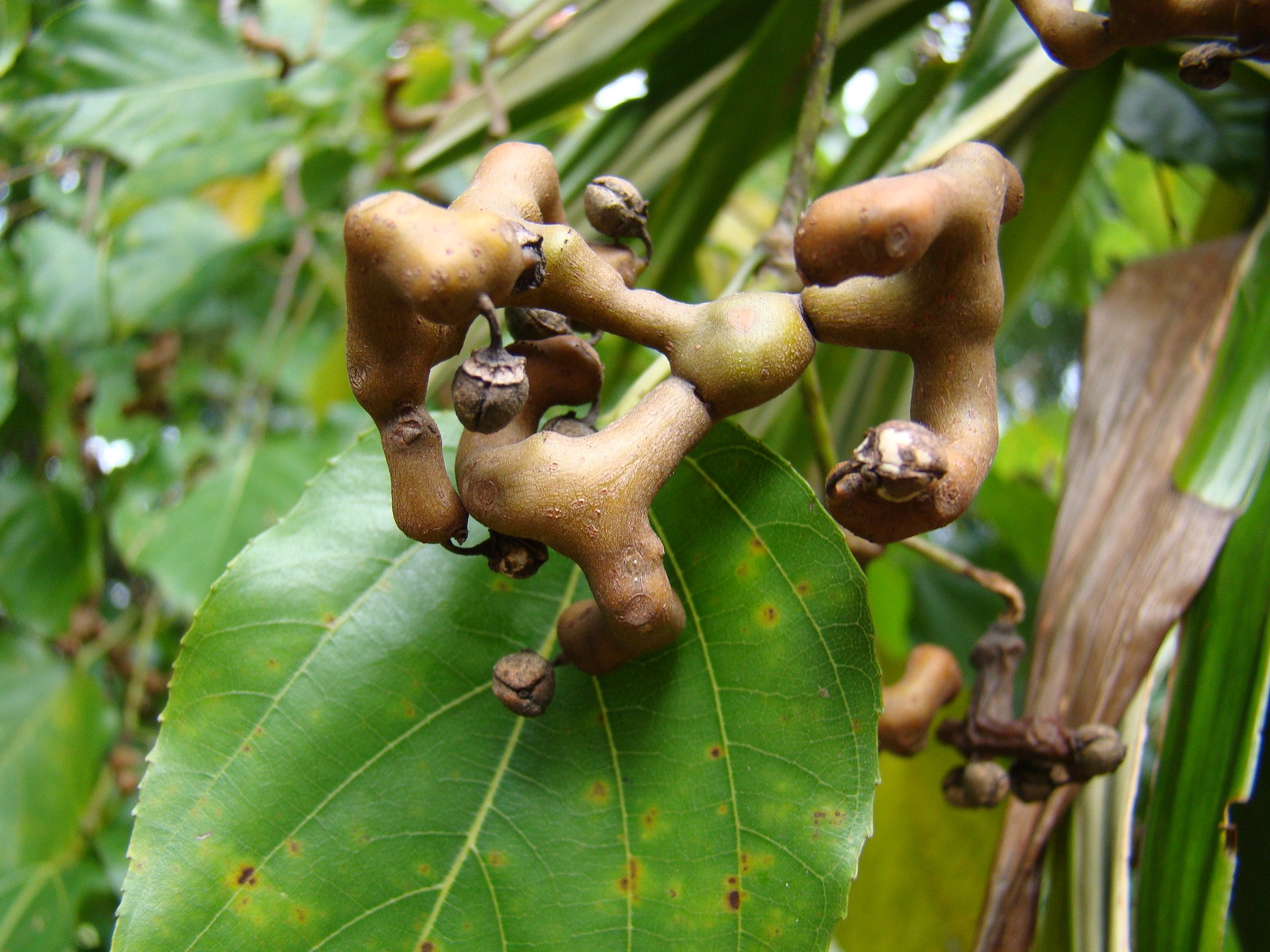
Hovenia dulcis photo credit Mauro Halpern
Alcohol creates a synergistic reaction that increases quercetin's negative effects by inhibiting the action of the enzyme ALDH which is responsible for breaking down the acetaldehyde created during alcohol metabolism. When acetaldehyde builds up, it results in inflammation and headaches in susceptible individuals.
As described earlier, alcohol blocks the DAO enzyme which is responsible for metabolizing histamine in the gut. Just as with acetaldehyde, amines build up and release causing headaches. The presence of acetaldehyde also competes with amine breakdown and the combination can overwhelm your system triggering inflammation and dilating blood vessels.
For lovers of the red wine styles that are most likely to produce a headache, there may be some relief in sight in the form of dihydromyricetin (DHM), a compound extracted from the Japanese Raisin Tree, Hovenia dulcis. DHM is widely known for its ability to promote alcohol metabolism in the liver and reduce hangover symptoms by interacting with brain receptors to speed up alcohol metabolism and lessening toxic byproducts like acetaldehyde.
Unlike ibuprofen which inhibits the chemicals that signal pain, DHM works at a molecular level to manage alcohol's impact on the central nervous system and liver. While DHM supports the body’s ability to break down alcohol and lessens its intoxicating effects, it doesn’t directly influence the specific metabolic pathway involving quercetin’s conversion to quercetin glucuronide which results in acetaldehyde buildup.
How to Prevent & Manage Wine Headaches
Choose white wine or lower-tannin, lower-alcohol red wines.
Enjoy wine with food to slow alcohol absorption.
Moderate consumption and consume slowly.
Stay hydrated, drink a glass of water for every glass of wine.
Have a cup of coffee or tea before drinking. Caffeine can help restrict the blood vessels in your brain.
For the histamine sensitive, consider using a non-drowsy antihistamine before drinking.
Boost your DAO level and speed up your metabolism with certified supplements (always check with a physician first).
Track your symptoms and note which wines trigger headaches.