
6 French Whiskeys to Try Now

French whiskey brands that belong on your radar
French whiskey has been around for a lot longer than what one might think. For some people, though, the category’s longevity is far from the biggest surprise. Rather, it’s that French whiskey exists in the first place.
It has been since 1983, when Warenghem Distillery began making juice in the coastal region of Brittany, within the town of Lannion. Not surprisingly, a trip to Scotland served as the inspiration to deviate from its tradition of producing liqueurs, but it wasn’t a carbon copy of what they witnessed. The first bottle released in 1987 was a blend of 25% barley and 75% grain whiskey, as opposed to 100% barley like the Scots produce.
Seeing such a spirit hailing from France may look unusual at first glance, but it’s actually quite logical. France is no stranger to distilling, as evidenced by its long history of Cognac production. The country is a European agricultural powerhouse; in 2024, it yielded some 53.5 million cereal grains. They also know a thing or two about making oak barrels. They have the know-how and materials to produce outstanding whiskey.
Unlike Cognac, Armagnac, Calvados, or wine, French whiskey does not carry an Appellation d’Origine Contrôlée (AOC). Theoretically, this gives distillers the freedom to experiment with different styles, aging techniques, barrel finishes, and the like. But there are some parameters in play. France’s two key whiskey-producing regions, Brittany and Alsace, carry Indication Géographique Protégée (IGP) designations that set parameters on whiskey production. The former region is much less restrictive than the latter.
These elements ultimately coalesce into a unique whiskey category containing references to other styles without overtly copying anything, making a dive into French whiskey worth the plunge. With that in mind, here are a half-dozen ideal bottles to start such a journey.
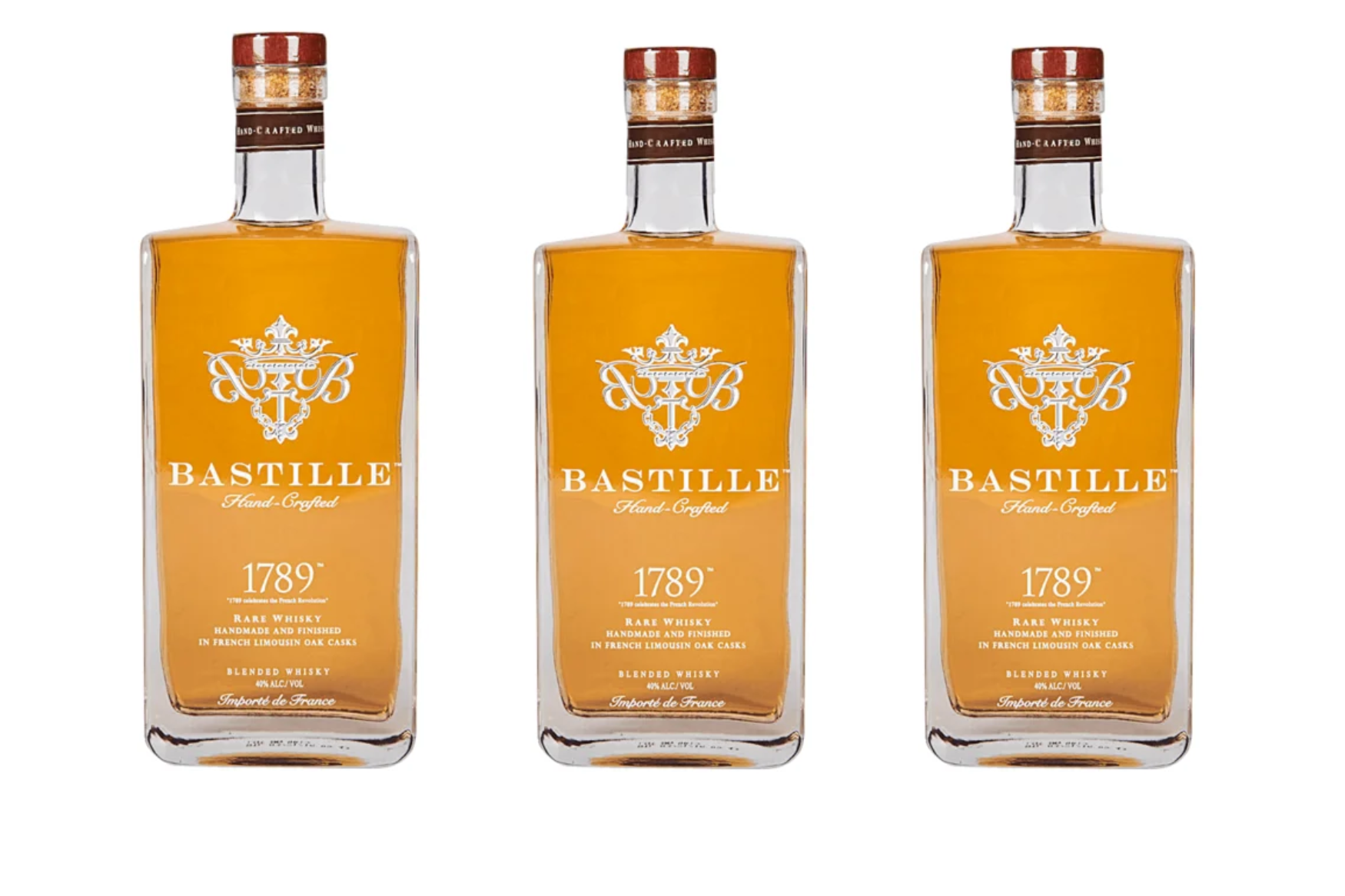
Maison Daucourt’s Bastille 1789. Photo credit Heavenly Spirits
If you paid attention in world history class, you already know what the name of this whiskey references: the storming of the Bastille. But this blended whiskey has more going for it than a clever name. Produced from malted barley and wheat and aged for an undisclosed spell in French Limousin oak, this whiskey lands soft on the palate with luscious fruit and nuanced spice. The gentle, approachable profile makes Bastille 1789 an easy entry point into the world of French whiskey, especially for drinkers that tend to gravitate toward sweeter brown spirit profiles like wheated bourbons.
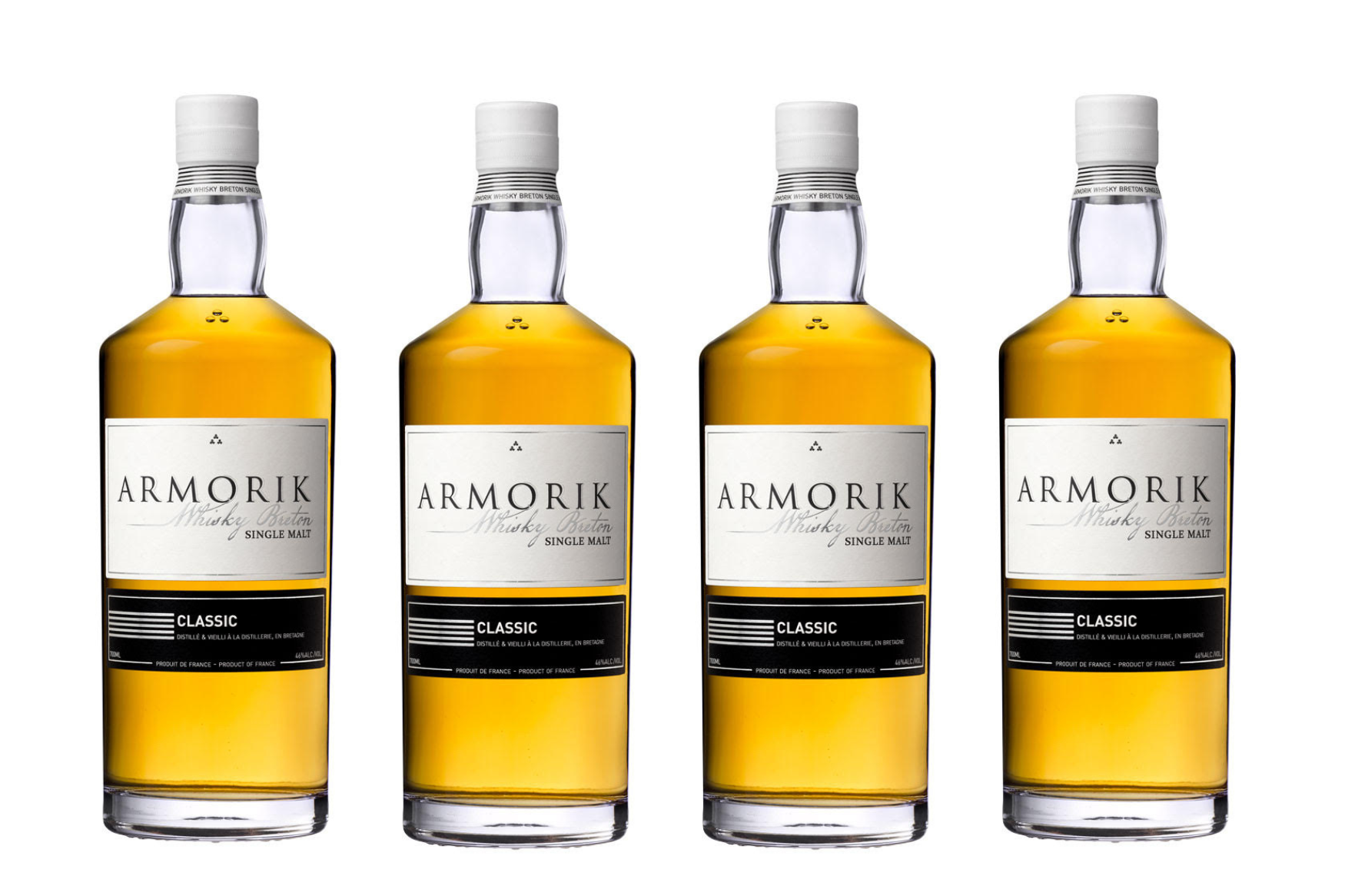
Warenghem Distillery’s Armorik Classic Single Malt. Photo credit Warenghem Distillery
It feels appropriate to highlight Warenghem Distillery on any list of French whiskey producers. After all, the distillery essentially invented the category. There’s more to its innovation than mere invention: In 1998, it released France’s first-ever single malt expression, Armorik. While Warenghem produces several single malts under the Armorik label today, the Classic expression tends to garner the most attention from imbibers in the know. Made with 100% French barley and matured in bourbon casks of varying ages, the award-winning whiskey boasts a complex profile of fresh fruit and nuanced toasted spice with a warm, lengthy finish.
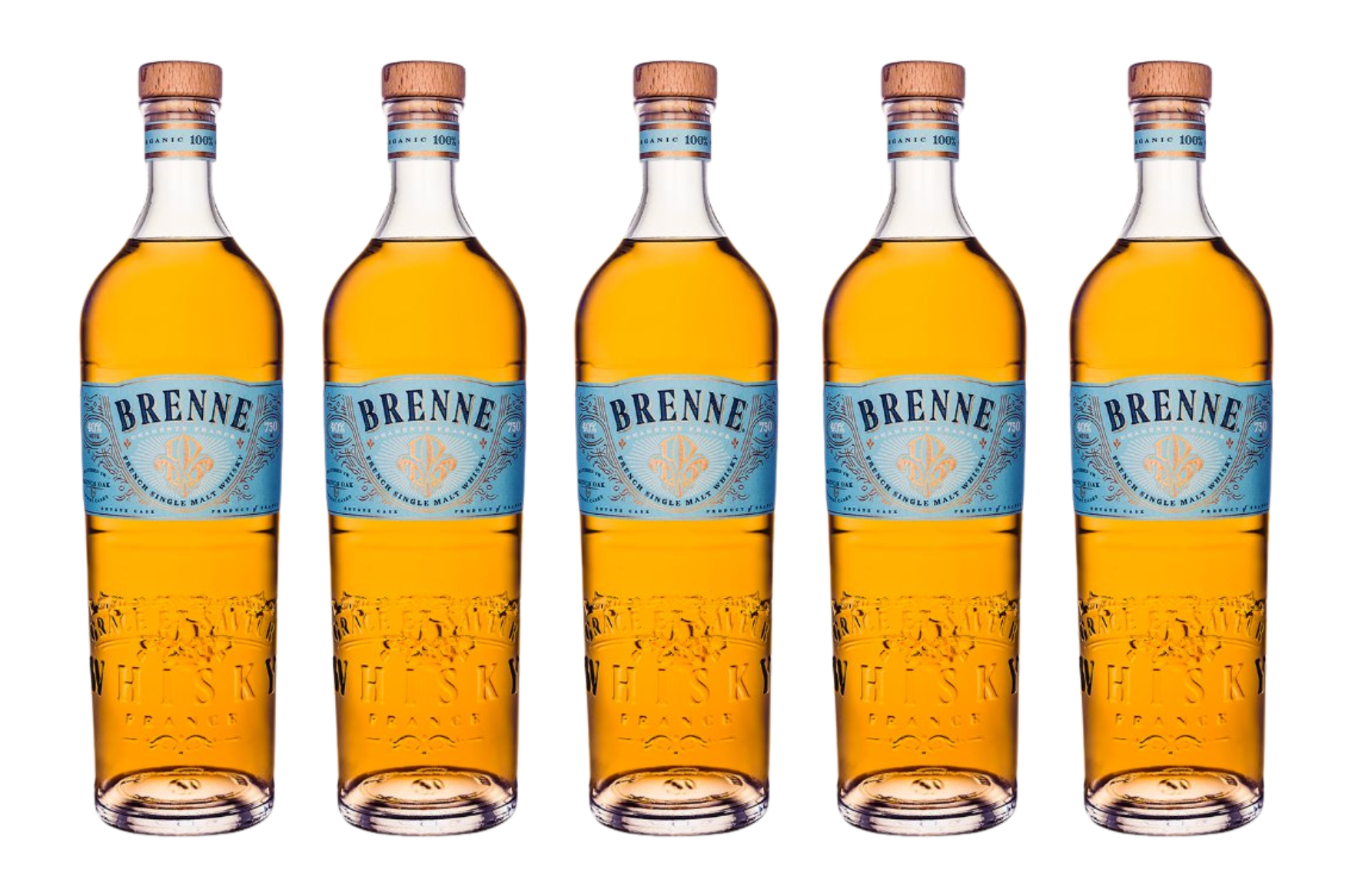
Brenne Whisky’s Brenne Estate Cask. Photo credit Brenne Whisky
French whiskey can be produced anywhere in France, not just the designated IGPs. Brenne provides a distinguished example of this principle while simultaneously showcasing categorical innovation. Based in Cognac and founded by former ballerina Allison Parc, this woman-owned estate distillery produced the first single malt whiskey in the world to age in French Limousin oak barrels and Cognac casks. This groundbreaking process fuels this award-winning estate-grown bottle, which is aged for at least six years. Expect fruit and baking spice on the nose and warm spice and tropical notes on the palate. The distillery also makes a critically-lauded 10-year expression, but best of luck picking up a bottle — just around 300 cases are produced annually.
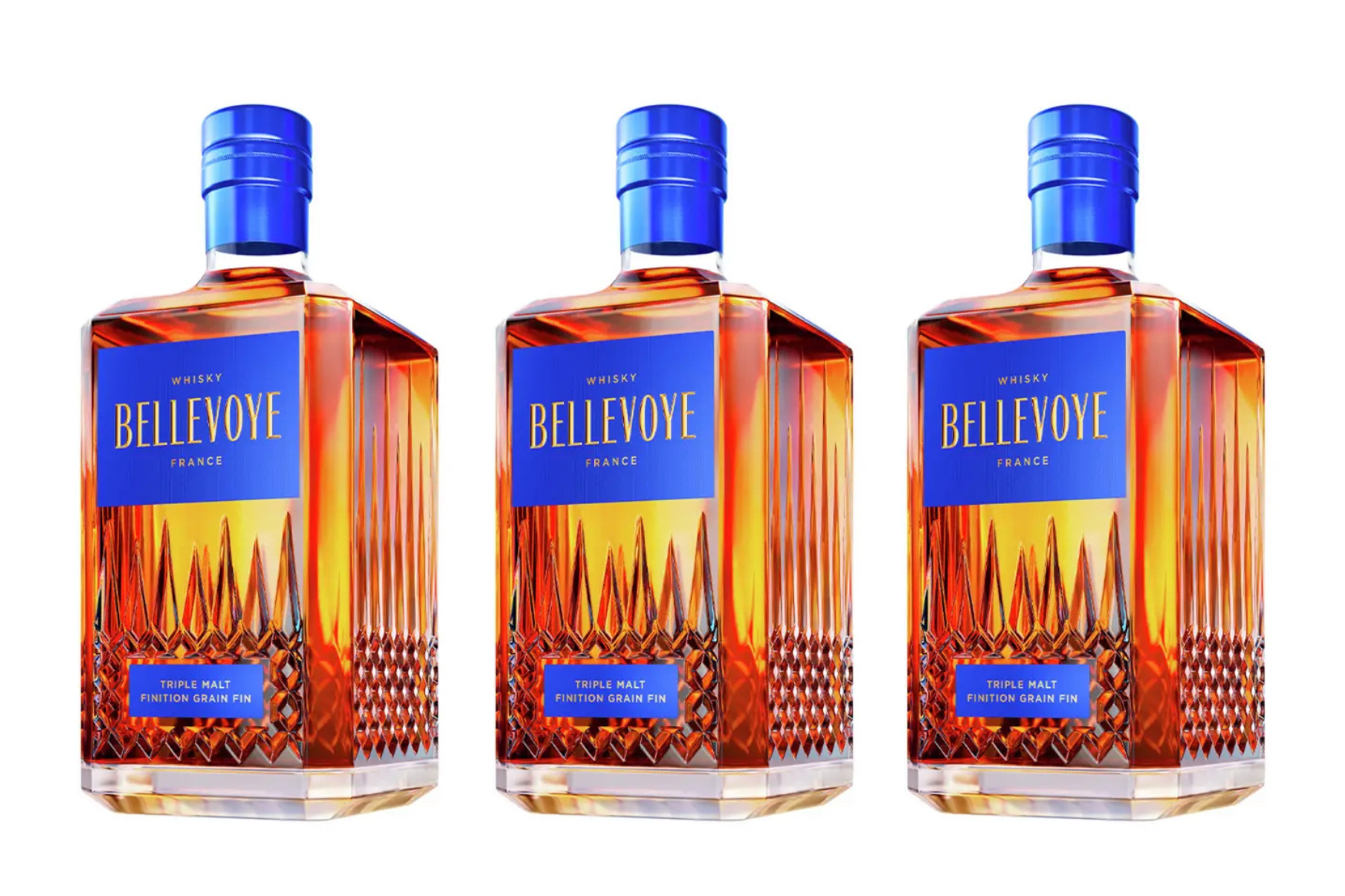
Bellevoye’s Bleu Triple Malt. Photo credit Bellevoye
Bellevoye launched in 2015 with a mission: Make French whiskey as heralded as French wine. Judging by the international awards the brand has collected over the years, it feels safe to say it has succeeded. Its flagship bottle, Bellevoye Bleu Triple Malt, may be best described as France in a glass. As the name suggests, the critically acclaimed blended whiskey pulls its juice from three different sources. These sources come from Brittany, Alsace, and Cognac; each is aged in oak for three to eight years individually, allowing each region’s terroir to impart a distinct influence. The blended juice finishes in new French oak for nine to 12 months near Cognac. The oak influence underscores a complex palate expression of tropical fruit, baking spices, and a touch of stewed apples, nicely juxtaposing its floral aroma.
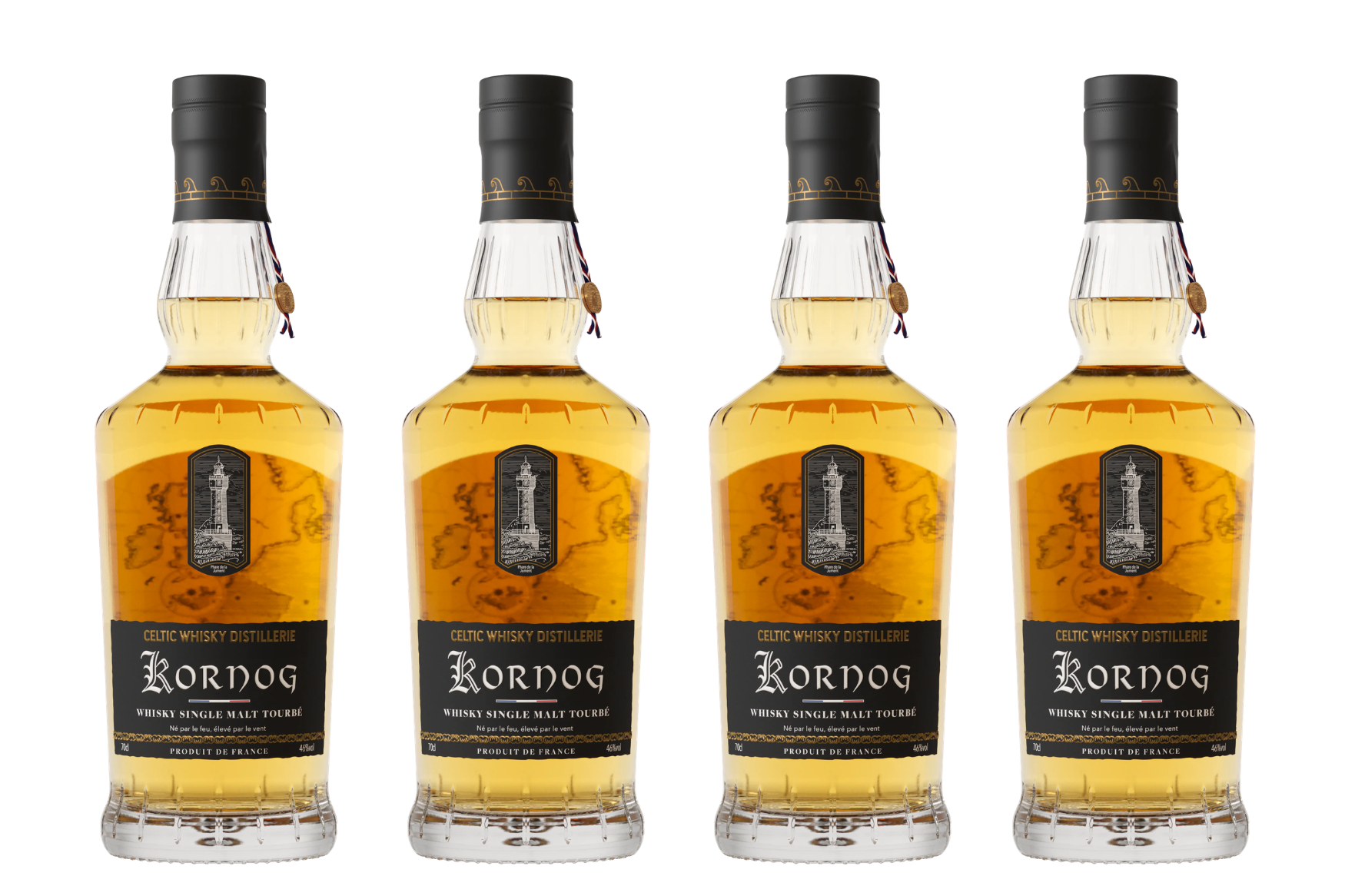
Kornog Peated Single Malt. Photo credit Celtic Whisky Distillerie
Peat exists in France. There isn’t a whole lot of it, especially when compared to Scotland, but there is enough around for distilleries to play around with the organic material. The Brittany-based Celtic Whisky leans into its usage heavily through its Kornog Peated Single Malt expression. By doing so, the distillery creates an ideal introduction to the French whiskey category for fans of classic Islay Scotch profiles. The smoke here is bold and assertive, but stops just short of being as aggressive as some of Islay’s more infamous peat bombs. This allows pops of sweet vanilla, pointed spice, and a nuanced savory maritime essence to break through the haze. That said, the smoke isn’t shy, so those that aren’t the biggest fans of Islay should consider a different entry point.
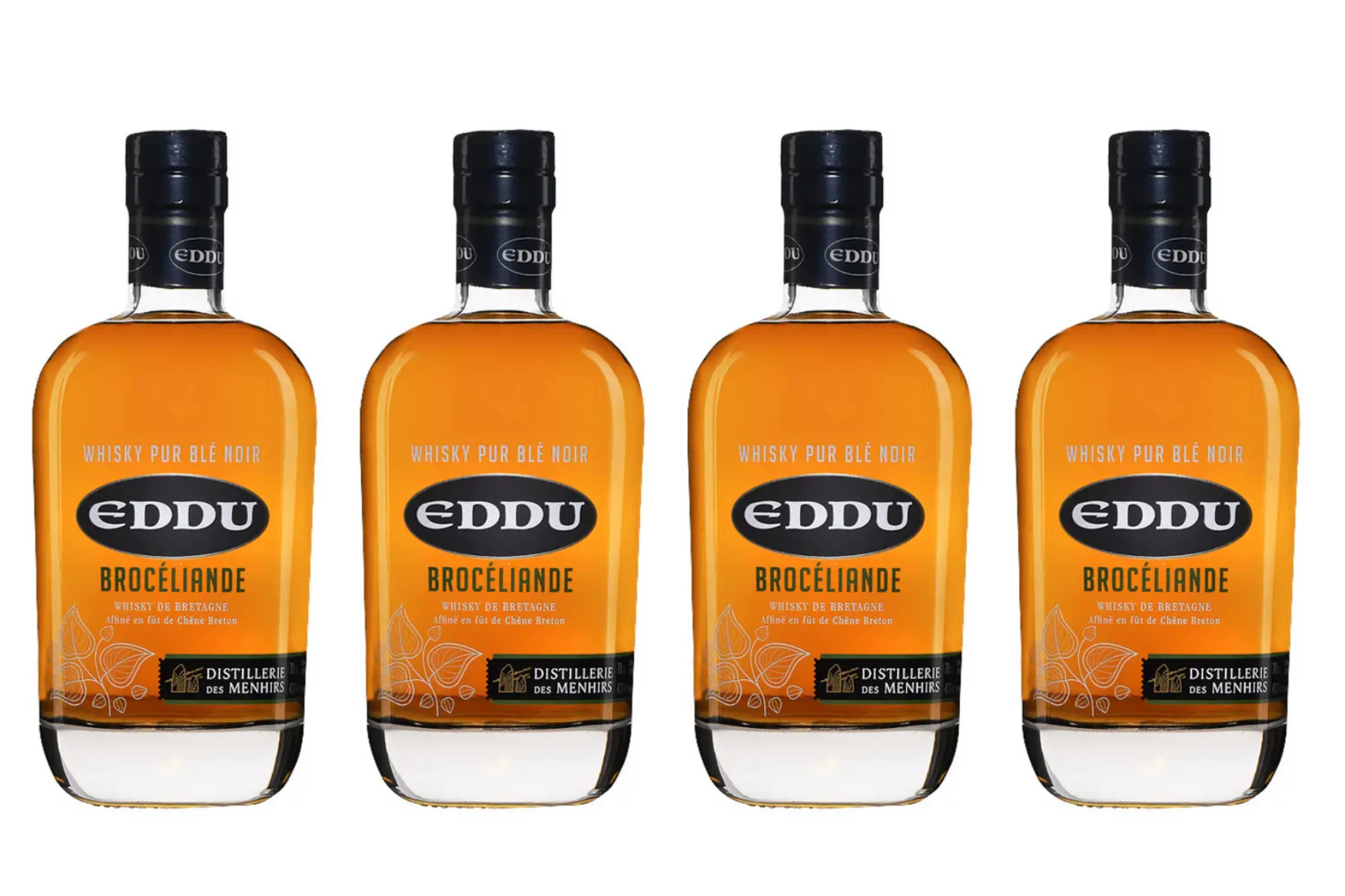
EDDU Brocéliande. Photo credit Distillerie des Menhirs
EDDU Brocéliande could arguably be the best example of the creative freedom Brittany distillers possess. In 1998, the brand’s producer Distillerie des Menhirs deviated from its original intention of producing a Brittany-style apple brandy and began distilling single-grain whiskey from 100% Brittany-grown buckwheat, making it the world’s first pure buckwheat whiskey expression. The EDDU Brocéliande, which hit the market in 2013, stems from this creativity. Aged in French Limousin oak for five years, this 100% buckwheat whiskey carries a solid reputation for its dried fruit aromatics, silky smooth palate entry and a mélange of fruit, vanilla, and forest notes on the palate.