
Why Some Bars Are Skipping Ice in Cocktails
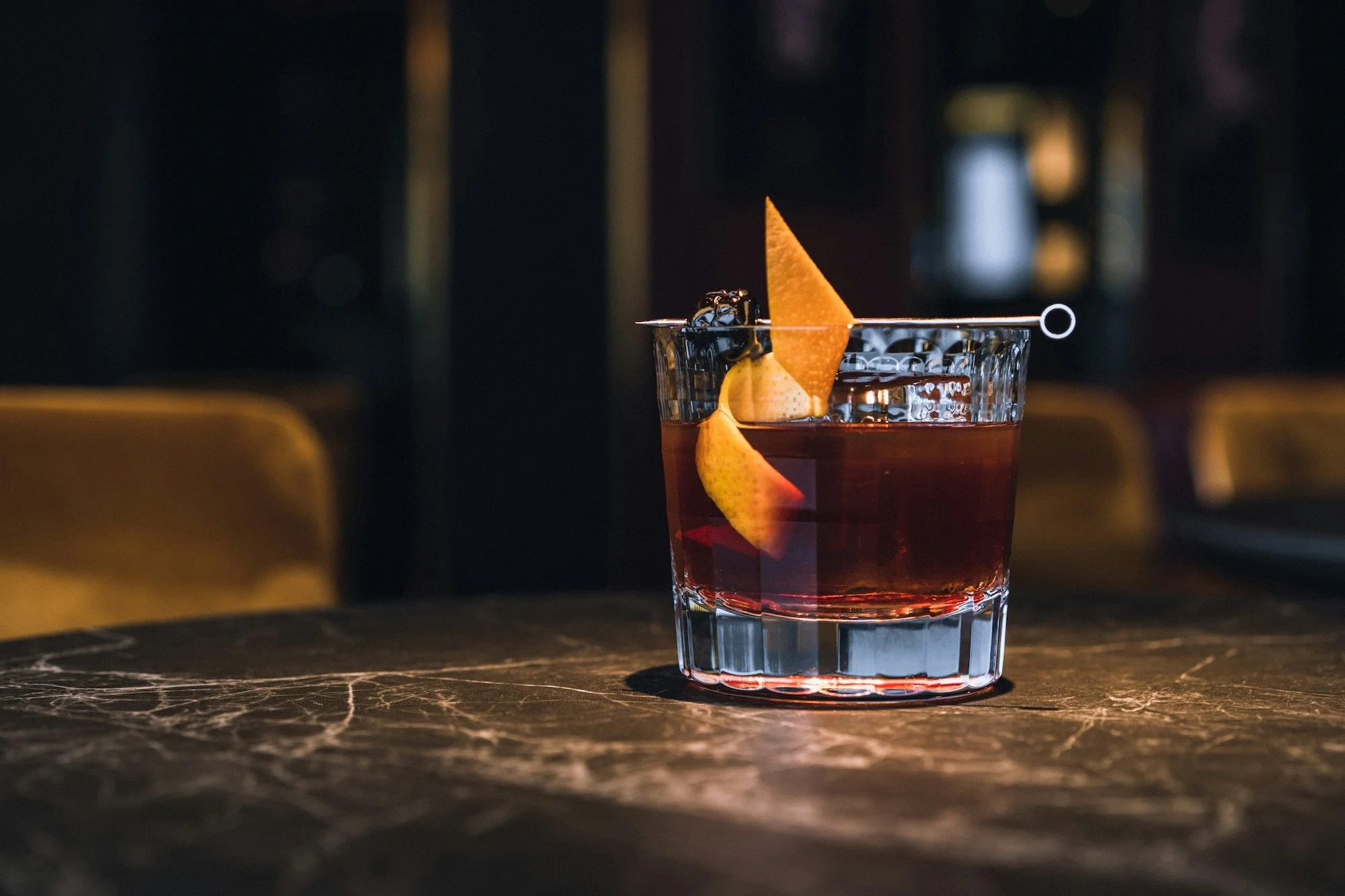
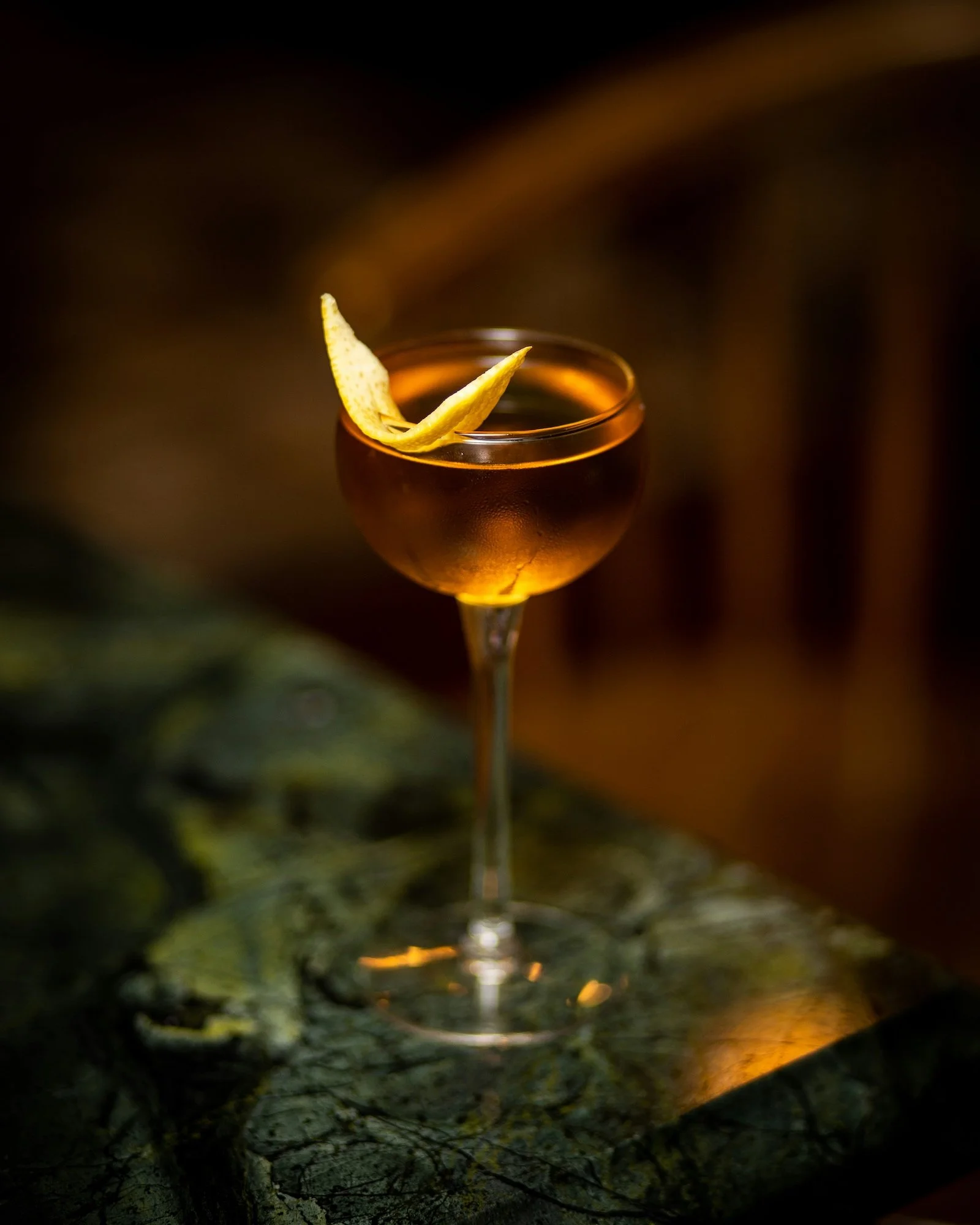
An Old Fashioned cocktail without the ice. Photo credit Pylyp Sukhenko
Ice has traditionally been essential for chilling and diluting cocktails. In recent years, however, a growing number of bartenders have come to see ice as optional — even limiting. They’re experimenting with ways to create colder, more flavor-saturated, and more consistent cocktails without the waste generated by producing and discarding hundreds of ice cubes every night.
Less Ice, Stronger and More Varied Flavors
When it comes to no-ice cocktails in the United States, one visionary is leading the way: Mike Capoferri, Owner-Operator of Thunderbolt and Night on Earth in Los Angeles and Semiprecious in Denver. He designed Thunderbolt, for instance, around a cooling system that is able to chill cocktails more precisely.
“The concept at Thunderbolt was designed around the use of refrigeration capable of being set to a precise temperature just above the freezing point of our cocktails,” Capoferri says.
It also allowed the team to think about the possibilities of replacing water dilution with other flavorful ingredients. In dilution, “the one constant ingredient is water from ice during the shaking or stirring process,” Capoferri says.
“We wanted to hack the dilution portion of a cocktail recipe,” he says. “This allows us to employ more flavorful elements of dilution than just plain water.”
Colder temperatures also improve carbonation, Capoferri explains, adding that with his cooling system, Thunderbolt’s bar program is able to reach commercial soda levels of carbonation in its cocktails.
As a result, the cocktails are packed with a concentration of flavor impossible to achieve with traditional methods, with ingredients like clarified piquillo pepper juice, clarified tomato juice, or even dashi.
A Cleaner-Tasting, More Consistent Drink
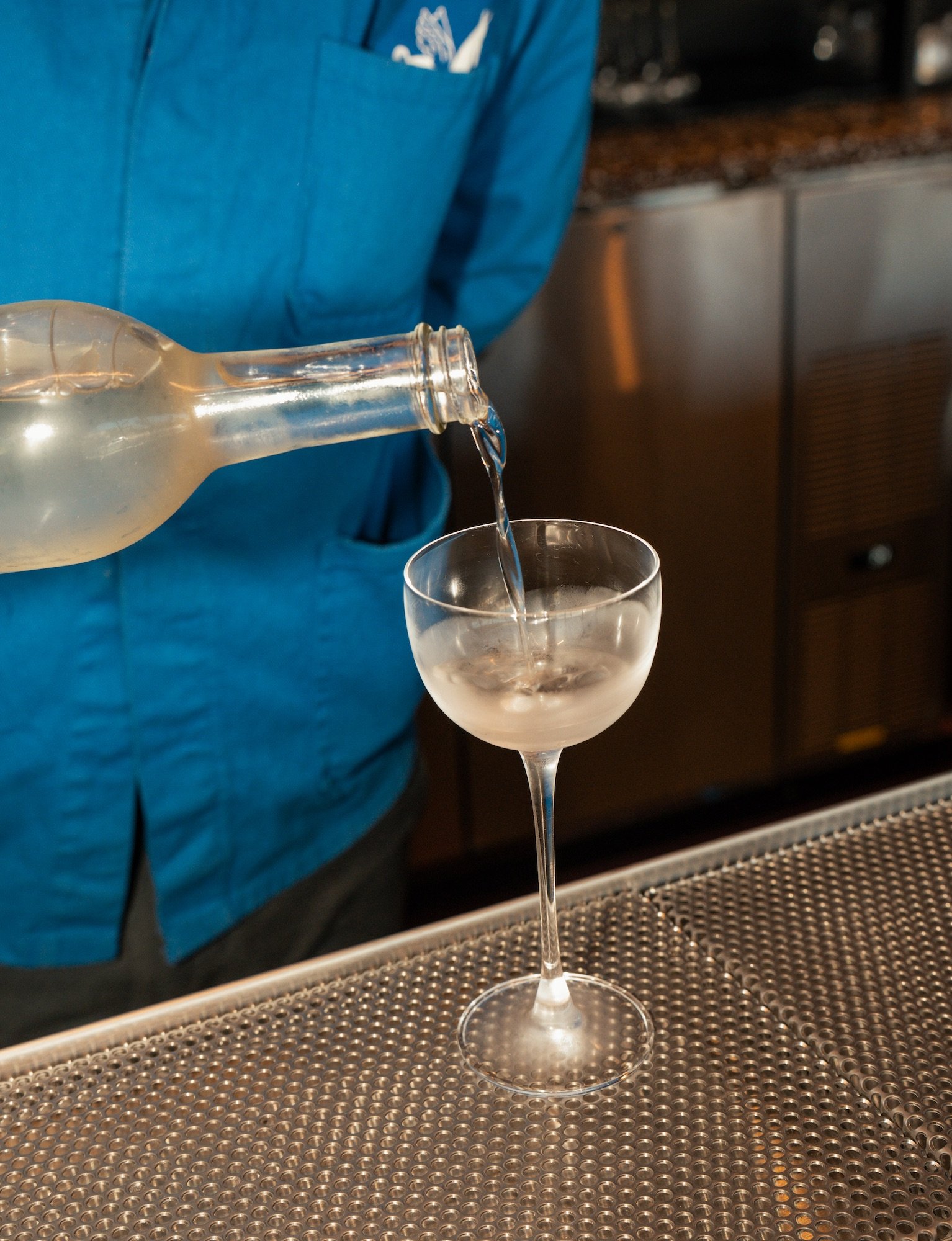
A martini variation at Semiprecious in Denver. Photo credit Jeff Fierberg for Semiprecious
Because there’s no variability in ice size and shape, shaking time, or ambient temperature, cocktails made without ice offer greater consistency.
“Reducing ice actually forces you to be more precise,” says Jackie Ocampo, owner of the San Jose, Calif.-based cocktail events company The Office Hour.
“Ice can mask imbalances (like too much acidity or too much sweetness), but when you remove that buffer, your ratios have to be dialed in,” she says, adding: “When done right, low-ice cocktails can actually taste cleaner, more intentional, and more consistent from drink to drink.”
Replacing Ice Water With Flavor

The bar library at De Vie, an archive of cocktail flavor combinations. Photo credit De Vie
Bartenders across the pond have also been experimenting with alternatives to traditional ice dilution. Alex Francis, co-founder of De Vie in Paris, France, says his team uses frozen purée cubes made with fruit juices, sugar, acid, and other non-alcoholic ingredients. Instead of shaking or stirring spirits with ice, De Vie’s bartenders dilute cocktails with purée cubes themselves, allowing flavor, rather than melted ice water, to shape the final drink. As the cubes dissolve, they simultaneously chill and dilute the cocktails, resulting in drinks that are both precise and properly chilled.
It also helps preserve freshness. “[It] allows us to effectively kill two birds with one stone. We can preserve juices and purées that typically have short shelf lives,” Francis explains. By freezing the purée cubes ahead of service, De Vie cuts down on ingredient spoilage and the waste generated by discarded ice.
Less Water Waste and More Sustainability
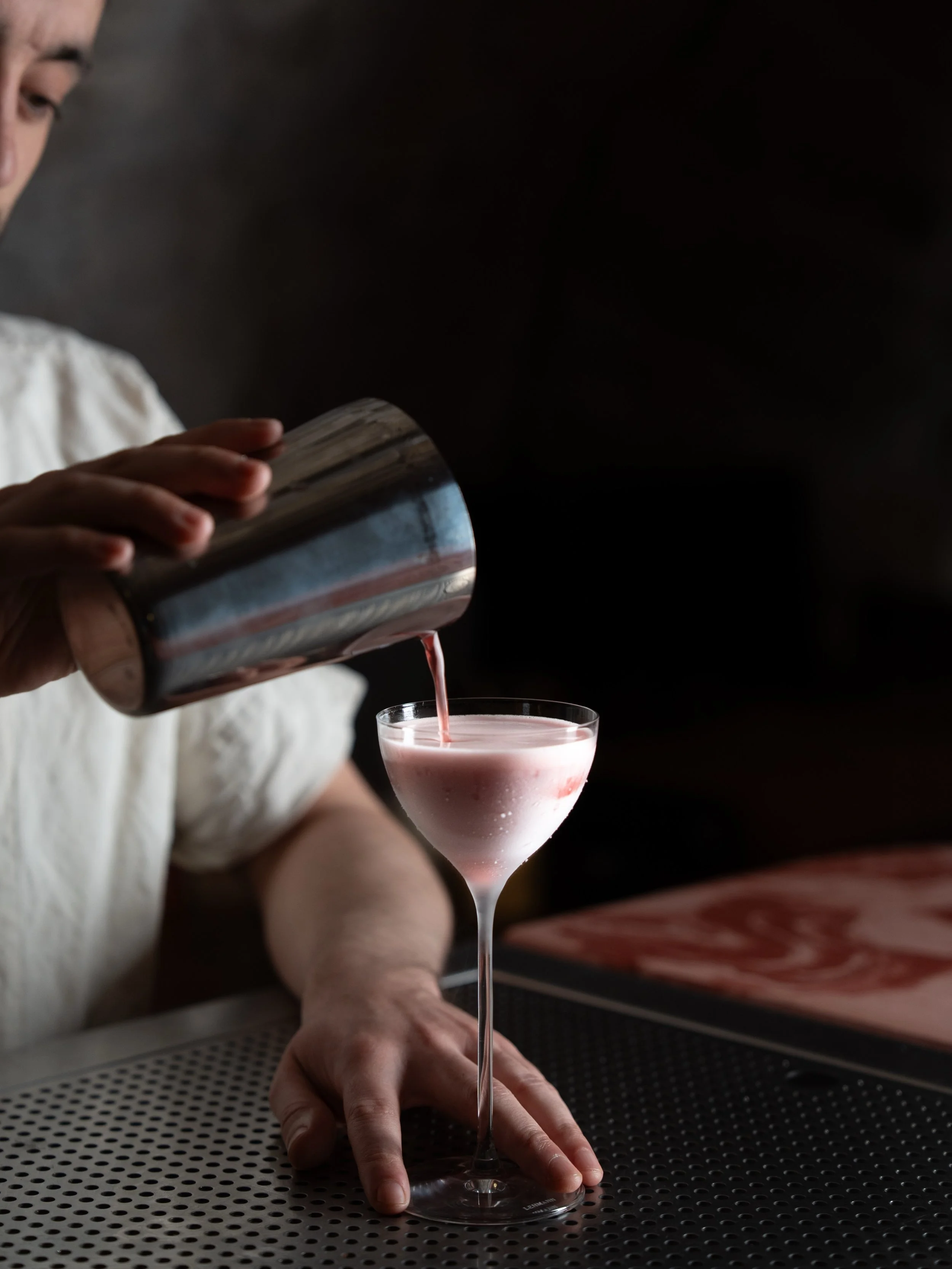
De Vie’s Blueberry v4 cocktail. Photo credit De Vie
Traditional ice-making is a water-intensive process, Francis explains. “Any unused ice at the end of the night goes in the sink, and you then turn on hot water to melt it, which basically means double the water waste.”
Some bartenders see reducing ice waste as part of a broader sustainability effort. “We have set the bar for water usage in a high-tech cocktail program, and we are the lowest-water-waste bar program I have ever seen,” Capoferri says. “In my opinion, with the way the world is moving, what is sustainable for business will also be sustainable for the planet.”
It’s not just about using less ice, however, says Valentino Gallitelli, bar manager of Vista Ostuni in Ostuni, Puglia, Italy. “It’s about rethinking the entire system. When you shift to pre-batching and controlled refrigeration, you can optimize energy use more efficiently.”
Reliance on Unconventional Refrigeration (For Now)
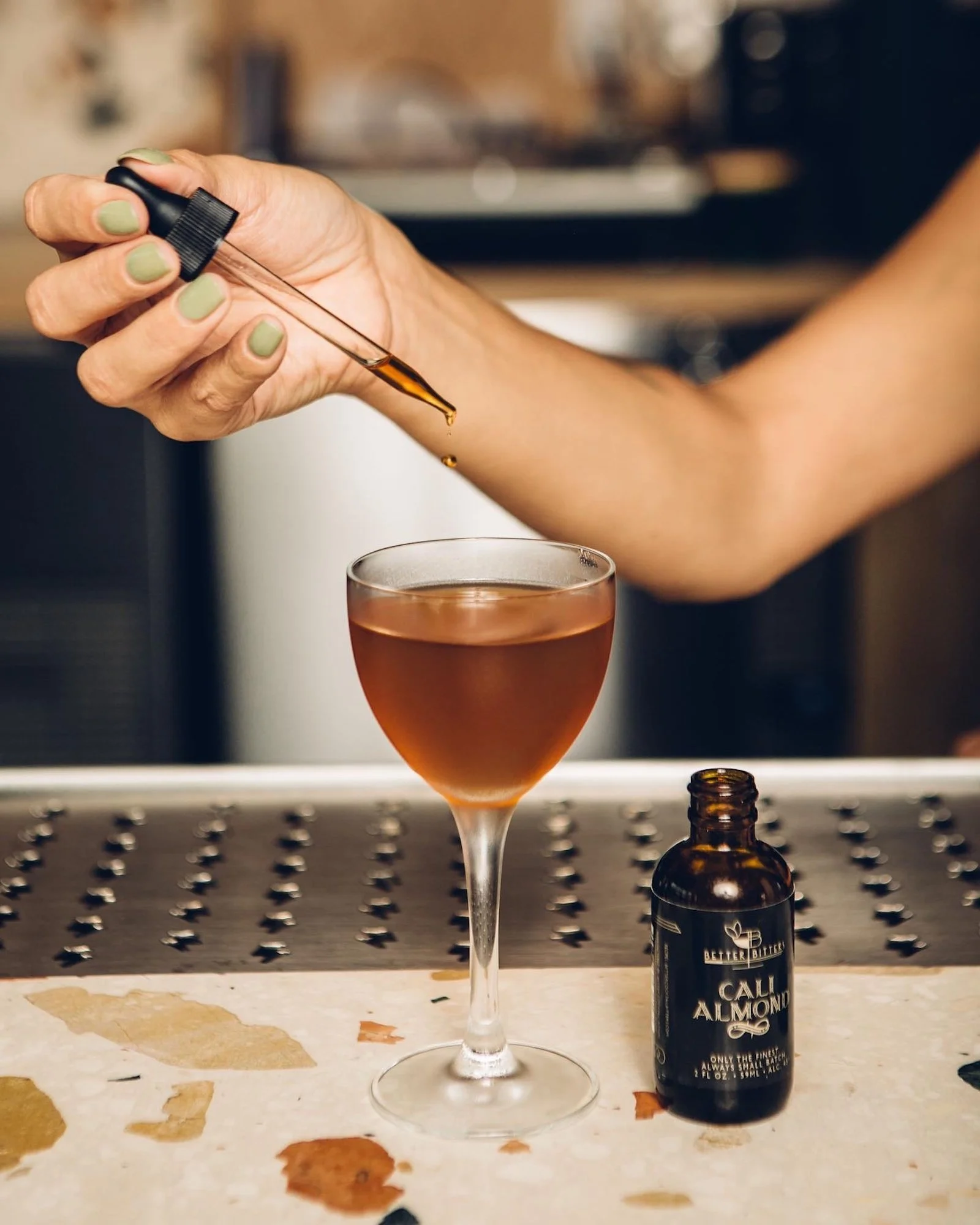
An ice-free cocktail from Thunderbolt in Los Angeles. Photo credit Thunderbolt
But there are challenges to creating cocktails without ice, too, such as the need for specialized refrigeration systems. De Vie also relies on specialized refrigeration systems capable of holding cocktails at precise temperatures, Francis says.
Properly diluted cocktails often fall into a temperature range between standard refrigerators and freezers, and standard refrigeration systems aren’t necessarily able to achieve the necessary temperatures, Capoferri says: “At the time of Thunderbolt’s construction, there was really no off-the-shelf solution for refrigeration that could reach our desired temperature range.”
The Thunderbolt team wound up installing what Capoferri calls “a Glastender mug froster that required some reprogramming of the thermostat controller,” which evolved into the custom refrigeration system that his bars use today.
A Happy Medium: Freezer-Door Cocktails
Freezer-door cocktails have increased in popularity. Photo credit Chas Turansky
The “freezer-door martini” trend that’s spread across social media reflects some of the same ideas driving the ice-free cocktail movement.
“The most simple and straightforward option [for keeping a cocktail cold without mixing with ice] is to store it in the freezer,” explains Cole Johnson, Beverage Manager of The Edison at Disney Springs in Lake Buena Vista, Florida. The bar now serves freezer-door martinis that are pre-diluted before being stored in bottles or pitchers in the freezer and poured directly into glasses during service.
“When you shake or stir a cocktail, you can usually only hope to achieve a temperature of 10 to 15°F,” Johnson says. “So having a cocktail ready to serve at 0°F or less is simply not achievable by conventional standards.”
Chicago-based Kitty’s Cosmopolitan Club takes the freezer-door cocktail to the next level. The cocktail prep area (which is, according to Beverage Director Kevin Beary, “Chicago’s first-ever -16ºF walk-in freezer cocktail station”), maintains a temperature low enough to make an entire roster of classic cocktails like the Vesper, the Cosmopolitan, and the Rob Roy without any ice whatsoever.
While freezer-door cocktails are less technologically ambitious than the custom systems used at bars like Thunderbolt or De Vie, they reflect the same broader shift: a willingness among bartenders to rethink ice dilution as the default way to chill a drink. For some bar owners, like Capoferri, that means “unlocking a world of otherwise unavailable flavor combinations.”