
Ready-To-Drink (RTD) Cocktails Are Changing How We Drink
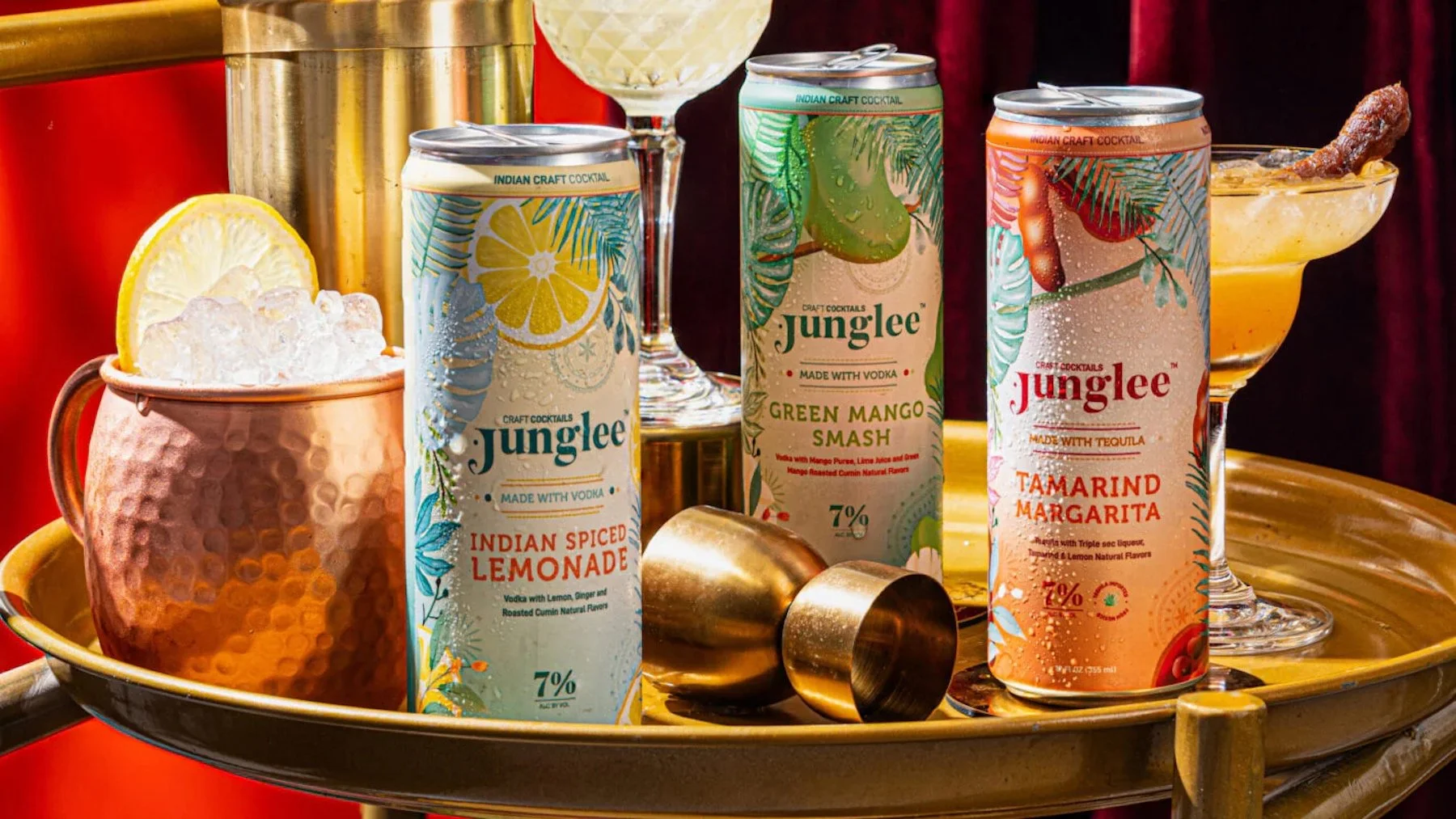
Ready-to-drink cocktail brand Junglee is inspired by South Asian flavors. Photo credit Junglee Craft Cocktails
From local bodegas to supermarkets to big box liquor stores, ready-to-drink (RTD) cocktails have been gobbling up shelf space everywhere. In addition to expanding their retail footprint, RTDs now span a wide range of formats, from single-serve cans to midsize ready-to-enjoy options, multiserve ready-to-pour bottles, and ready-to-shake drinks that require a bit of ice and barware.
RTD Cocktails Go Mainstream
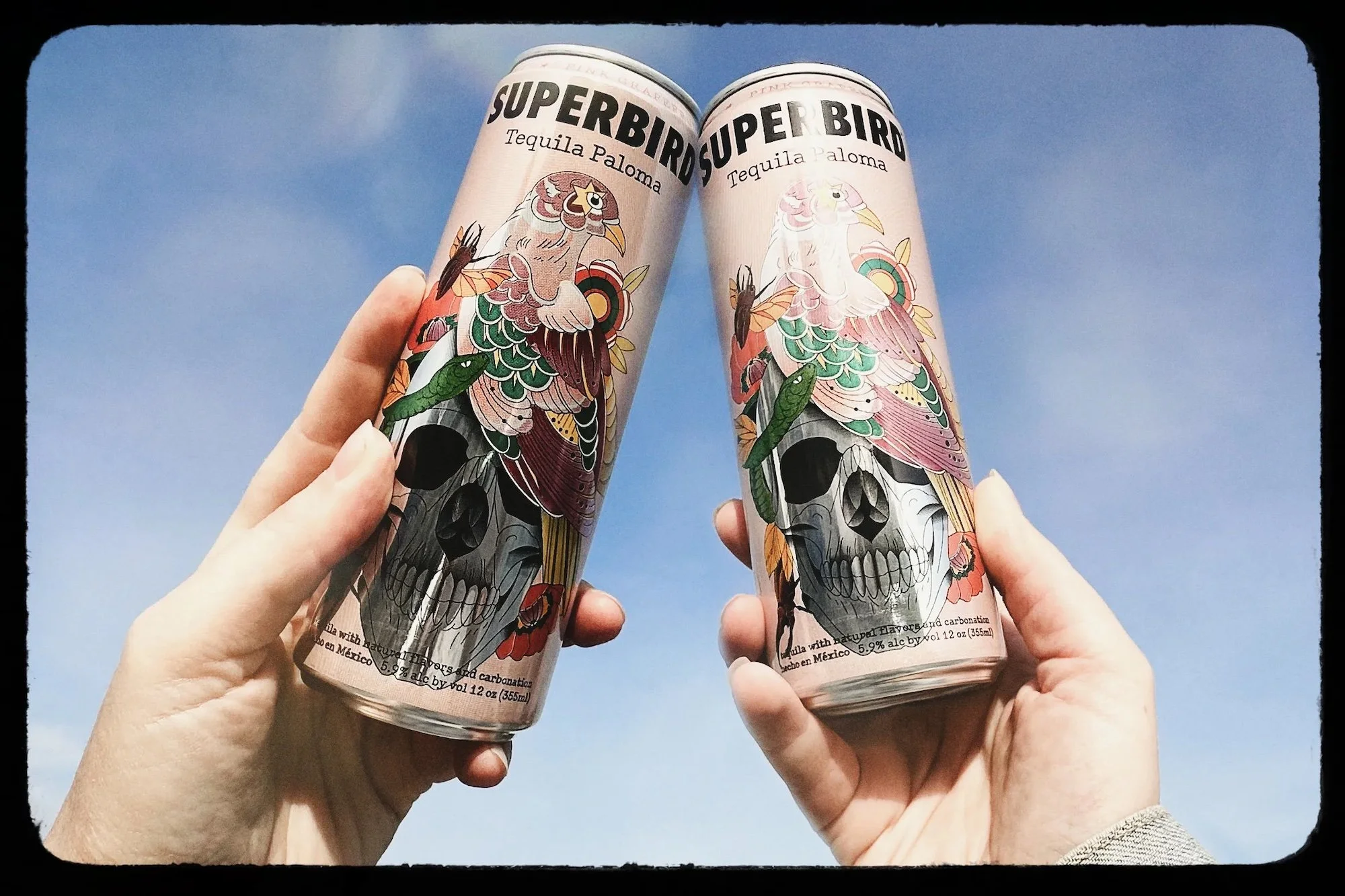
RTD offerings like Superbird Paloma cans have become a core part of the alcohol market. Photo credit Superbird Tequila
After several years of explosive growth, this beverage category has settled somewhat, shifting from what was once a disruptive outlier to a crucial pillar of the beverage industry. RTD offerings have become a core part of the alcohol market, accounting for roughly 12 percent of total alcohol sales. The category grew 2.8 percent in 2025, even as beer, wine, and spirits categories declined — and is expected to continue gaining share in the years ahead. (IWSR, a firm that tracks beverage trends, predicts the category will reach a 9 percent market share by 2029.)
As the category matures, a few trends are emerging. They include a shift toward spirits-based drinks, the reworking of classic cocktails into new formats, and a growing emphasis on branding, culture, and premium positioning.
Trend 1: Spirits-based RTDs take the lead
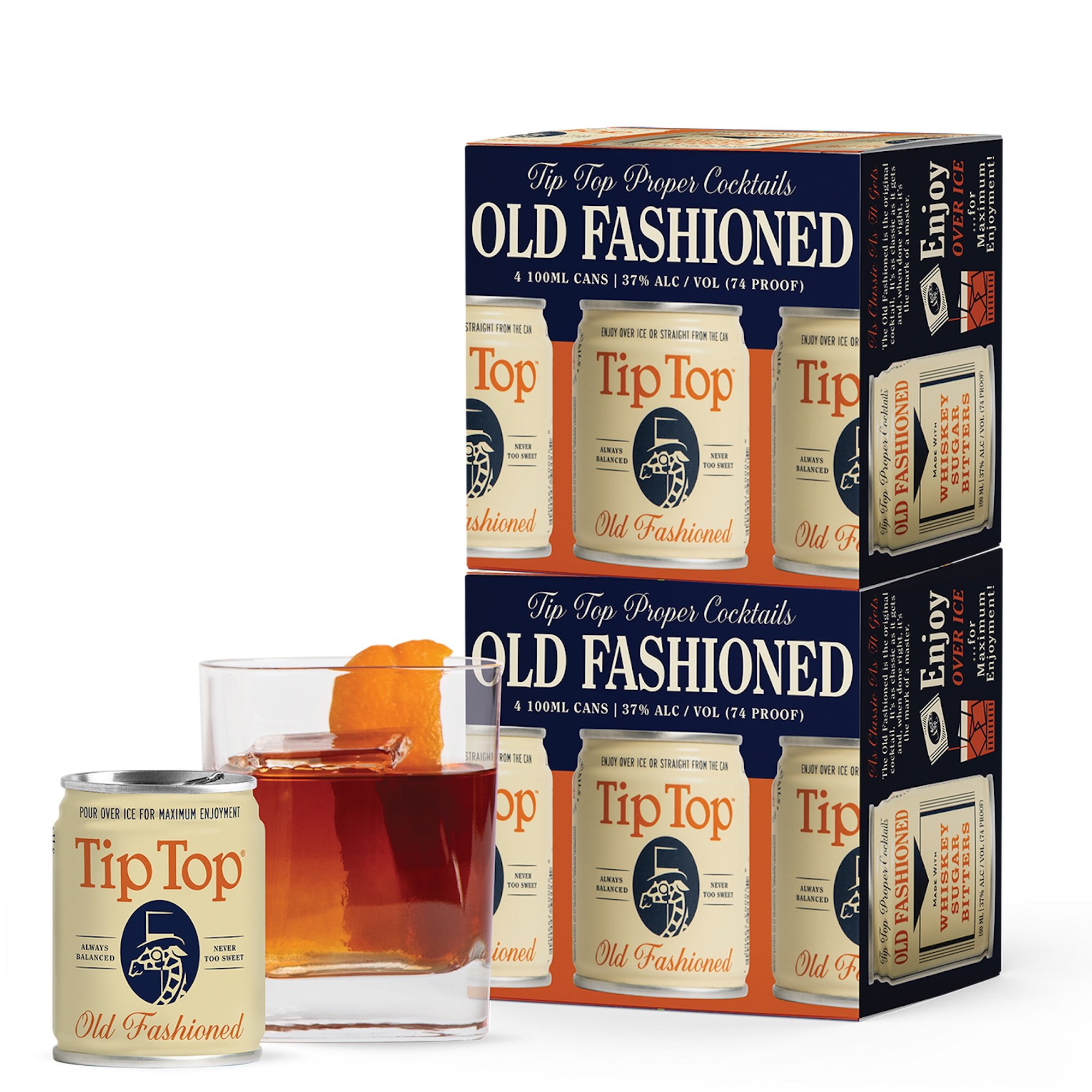
A four-pack of Tip Top Old Fashioned cans. Photo credit Tip Top Proper Cocktails
Spirits-based RTD options are pulling ahead, driven by demand for drinks that mirror classic cocktails without the work of making them at home. This shift is also reflected in the data: According to an economic briefing from the Distilled Spirits Council of the United States (DISCUS), premixed cocktails have grown into a multibillion-dollar category and more than doubled their market share since 2021. “Consumers are showing a strong preference for spirits ready-to-drink cocktails because they’re made with real spirits, offer great convenience and flavor, and include lower-alcohol options,” Chris Swonger, CEO of DISCUS, added in the briefing.
That preference is translating directly to sales. Neal Cohen, co-founder and Chief Brand Officer at Tip Top Proper Cocktails, says the brand is among the fastest-growing at Total Wine across 26 states, with its 4-ounce Margarita, Espresso Martini, and Old Fashioned cans leading the way.
Trend 2: Classic cocktails, reworked for convenience
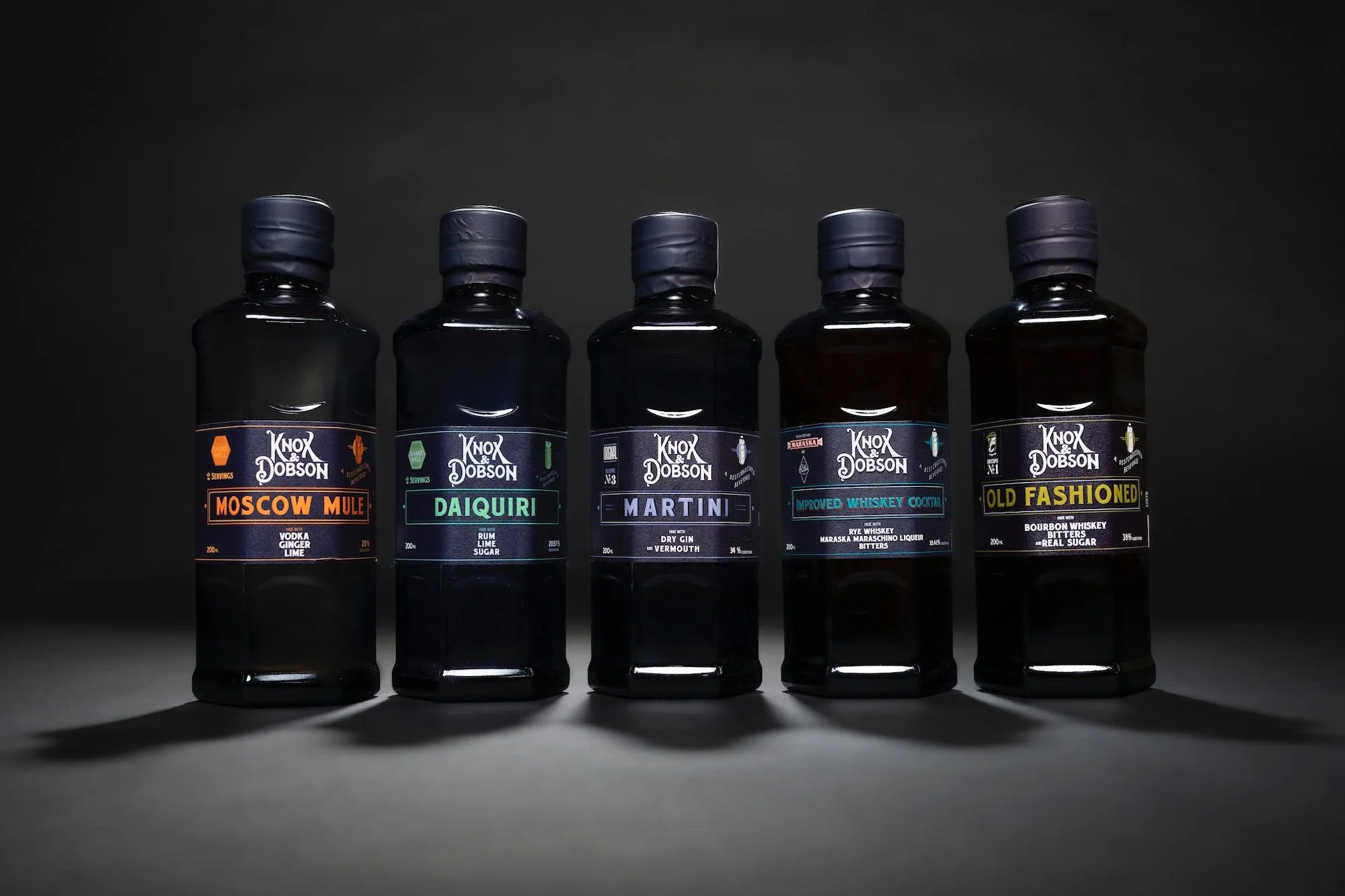
Knox & Dobson offers full-strength bottles of classics like the Daiquiri. Photo credit Knox & Dobson
Much of the category’s growth is being driven by familiar cocktails adapted across formats, sizes, and strengths.
At the high end, brands like Knox & Dobson offer full-strength, 34% ABV cocktails — think a gin Martini and an Improved Whiskey Cocktail with rye, maraschino, and Angostura bitters — in bottles designed to serve two and be poured straight from the freezer.
At the opposite end, compact formats are gaining traction. Brands like Tip Top and Hochstadter's Slow & Low offer small-format, high-proof canned versions of classics, including multiple takes on the Old Fashioned. These appeal to drinkers seeking consistency and ease without sacrificing balance.
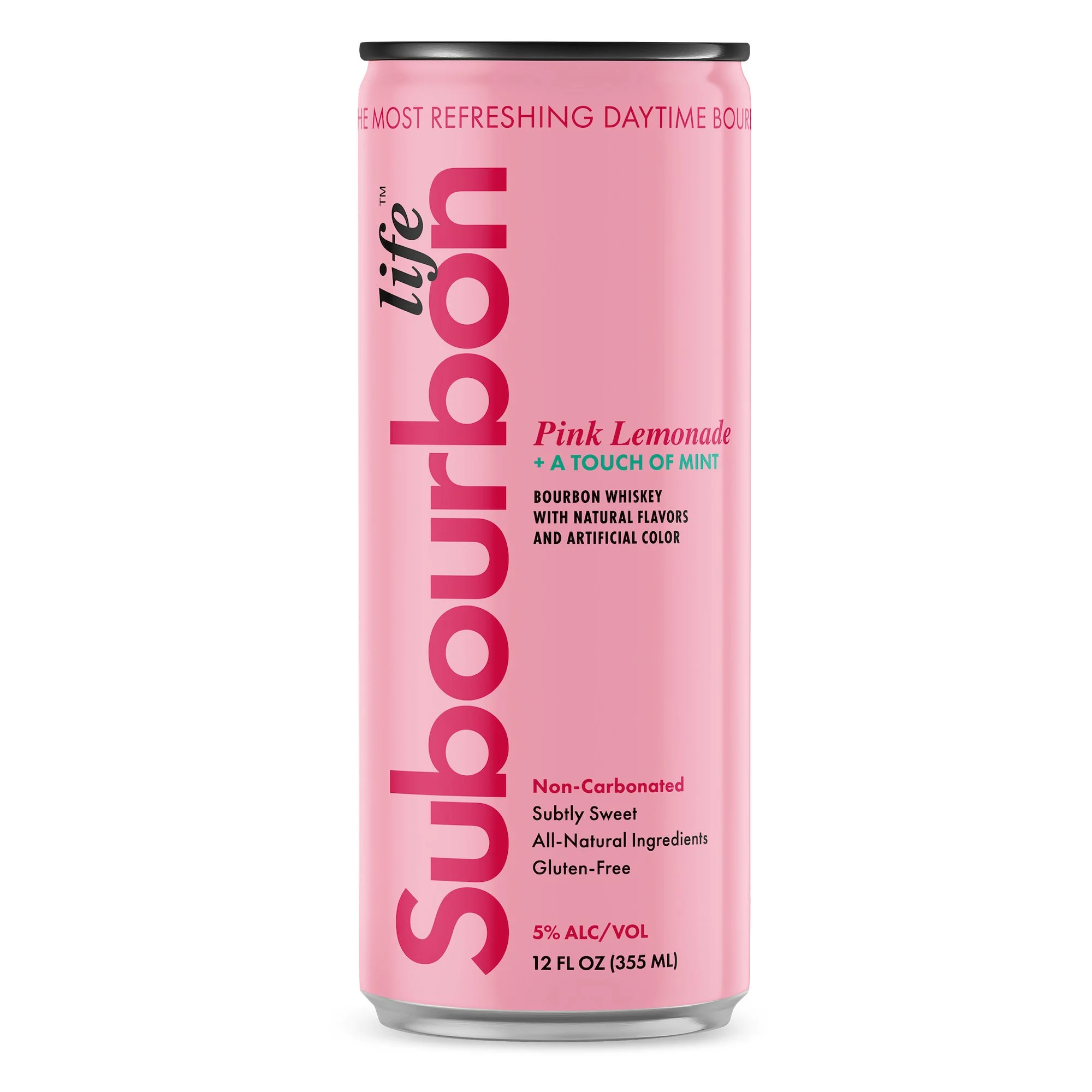
Subourbon Life’s “bourbonized” lemonade is a low-proof option. Photo credit Subourbon Life
Lower-proof options are expanding the category further. Subourbon Life’s line of “bourbonized” lemonades, piña coladas, and margaritas comes in at about 5% ABV and is aimed at the day-drinking crowd.
Trend 3: Branding, culture and elevation
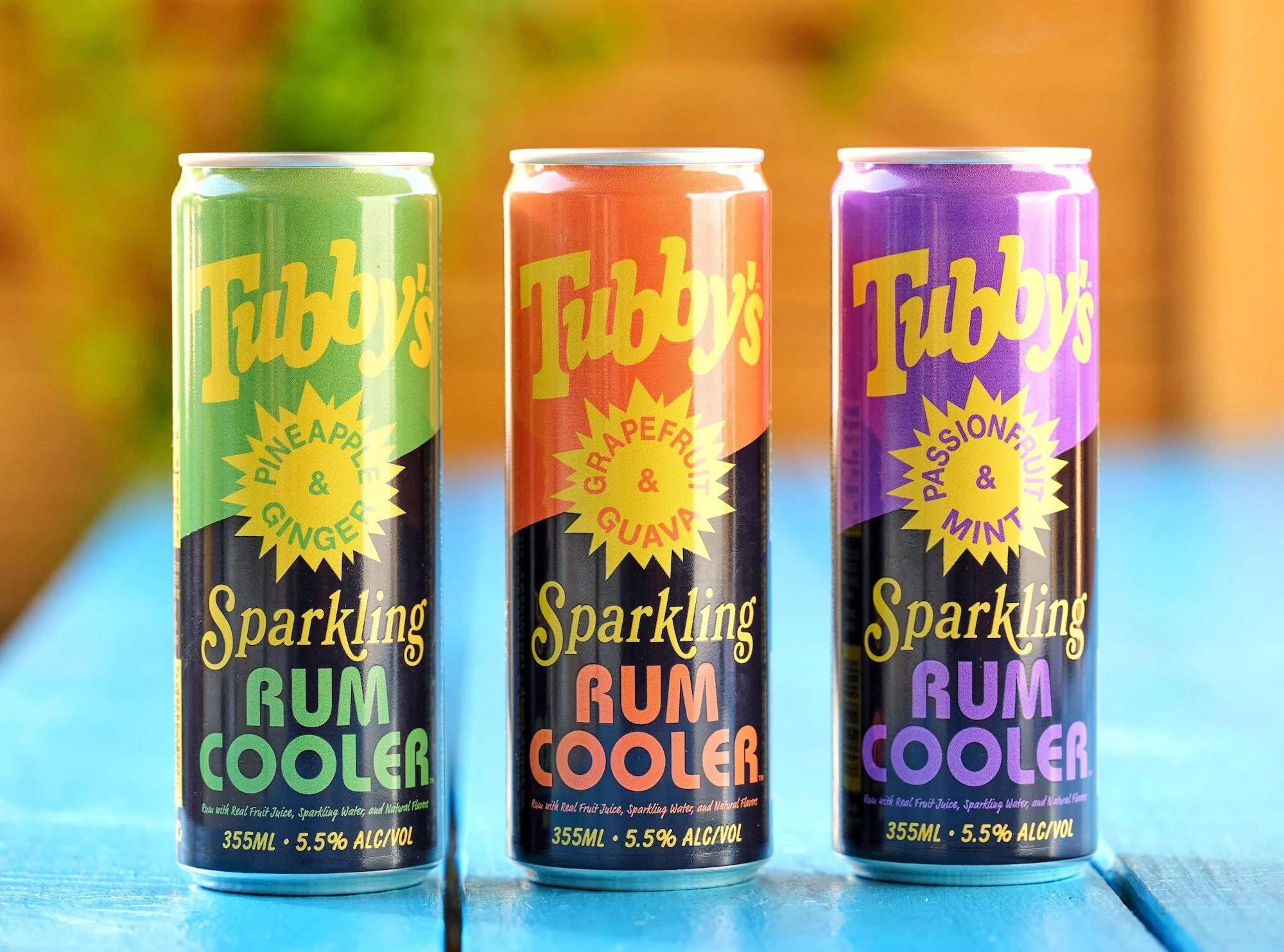
Tubby’s Sparkling Wine Coolers are available in multiple flavors. Photo credit Rockers Beverage
As competition intensifies, differentiation increasingly comes down to identity — whether through cultural connection, positioning, or partnerships.
One major lane is cultural identity. “A major differentiator is authenticity,” says David Stein, co-founder of Rockers Beverage, which produces Tubby’s, a line of sparkling rum beverages. “You can’t buy that. It has to be real.”
Brands are increasingly building around specific culinary traditions and flavor references. Junglee, for instance, draws on South Asian flavors with canned offerings like Tamarind Margarita and Green Mango Smash, while tequila’s rise is also driving interest in profiles rooted in classic Mexican cocktails, including Paloma-style drinks from brands like Suerte and Superbird.
Another lane is accessibility, particularly for younger drinkers. According to investment firm Insight Partners, millennial and Gen Z consumers are gravitating toward portable, easy-to-drink options with lower alcohol and distinctive flavors. Products like BuzzBallz and BeatBox Beverages cater to this demand, emphasizing convenience and approachability.
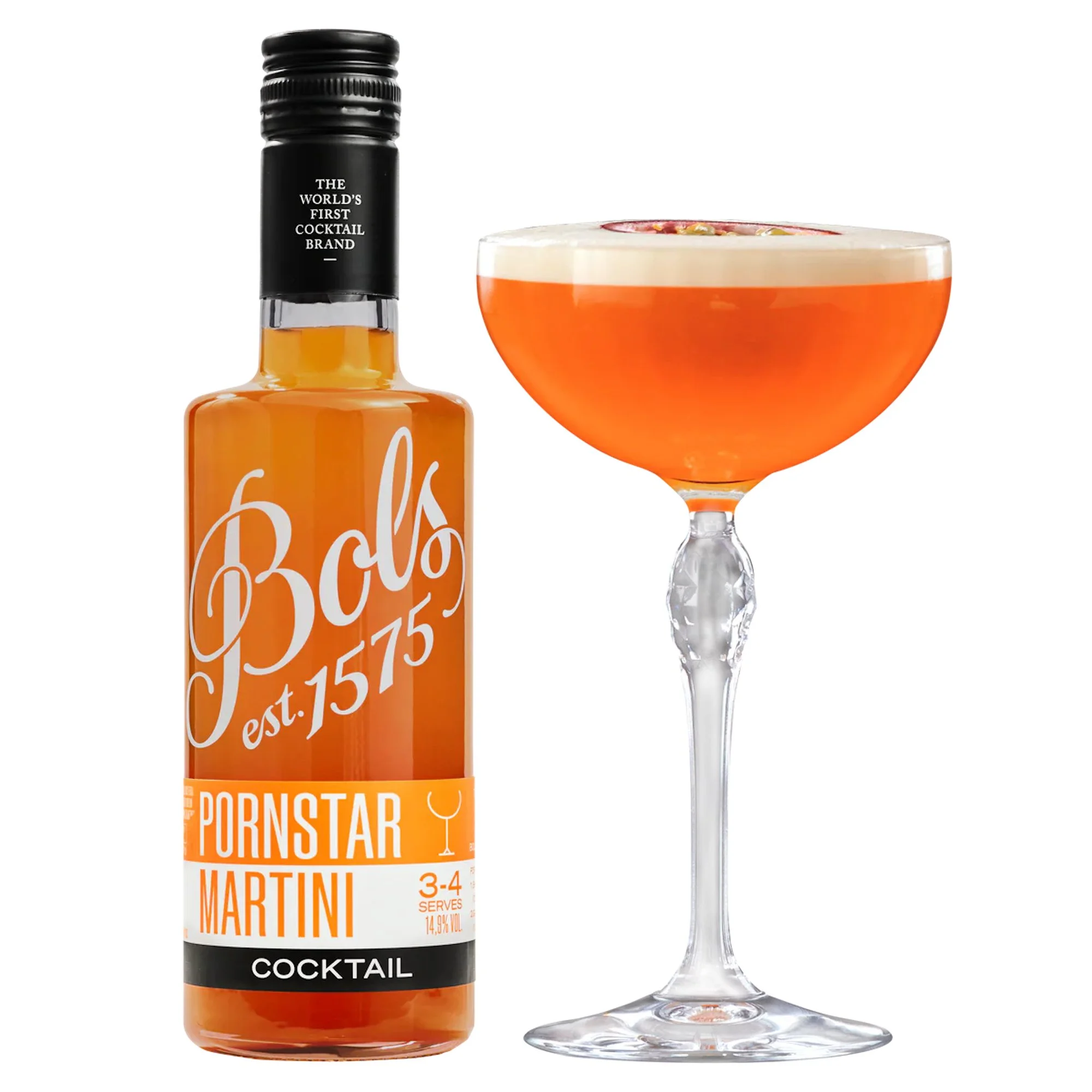
A multi-serving bottle of the Bols Pornstar Martini. Photo credit Bols USA
At the same time, the category is moving upmarket. Premium bottled cocktails are increasingly focused on quality ingredients and recognizable spirits, offering a more polished at-home experience. Established producers are leaning into that opportunity: Dutch distiller Bols, for example, now has a Ready to Enjoy line of cocktails that includes Bols Margarita Azul tubes (made with the distiller’s signature blue curaçao) and a multi-serving bottle of the Bols Pornstar Martini.
Collaborations and mission-driven brands add another layer of differentiation. Tubby’s Sparkling Rum Coolers, for instance, were developed in partnership with The Rum Punch Brunch, a popular weekly Sunday brunch party in Atlanta, with the hopes of translating a social, Caribbean-inspired experience into canned form. And aptly-named Mission Craft Cocktails, which is based in Southern California, emphasizes local sourcing as well as charitable causes, donating 5 percent of its revenue to California food banks.