
Are Additives in Rum a Big Deal?
Rum brands are embracing tequila's "Additive-Free" labeling and coming for caramel coloring.
Additive-free = Quality?
Additive Free Alliance seal used for tequila
Over the past decade, the term “additive free” became a quality signifier—and controversy—in the tequila industry. The founders of the Agave Matchmaker company created the Additive Free Alliance to test and promote brands that do not use (allowed and legal) additives in their tequilas. The regulatory agency Consejo Regulador de Tequila (CRT), however, threatened producers that were using the term on their bottles, or even just on the Additive Free Alliance website, with disciplinary actions. The CRT even briefly blocked Patron tequila from being exported, reportedly in retaliation for a marketing campaign that alluded to the issue.
Debates over additives are not new: in Ted Genoways’ book Tequila Wars, the author mentions adulterated tequilas dating back to Jose Cuervo’s lifetime in the late 1800s.
As this kerfuffle continues, some of that excitement is bleeding over into rum. Much like in tequila, additives in rum are both legal and traditional, and typically used only in small amounts.
In the world of rum, however, there is no single certifying agency like the CRT, since rum comes from many different countries. Individual countries allow different additives (this post on RumWonk.com lists which ones where) including a variety of sweeteners, colorings, and flavorings. But much like in tequila, individual brands are championing their additive-free point of differentiation—and superiority.
Additive-Free Rums
So far very few rums compared to tequilas, are claiming to be additive free.

Additive-Free Rums
Kuleana
Oxbow
Saint Rhum
Spinnaker Rum
Greenbar
Ten To One
Shots Fired
Additive-free Kuleana
On the homepage of Kuleana Rum Works’ website, the first link in the “About” drop-down is “additive-free.” That page has a banner with what looks like a seal of authenticity on it, repeating the term, with “No Added Sweeteners, Flavors or Coloring” beneath.
What follows is “An Open Letter on Additive-Free Rum” by Kuleana Rum Works Founder & CEO, Steve Jefferson, which was published in January 2026. It includes statements like, “much of what’s out there hides the plant’s true flavor behind heavy processing and additives.”
An accompanying press release was picked up by many media outlets and mentioned the connection to tequila, though neither the brand’s letter nor the press release cited it directly. It didn’t need to, as the term now provokes an emotional response in spirits industry insiders.
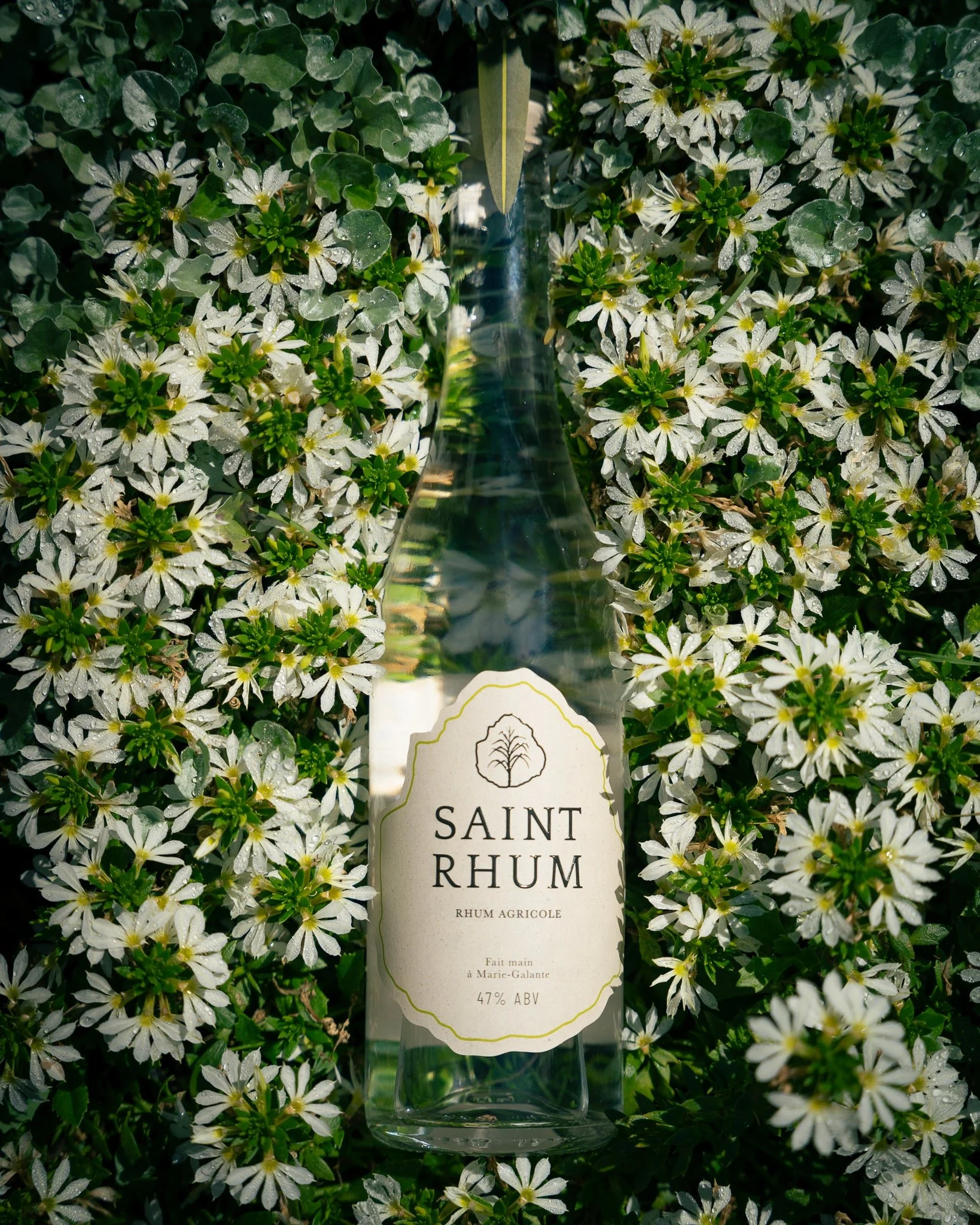
Saint Rhum, courtesy of Saint Rhum
Likewise, the website page title for Saint Rhum is “Saint Rhum: Additive Free Rum | The Freshest Rum on Earth.” The website itself doesn’t appear to use “additive-free” in its text, but it does describe it in several places.
Interestingly, this brand positions itself against tequila (which I take to imply additive-full tequila), or at least as an alternative to it: A section of the homepage describes “Why you should take a vacation from tequila,” and includes the justification “No Secret Additives: 100% pure spirit—zero additives. No added sugar, flavors, or colors. We make rhum the right way. No short cuts.”
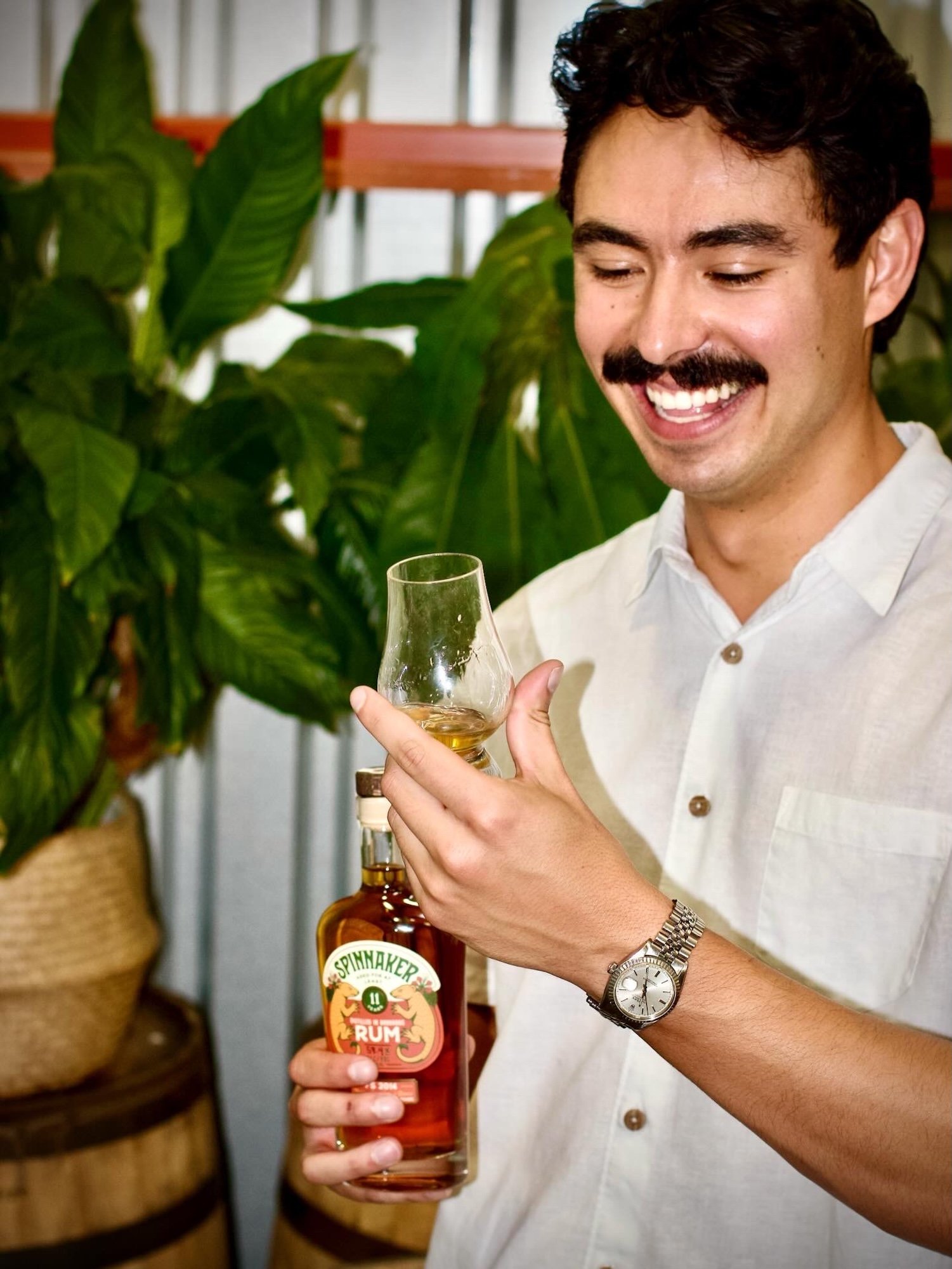
Kevin McBrayer, founder of Spinnaker Rum
Kevin McBrayer, founder of independent bottler Spinnaker Rum out of Austin, Texas, says, “Where I think tequila and rum drinkers can bond together is wanting an overall transparent product. There's a saying: ‘Drink what you like, but know what you drink.’ Most consumers don't actually know what is in their spirit, and that is frustrating! A driving principle for me is simple: when in doubt, be transparent and disclose.”
“Producers can ultimately make their product however they choose. The issue is when the consumer isn’t informed. There’s not necessarily a specific way to do certain things, but I believe products should be truthful about their contents so the consumer can decide,” he says.
Early Adopters of "Additive-free"

Greenbar Distillery founders Melkon Khosrovian and Litty Mathew
The conversation about additives in rum is not new, nor is the use of “additive free” as a transparency signifier for many brands. The word just took on a more specific, perhaps antagonistic, meaning in recent years.
The organic silver rum sold by Greenbar Distillery out of Los Angeles is labelled with “color + additive free” on the website. Co-founder Melkon Khosrovian says, “We added the ‘additive free’ a long, long time ago — more than 12 years, if I remember right. We did it in response to how loose regulations in the rum category let distilleries add all manner of additives to their ‘juice.’”
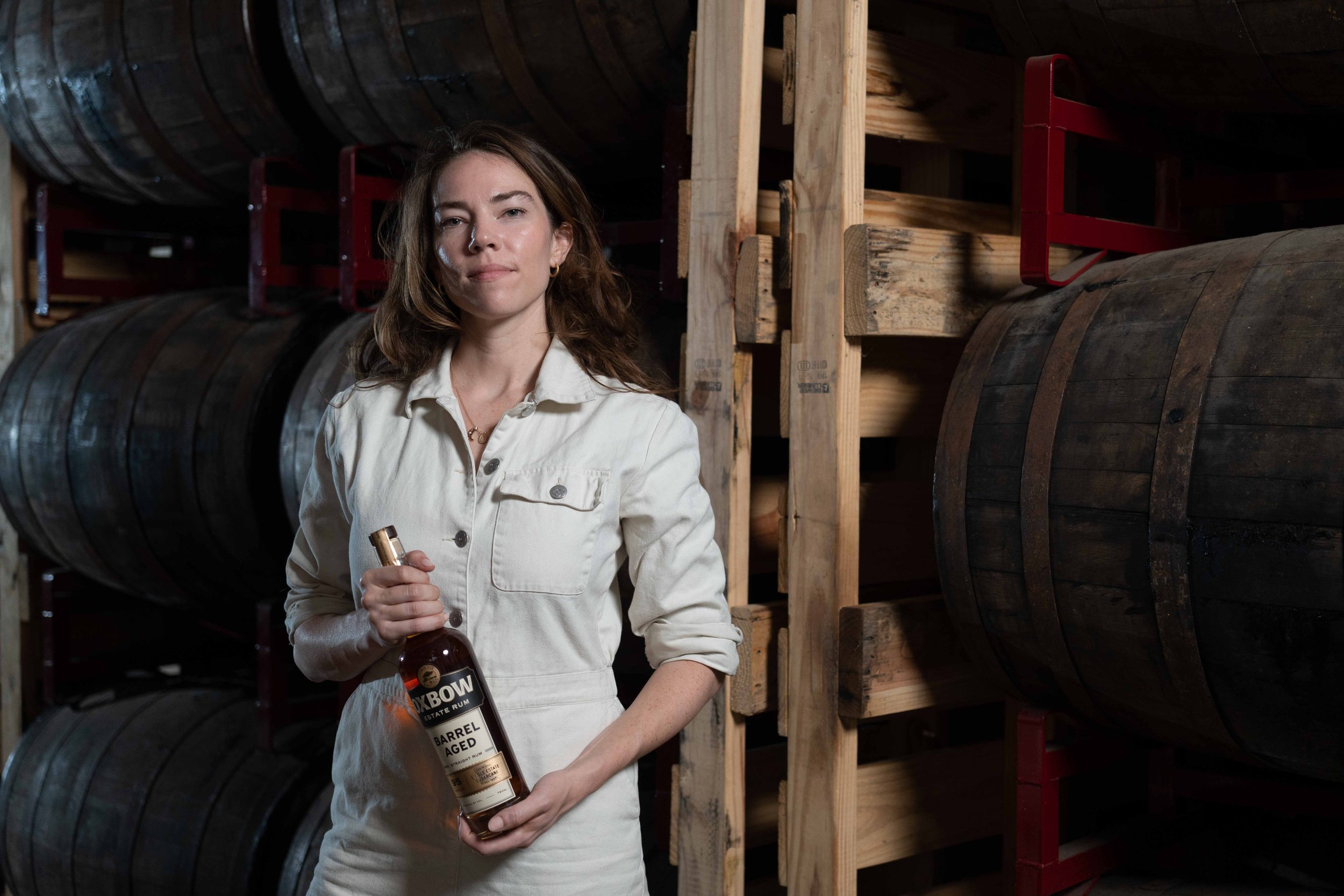
Olivia Stewart, President of Oxbow Rum
Olivia Stewart, President of Oxbow Rum, says her use of the term was independent of its tequila association - at first. She says, “I wasn’t really thinking about tequila. When I took over the distillery and started learning about the rum industry, I became aware that it was rampant with undisclosed additives. I knew we were making a pure product without any additives and I wanted the consumer to know that. Since making that decision, I do make the comparison to tequila when educating on the brand and the singularity of being additive-free because people are generally more aware of that issue with tequila than they are with rum.”
What's an Additive and are they Really Bad?
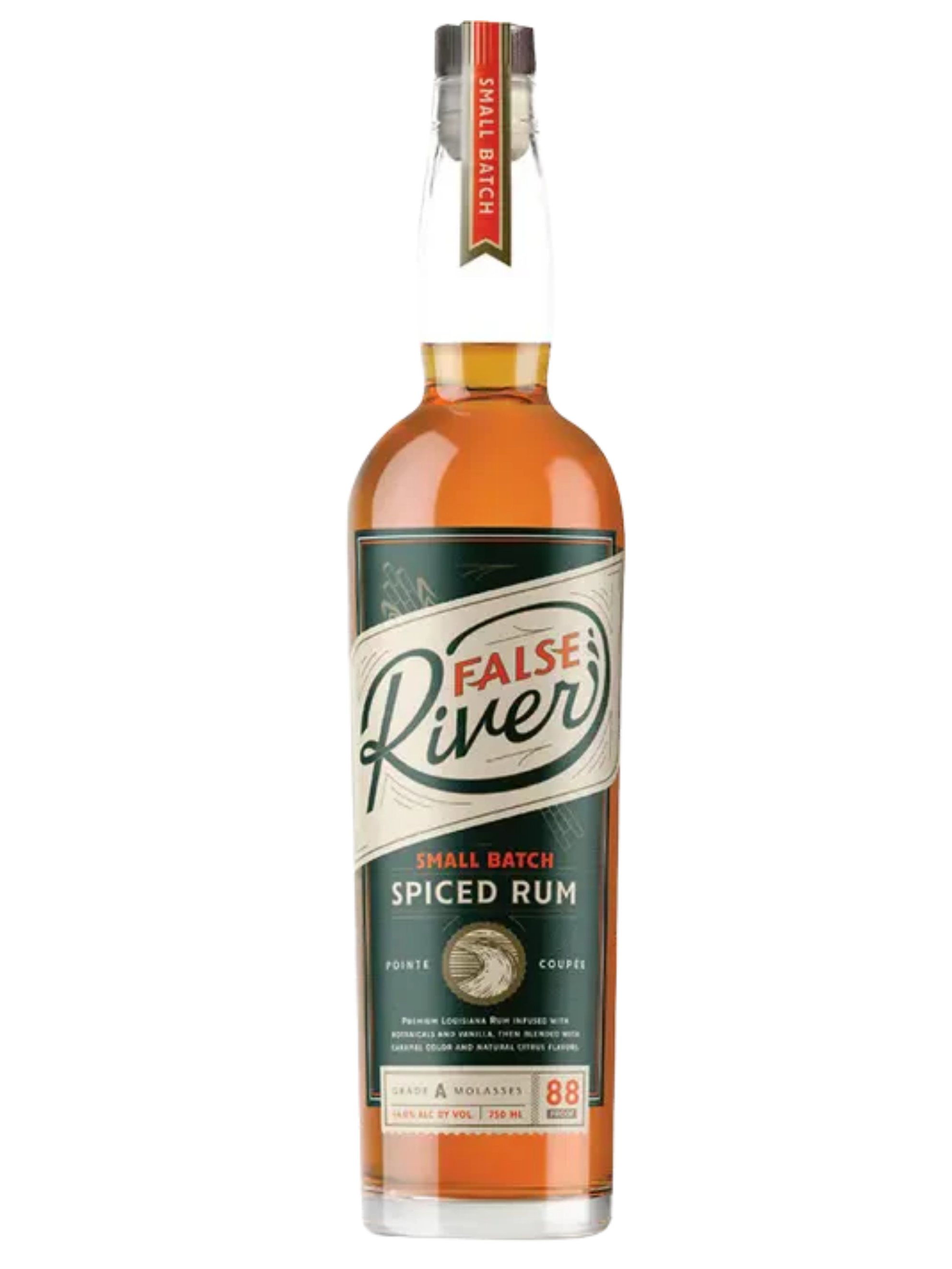
False River rum
Stewart of Oxbow says, “Additives aren’t inherently a bad thing—they can make for some really interesting flavors and products. My stance is that whatever the additive is, it should be clearly stated on the label as such.”
In addition to Oxbow Estate Rum, Stewart also produces the False River line of dark and spiced rum. She says, “My False River line of rum is my flavored or dark line, but it is still transparent. I chose to add the caramel color on the [Dark Rum] label even though I didn’t have to, for the sake of authenticity, transparency, and integrity.”
So, what is an additive, after all? It depends on who you ask. Some producers might say that an additive is anything not permitted by legislation, treating all legal additions to a spirit as outside the definition. The more common definition of additives would be any post-distillation flavoring and sweetening or smoothing agents. An even stricter definition would count coloring agents as additives as well.
Sweetening agents added to spirits include post-distillation sugar, honey, agave syrup, glycerin, and potentially sweeteners like high fructose corn syrup and aspartame. Flavoring agents can include natural flavors like oak extract, citric acid, prune juice, and fortified wines. Coloring usually refers to caramel color, which technically shouldn’t add flavor to spirits.
McBrayer of Spinnaker Rum says that his definition of additive-free is “No foreign substances added to the spirit post-distillation. I think this should be simple! I found it very frustrating that so much of the rum on current liquor store shelves contains sugar, glycerin, coloring, and flavoring, with little to none of it disclosed!”
Is Caramel Coloring an Additive?
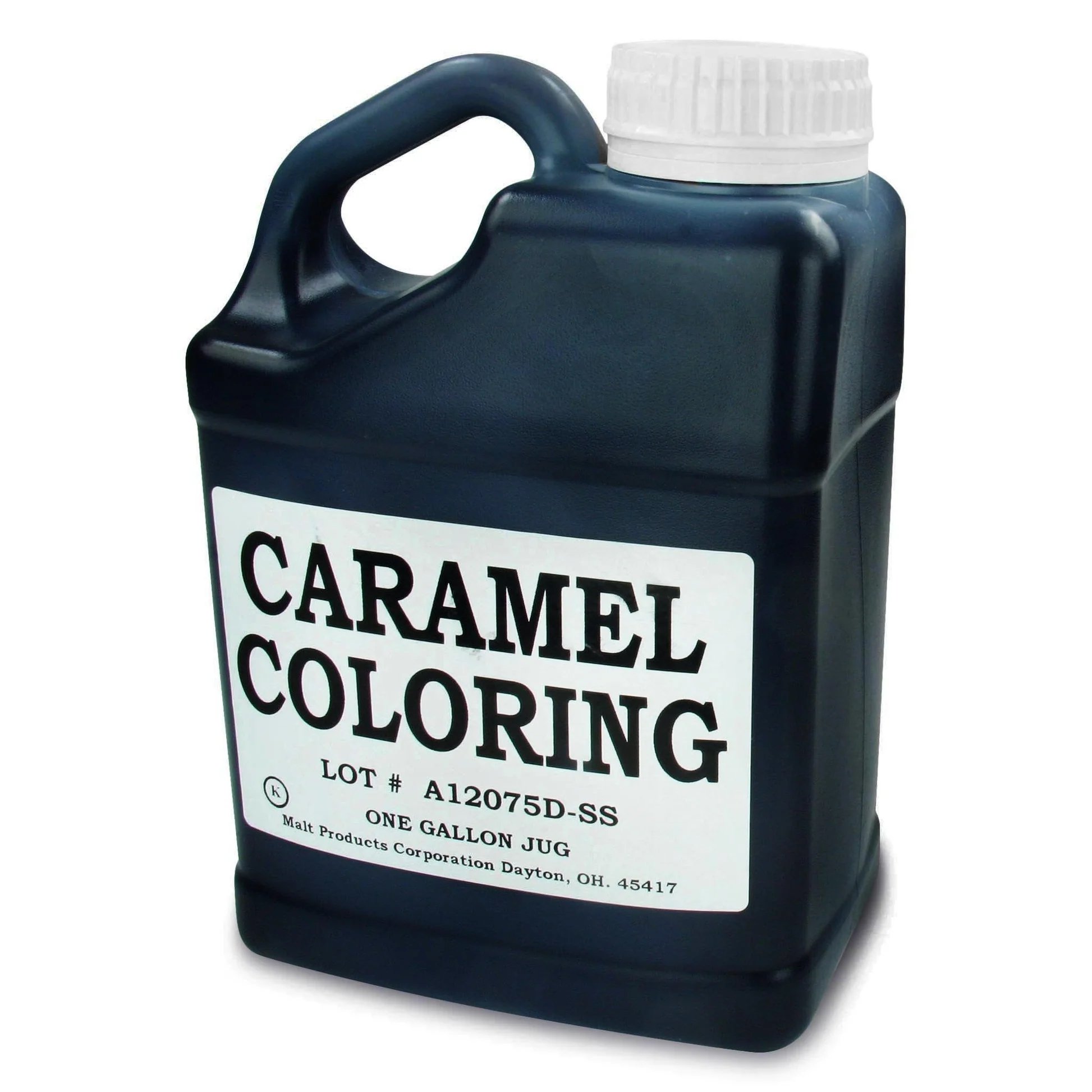
Caramel coloring
The argument in favor of using caramel coloring in rum, as well as in scotch whisky and tequila, is usually that it allows blenders to ensure consistent color batch to batch. This is to match consumer expectations for consistency, which is especially important for mass-market major brands.
Of course, those batches will be consistently darker than the natural color of the spirit out of the barrel- producers are always rounding up. But darkening a spirit’s color can also be a marketing trick to make them appear older—many consumers associate darker spirits with longer aging, higher quality, and higher asking prices.
So while caramel coloring is allowed and expected in most aged spirits, the generation of rum makers embracing the term “additive free” say that coloring also counts as an add-on.
McBrayer says, “Caramel coloring is a common additive in rum, and even countries with stricter production standards (like Jamaica) allow for limited use for color correction. Since rum is typically aged in used barrels, it often appears lighter than spirits like bourbon, which use new charred oak. For consistent products, color variation can be noticeable year to year, which is one reason producers use caramel. This color correction should have no impact on the flavor. I personally enjoy many rums that use light color correction, especially when it’s disclosed. People I think view sugar or flavoring with a more negative lens, since that alters the taste of the spirit.”
“That said, I do consider caramel coloring an additive. Even when used purely for visual consistency, it is still a post-production input that alters the final presentation. I made the decision that my approach will be to avoid it entirely and let color reflect the actual cask influence and age. That’s a stricter, and I might dare say radical stance in rum, especially for blends, but it aligns with how I define ‘additive-free.’”
Ten To One rums are described as “100% Additive Free” and “Modifications: None—no additives, adulterations, or chill filtration” on the website. I emailed the company to clarify, as it wasn’t directly spelled out, if they considered caramel coloring an additive. Shivani Pandya, Chief of Staff at Ten To One, responded, "Ten To One’s rums do not contain additives of any kind, and we do not use caramel coloring in any of our blends.”
Kuleana Rum Works’ letter defines their interpretation of “additive-free” as “It’s simple: we don’t put anything in our rum after it comes out of the still. If it’s clear, it’s unaged. If it’s brown, that color comes from time in used bourbon and cognac barrels.”
Stewart of Oxbow says, “Caramel color is 100% an additive as I am adding it to the finished product after distillation. I think the only thing you could do that with that isn’t ‘an additive’ would be water for the purposes of proofing. If someone put ‘additive-free’ on the label of a product that had caramel coloring in it, they would be lying.”