
12 Lesser-Known Wine Grapes Worth Trying
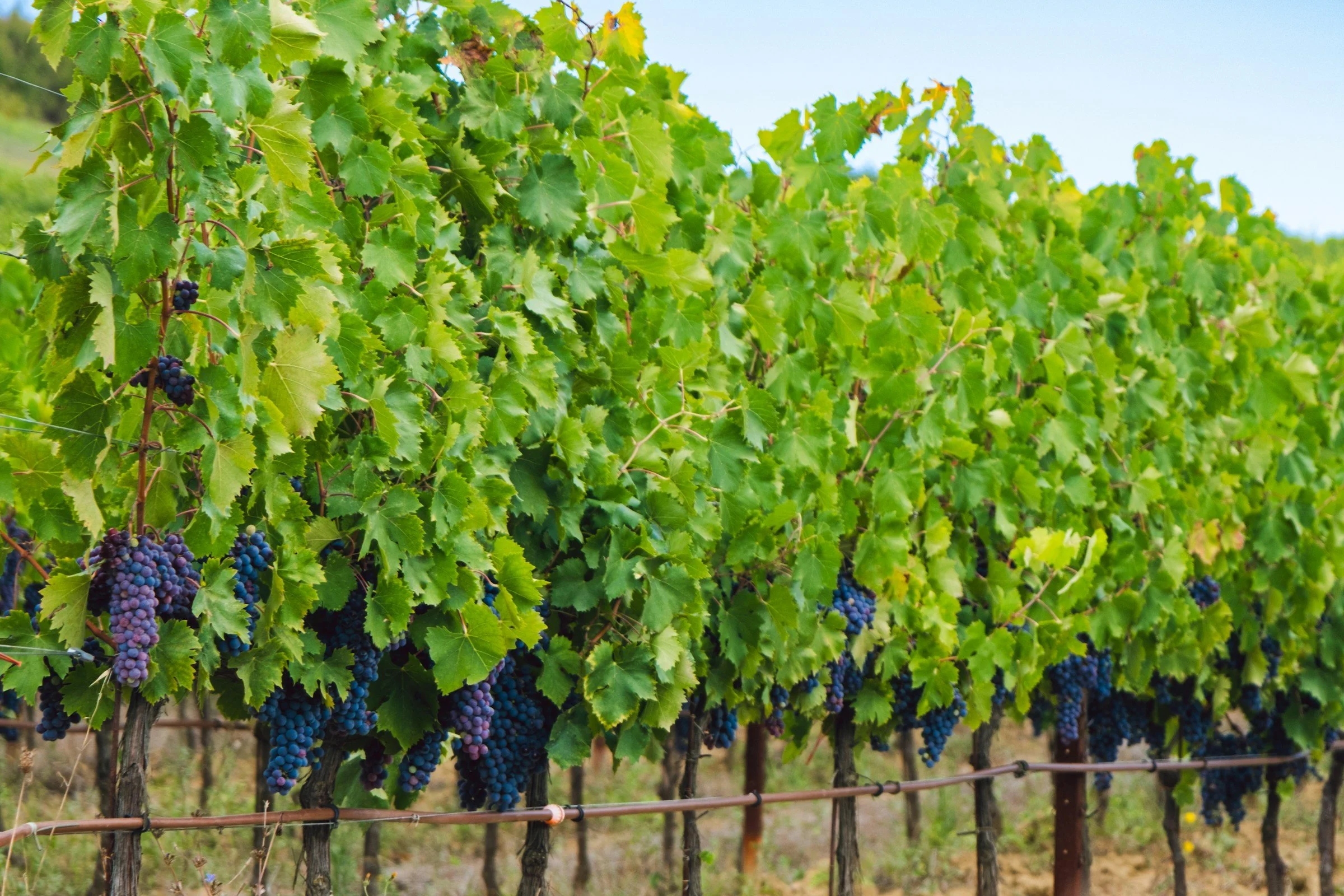
Sangiovese grapes on the vine. Photo credit Sue Winston
Quick. What’s your go-to wine? If you’re like most people, your answer falls into one of six buckets. That’s because wine is a numbers game, and many wineries make the wines they think people will want to buy. So out of the more than 1,000 wine grape varieties available around the world, only about 20 of them are widely cultivated.
People who sell wine want to turn a profit, too, so many boost their margins by mainly selling the most popular wines. That’s why when we go shopping for wine in the US, 80% of what’s on offer is one of six wines: pinot noir, sauvignon blanc, pinot grigio, merlot, chardonnay, and cabernet sauvignon.
The typical wine consumer rarely if ever gets to taste the other 994 varietals. So they’re missing out on a lot of delicious wine, from grenache to malvasia bianca to St. Laurent. That disparity inspired Allison Levine, a Los Angeles beverage marketing and events professional, to found The Festival of Undiscovered Grapes, an award-winning event exploring less popular California grape varieties.

The 2026 Festival of Undiscovered Grapes in San Jose. Photo credit Tri Nguyen Photography
A wine tasting devoted to obscure grapes like mondeuse, mencia and mourvèdre seems like it might be a magnet for insufferable wine snobs. But Levine says the sense of discovery attracts people with a wine range of wine knowledge, and even wine geeks are finding new wines.
“You don’t have to know a lot," Levine says. “Just come with an open mind.” And, wines made from under the radar grapes are often more affordable than the big six.
Levine says she was happy to hear a friend who always thought she hated red wine, rave about how much she liked carménère and carignan. “If people [only] drink what they like or know, you won’t know if there is something out there you like better,” Levine says. “There’s such a vast world of wine out there.”
Taking inspiration from the festival, we spoke to some of our favorite people in wine about grape varieties that they’d love to see more people discover.
If you like Pinot Noir, you might like…St. Laurent
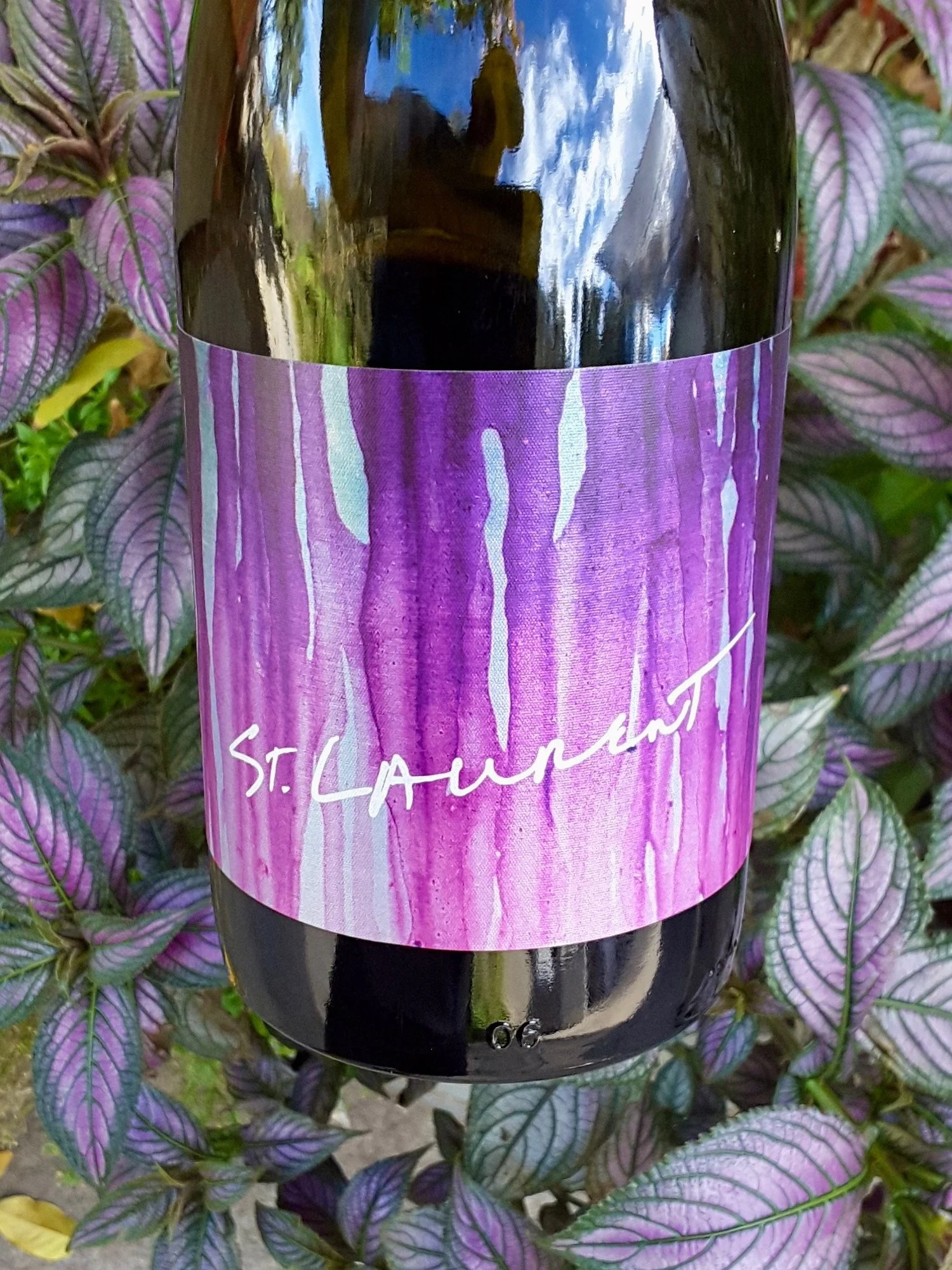
Tres Sabores Winery’s St. Laurent. Photo credit Miguel García
Why they make it: Jon Engelskirger of Tres Sabores Winery says it was love at first sight when he spotted dark, nearly ripe clusters of St. Laurent hanging on the vine in early August. After a long career making wine from all the usual suspects, he says he was excited to discover something new. Without ever tasting it, he bought a few tons from Ricci Vineyards in Carneros, and made an estimated 420 cases in 2014. He sold one case to every sommelier in Napa; unloading the rest took a while. But now people ask for it by name. “It kind of has its own fan club now,” he says. “People seem to know a little bit about it and look forward to it.”
Backstory: A cross between pinot noir and savignin, it’s believed that St. Laurent originated in Central Europe and became popular in Austria and the Czech Republic. The grape is named for the feast of St. Laurentius, celebrated in Central Europe on August 10, around the same time the grape is ready for harvest.
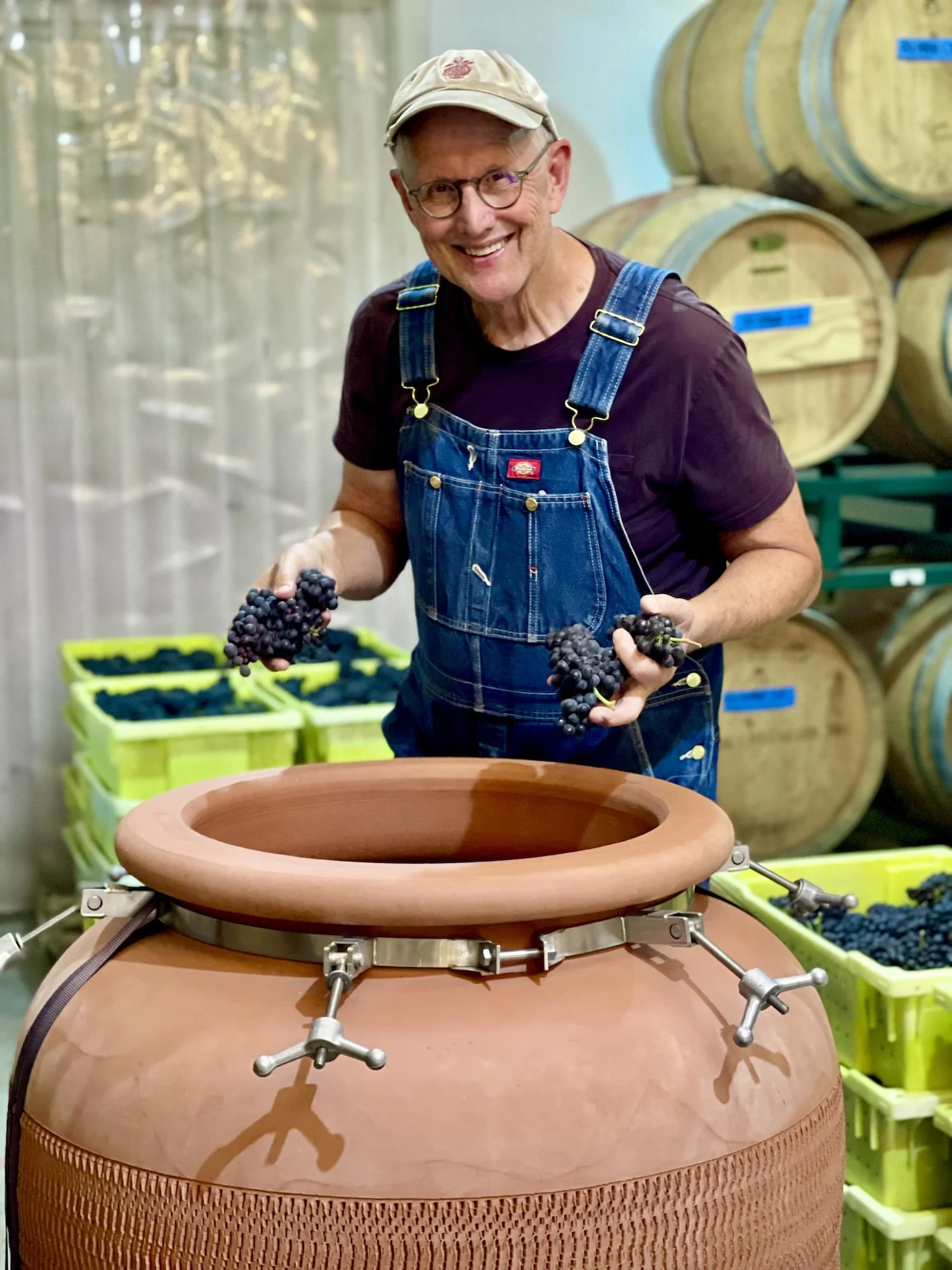
Tres Sabores Winery’s Jon Engelskirger. Photo credit Miguel García
Taste: St. Laurent is a deeply colored red wine that’s naturally low in alcohol and tannin and offers notes of mulberry, basil, and tart red fruit. Wine importer James Wright once called it “pinot noir’s kinky cousin.” Tres Sabores St. Laurent is fermented in clay amphorae, so it has a bit of funk.
Pairs with: St. Laurent’s natural acidity, low tannins and low alcohol make it delicious with spicy Indian dishes, Jamaican food, and anything umami rich like tomatoes, Parmigiano-Reggiano and mushrooms.
If you like Moscato, you might like…Malvasia Blanca
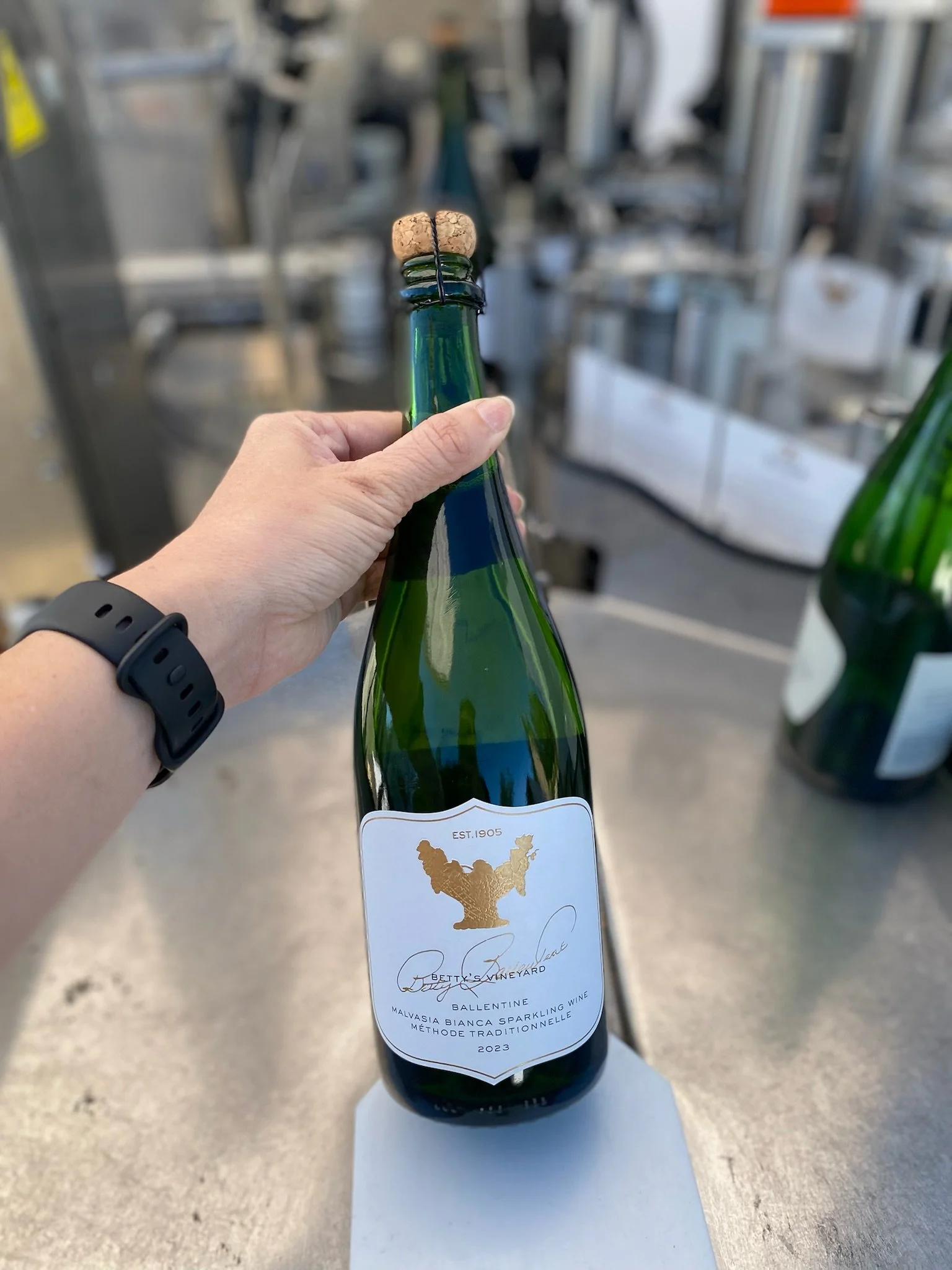
Ballentine Vineyards 2023 Sparkling Malvasia Bianca, Betty's Vineyard. Photo credit Jackie Deveny
Why they make it: “I wanted something to pay homage to the Italian side of the family,” says Bruce Devlin, winemaker for Ballentine Vineyards in St. Helena, says. “It’s very expressive if you eat it as a grape, so I planted it right next to the tasting room.” Ballentine’s malvasia bianca is a dry sparkling wine made the same way as Champagne, making it a unique find in a valley devoted to cabernet sauvignon and chardonnay.
Backstory: An ancient grape believed to come from the Greek isle of Crete, Malvasia was popular across the Mediterranean for a couple thousand years. Sweet malvasia wines were once so popular in Venice that shops selling imported wines were called Malvasie. Malvasia bianca is part of a vast network of more than 120 different red, white and pink grapes. They make a range of wines, but well-known ones include sweet wines like Malmsey Madeira and vin santo. It’s believed that Italian immigrants from Piedmont first brought the grape to California, according to WineMaker Mag.
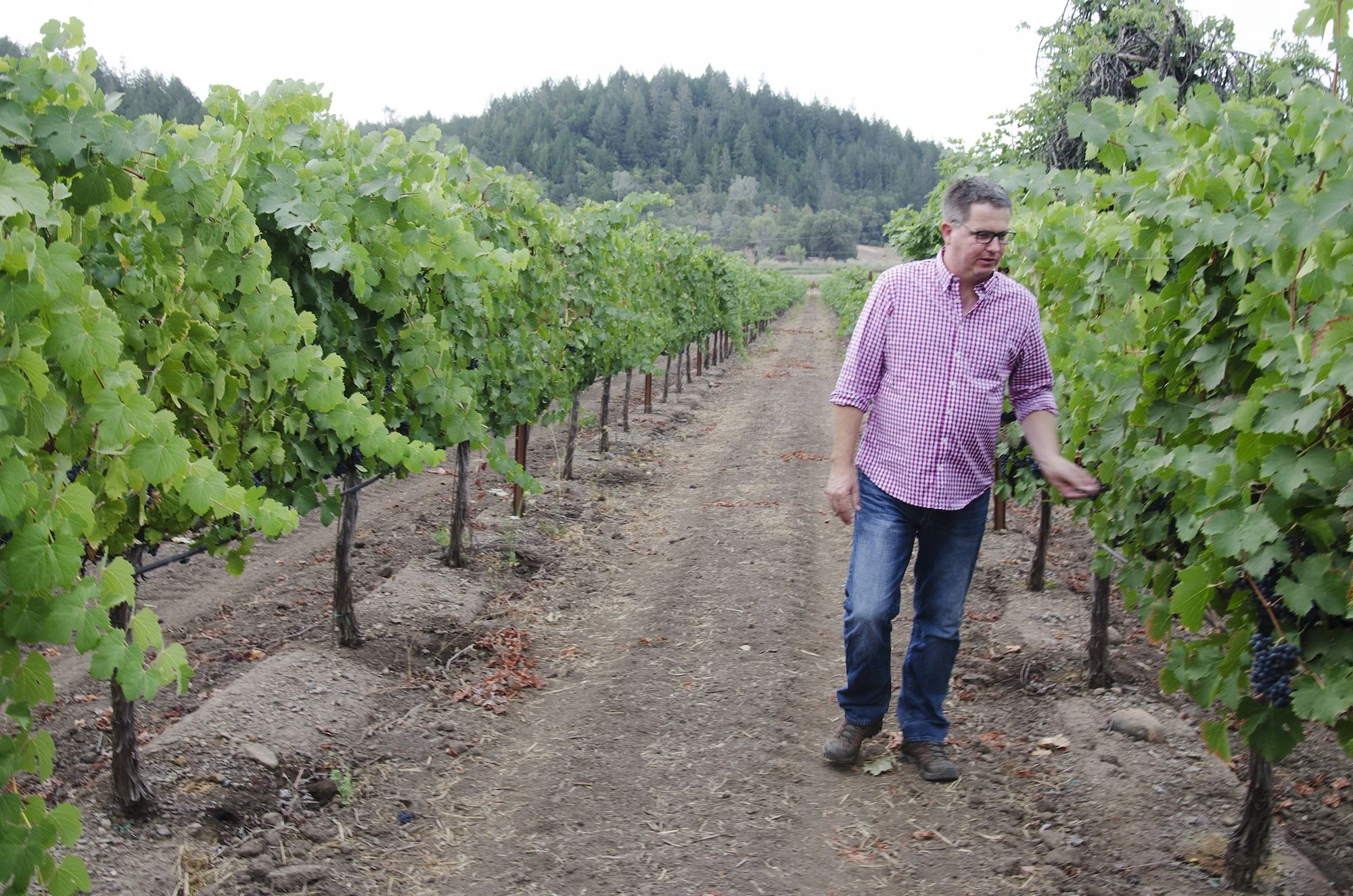
Bruce Devlin of Ballentine Vineyards. Photo credit Dan Mills
Taste: Malvasia bianca’s heady floral and fruit notes with hints of warm spice and fresh acidity make it wine that’s fun to drink. Devlin says his sparkling wine is floral and tropical with a hint of tangerine skin. While it’s fruity, Ballentine’s malvasia bianca is completely dry with no residual sugar.
Pairs with: Devlin says the acidity in sparkling Malvasia bianca make it perfect partner for fruit salads to salty foods like charcuterie like prosciutto, zesty cheeses and fried foods like fritto misto. “I want truffle fries and malvasia bianca,” he says.
If you like Malbec, you might like…Syrah
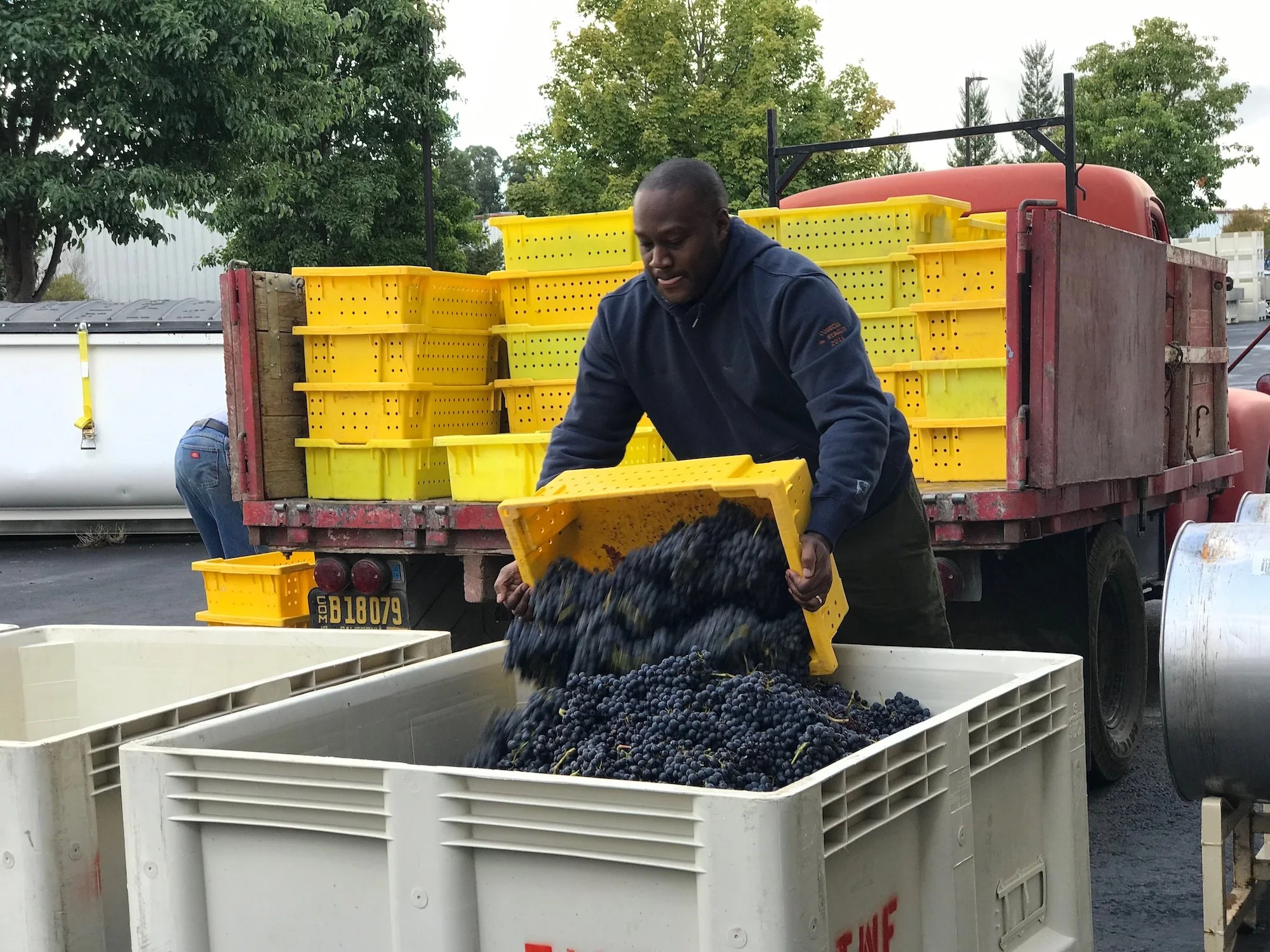
Artie Johnson of Le Artishasic unloading syrah grapes
Why they make it: So first off, syrah is not a new grape. And it’s not particularly rare either, but it is underappreciated and easily misunderstood, especially when made in the balanced and bright style that Artie Johnson of Le Artishasic favors. After years in the wine business, he knows that most people want familiarity and predictability when it comes to choosing wine. syrah doesn’t fit that model.
“What draws people to syrah is discovery,” he says. “I love working with a varietal that allows me to be creative and be an individual. With that choice comes a little more work.”
Backstory: Originally from the Rhône Valley, syrah is a cross between two obscure grapes: mondeuse blanche from the Savoie and dureza from the Ardèche. And while Shiraz, Iran has a long winemaking history, Syrah wasn’t part of it. The story about the grape having ancient Persian origins stems from French folklore that was popularized by Australian growers and wine writers. Syrah first arrived in California in the 1890s, died out with phylloxera, and made a comeback with the Rhone Ranger movement of the 1980s.
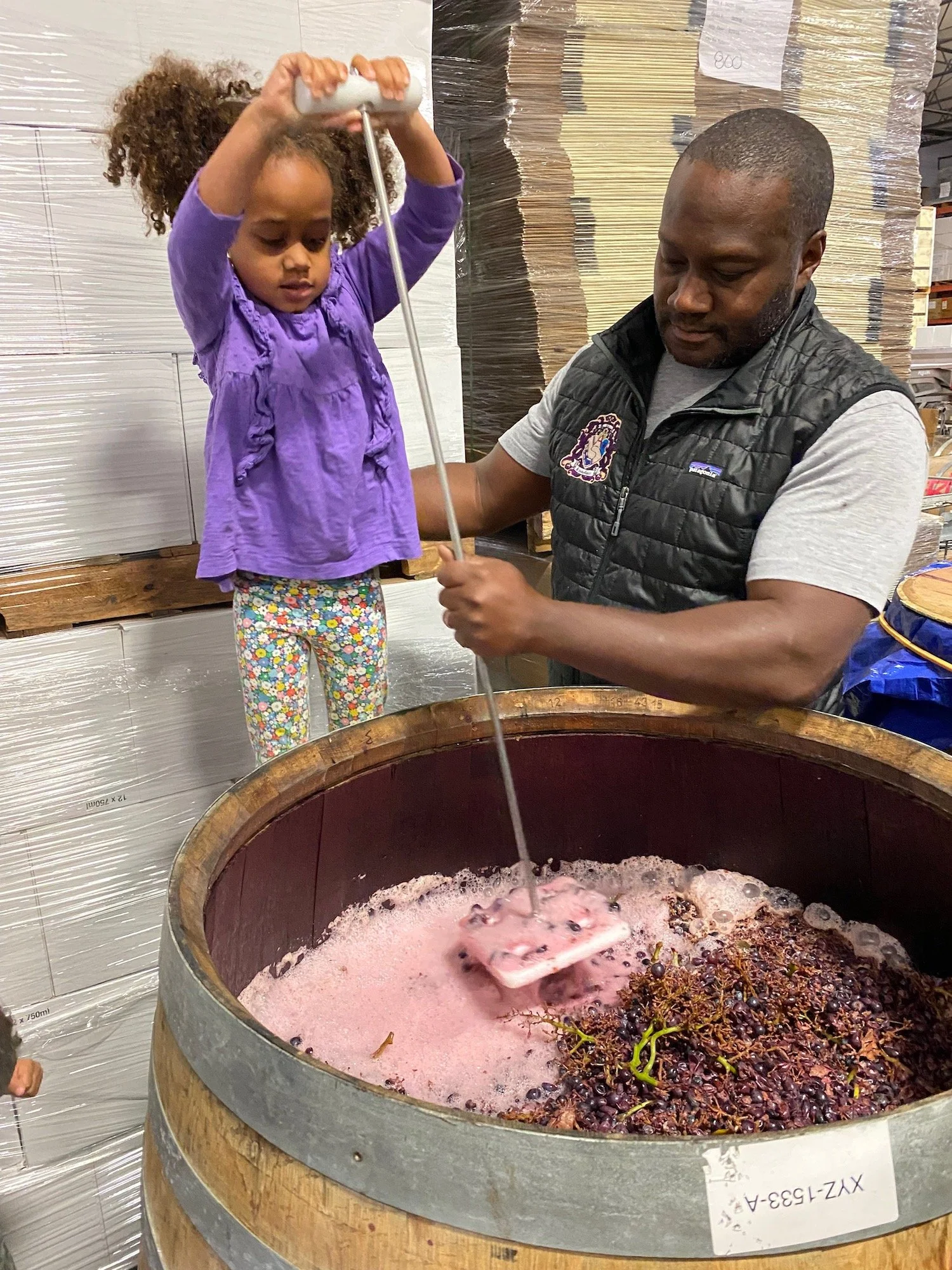
Johnson punches down fermenting syrah grapes with his daughter, Sicily
Taste: Johnson says the best California syrah plays it right down the middle: balanced and neither too heavy nor light. “Syrah at its best is medium,” he says. To achieve that, he blends fruit sourced from cool and warm sites into one harmonious symphony that includes “beautiful floral and savory, light spice and red berries” along with “deeper flavors of star anise, licorice, black pepper, blackberries and blueberries.”
Pairs with: Syrah is the meat lover’s wine, but it also works well with mushrooms, lentils, roasted root vegetables, salmon, and duck.
If you like Petit Verdot, you might like…Persan

Joe Ginet amongst Plaisance Ranch’s persan vines. Photo credit Maria C. Hunt
Why they make it: Joe Ginet of Plaisance Ranch in Oregon’s Applegate Valley says his family has been making wine in the Savoie for at least five generations. On one of his last trips, his cousins showed him they were cultivating persan, an obscure grape that had almost been forgotten even in Savoie. Ginet brought some cuttings back home, had them tested for viruses and now is the only vintner in the U.S. with persan vines.
Backstory: Persan is an ancient grape native to the Savoie in the French Alps, just like mondeuse. It’s known by a score of different names including princens, bécuet and étraire. It’s thought that persan comes from the word Princens, the name of a nearby village. DNA analysis in 2021 revealed that one of its parents is traminer, while the other is unknown.
Taste: It’s a high acid grape that’s typically aged for five years in Savoie. Tasted from the barrel, the inaugural Plaisance persan is a deeply colored wine that tastes of dark fruit mingled with tangy red plum and hints of warm spice and violets. Ginet says it reminds him of underripe mourvèdre.
Pairs with: Persan is tasty with the white cheeses and spicy sausages served at Plaisance; in Savoie, the wine is enjoyed with meaty stews, wild game, and aged Alpine cheeses like Comté, Appenzeller, and Gruyère.
If you like Merlot, you might like…Sangiovese
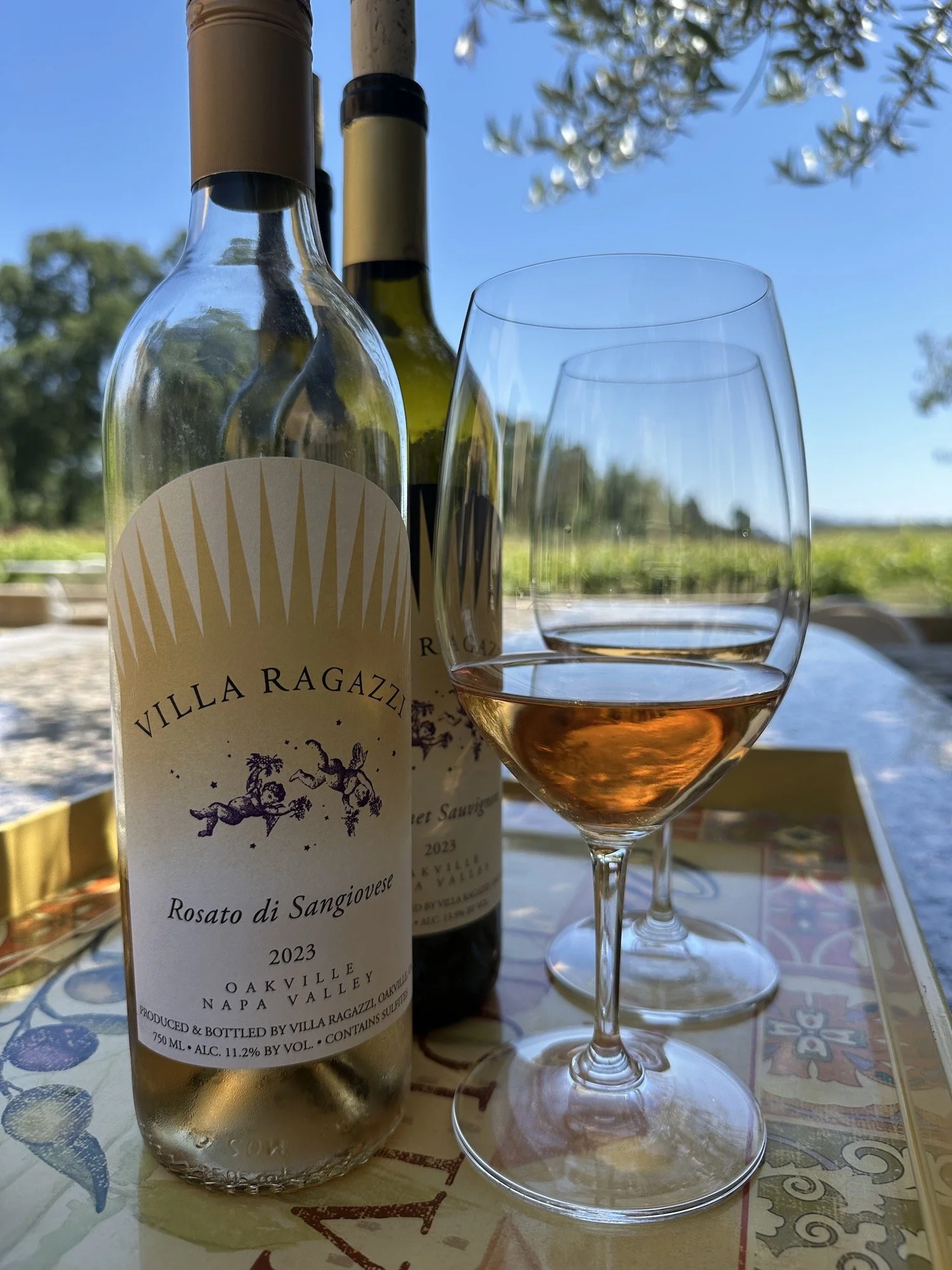
Villa Ragazzi’s Rosato di Sangiovese. Photo credit Maria C. Hunt
Why they make it: Michaela Rodeno says her late husband Greg fell in love with sangiovese, so they planted an acre of it alongside cabernet sauvignon at their Oakville property Villa Ragazzi Winery. She bottles a red and rosato sangiovese, as well as a delicious cabernet-sangiovese blend.
Backstory: Sangiovese is native to Tuscany, and has been made into wine since ancient Estruscan times. The grape is so much a part of Italian culture and history that the name means “the blood of Jove” in Italian, a reference to the mythical king of Roman gods. According to Capstone California, sangiovese’s grape parents are ciliegiolo and Calabrese montenuovo. Italian immigrants brought sangiovese to California in the 1800s, with a notable early planting at Seghesio near Geyserville.
Taste: Aromas and flavors of tart red cherries, Santa Rosa plums, earth, and minerals abound in Villa Ragazzi’s Napa Valley sangiovese, which is tangy with the texture of raw silk. They pick early to preserve the grape’s natural acidity, which also keeps the alcohol modest.
Pairs with: “It’s very versatile because of all that acidity,” Rodeno says. Sangiovese shines with rich foods like aged gouda, bistecca alla fiorentina, seafood (depending on the sauce), and anything with tomatoes.
If you like Cabernet Sauvignon you might like…Lambrusco
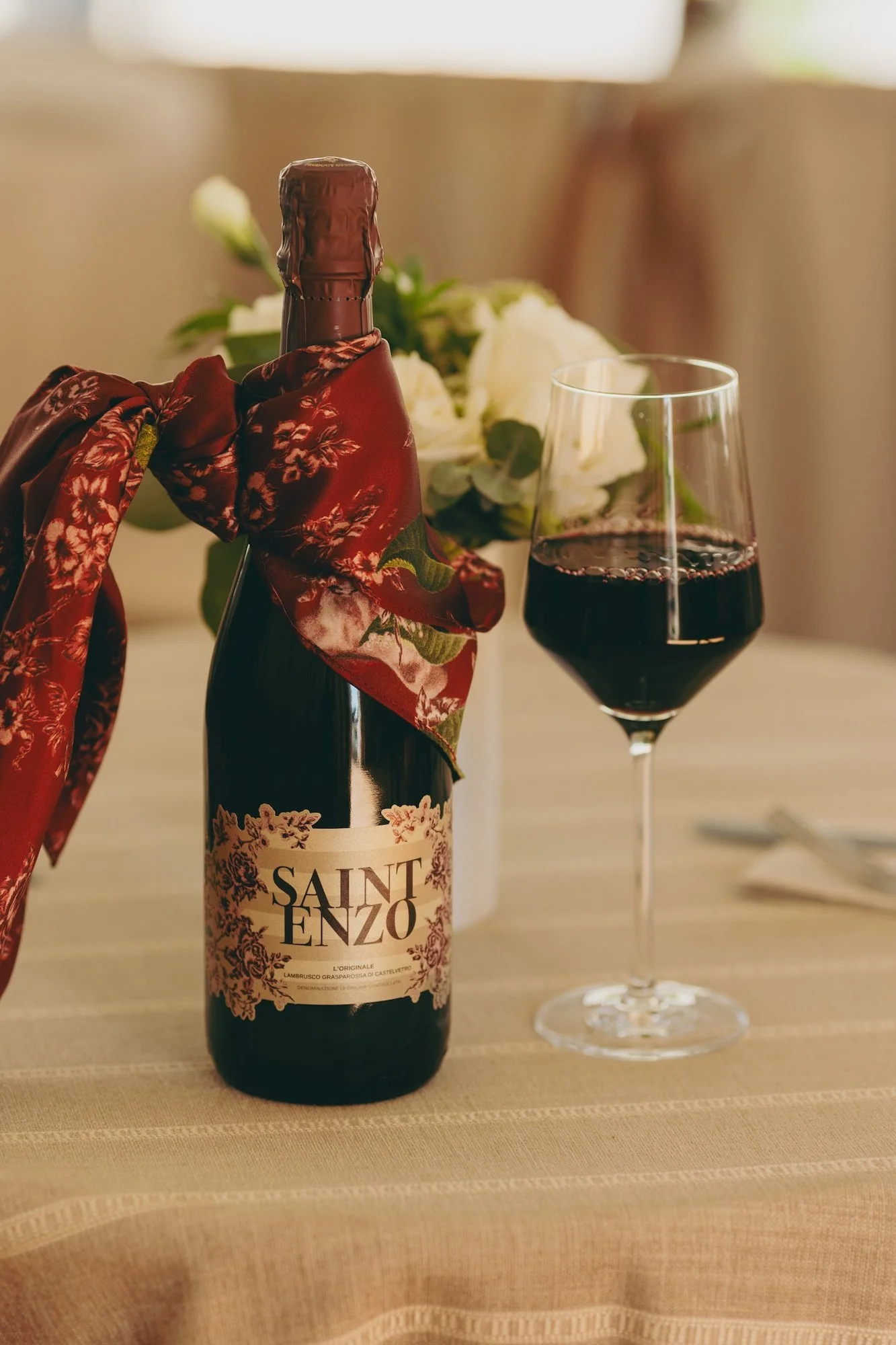
Saint Enzo Lambrusco. Photo credit Saint Enzo
Why they make it: Myisha Moore and her husband Armon are brunch connoisseurs, and they found themselves bored with the usual lineup of brunch sparkling wines. Their quest for something different led them to launch their own wine. Their Saint Enzo Lambrusco is a vibrant, dry red sparkling wine crafted from 100% lambrusco grasparossa. “Here in America we haven’t tasted the true lambrusco,” she says. “This is a really fun expression that’s new to this generation.”
Backstory: Lambrusco is an ancient family of Italian grapes from Emilia-Romagna that were appreciated by the Etruscans. Lambrusco grasparossa, named for its red stems, is the boldest, most tannic, and most deeply flavored of the bunch.
Italians enjoy it in many styles, but the style that caught on in the U.S. in the 1970s was a super sweet wine from Riunite. Those pop wines ruined lambrusco’s wine cred for a few generations, but serious dry wines are made in Italy and California.
Taste: Saint Enzo Lambrusco is a dry, effervescent wine with dark cherry, plum, spice, purple flowers, and hints of cocoa wrapped in structured tannins.
Pairs with: Lambrusco grasparossa has the chops to pair with steak and eggs, bacon, and spicy breakfast sausages, as well as lasagna, pasta with meat sauce, barbecue ribs, and dark chocolate.
If you like Chardonnay, you might like…Pinot Gris
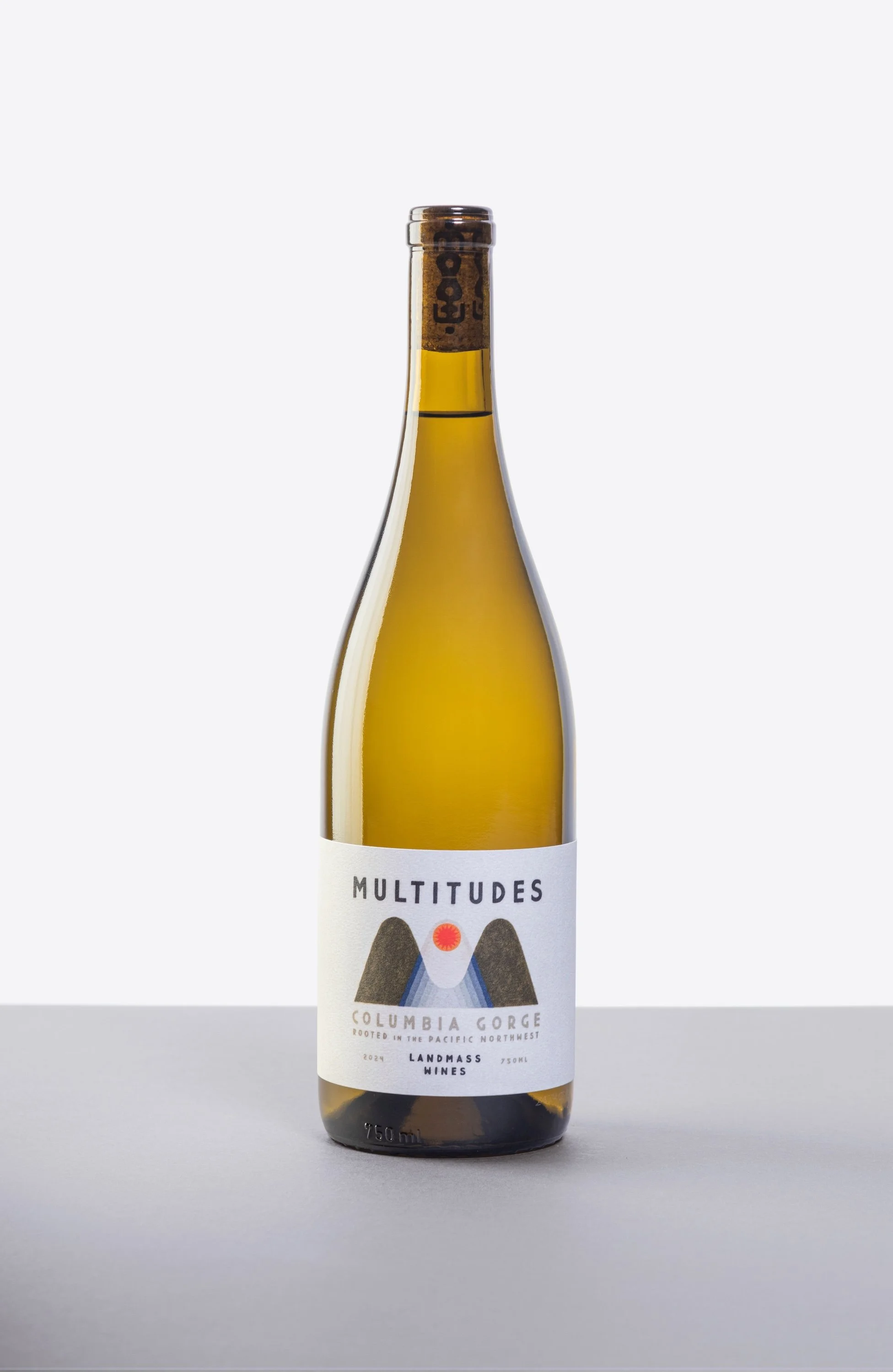
Multitudes, chardonnay and pinot gris blend
Why they make it: Melaney Schmidt, the winemaker and co-owner of Landmass Wines in Oregon, says pinot gris doesn’t get enough respect. She’s talking about true pinot gris made in the style of French wines from Alsace and Burgundy, not to be confused with bargain pinot grigio. “People think it’s a super economical wine from Italy,” she says. “But here in Oregon we’re making some incredible pinot gris.” These wines have pleasing weight, lush aromas, and reflect their terroir.
Backstory: Pinot gris is a mutant form of pinot noir with pale, pinkish gray skin. It originated in Burgundy and is popular in the Alsace, and also in Austria and Germany. Oregon wine pioneer David Lett of Eyrie Vineyards planted Pinot Gris in the Willamette Valley in the mid-1960s, emulating the richly aromatic Alsatian style.
Taste: Pinot gris can drink like chardonnay if it’s aged in oak, or more like sauvignon blanc if made in stainless steel. The Landmass Multitudes pinot gris blend, which is made in stainless, is sourced from a vineyard on Underwood Mountain that used to be a pear orchard, so the wine reveals pears and flowers. “The soil remembers,” Schmidt says.
Pairs with: Pinot gris shines with aromatic Vietnamese and Thai dishes, seafood, poultry, and vegetables like greens, corn, and tomatoes.
If you like Pinot Noir, you might like…Counoise
Why they make it: Traditionally a Rhône blending grape, counoise is starting to show up as the headliner, says Blaze Williams, a partner in No Love Lost Wine Co. Co-owner and winemaker Jay Nuñez, always on the lookout for discovery wines, sourced the fruit from the Claypool family’s vineyard out in Lodi.
Backstory: Counoise is associated with France’s southern Rhône Valley but it’s believed the grape is originally from Spain. In Châteauneuf-du-Pape, the grape is blended with syrah and grenache to brighten up blends. Tablas Creek Vineyard brought the first Counoise vine cuttings, sourced from Château Beaucastel, to the U.S. in 1990.
Taste: Counoise offers tangy red fruit, hints of pepper and earth. No Love Lost uses whole cluster carbonic maceration, a style of fermentation without oxygen, to create a lighter-colored counoise that has exuberant fruit notes and texture thanks to the stems.
“We’ve done it since 2019. Sometimes it’s more light and fruity, and sometimes deeper,” Williams says. “It’s kind of our wild card wine. Most people are willing to try it. Usually if people ask about it they’re willing to try it.”
Pairs with: Counoise is perfect for chilling down and enjoying with mushrooms and pork, especially barbecue ribs.
If you like Sauvignon Blanc, you might like…Koshu
Why they make it: Winemaker Kale Anderson says making wine from koshu, the pink Japanese wine grape, sounded like a fun new project. He teamed up with the Sakazaki family of Napa Valley-based Kazumi Wines, the only winery cultivating koshu outside of Japan, to release their first wine in 2021.
Backstory: Koshu originated in Japan’s Yamanashi Prefecture, at the base of Mount Fuji. It’s a cross between a wild Chinese grape and a European vitis vinifera wine grape believed to have been brought to the area on the Silk Road trade route. Originally a table grape, it was first used for wine in the 1870s. About 95% of the world’s koshu vineyards are in Japan’s Koshu Valley wine region. Michelle Sakazaki first planted it in 2018 as an experiment; now their 5.5 acres represent the only commercial koshu vineyard outside Japan.
Taste: Koshu can be made into rosé, white, and sparkling wines; Kazumi makes still and sparkling white wines with notes of tangerine, white peach, minerals, and white flowers. “It retains its acidity beautifully which makes it ideal for methode Champenoise sparkling wine,” Anderson says. “If you press it lightly, you end up with a completely white wine. If you give it skin contact in Napa, it will make an orange rosé wine.”
Pairs with: Traditional pairings for koshu include sushi, sashimi, shellfish, tempura, and seaweed salads. It’s also lovely with goat cheese and chicken.
If you like Merlot, you might like…Charbono
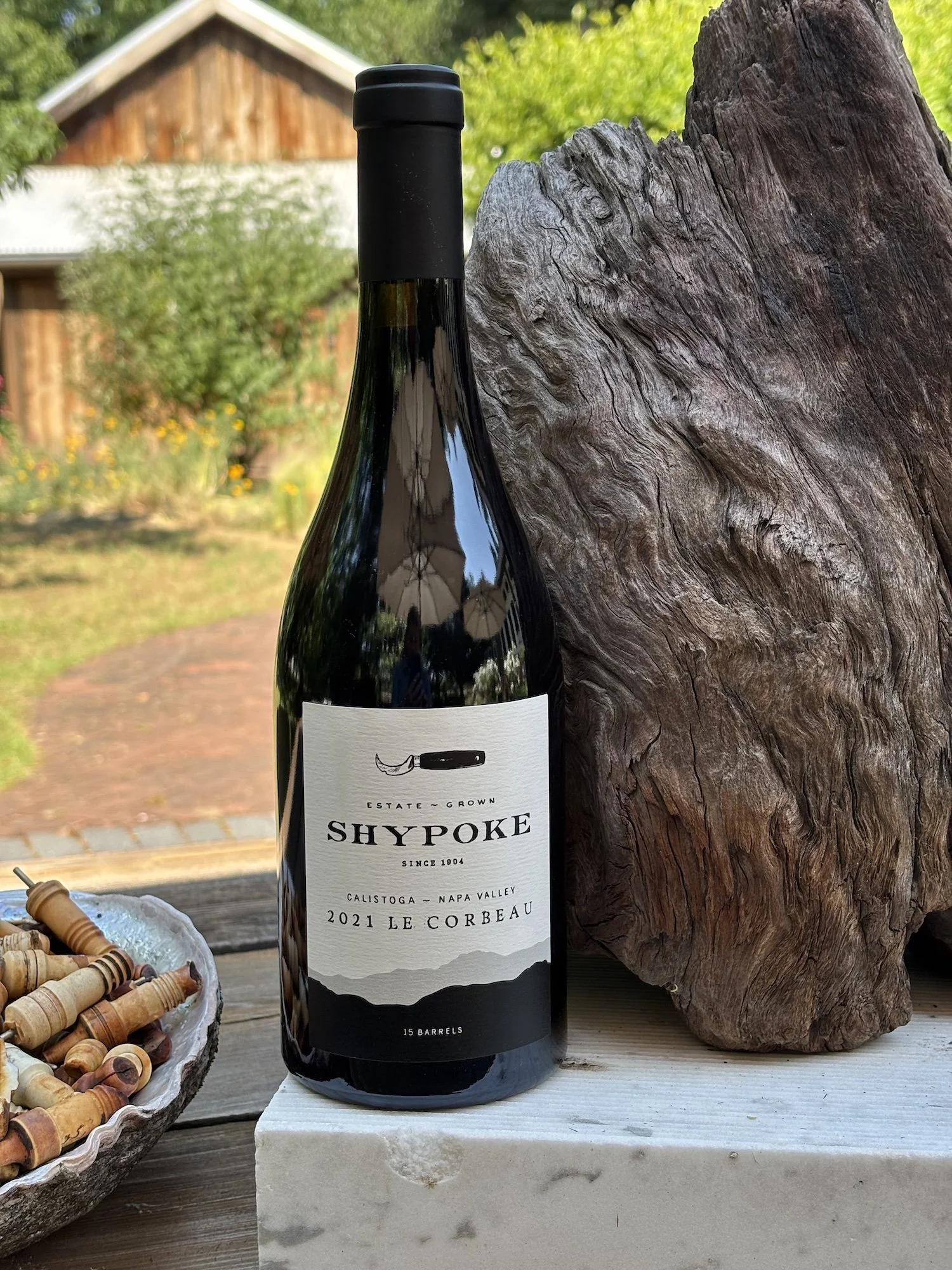
Shypoke Winery’s Le Corbeau. Photo credit Peter Heitz
Why they make it: Charbono is part of winemaker Peter Heitz’s family heritage: they’ve been growing it in Calistoga since 1904. He makes one for his Shypoke Winery label, calling it Le Corbeau, the original French name. It’s a favorite among the German and Swiss-Italian families who settled the area, but unlike Napa cab, it’s not a money maker. “No one wants to pay more than $40 for a bottle of charbono, and that doesn't even pay for farming it,” Heitz says. “People do it for love.”
Backstory: Originally from the Savoie region of France, charbono (also known as bonarda in Argentina) is a distinct varietal that wasn’t derived from a cross. California charbono was inducted into the Slow Food Ark of Taste in the early 2000s.
Taste: Charbono is a rich wine with modest tannins and high acidity, charbono often shows notes of dark berries, cloves, tobacco, and leather.
Pairs with: “The natural acidity makes it a good food wine, though its tannin pushes it toward sharp cheeses and fatty meats,” Heitz says. Think barbecue, lamb chops, charcuterie, sausages, and even Chinese chicken salad with a savory soy dressing.
If you like Chardonnay, you might like…Roussanne
Why they make it: Varinder and Anita Sahi love Rhône wines and made them the focus of Copia Vineyards, based in Paso Robles. “I love Rhône white blends, and the way I create this blend I want this wine to be able to stand up to cuisines,” Varinder says about his 2025 White, a blend led by roussanne along with viognier and picpoul.
Backstory: Most likely a native of the northern Rhône, roussanne’s name comes from the word roux, referring to the rusty red color of the ripe grapes. Roussanne is closely related to the grape marsanne, a frequent pairing partner in blends. But scientists don’t know which is the parent and which is the child. Tablas Creek brought the first actual roussanne cuttings from Château Beaucastel to the U.S. and started cultivating them in the early 1990s.
Taste: His white Rhône blend is close to 50% roussanne, and he ages it in neutral oak or clay amphorae to let the varietal speak. “The roussanne is for the volume, body, and richness of the wine,” he says “There’s definitely stone fruit, apricot, a little honeysuckle, and a citrusy flavor. It’s absolutely mineral, because in our terroir there are limestones.”
Pairs with: Varinder says the roussanne blend works well with any food that has richness, from shellfish to white sauce pastas; the creamy tomato curry called shahi paneer; fried pakoras; tandoori shrimp; and chicken malai tikka, a luxurious dish of grilled chicken that’s been marinated in yogurt, cream, and spices.
If you like pinot noir, you might like…Grenache
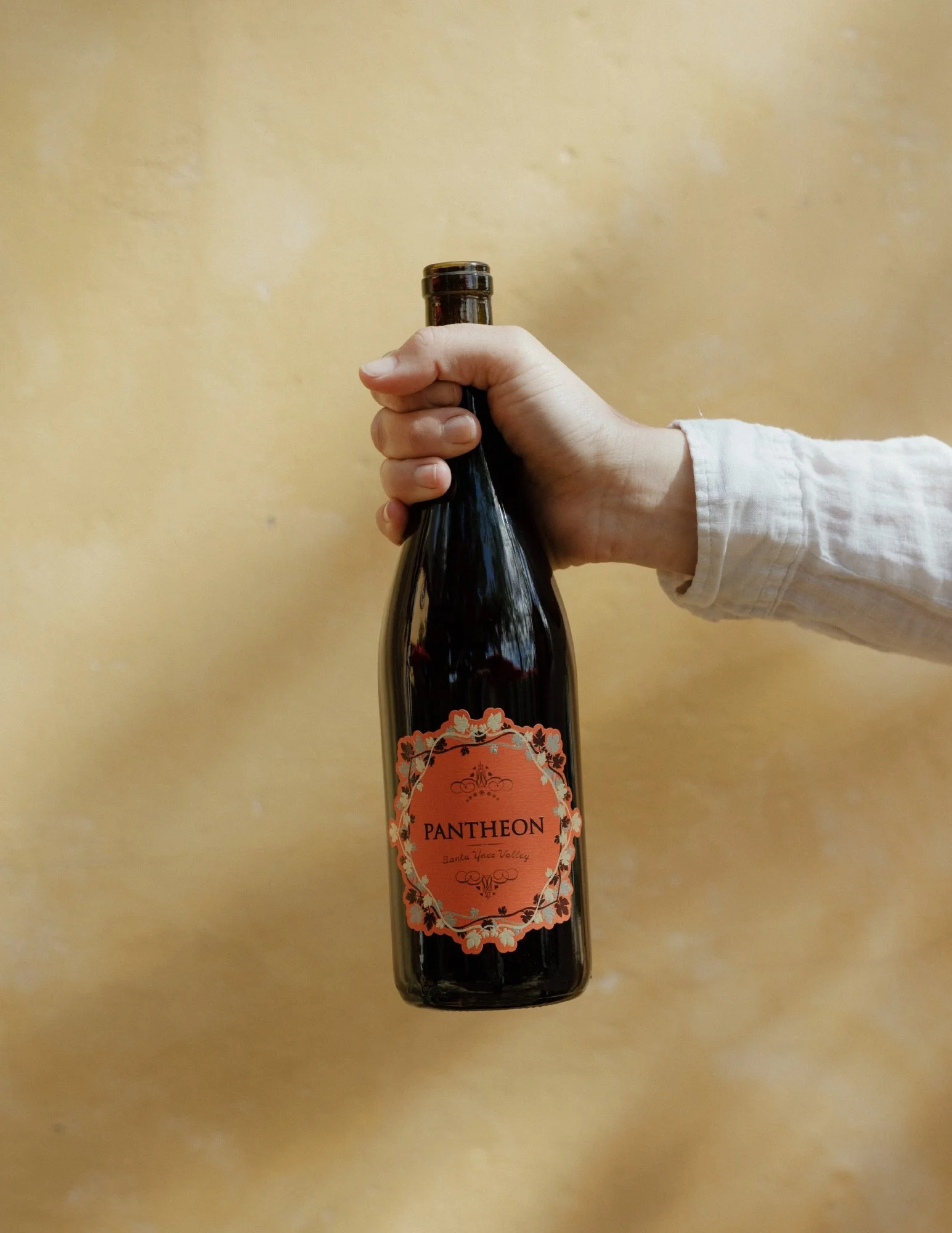
Demetria Estate Pantheon Red. Photo credit Ali Beck
Why they make it: Winemaker Ryan Roark says the family that owns Demetria Estate wanted to offer something different from the typical varietals found in the Los Olivos area of Santa Barbara’s Santa Ynez Valley. The family was drawn to the wines of the Rhône, and realized grenache is well-suited to the warm climate. They planted 15 acres of grenache, along with mourvèdre, syrah, and viognier, at their biodynamic estate. Just like pinot noir, Grenache does a great job of reflecting its terroir, Roark says.
Backstory: Grenache, aka garnacha (or garnaxta), in its home country of Spain, was likely first cultivated in the Aragon region, though other sources point to Sardinia. It thrives in warm climes around the world where it can ripen fully. It’s such an ancient grape, that its DNA doesn’t reveal any relationships to grapes known today. According to Capstone California, Santa Clara winegrower Charles Lefranc brought grenache to the state in the 1860s.
Taste: “For me, a classic grenache is relatively pale in color. It's not super inky, aromatic, a lot of tart aromatics and floral, but there’s also barnyard funk, a little bit of earthy-type character and nice fruit and acid,” Roark says. The Demetria Pantheon, a blend with mourvèdre, is a juicy but slightly edgy wine that often shows tart plum, cherry, and raspberry. “I think it fits a lot of people whether they know it yet or not,” Roark says.
Pairs with: Grenache is perfect with grilled meats, lamb dishes, and mushrooms as well as with tomatoes, as in a baked tomato tart with herbs and goat cheese.