
Styles of Sparkling Wine That Aren't Champagne
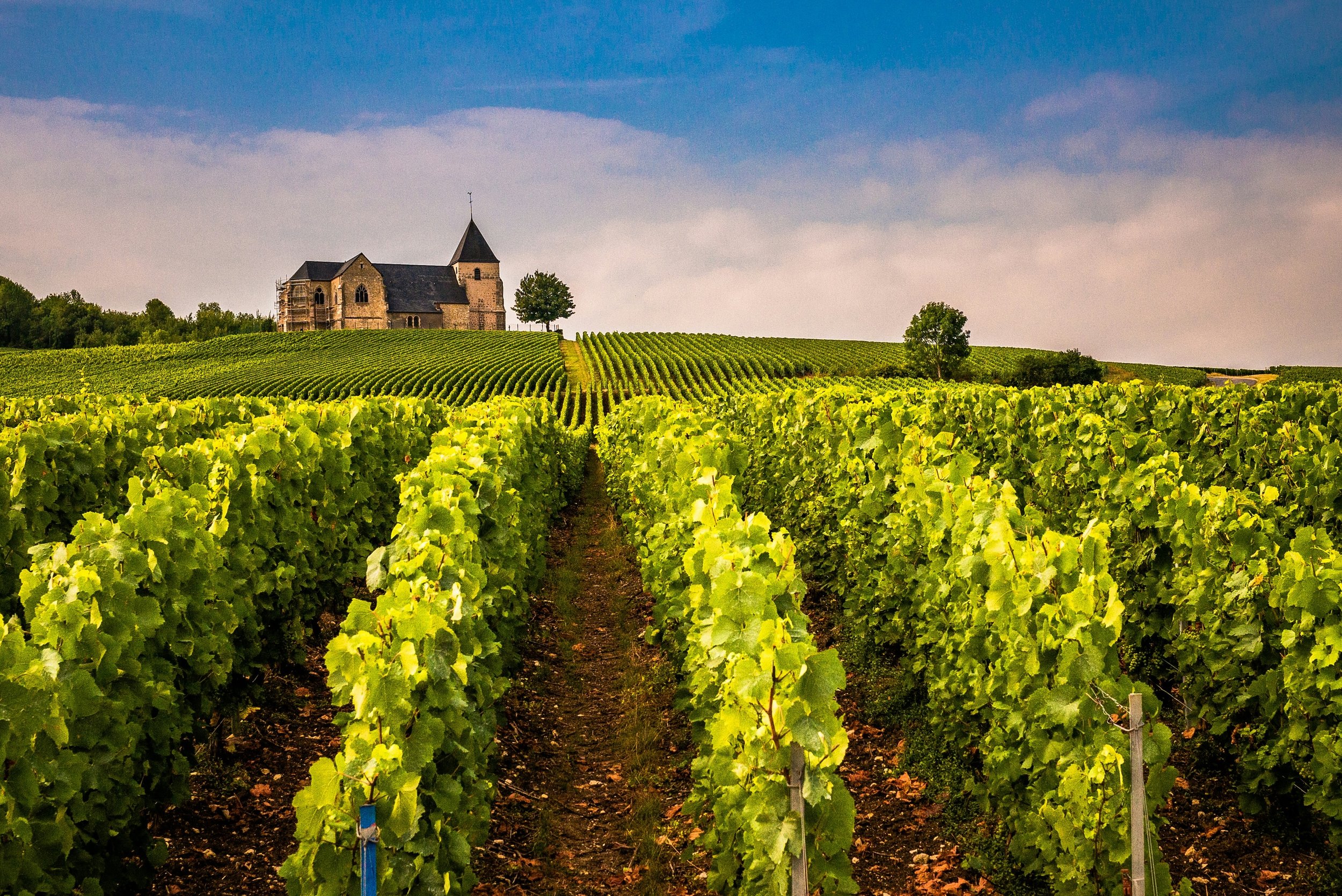
Vineyard in Champagne
Champagne may be the most well-known sparkling wine, but it's nowhere near the only one. In France alone, there is also crémant, Clairette de Die, Seyssel, Saint-Péray, and Blanquette de Limoux to name just a few. While the term "Champagne" is commonly used to describe any bottle of bubbly wine capped off with either a crown cap or cork with a wire cage, technically, any wine produced outside of the Champagne region of France cannot be called Champagne. Beyond region, the factors that influence how a sparkling wine tastes include the grape varieties used, as well as the method used to produce the bubbles.
Traditional Method Sparkling Wine

Champagne
Premium sparkling wines made using the "traditional method" (also called méthode traditionnelle or méthode champenoise) are often considered the most prestigious and time-consuming. They're made in the same style used by winemakers in the Champagne region of France to produce Champagne. This method starts in the vineyard with pinot noir, chardonnay, pinot meunier, and pinot blanc as the most popular grapes.
Post-harvest, pressing extracts the first juice which is called cuvée. This juice undergoes its first fermentation creating a still base wine as the sugar transforms into alcohol. This base still wine is bottled with sugar, yeast, and nutrients called liqueur de tirage that produce a second fermentation within the sealed bottle with a crown cap. Now the wine rests as it ages on its lees, which are spent yeast cells that break down slowly and release those compounds that enhance the wine's texture and flavor.
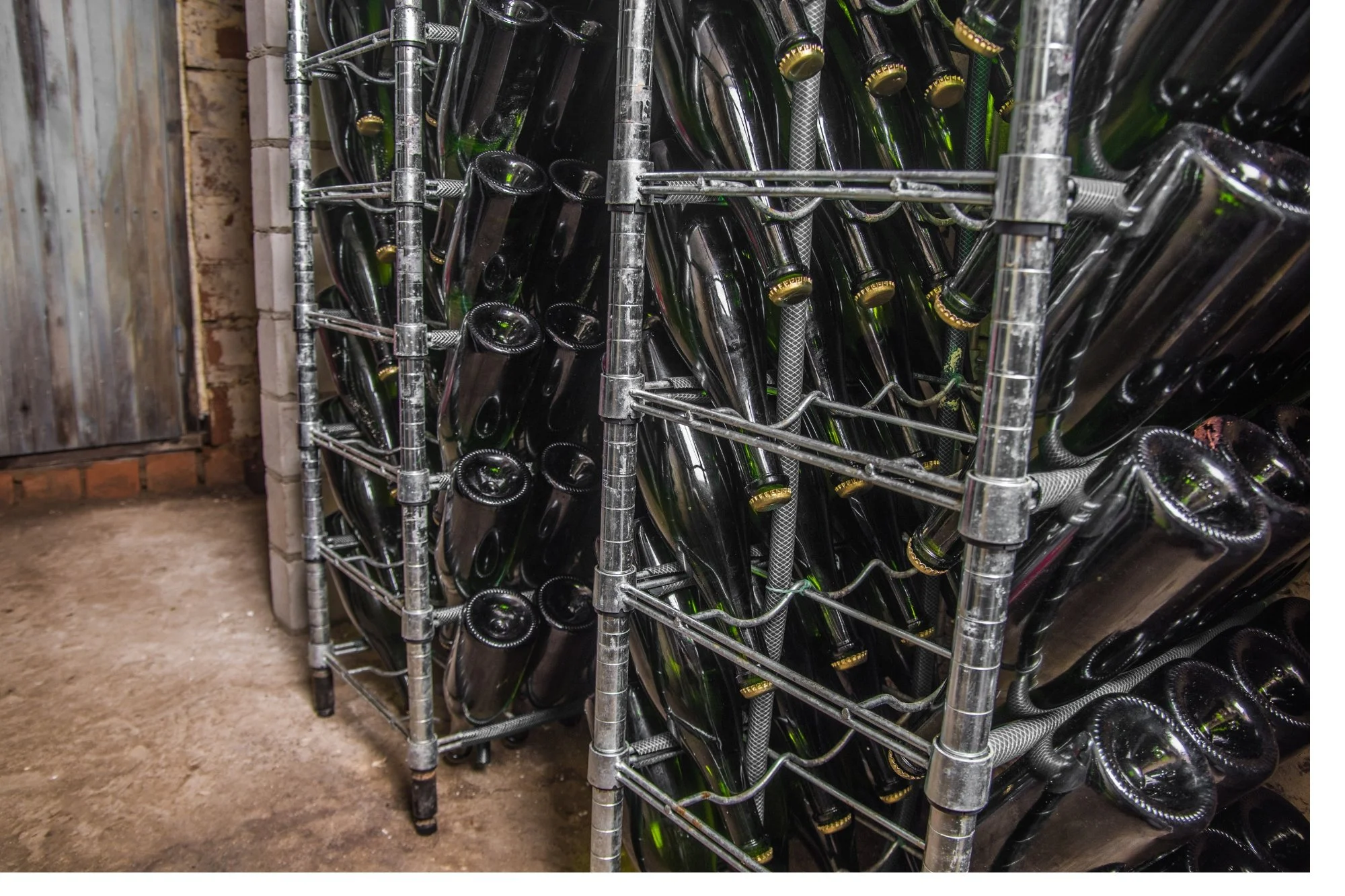
Riddling Champagne
Riddling
This wine ages for a minimum of 15 months and is then riddled. Riddling involves rotating and tilting the bottles over weeks until the lees are gathered in the neck. While a few winemakers still do this task by hand, most choose to automate this process by using a riddling machine called a gryoplate. Once the sediment has rested in the neck, the tip of the bottle is frozen. Then the crown cap is removed with the pressure expelling the frozen plug. The finishing touch is dosage, which is a blend of sugar syrup and wine (called liqueur d’expédition). The amount added to the wine will determine the sweetness levels that range from bone-dry Brut to sweet dessert wine. As the final touch, a cork and wire cage seals the bottle.
Champagne is typically expensive, but not all wines using this method are. A sometimes less expensive wine using this method is Franciacorta, from Italy. An even less expensive sparkling wine made in the traditional method is cava from Spain. Cava undergoes a second fermentation in the bottle but is made using different grapes and in a different region. It generally has less aging and much of the process to make it is mechanized. There are also American sparkling wines that use the traditional method.
Oregon Sparkling Wines
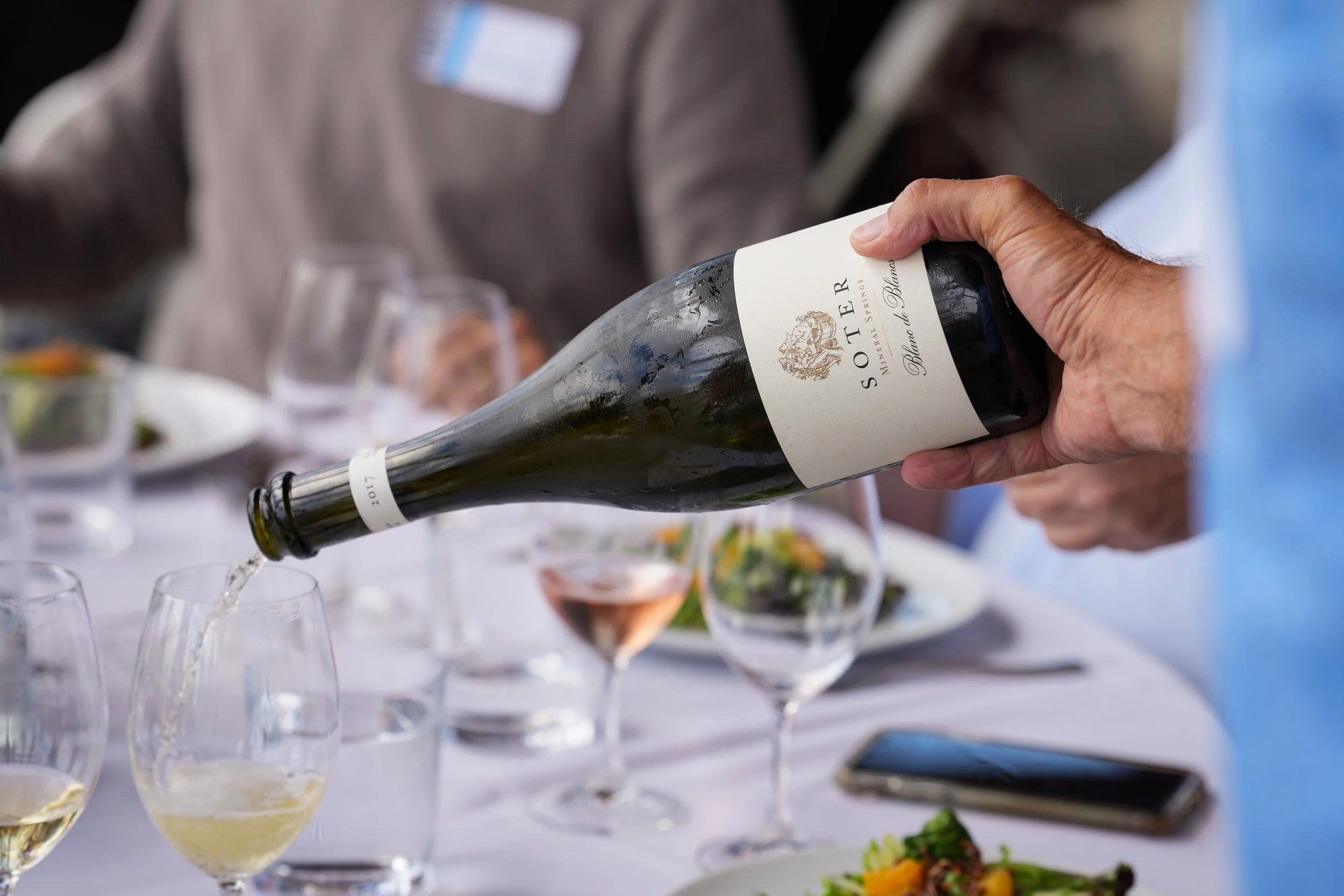
Soter at Method Oregon Lunch
As a way of educating the consumer about traditional method sparkling wines and how they differentiate from other bubbles on the market, twenty-two winemakers based in Oregon's Willamette Valley came together on July 26, 2025, for the Method Oregon Grand Tasting. Each bottle featured underwent at least 15 months of tirage to ensure quality and complexity in the glass and was then paired with local foods. The event is slated to take place again on July 25, 2026 with possible plans to expand to a three-day event.
Oregon traditional method sparkling wine producers to watch include Arabilis Wines, Argyle Winery, Corollary Wines, Domaine Willamette, Durant Vineyards, Lyle-Barnett, Roco Winery, Soter Vineyards, and Stoller Family Estate.
Other Styles of Sparkling Wines
Pét-nat
Forced carbonation
Charmat or tank method
While there are many varieties of sparkling wines, the most common types of other sparkling wines are Pét-nat, forced carbonation, and charmat.
Pét-nat
Pét-nat (also called Pétillant Naturel or Méthode Ancestrale) involves bottling the wine and sealing it with a crown cap before it finishes the first fermentation. The bubbles result from the additional fermentation that happens inside the bottle. As recounted by Wine Business, "This process represents the oldest style of sparkling wine dating back to the 16th century-more than 100 years before Dom Perignon exclaimed that he was 'tasting the stars' and nearly 300 years before the Widow Cliquot pioneered méthode champenoise. According to legend, a monk in a monastery in the South of France discovered that one of his bottles had begun refermenting and small bubbles were forming within the bottle. It was a complete accident, likely brought on by an incomplete fermentation paired with warm spring weather that reawakened leftover yeast in the bottle." Read our guide to Pét-Nat wines.
Forced carbonation
Forced carbonation describes sparkling wine where carbonation is forced into still wine to create "bubbles." This bubbly wine is then sealed with either a cork, a crown cap, or a screwtop. When this bottle is sealed with a cork and wire cage, it can be easily mistaken for a traditional method sparkling wine unless one examines the wine label and price point. Because these wines are not aged on the lees, they have less complexity in flavor.
Charmat or tank method
Prosecco, a light, fruity, affordable Italian sparkling wine is made using the charmat or tank method. After the first fermentation, the second fermentation happens in stainless steel tanks under controlled temperature and pressure. This preserves the fruity flavors while allowing for faster carbonation. After this process is completed, the wine is bottled under pressure. But some high-end producers in the Conegliano Valdobbiadene DOCG region do experiment with bottle fermentation or traditional methods for special wines, sometimes called the "Conegliano Valdobbiadene Method" or metodo classico, highlighting the region's terroir. Read more about Conegliano Valdobbiadene Prosecco Superiore DOCG.