
Cold, Fizzy and Fun: The Lambrusco Revival
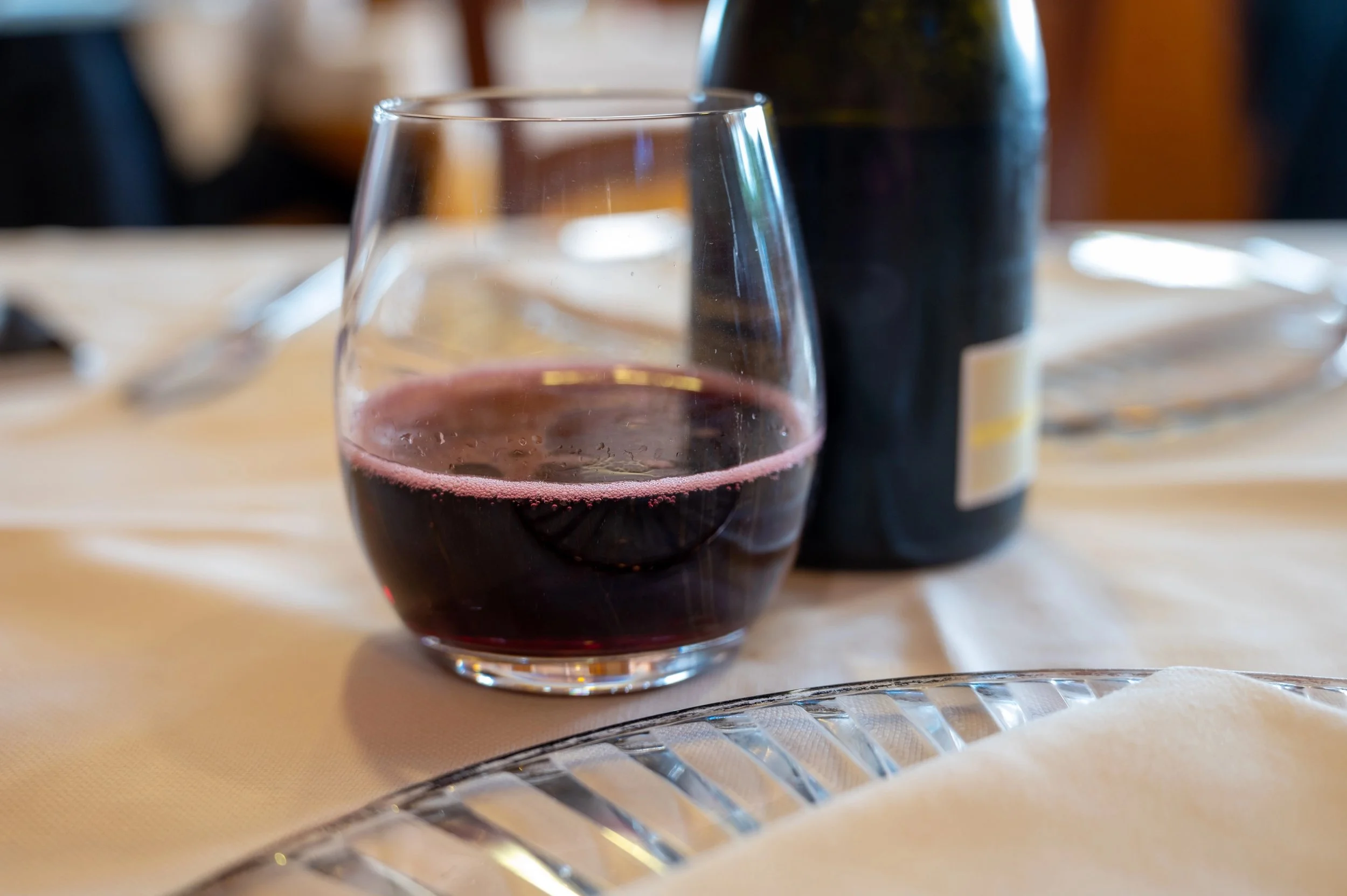
Lambrusco photo credit Depositphotos
Over the past few years, the battle to get bubbles out of the celebration ghetto has finally been won. U.S. consumers are at last open to drinking sparkling wines with myriad foods and seem to truly understand what a great pairing they can be for so many dishes and occasions.
Combine a greater interest in sparkling wine with more off-the-beaten-path tourism and a need for affordable wines, and it is no surprise that Lambrusco has gained traction. This old-school wine has long held a place of honor on the American market, but it was very stylistically different in the 1970s and 1980s when it was tied to Riunite on Ice and probably conjured up images of outdated wines such as overly sweet, sparkling Shiraz from Australia.
History of Lambrusco
Lambrusco comes from the northern Italian region of Emilia-Romagna, which has surprisingly struggled until now to get itself on the culinary map, despite being the homeland of Parmigiano-Reggiano, prosciutto and balsamic vinegar.

Amy Racine credit Nitzan Keynan
Large-volume Emilian producers a half century ago did little to lift its reputation. Lambrusco suffered decades of “brand damage. Decades of mass-produced, sweet exports defined the category.” shared Amy Racine, beverage director and partner at the New York-based JF Restaurants, which has outposts in Boston and Tampa. Add that to low regional awareness of Emilia-Romagna in general and its wines remained misunderstood. “Pronunciation was never the issue. Perception was,” she concludes.
Styles of Lambrusco

The Lambruscoes by angermann is licensed under CC BY-SA 2.0.
As Emilia-Romagna’s myriad Lambrusco producers started to change their style, focusing more on smaller-quantity, dry wines, consumer interest in them has grown. The first drier styles of Lambrusco were generally of the dark purple Grasparossa variety. They were seen as being more serious given their dark color, however many were sweeter than many of the current renditions.
Then came the rosy-hued, Sorbara-based wines, made with a wide range of production methods, ranging from metodo classico to Ancestrale, offering a host of styles and flavors. Many of the current crop of labels are original and the purity of fruit flavors in the wines is impressive. All of this for an average of around $18 or less a bottle, so of course, Lambruscos are now killing the competition: ciao Prosecco, Franciacorta and domestic sparklers. According to NIQ on-premise data for the year ending January 24, 2026, versus a year ago, dollar sales growth was up by more than 14 percent for Lambrusco.
Contemporary Lambrusco
I just spent a week in Modena, a divine city in the midst of some of the region’s best producers. It is also home to Osteria Francescana, long deemed to be the “world’s best restaurant,” owned by chef Massimo Bottura as well as a couple of little car companies such as Maserati and Ferrari.
Honestly, one type of Lambrusco or another always suited every dish and every mood. I had an aperitivo almost every night at the Lambruscheria, a gem of a little wine bar ensuring that the future generation of Modenese remain steeped in this wine’s heritage and refreshing bubbles.
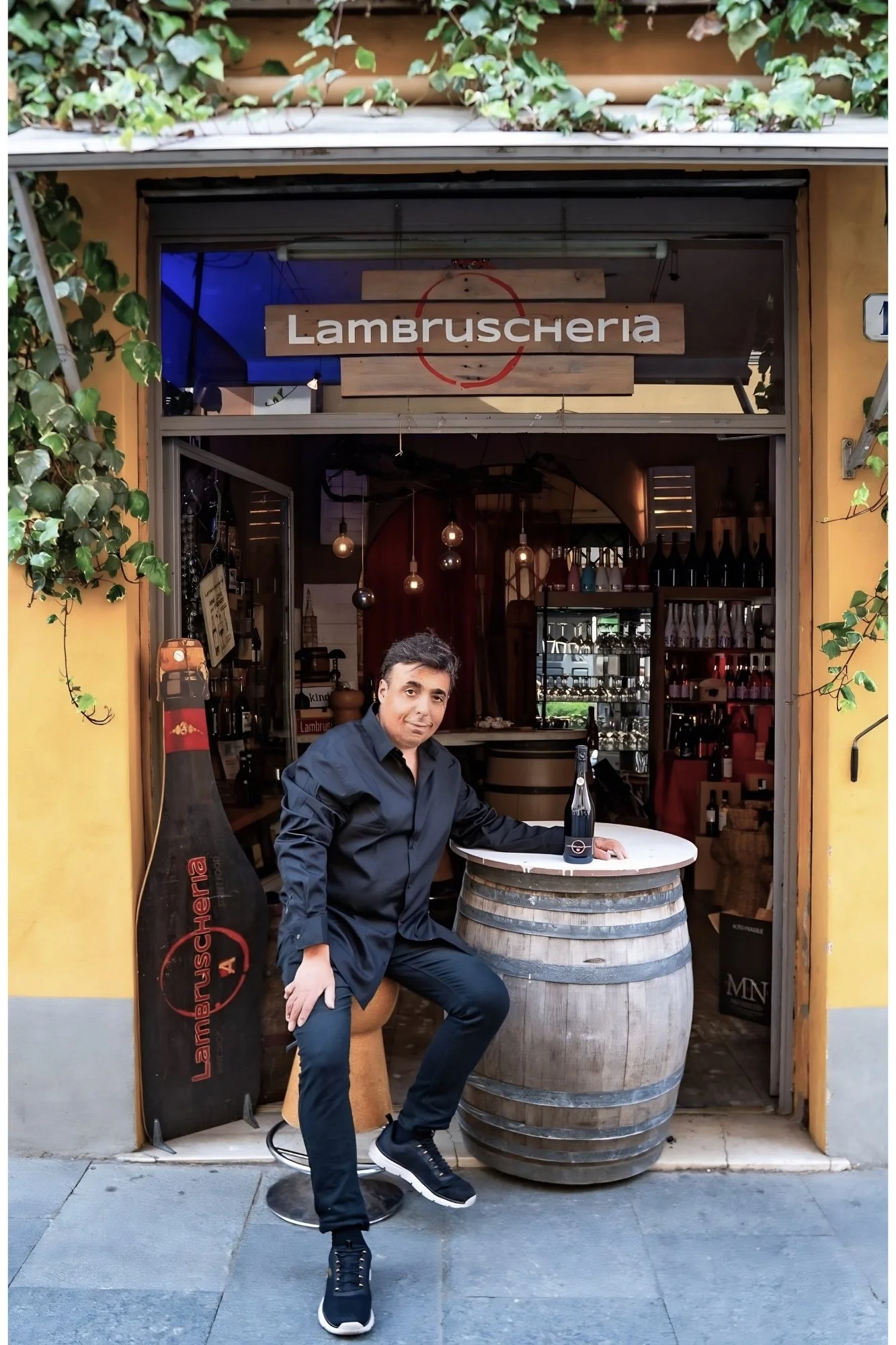
Alessio Bardelli at Lambruscheria in Modena photo credit Lambrusceria
Alessio Bardelli, Lambruscheria’s owner, noted that “the legacy of mass-produced, sweet Lambrusco from the ‘70s and ‘80s damaged its reputation internationally.” What is more, the name and region may have lacked clarity for some consumers, he adds. “Now with better quality wines produced by the new generation, perceptions are shifting all over the world.” He concludes that the wine’s versatility and honesty and its “combination of acidity, bubbles and its savory character makes it incredibly compelling.”
A Market Transition
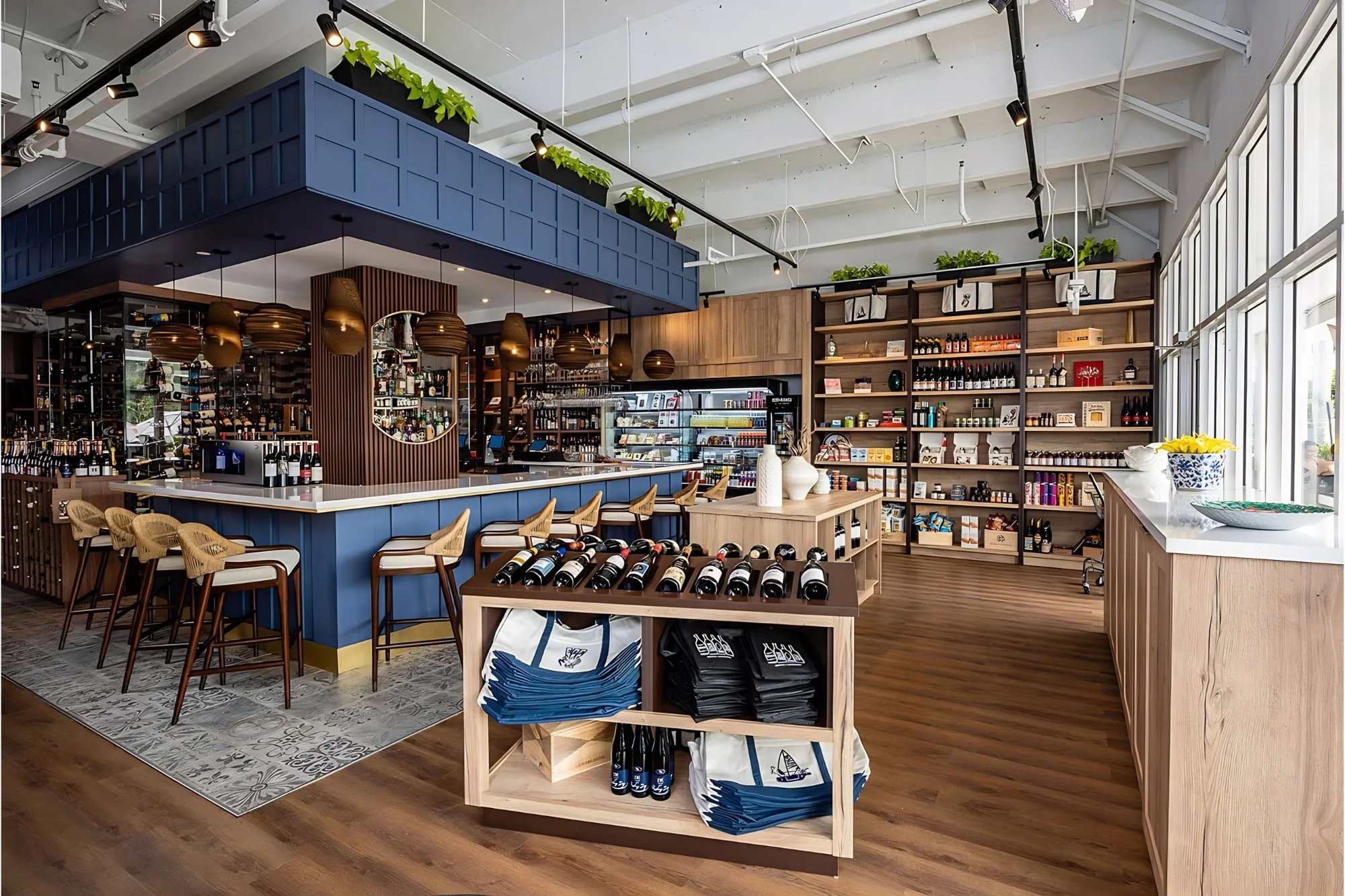
Allegra Angelo's shop, Vinya
Allegra Angelo, a partner at Vinya wine bar and restaurant in Miami, remembers having her first Lambrusco two decades ago. She adds she “loves the juxtaposition of Lambrusco, its ability to be savory and intense, while at the same time, feeling fruity, energized and refreshing!”
She notes that the category was initially confusing to consumers. “You have a large family of grapes, hard-to-pronounce names, multiple regions, styles and colors.” The three most important grapes used in making Lambrusco, according to the Modena-based Consorzio Tutela Lambrusco (CTL), are Grasparossa, Salamino and Sorbara, which is one of the few Vitis vinifera grapes that is non-self-pollinating.
Angelo notes that since “drinking bigger” in the 1980s led the way, it is no surprise that Grasparossa was the frontrunner in terms of Lambrusco styles. Then it was the natural progression from Ruinite on Ice that steered consumers toward drier versions of the wine. It also became an advantage that “Lambrusco can be so many different colors and made in different styles [so it] … lives in this world of alternative color.”
Affordable and Festive
Most of Lambrusco’s competitors are more expensive and often less flexible in terms of food pairings. Champagne, crémant, prosecco and domestic sparklers can also cost much more. “Affordability is important. We need those wines in order to feel comfortable and that they can trust us. People are more willing to take a risk when the price is right,” shares JF’s Racine.
Lambrusco brings a sense of festivity to the table. “I love that Lambrusco is joyful without being unserious. It has bubbles, chill, red fruit, acid, sometimes a little tannin and usually a price point that lets people actually drink the wine instead of just admiring it. It also shows people that wine does not need to arrive with a lecture to be meaningful,” notes June Rodil, a master sommelier and the CEO and partner at Austin’s Goodnight Hospitality restaurant chain. She adds that the restaurants welcome every guest with a little pour of Cleto Chiarli, one of the brands that built the Lambrusco category both in the U.S. and Italy.
Rodil concludes that Lambrusco “is a reminder that some wines are built for the table, for sharing, for the second bite and the next sip. I do not need Lambrusco to be precious. I need it to be delicious, cold and within arm's reach.”
Recommended Bottles
Cleto Chiarli Vecchia Modena NV
$18 11% ABV
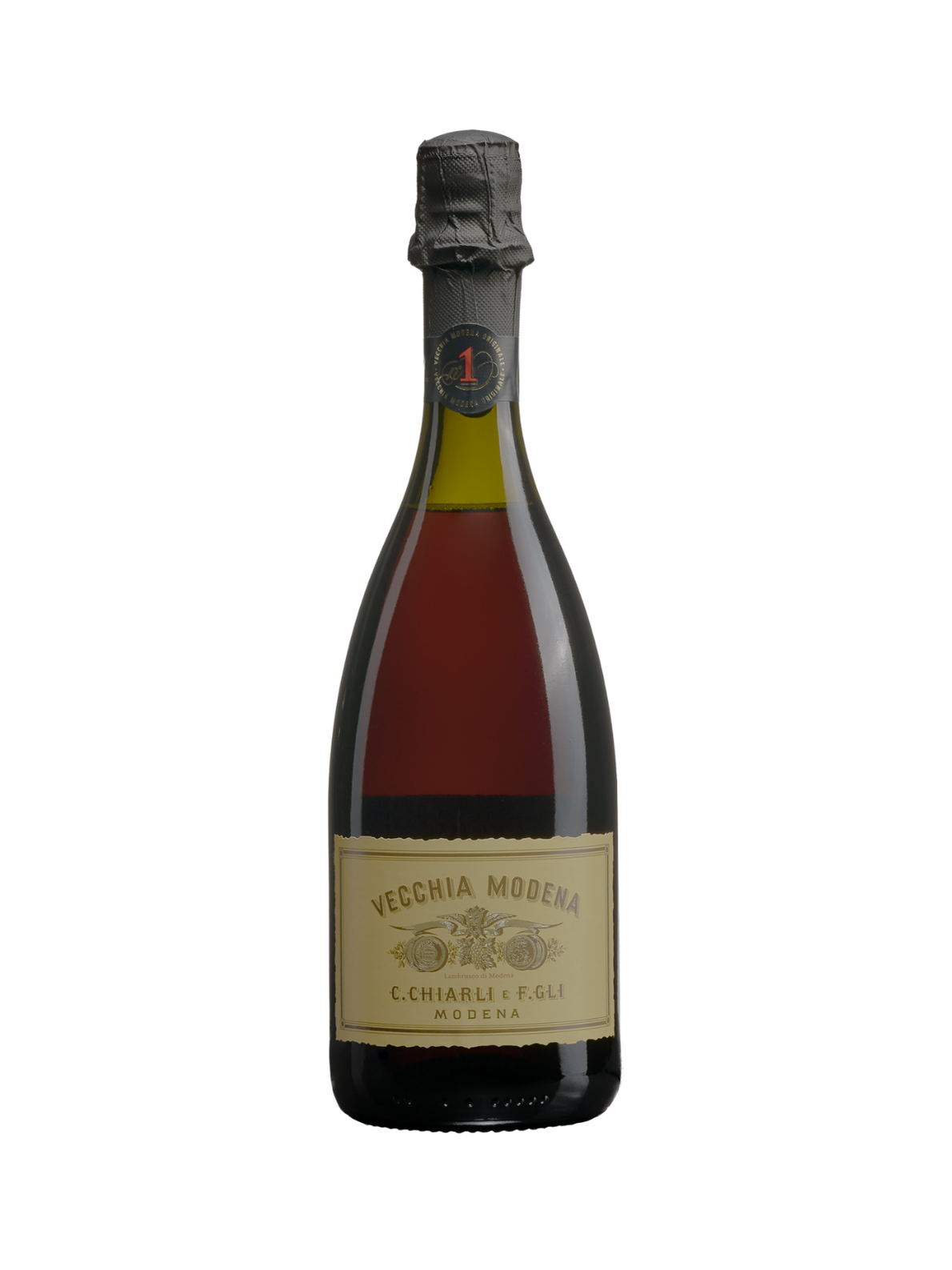
Cleto Chiarli Vecchia Modena
This lovely bottle is the standard bearer for the region and it is easy to see why. It’s non-vintage, consistent and affordable. It has an appealing intense pink color with citrus, cherry and berry notes. The first sip begs for another.
Cleto Chiarli Quinto Passo Brut 2017
12% ABV $25
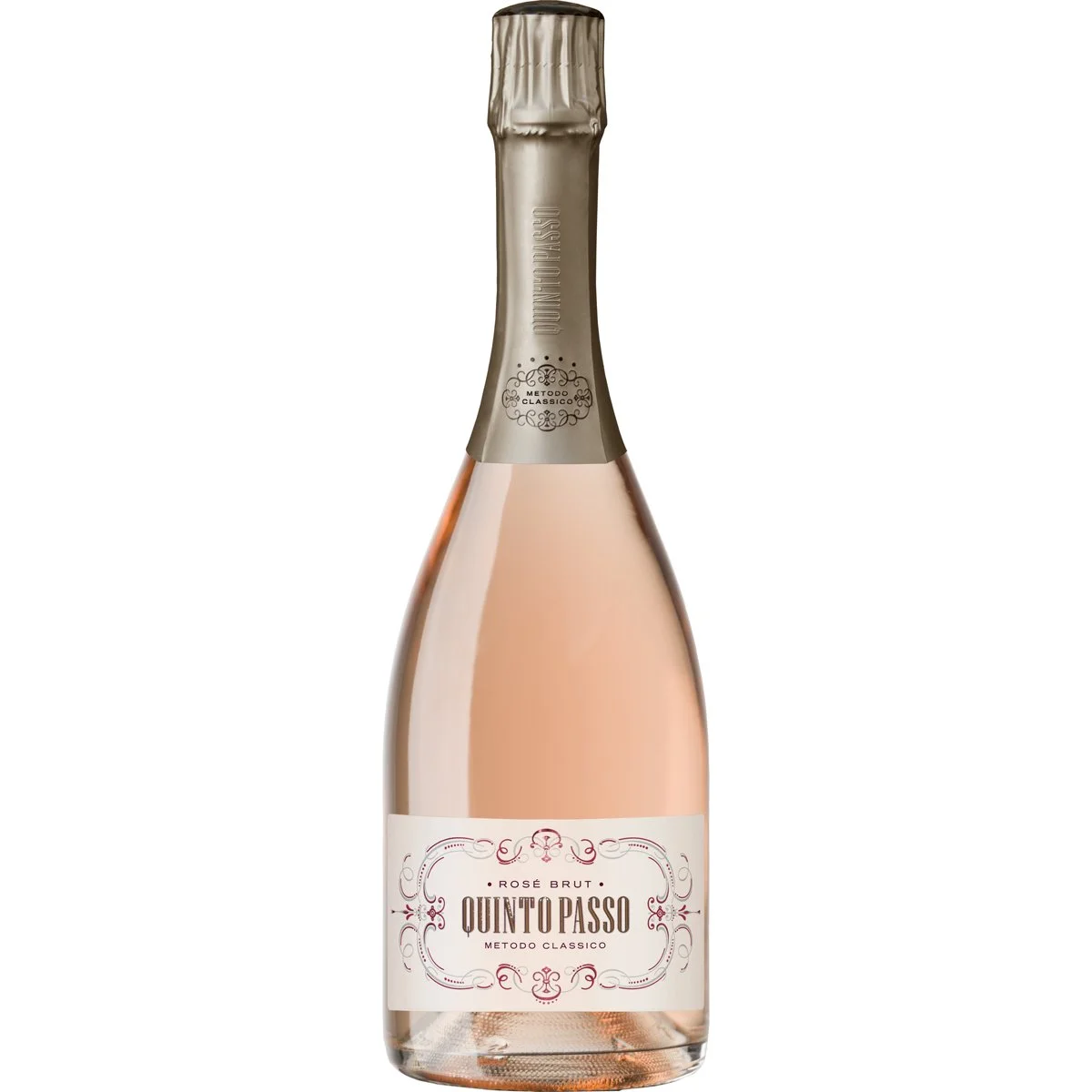
Cleto Chiarli Quinto Passo Brut 2017
This was a tough vintage that produced a stellar wine. Lively notes of raspberries and pastry blend together on the palate of this wine made exclusively with Sorbara grapes.

Tenuta Galvana "Ca Imperatore" Lambrusco Grasparossa di Castelvetro
This berry-driven wine is elegant and balanced and incredibly fresh on the palate.
Podere Sottoilnoce Saldalama 2025
$27 12.5% ABV
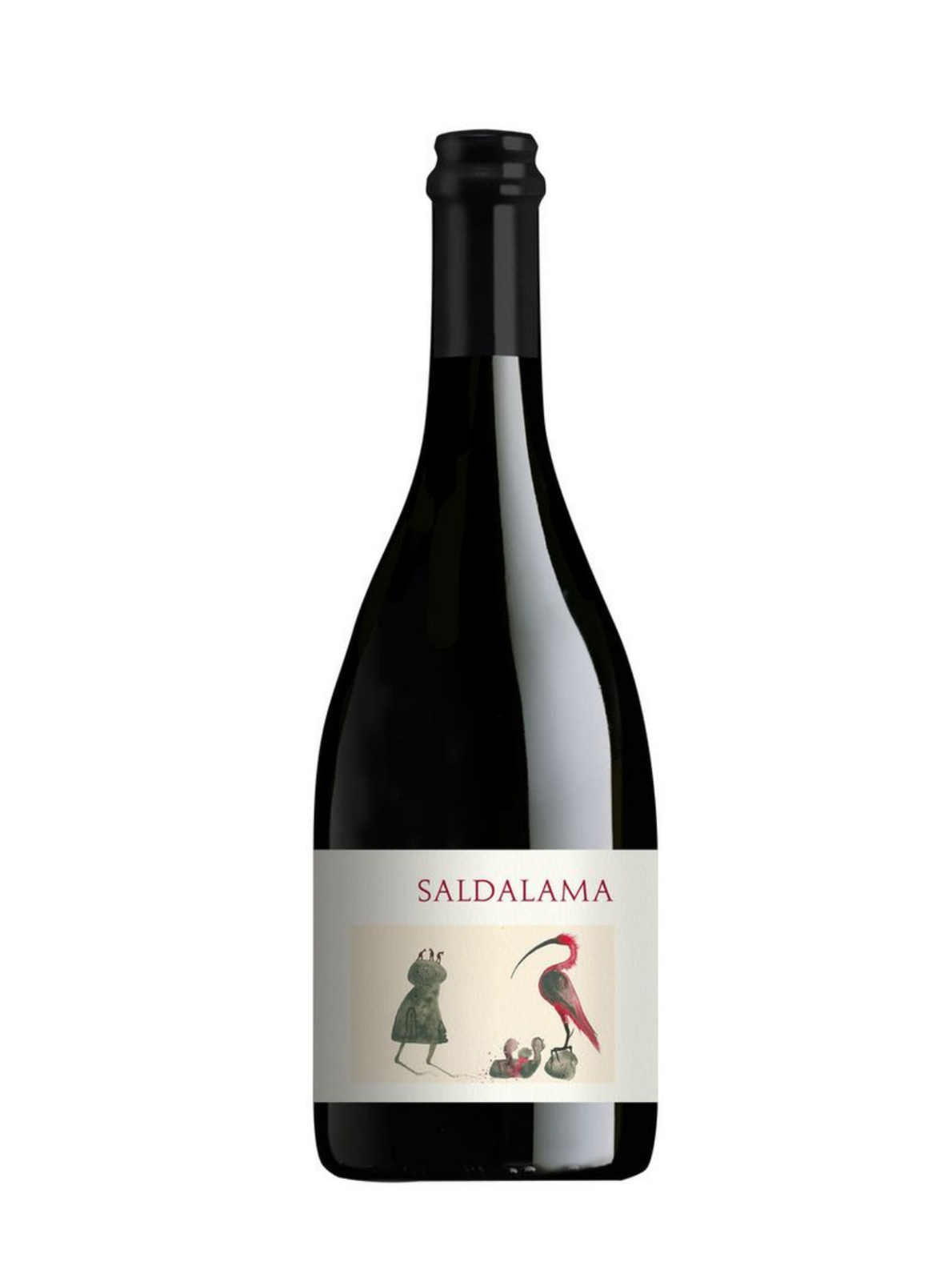
Podere Sottoilnoce Saldalama 2025
A blend of Grasparossa, Sorbara and other varietals this wine is lean, elegant and tart with ribbons of raspberry, strawberry, vibrant acidity and a long finish.
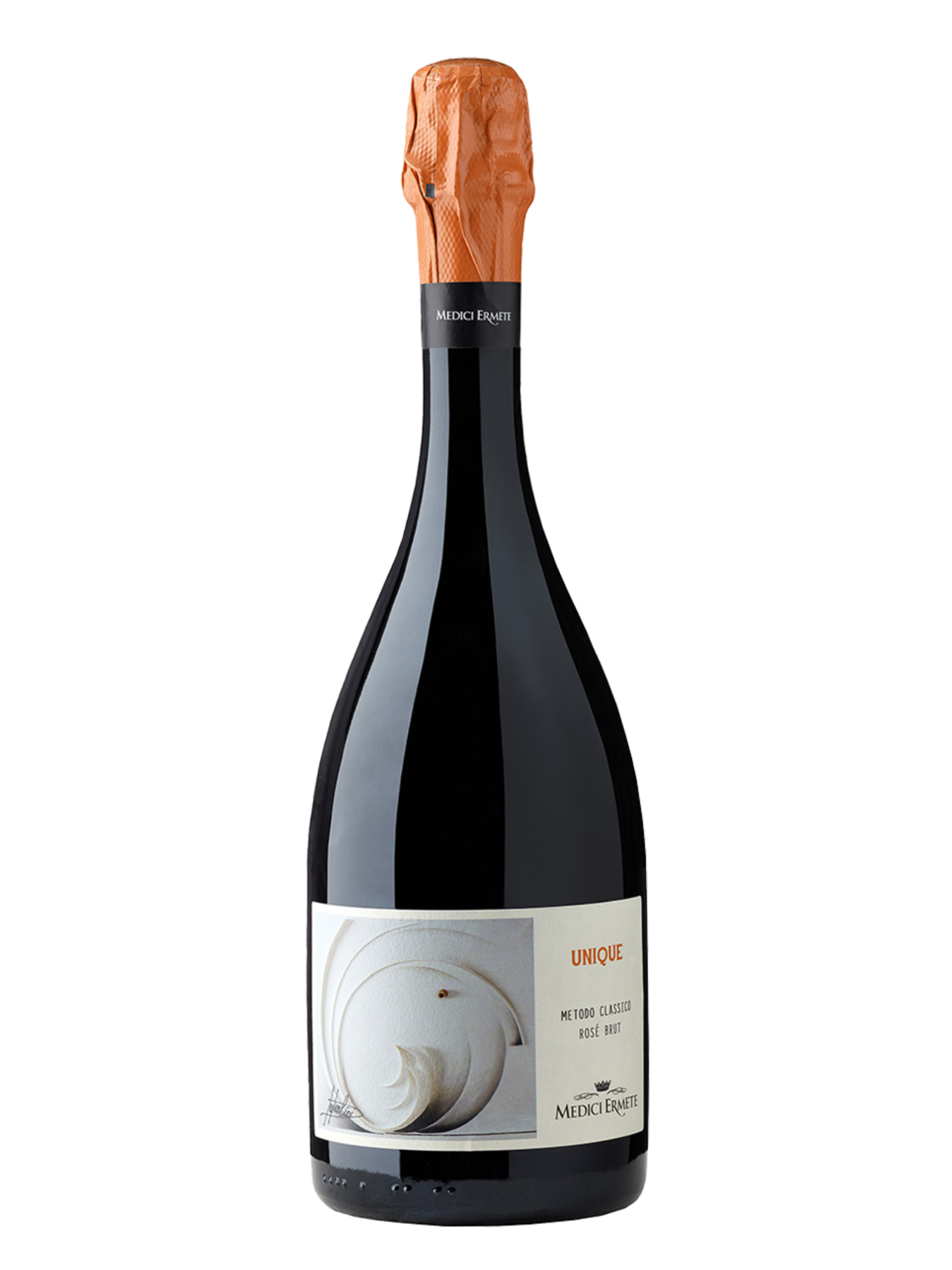
Medici Ermete Unique Metodo Classico Rose Brut 2022
Bright ribbons of acidity, red fruit and yeast notes, with a persistent creamy bead and a long finish.
Lini 910 Labrusca Bianco NV
$19.99 11% ABV

Lini 910 Labrusca Bianco NV
There is lots of fresh peach skin and red fruit on this wine with incredible minerality.