
Hugo Spritz vs. Aperol Spritz: Which is Winning this Summer?
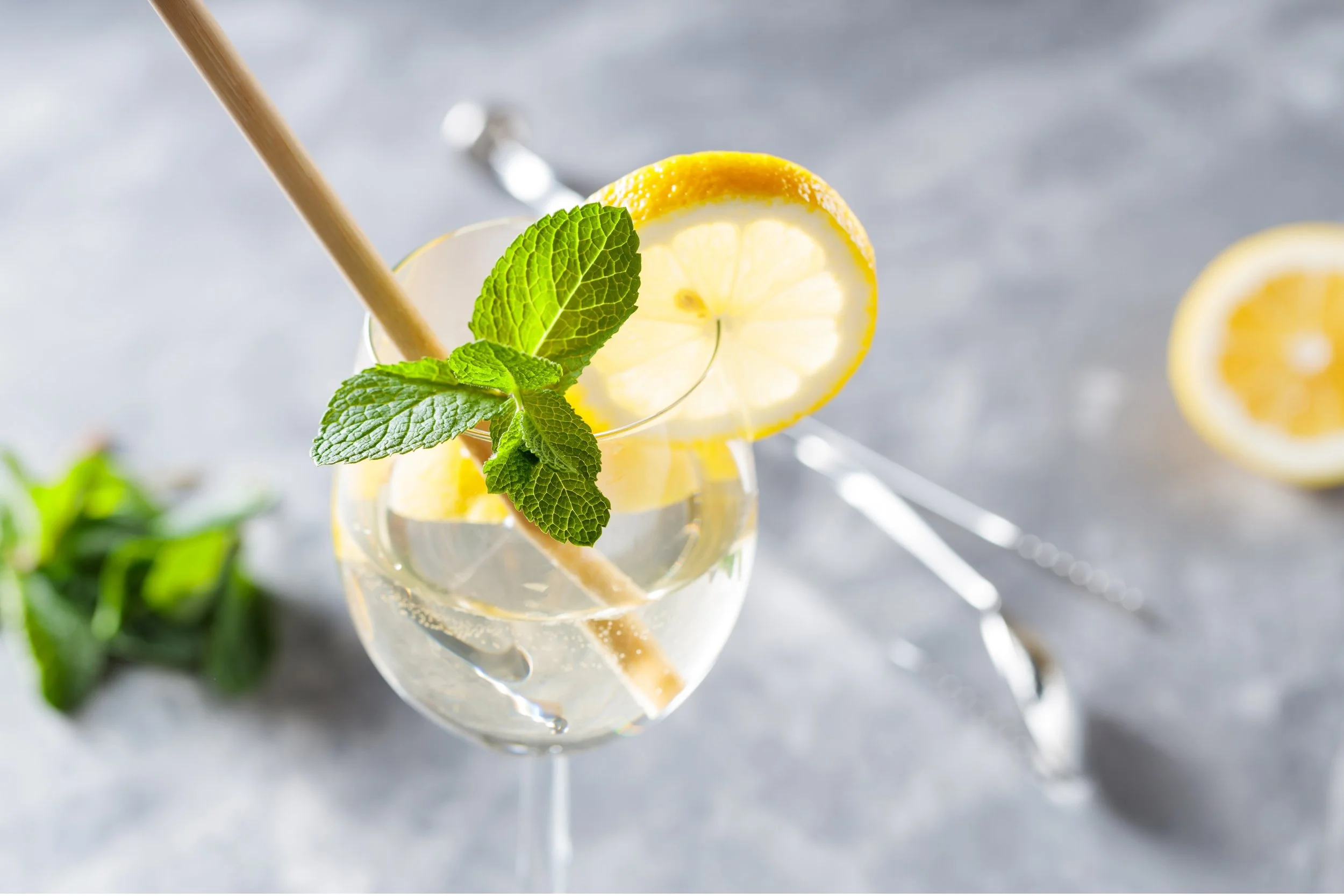
Hugo Spritz
From the unofficial cocktail of après-ski to the trending summer rooftop brunch sipper, you’ll find Hugo Spritz here, there and everywhere in between these days. Especially with the seemingly never-ending heat waves in the northern hemisphere, this refreshing, floral drink easily became the drink of the summer. Made with Prosecco, elderflower liqueur or syrup, soda water and garnished with lime and mint, the Hugo Spritz is dangerously easy to drink and low enough in alcohol that you can enjoy more than one.

Sonny Walton, bar leader at Viva La Mamma
While we have Aperol Spritz to thank for the immense popularity of the whole spritz category and still dominates, it’s fair to say that Hugo Spritz has quickly risen to be Aperol Spritz’s biggest rival. The two Spritzes have quite distinct flavor profiles after all, and those who aren’t used to Aperol’s bitterness naturally gravitated towards the Hugo. Sonny Walton, the bar leader at Viva La Mamma in Los Angeles, says that “Aperol Spritzes were kind of king for a really long time, but it just has that bitterness to it, so they’re looking for something herbally, something light.”
History of Hugo Spritz
While today Hugo Spritz is pretty synonymous with St-Germain, which was the first commercially available elderflower liqueur, the history actually goes back to before the liqueur brand ever came to be. That doesn’t mean it’s a vintage cocktail, though. The history of the Hugo Spritz dates back just over 20 years.

“Ak” Roland Gruner, inventor of the Hugo Spritz photo credit Mayk Wendt
Funny enough, the original Hugo Spritz wasn’t even made with elderflower liqueur. When bartender Roland Gruber first made a Hugo Spritz back in 2005 in the alpine town of Naturns, Italy, he used a syrup made with lemon balm, a type of herb in the mint family. As the drink became popular, lemon balm was replaced by elderflower, which was easier to find. Not only does elderflower grow abundantly in the alpine foothills, you could find elderflower syrups in grocery stores. Of course, even though both herbs have underlying citrus notes, elderflower is sweeter with floral, pear and lychee notes.
St-Germain wasn't launched until 2007 but it quickly became the staple elderflower component in the cocktail, as it conveniently replaced housemade syrups and made the recipe more replicable and consistent. Other elderflower liqueur brands soon followed. At any rate, the Hugo Spritz was so enjoyable that the drink spread purely by word-of-mouth, first to neighboring Austria, then on to the rest of Europe.
The Hugo Explosion
Julian Arreola, US National Ambassador St-Germain
In June of 2026, Google searches for Hugo Spritz surpassed those for Aperol Spritz for the first time. Julian Arreola, US National Ambassador for St-Germain, partly attributes the meteoric rise of Hugo Spritz to the post-pandemic travel boom. “Post-pandemic, around 2022, as Americans were able to go and travel again [to] the coastal cities of Italy and throughout Europe, this cocktail had already been established locally.” says Arreola. American travelers were exposed to the drink on their trips and started to ask for it when they returned home stateside.
Viva La Mamma’s original location in Vienna was already all about the spritz life. It only has a beer and wine license and offers spritzes by the jugs. The Los Angeles location has a full liquor license, but spritz is still a big category and Hugo Spritz is easily the number one selling spritz, followed by Aperol Spritz.
“Aperol Spritz is great,” says Arreola, “that was also my introduction to the category.” But Aperol has a very particular taste profile, which Arreola says is amazing, but “it’s also specific. [The Hugo Spritz] was a way to experiment upon the category in a way that was both familiar to the European market, and then as it entered the U.S. became something exotic and fun.” The fact that the flavor profile of elderflower itself is “both familiar and comforting, but also like exotic and fun” is why Arreola thinks there’s such an explosion in Hugo Spritz’ popularity.
The other major driver is the generational shifts in drinking habits. “This younger generation is much more prone to drinking light, brighter, low-ABV cocktails,” Arreola notes. Walton agrees that based on his experience, it’s been the younger demographics that are driving the Hugo Spritz sales. “It’s such an easy entryway into the spritz world, and then also just the cocktail world,” Walton says, “it’s also very photogenic, you know.”
The cocktail is also very accessible to make, so home bartenders can confidently make a quality Hugo Spritz. Perhaps the main reason, though, is that Hugo Spritz seems to fit no matter what you’re doing, whether you’re entertaining in the winter or on a beach holiday. Though Arreola admits that he may be biased, he believes that there is no occasion where it doesn’t feel appropriate to enjoy a Hugo Spritz.
Hugo Spritz Cocktail Recipe
Courtesy of St-Germain
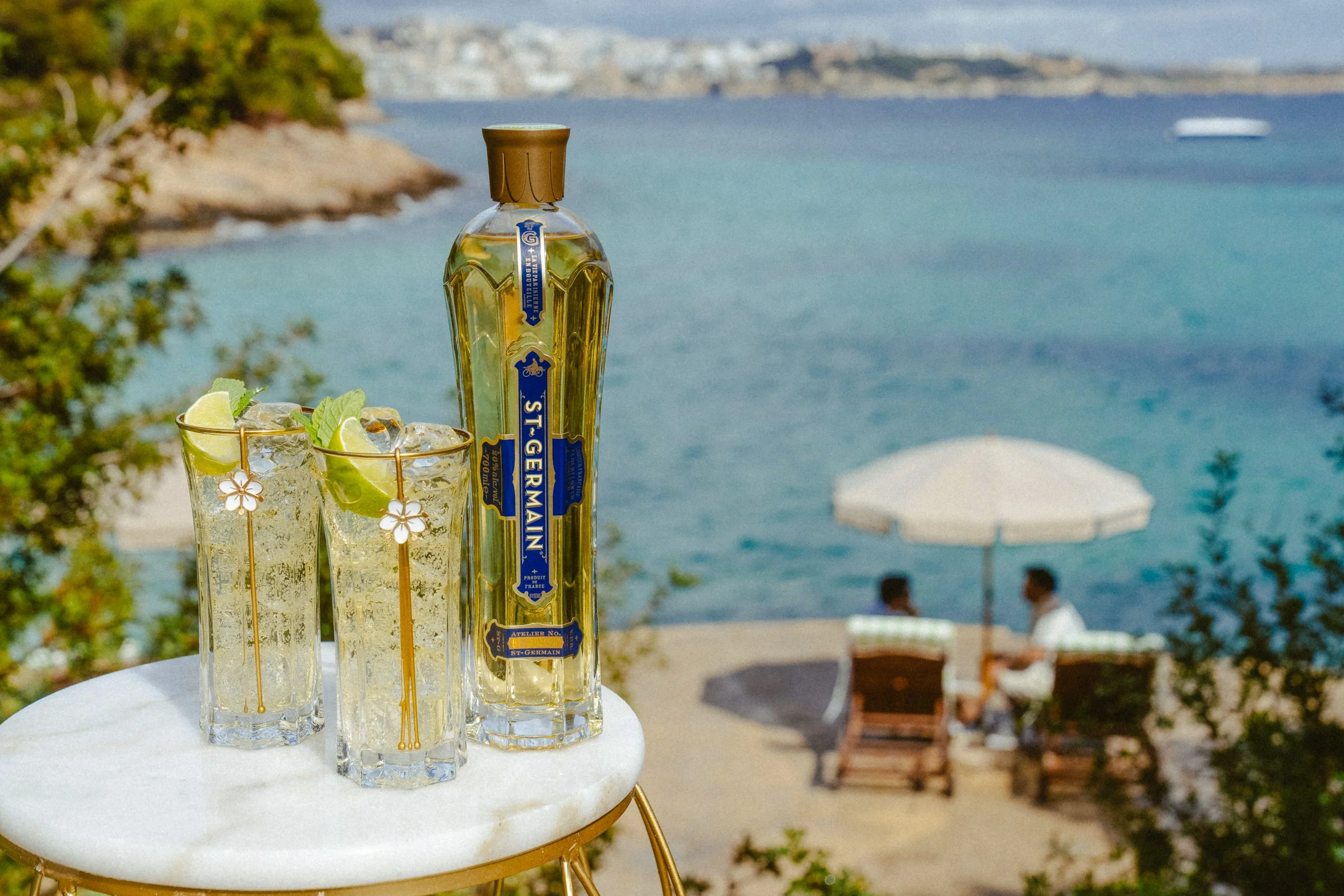
Hugo Spritz courtesy of St-Germain
1½ oz St-Germain Elderflower Liqueur
2 oz Prosecco
2 oz Sparkling water
Lime wedge and mint sprig for garnish
Add ice into a wine glass. Pour sparkling wine & sparkling water over ice. Add ST-GERMAIN elderflower liqueur. Gently stir the drink to combine all the ingredients. Garnish with a mint spring and lime wedge.