
Hard Cider: A Simple Guide to Styles, Sweetness, and More
Hard cider seems simple: fermented apple juice.
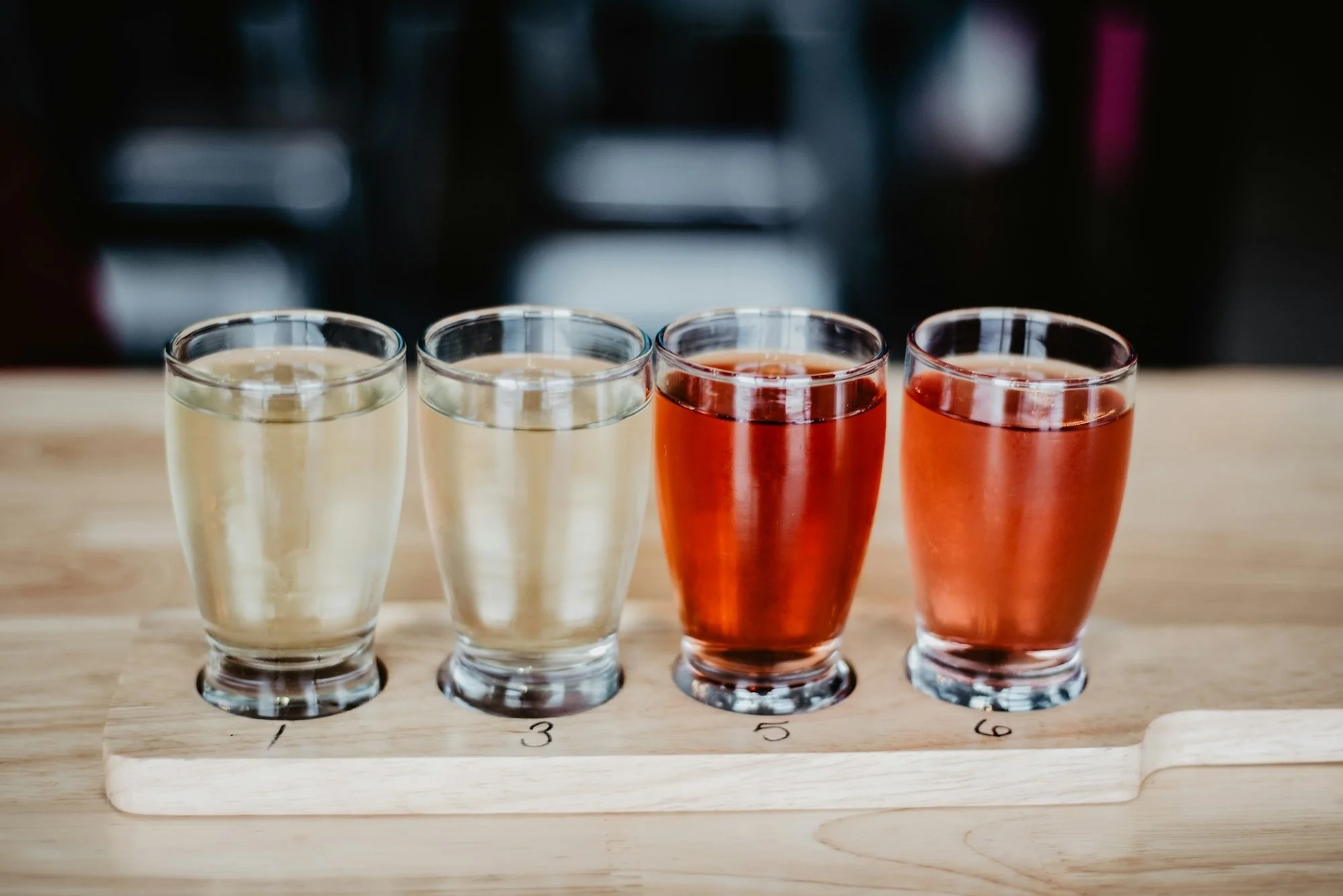
A tasting of different hard ciders. Photo credit Olivia Bauso on Unsplash
But within that definition lies a surprisingly wide range of styles — from crisp, dry orchard-driven ciders to fruit-infused, botanical, and sparkling versions.
Despite a long history in Europe and a rapidly growing American industry, many drinkers still aren’t sure what cider actually is.
“Cider is a nice alternative to wine and beer because you get it from a farm,” says Erin Chaparro, co-owner of Blossom Barn Cidery in Grants Pass, Oregon. “Across the country, there are farmers growing fruit and making ciders. It’s a truly regional beverage.”
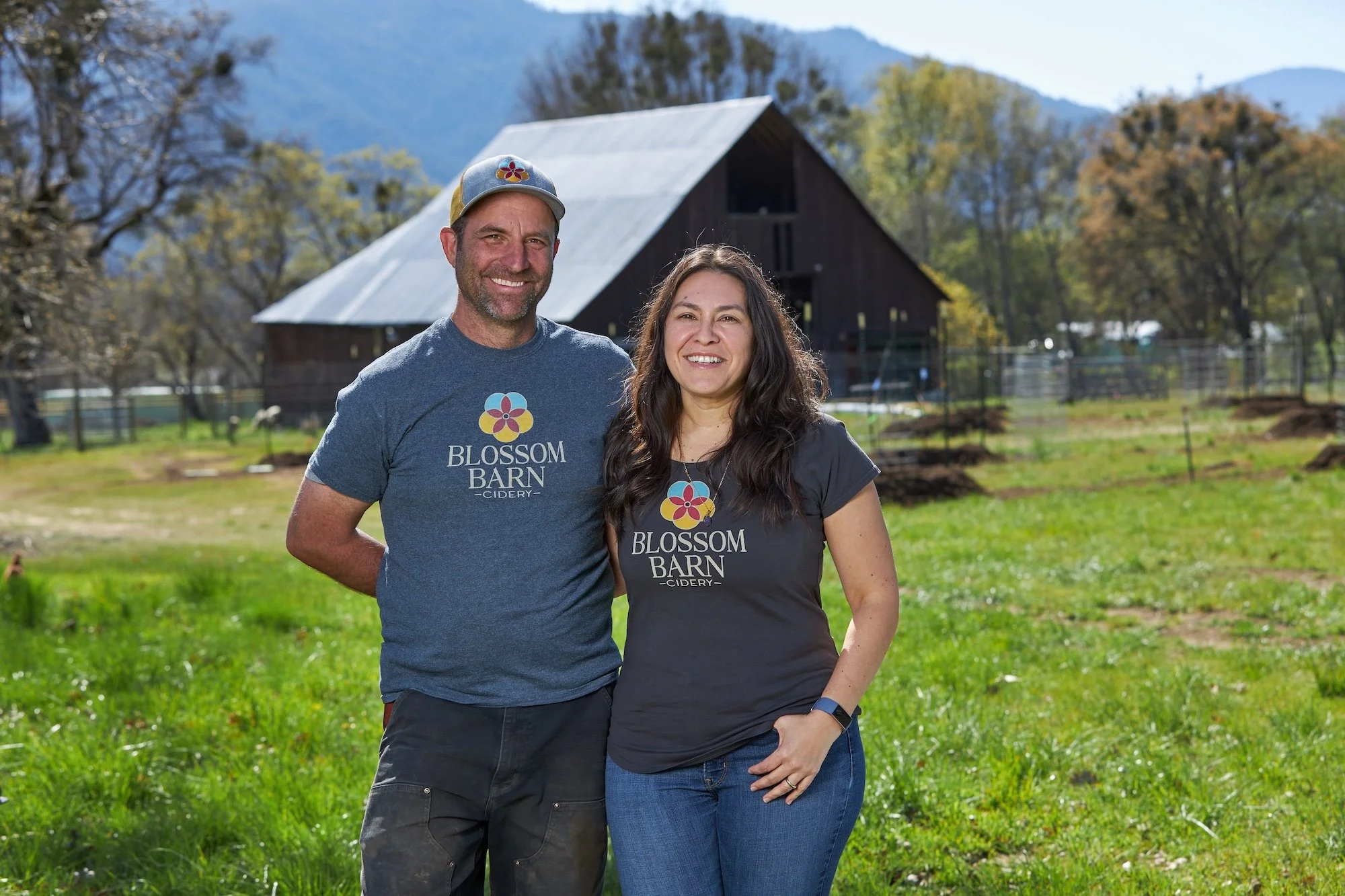
Blossom Barn’s Jeremy Hall and Erin Chaparro. Photo credit Blossom Barn Cidery
Apple growing and cider production have long been part of America’s history. Across Europe — particularly in countries like Spain, France, and England — cider traditions stretch back hundreds, if not thousands, of years.
Yet despite that long history, there is still a lot of confusion surrounding the beverage.
Is it a beer? Is it sweet? What exactly is cider? These are common questions heard by experts and enthusiasts alike. Here’s everything to know about the beverage.
What Is Hard Cider?

Eliseo Bell-Uribe of Heartland Ciderworks. Photo credit Eliseo Bell-Uribe
“Cider is fermented fruit juice from apples,” says Chaparro.
But things can get slightly more complicated.
“In general, hard cider is just fermented apple juice,” says Eliseo Bell-Uribe, owner and head cidermaker at Heartland Ciderworks in Rickreall, Oregon.
However, the category includes several different styles.
“There’s cider made from just apples; perries, which are made from pears; cider with added fruit; cider with added botanicals; and fortified cider,” Eliseo explains. “And within those categories, there are sub-groups.”
Fruited cider refers to any cider with added fruit, either co-fermented or added after fermentation. Botanical cider includes herbs, spices, or other botanicals added during or after fermentation.
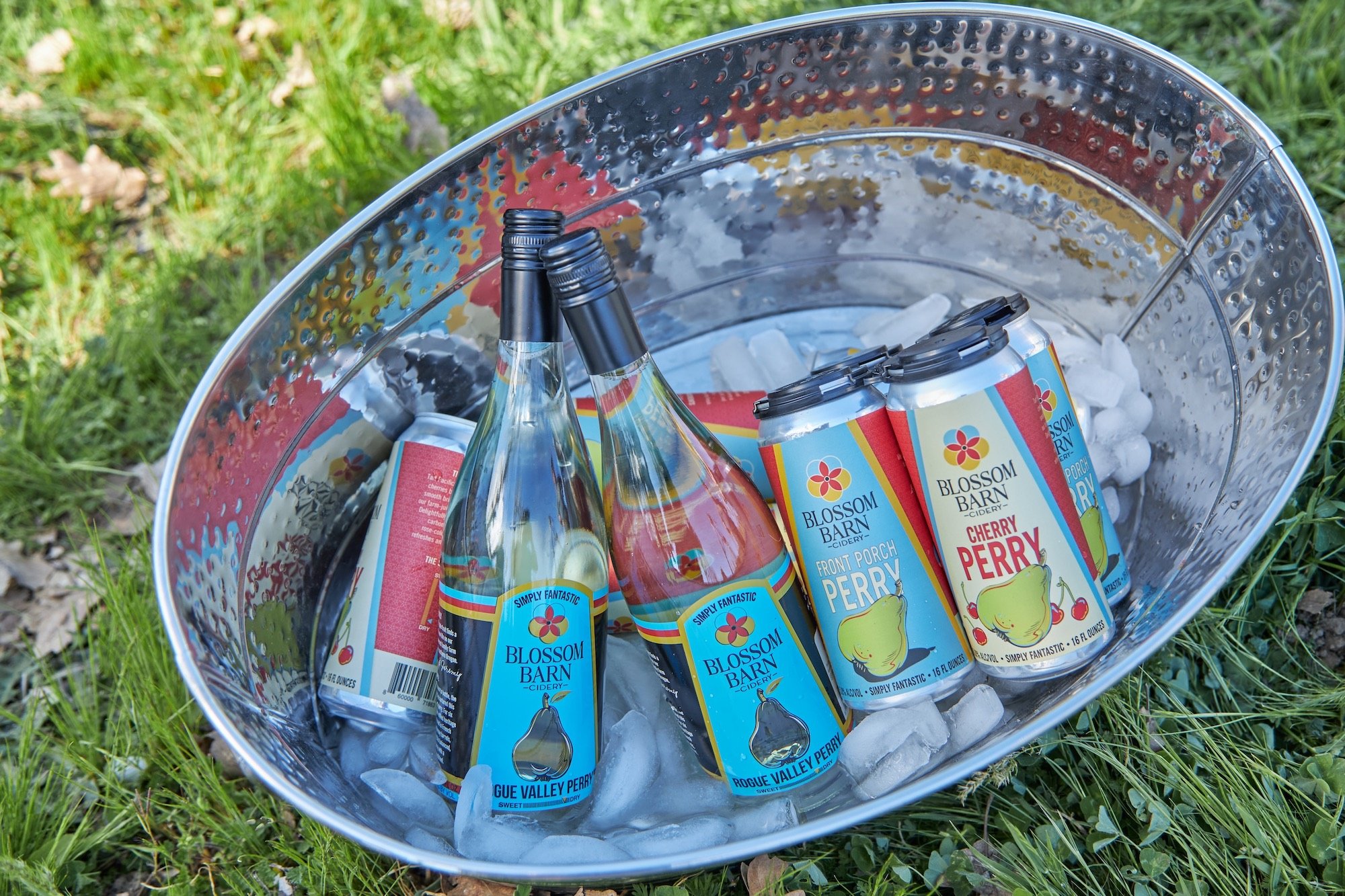
Blossom Barn’s Rogue Valley, Front Porch, and Cherry Perries. Photo credit Blossom Barn Cidery
Chaparro says that Blossom Barn technically falls into the cider category, but the cidery also produces perries — beverages made from fermented pear juice — which still fall under the cider umbrella.
But in general, when you think of cider, think fermented apple juice.
How Is Hard Cider Made?
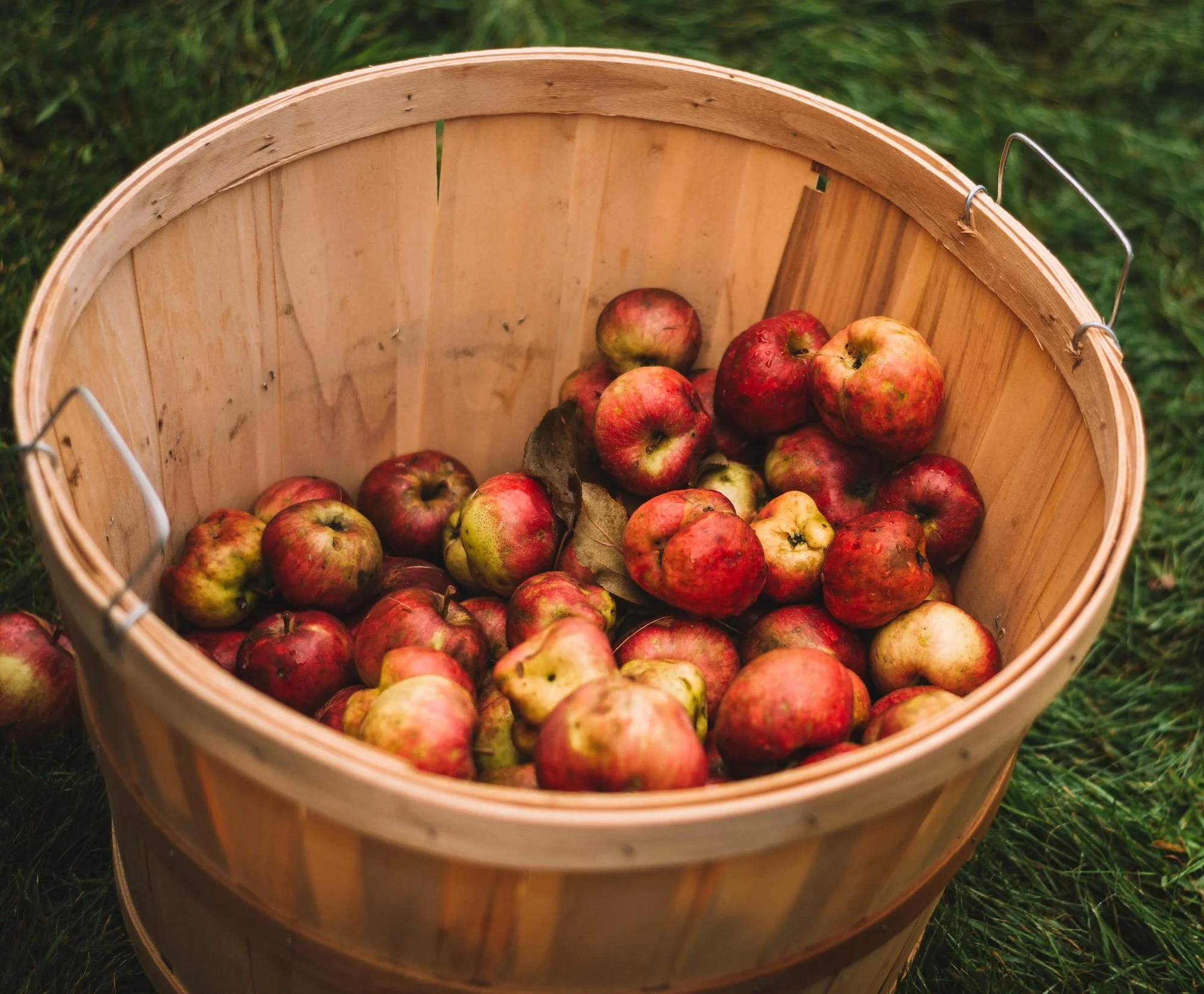
The cider making process begins with fruit being picked and sorted. Photo credit Veronica Bosley on Pixabay
Like wine, beer, or spirits, the production process depends on the conditions, equipment available, and the cidermaker’s goals.
Because cider is often sold in cans and, in some cases, marketed similarly to beer, many people assume the two beverages are one and the same. In reality, however, the cidermaking process more closely resembles the winemaking process. Technically speaking, cider is a fruit wine.
As for how the production process works, “Fruit is selected, picked, and brought to the production facility,” says Eli Shanks, head cidermaker at Western Cider in Missoula, Montana and co-founder and head cidermaker at Punta de Fierro in Chile.
“That fruit is then crushed, pressed, and the juice is extracted. Then the juice goes through the fermentation process. Once it’s done, it is bottled, canned, kegged, or otherwise packaged and possibly carbonated.”
From there, producers can adjust the final style depending on their goals.
“Some cidermakers will intentionally stop fermentation to get a naturally sweeter style,” says Bell-Uribe.
Other cider makers, he explains, will finish fermentation completely dry, adding: “Or they will back-sweeten or add additional flavor to the cider once it’s done fermenting. Additionally, most cideries filter the finished product, but not every cidery does.”
There are “natural ciders out there where they allow for natural yeast in the air and environment to ferment the juice,” says Chaparro. “But most cideries pitch a white wine yeast.”
Another thing to keep in mind, Chaparro notes, is that cider is often naturally lower in alcohol compared to wine and beer, with most clocking in at about 5 to 6 percent alcohol by volume (ABV).
What Apples are Used in Hard Cider?
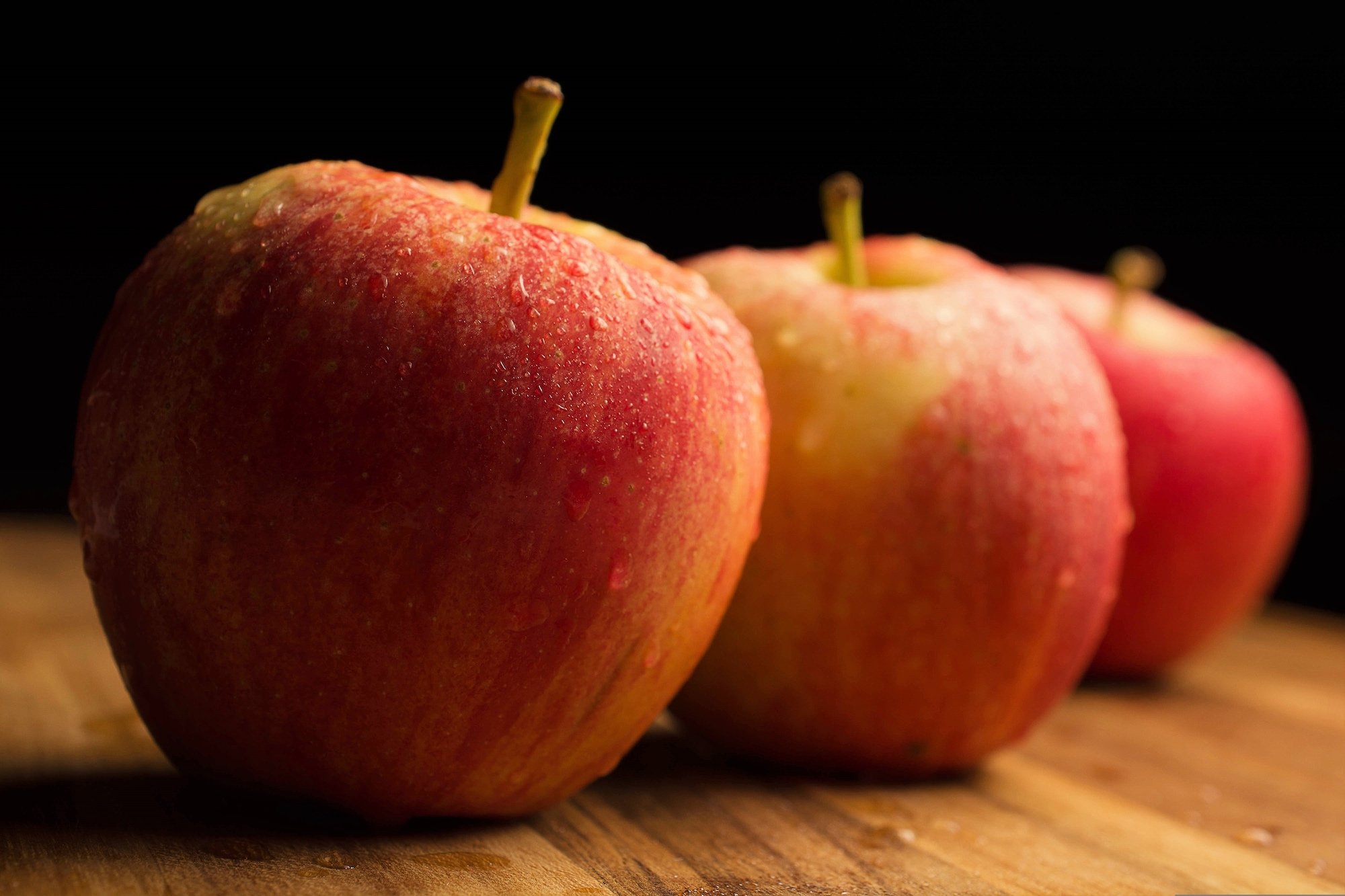
Many American cideries currently rely on common table apple varieties. Photo credit Pixabay
There are well over 7,000 apple varieties in the world. Many of them, Shanks says, were specifically bred for cider. Western Cider, for instance, grows French, British, and American cider apples in its orchards. But in America’s relatively young cider industry, producers are still figuring out which apples work best.
“We don’t have access to a lot of those cider apples in the United States,” says Shanks. As a result, many American cideries rely on common table apples such as Fuji, Cosmic Crisp, Granny Smith, Gala, Golden Russet, and Red Delicious.
Just as winemakers have discovered that not all grapes are suitable for winemaking, the same is true of apples.There are also some popular English apples that have made their way over here and are used in more traditional ciders, Bell-Uribe explains. Examples include Yarlington Mill, Dabinett, and Kingston Black, an apple variety particularly popular among cidermakers.
How Sweet Is Hard Cider?
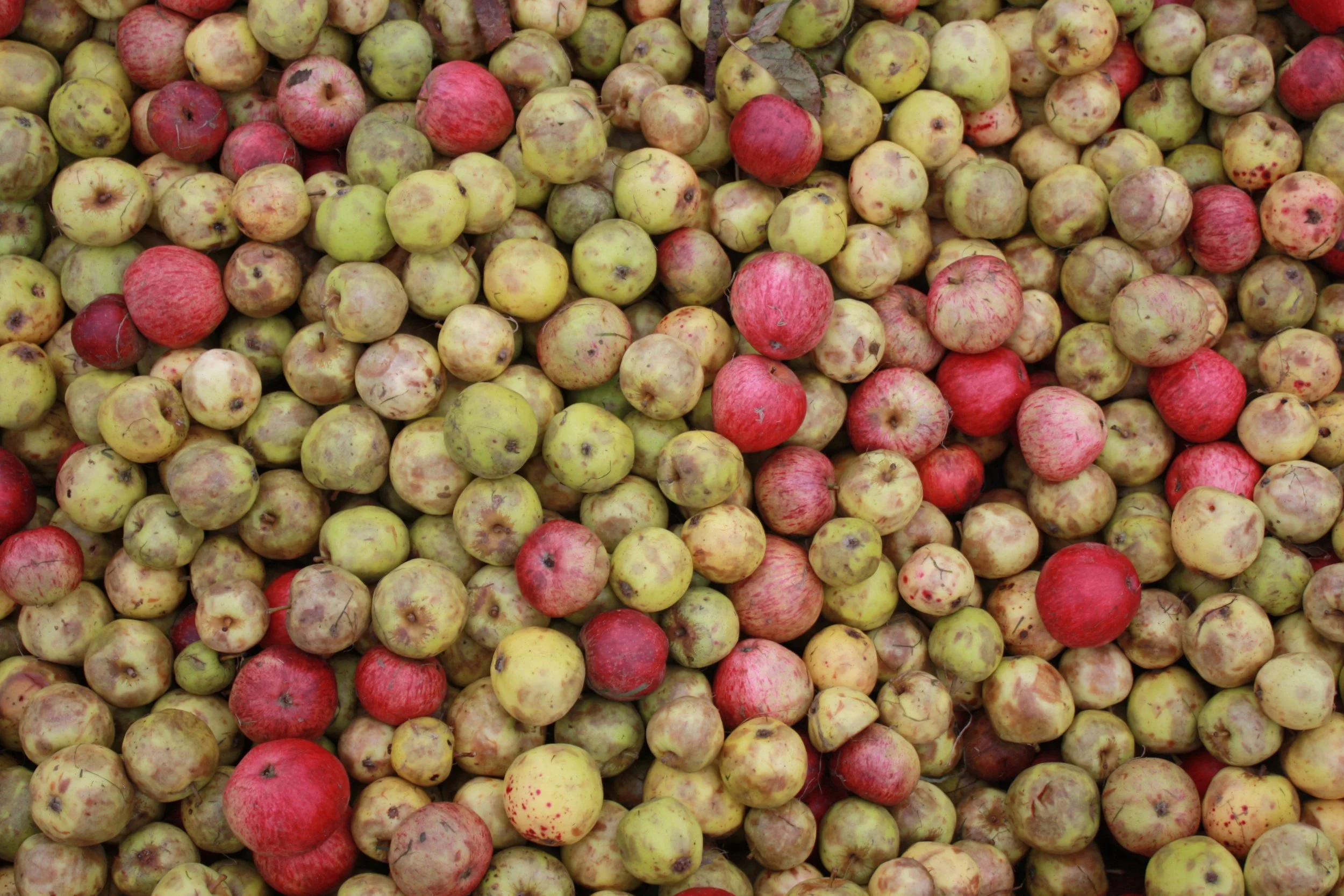
“I don’t like cider — it’s too sweet” is a phrase every cidermaker has heard more than once.
Yes, there are some sweet ciders out there. But just like wine, the category includes a wide range of styles.
“With some notable exceptions, cider ends the fermentation 100 percent dry,” says Shanks. “This means the sweetness level is completely up to the blender when they are making their final blend.”
“I would say most of the cider you find on the market is on the sweeter side,” he says. “But that’s not always the case.” At Western Cider, for example, even the sweetest ciders lean dry.
Bell-Uribe urges consumers to explore the full range.
“It’s important to reach people so [that] they are trying more than just the big cider brands you can find at your local grocery store,” he says.
“Those sell well and that’s fine. But I want more people to try drier ciders, unflavored ciders, higher-tannin ciders, or just something completely different, because there is a huge range out there.”
What Are Common Aromas and Flavors in Hard Cider?
Flavor in cider can vary just as widely as wine or whiskey, Shanks explains.
“For instance, I just did a sensory analysis on our Baldwin cider,” he says, “and the list includes green olive, vanilla, green pepper, green apple, and more. The possibilities are endless.”
Bell-Uribe notes that many ciders display notes of white flower and jasmine, citrus, tropical fruits like pineapple, and fresh green apple. Others can veer more earthy or even slightly “barnyardy.”
“I hope consumers learn and appreciate that cider is super diverse and that it’s appropriate for all occasions,” Shanks says.
“There is cider out there for any event or meal. It’s a lot like beer in that way. There is so much variety. It’s always cider time.”