
6 New Hop Varieties Shaping Craft Beer Now
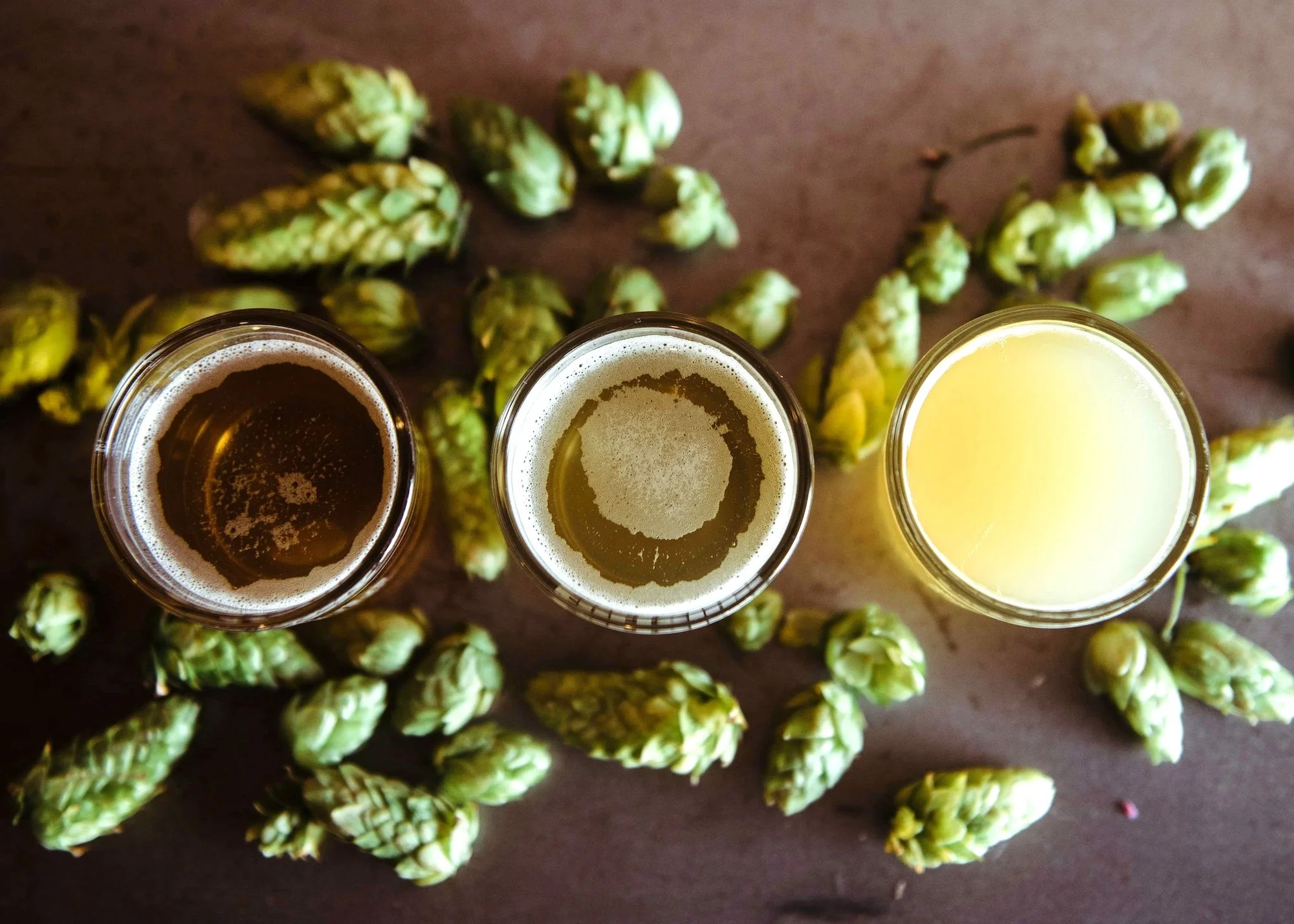
New hops varieties are gaining traction in craft beer. Photo credit Missy Fant
Craft beer may not be growing at the breakneck pace it once was, but brewers are using new hop innovations to stay on top of trends and keep their tap lists and retail shelves fresh for drinkers in search of the latest and greatest flavors from evolving hop varieties. According to hop breeders and brewers at the cutting edge of the industry, here are six hops to sniff out, from hot to gaining traction to so novel they don’t even have names yet.
What’s Hot: Krush and Dolcita
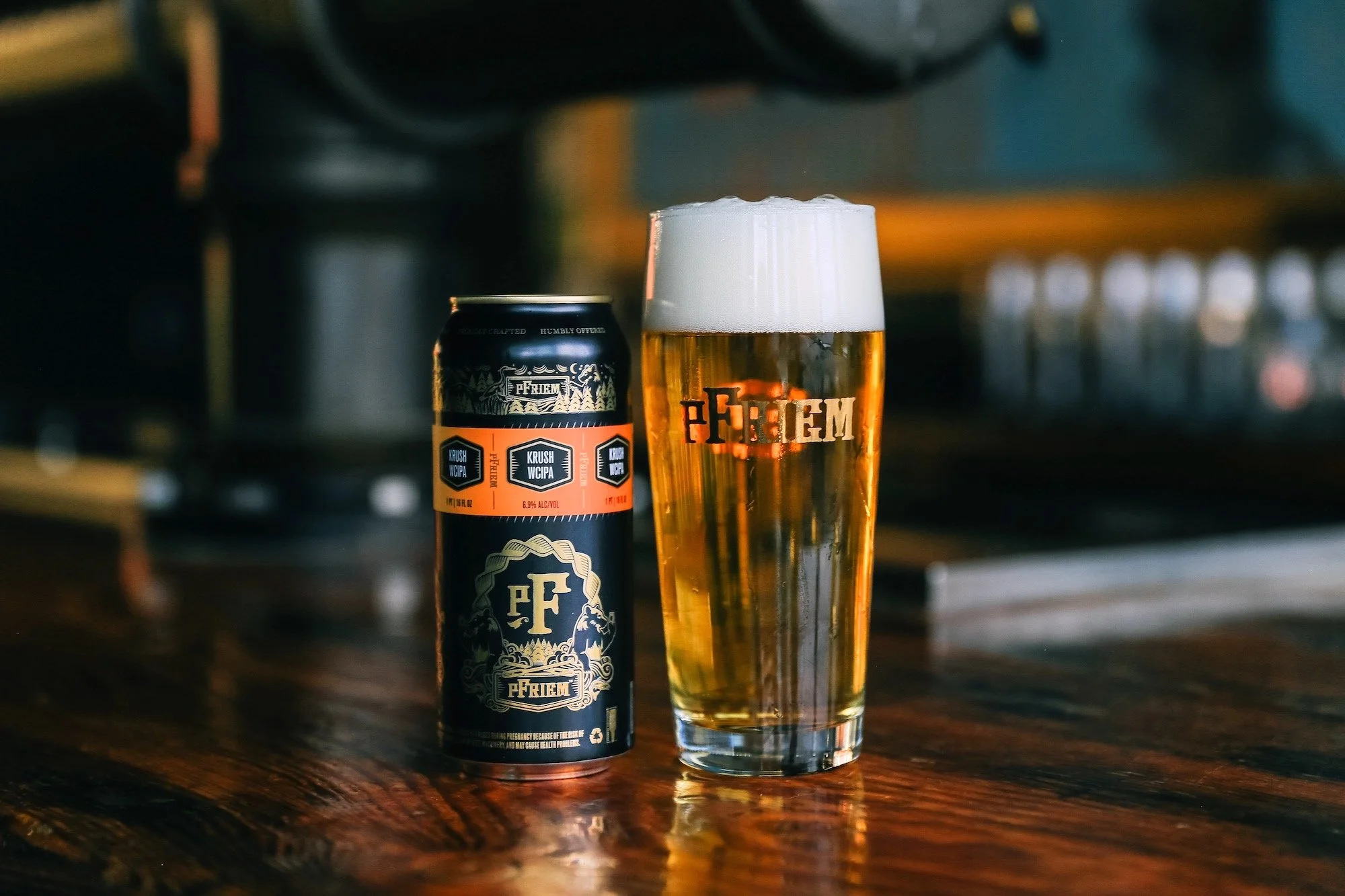
pFriem’s Krush IPA, which is made using the approachable Krush hop. Photo credit pFriem Family Brewers
“Krush and Dolcita are very close to my heart,” says Jeff Dailey, Sensory Manager at John I. Haas, Inc. in Yakima, Wash., who has spent the majority of the last seven years helping develop the two hops. “They're two sides of the same coin when it comes to our breeding strategy and priorities.”
Krush, Dailey says, is highly potent but easy to work with — distinctive without overwhelming a beer. With notes of candied berry, stone fruit, and citrus, it’s versatile across styles and difficult to overuse, similar to the popular Citra hop.
Josh Pfriem, Co-Founder and Brewmaster of pFriem Family Brewers in Hood River, Oregon, says the brewery is so excited about Krush that it uses the hop in several forms in its Krush West Coast IPA — not just the standard pellet version, but also more concentrated products, like Krush Cryo and Krush HyperBoost, to intensify aroma and flavor. “This combination on top of a modern West Coast IPA base really allows you to experience what Krush is,” Pfriem says.

Jeff Dailey, Sensory Manager at Haas, helped develop Dolcita and Krush. Photo credit John I. Haas, Inc.
Dolcita, on the other hand, is “a powerhouse,” Dailey says — similar to Sabro, a hop known for coconut and tropical flavors, but more restrained. Bright tangerine and stone fruit notes balance richer flavors like caramel, coconut, and banana.
Dolcita has been showing up in hazy beers like Lateral A, which features both Dolcita and Krush, from Single Hill Brewing in Yakima, Wash., as well as in West Coast–style IPAs, like Buoy Beer Company’s drier, brighter take, the West Coast–style Dolcita IPA, in Astoria, Ore. “It’s an exciting hop because it delivers a bold, modern flavor profile that’s both distinctive and approachable,” says Matt Jones, Buoy’s Head Brewer and Operations Manager.
What’s New: Vera and Thora
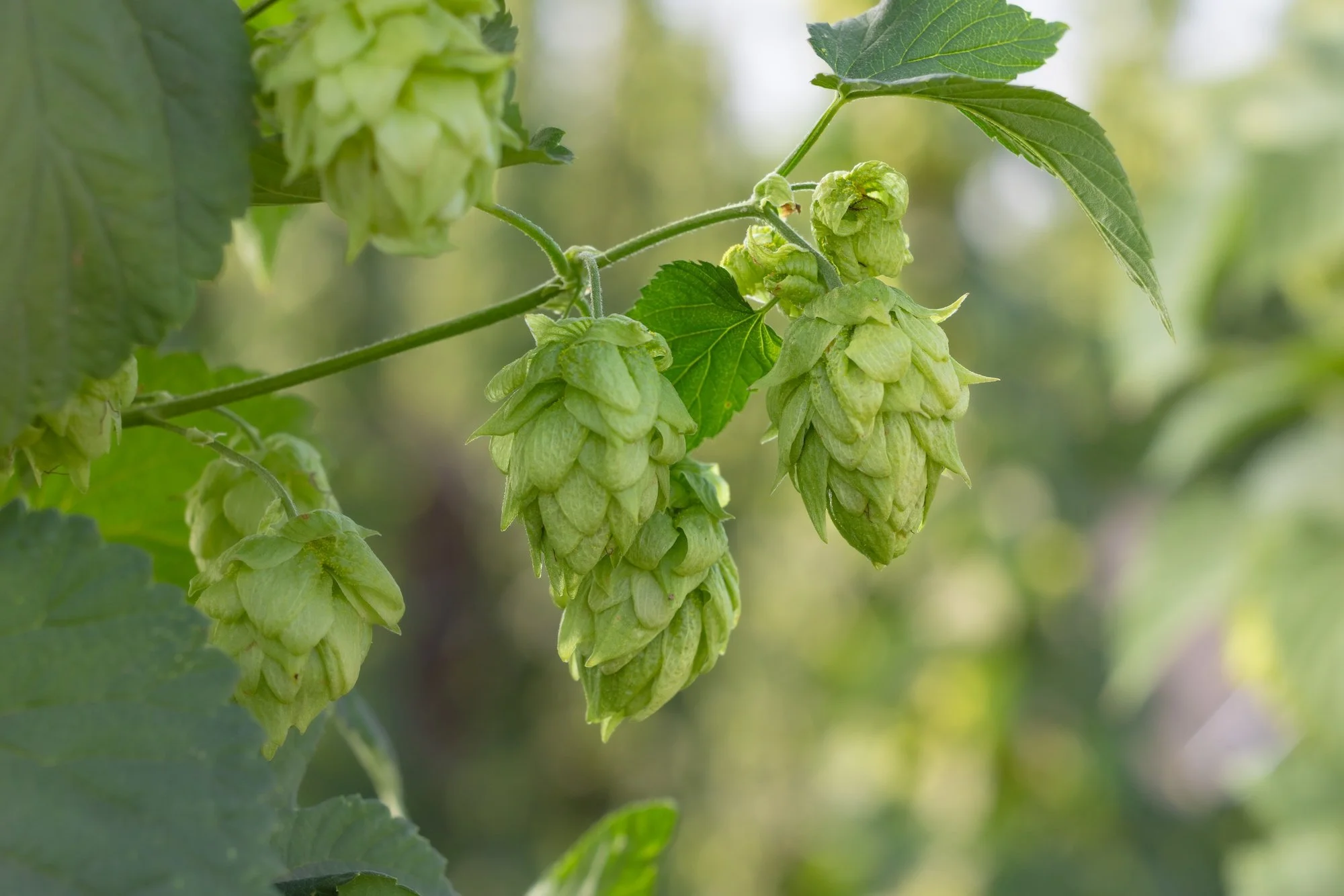
A close-up of hops. Photo credit John I. Haas, Inc.
Vera is a newer aroma hop with bright, fruit-forward character, often described as candy-like, with notes of pineapple and peach, says Dr. Kayla Altendorf, Research Geneticist at the U.S. Department of Agriculture (USDA) Forage Seed and Cereal Research Unit in Corvallis, Ore. Bred to resist common hop diseases in the Pacific Northwest, Vera was named for mycologist Vera Katherine Charles, one of the department’s first female scientists, who studied plant diseases in the early 1900s.
Altendorf says Vera is still relatively limited in production but gaining traction with brewers, pointing to its one-time category at the Great American Beer Festival, where 62 beers were entered.
Dailey, who describes Vera’s primary flavor as akin to pineapple Life Savers, recommends trying Veracious, a hazy pale ale from Central Washington-based Dru Bru, and Vera Nice to Meet You, an IPA from Cloudburst in Seattle, which is whirlpool- and dry-hopped to enhance aroma and flavor.
A public hop cultivar released by the USDA Agricultural Research Service (USDA-ARS) hop program, Vera is free of intellectual property rights restrictions, which means anyone can grow and use it.
Another new hop from the same program is Thora, named for the Old Norse word Þórr, meaning “thunder,” a nod to its “thunderous” aroma, Altendorf says.
Thora features a high concentration of potent aromatic organic compounds called thiols, including 3MH, which imparts passion fruit and guava notes; 4MMP, with hints of chives, tomato plant, and black currant; and 3S4MP, which delivers passion fruit, grapefruit, and rhubarb. Altendorf says Thora meets or exceeds thiol levels of other U.S. hop cultivars, and the resulting tropical and citrus aromatics make Thora a strong fit for hop-forward beers.

Allagash’s Rob Tod and Jason Perkins with Russian River Brewing’s Natalie and Vinnie Cilurzo (in foreground) tasting a pilot batch of BRU Pils. Photo credit Ryah Lempert for Allagash Brewing Company
Patrick Chavanelle, Research and Development Manager at Allagash Brewing Company in Portland, Maine, concurs. “With IPAs accounting for over 50% of craft beer's total annual volume, the use of new hop varieties like Thora can lend unique characteristics to hop-forward beer styles that brewers may not be able to achieve with other domestically grown varieties.”
For folks interested in trying Thora in context, Chavanelle recommends Experimental XPA from Ninkasi Brewing in Eugene, Ore.; Training Bines hazy IPA from Pinthouse in Texas; and Happy Hops IPA from Russian River Brewing Company in California. Allagash has also released a collaboration beer with Russian River called BRU Pils, a West Coast Pils featuring around 70% Thora that he calls “quite delicious.”
Thora is the result of a collaboration between the USDA-ARS public hop breeding program and Hop Quality Group, a research and advocacy organization for which Chavanelle is currently Vice President. The group uses a “USDA-led, brewer-guided, and grower-supported process, where the intention is to find hop varieties that are agronomically strong and aromatically interesting. Thora is the first release from this partnership, and we couldn’t be more excited about getting it into the hands of more brewers.”
What’s Next: HBC 1134 and HBC 1325
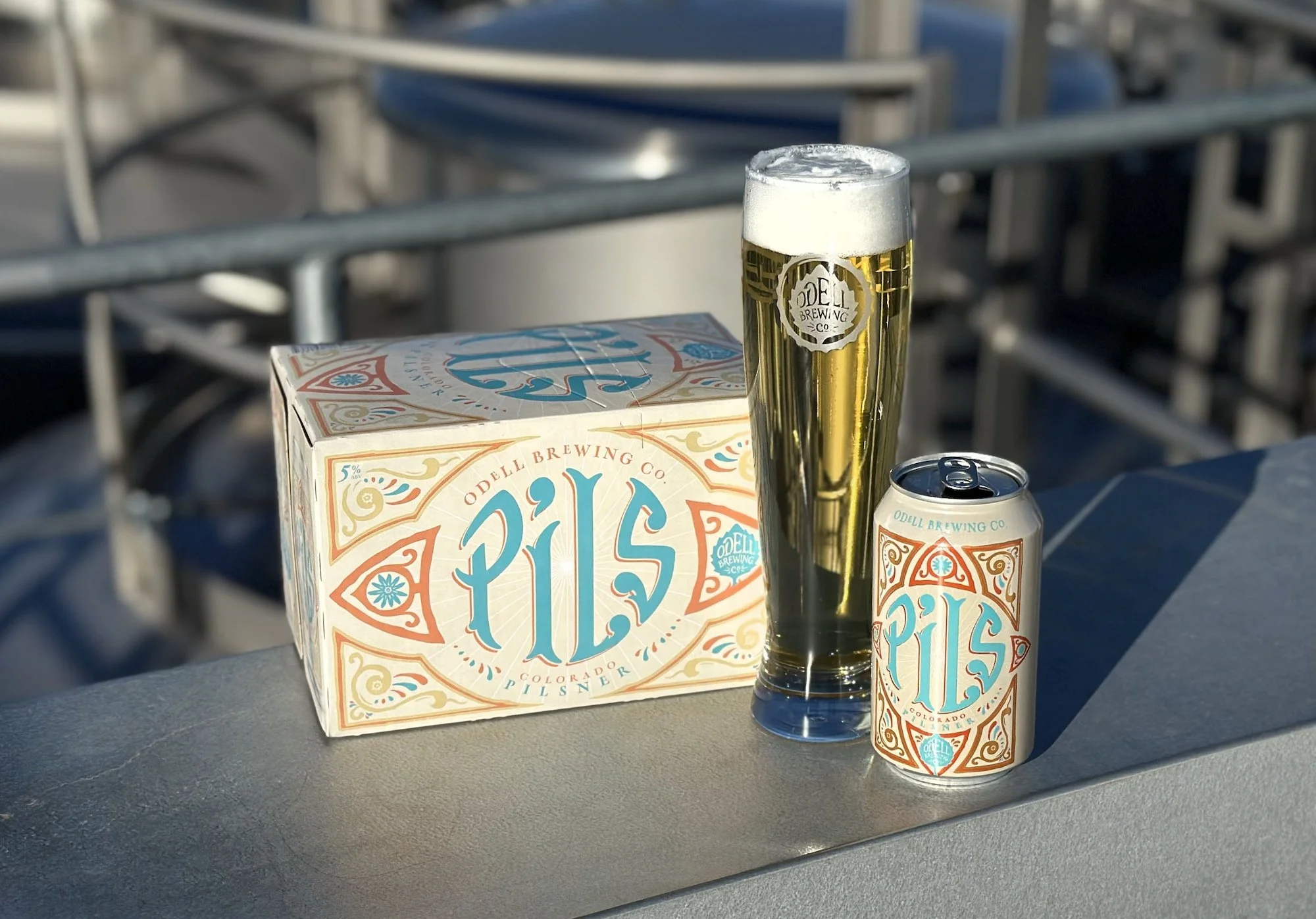
Odell Pils, made with HBC 1134, a hop so new it doesn’t have a name yet. Photo credit Odell Brewing Company
Even newer than Thora are experimental hops still known only by their breeding codes.
HBC 1134 is a new American hop bred to replace classic European landrace varieties like Saaz and Mittelfrüh, Dailey explains. He notes that drought in major European hop regions like Germany’s Hallertau and the Czech Republic’s Žatec has led to significant variability in yield and quality, even in recent years. HBC 1134 yields roughly three times as much as comparable varieties using similar resources. For U.S.-based breweries, particularly on the West Coast, it can also reduce carbon emissions when shipped from Yakima rather than imported from Europe.
Like Dolcita, HBC 1134 was developed by Haas breeder Michael Ferguson. Dailey says that HBC 1134, with its notes of light citrus, fresh herbs, rose, and wood, is well-suited for making classic German-style lagers like Helles and Pilsner. Commercial examples to try include Harvest Lager from The Alchemist Brewery in Stowe, Vt.; Czech-style amber lager Raddy from Chicago-based Revolution Brewing; and Lagerado and Odell Pils from Odell Brewing Company in Colorado.

Odell’s Technical Director Eli Kolodny. Photo credit Odell Brewing Company
Eli Kolodny, Odell’s Technical Director, says the brewery uses HBC 1134 in pellet form in Lagerado and as whole flowers in Odell Pils to achieve Noble hop–like character. “Using the whole flower hops of HBC 1134 in our hop back yields a unique soft floral and spicy character with a slightly zesty aroma. Think spring flowers, white peppercorn, and lime leaf.”
Another hop developed by Ferguson is HBC 1325, a new high-alpha, or bittering, hop. It produces nearly double the yield per acre of similar varieties and is significantly more resistant to powdery mildew, which can help reduce pesticide use, Dailey says. He adds that HBC 1325 delivers citrus, tropical, and resinous notes along with a smooth, balanced bitterness. While it’s not yet widely used in commercial beers, Dailey notes that it has already been used behind the scenes, including in many of the beers poured at the 2026 Craft Brewers Conference.
“Hopefully,” he says, “both its flavor and sustainability story will yield some interest from brewers.”