
What Is Vintage Port, and Is It Worth the Price?

Standout vintage Ports worth seeking out.
Vintage Port is the Ferrari of the wine world: highly prized, deliciously hedonistic, and typically expensive. Considered the most prestigious style of Port produced in Portugal’s Douro Valley, these bottles have long held a special allure for collectors and fortified wine enthusiasts.
Produced only in exceptional harvest years and in extremely limited quantities, vintage Port represents a tiny fraction of a producer’s output. The wines are built for long aging and can evolve in the bottle for decades, which helps explain why examples often command prices in the thousands (and sometimes even more).

Lauren Mowery. Photo credit Lauren Mowery
“It's one of the most extraordinary wines in the world that few people understand and even fewer get to taste regularly,” says Lauren Mowery, J.D., D.W.S., wine writer and founder of Azure Road.
To understand why these wines inspire such devotion, we asked some of the region’s top Port makers and experts to share their thoughts on what makes vintage Port different from other styles — and whether it's worth a price tag as steep as the hills on which it’s made.
What Is Vintage Port?
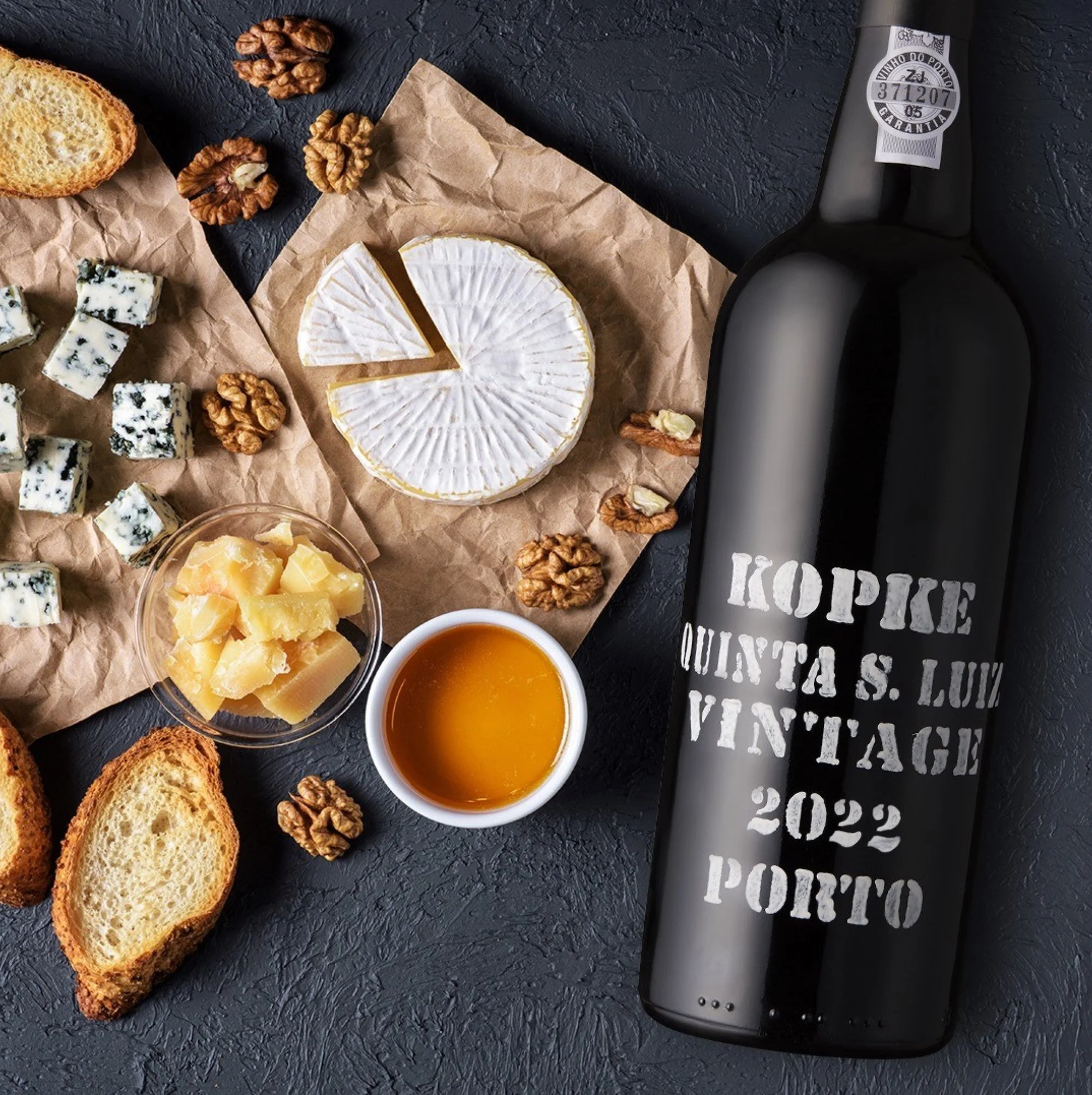
2022 Kopke vintage Port. Photo credit Kopke
Think of vintage Port as the essence of a single harvest year in Portugal’s Douro Valley. “Each bottle serves as a unique time capsule of its vintage,” says Iveta Dragomirova, Beverage Director at The 'Quin House, noting that the style is prized for its remarkable aging potential.
“Vintage Port is the best blend of a single harvest made by each house, only released in the best years, and made to last a lifetime,” says Thomas Rogerson, Port Blender at Ramos Pinto.
The wines are made from the best grapes of a single harvest year and are released only when producers declare the vintage exceptional. Because declarations occur only in select years, vintage Port represents just a small percentage — typically one to three percent — of a house’s total production.
Unlike other styles of Port, which can spend many years aging in barrel, vintage Port typically spends about two years in large oak vats before being bottled young and left to develop slowly in the bottle for decades. As the wine ages, Rogerson explains, it gradually reveals “a different character at each moment in time.”
What Does Vintage Port Taste Like?
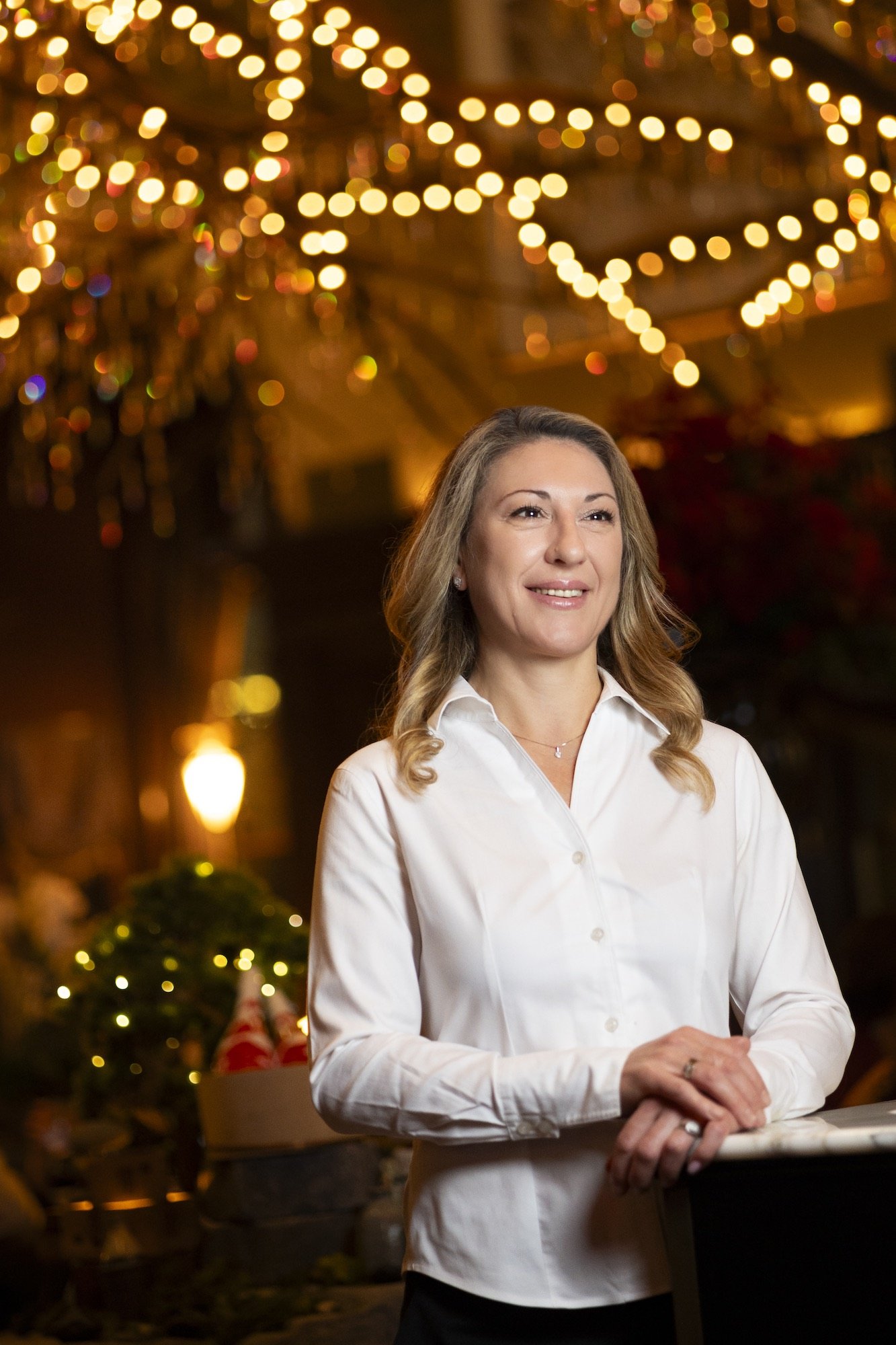
The ‘Quin House Beverage Director Iveta Dragomirova. Photo credit The ‘Quin House
“Flavors can vary from explosive fruit at the beginning to a more restrained balsamic and floral style [with age],” Rogerson explains.
Young vintage Ports tend to be deeply colored and structured, with concentrated dark fruit flavors and firm, velvety tannins. Older examples soften over decades in bottle as they gain complexity.
“With extended bottle aging, mature bottles develop complex notes of spice, chocolate, and earth,” Dragomirova says.
How Vintage Port Matures
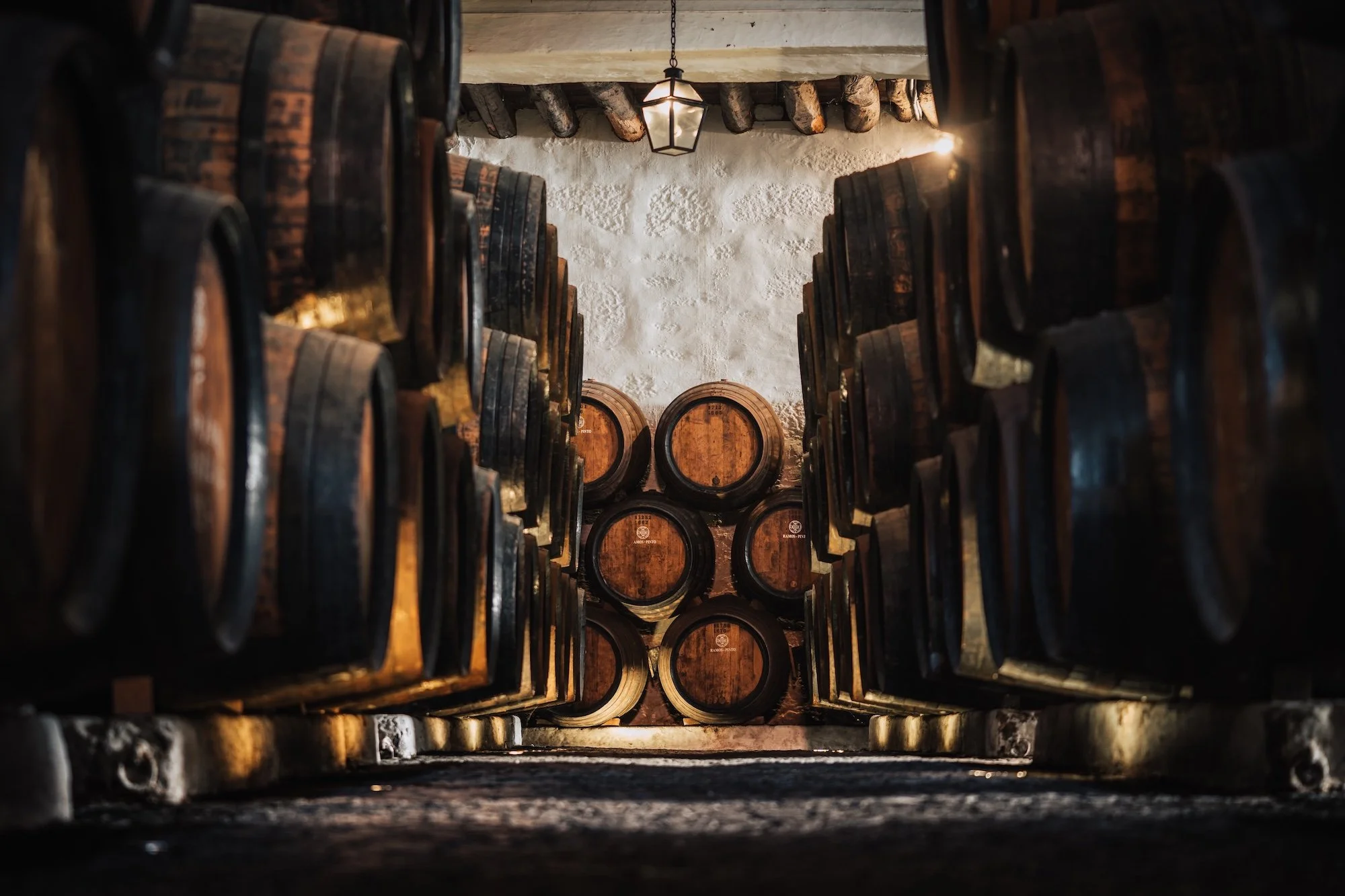
Casks in the cellar at Ramos Pinto. Photo credit Nowism
Wines in this category follow specific aging rules; they are required to mature in large oak vats or casks for a minimum of 18 months and a maximum of 30 months.
“This restricted wood aging preserves the wine’s primary fruit characteristics, deep color, and robust tannins, all of which are vital for its long-term development in the bottle,” says Dragomirova.
After this, the wines are then transferred from the large oak vats to bottles. As Port ages in the bottle for decades, its deep ruby hue turns lighter with hints of amber. “Consequently, the wine develops greater complexity and refinement compared to those aged predominantly in wood,” she says.
Declaring Vintage Port
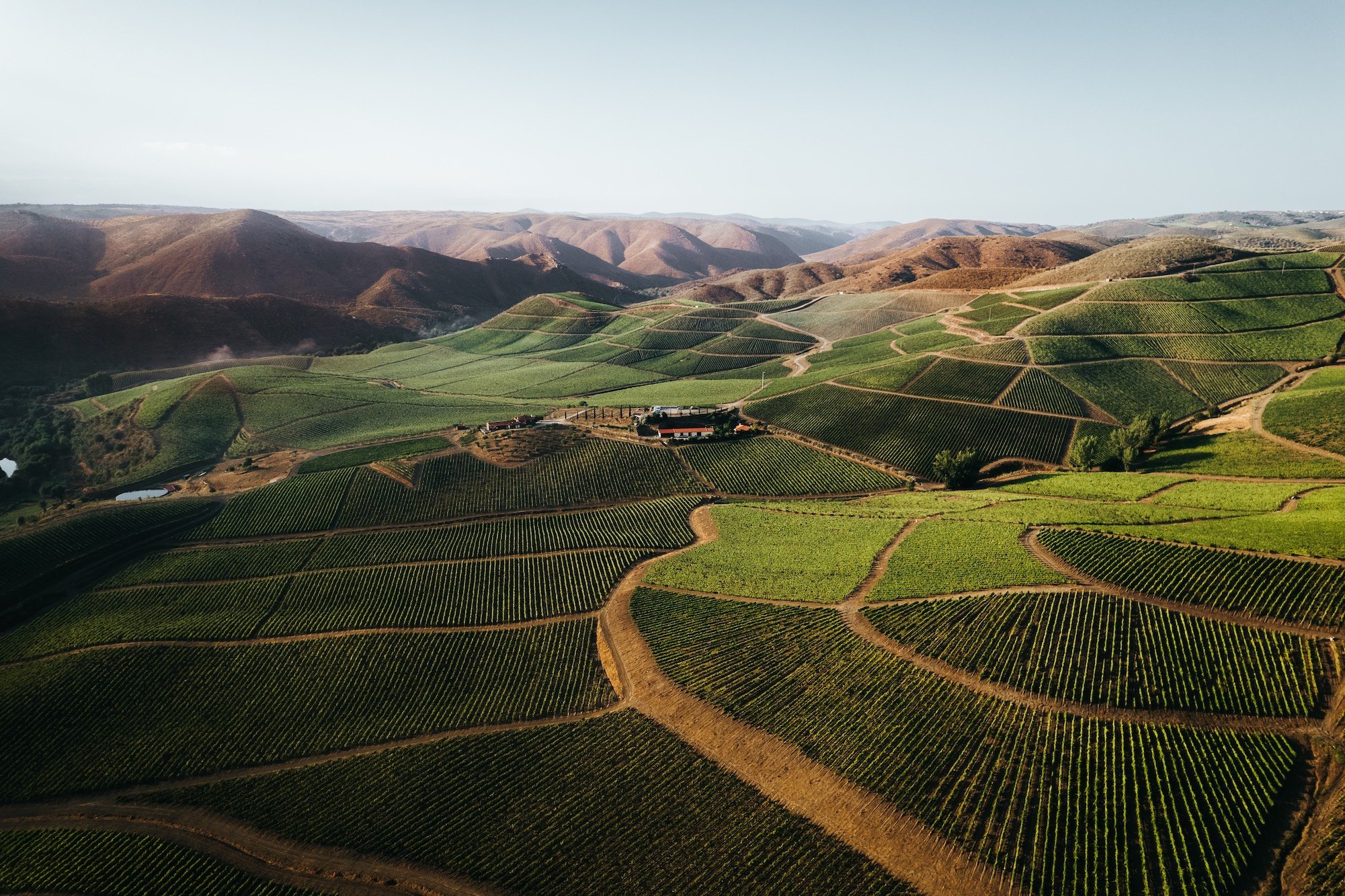
An aerial view of the Ramos Pinto estate. Photo credit Nowism
Vintage Port is produced only in years a house deems to be exceptional, with each Port producer independently deciding whether to declare a vintage. However, before the wines can be labeled as such, they must be submitted to the Instituto dos Vinhos do Douro e do Porto (IVDP) for approval. The wines are then assessed by the IVDP through blind tasting and chemical analysis to verify quality and compliance before certification.
When many producers declare a vintage in the same year, it is often regarded as a “general declaration” across the Port industry. Nevertheless, production remains limited even in declared years. Large houses may produce between 5,000 and 10,000 cases, while smaller producers typically make 1,200 to 2,000 cases.
How to Enjoy Vintage Port
These bottles do not come cheap. If you’ve received a bottle as a gift, consider yourself lucky. Young vintage Ports can start at $60 and increase into the thousands; these prized bottles are typically bought by wine collectors and fortified wine enthusiasts and are often reserved for special occasions. Prices vary depending on the producer, age, and the vintage. Historic harvests, such as bottles from 1963, 1994, and 2011, will cost more.
Due to the sediment in the bottle, proper decanting is crucial, Mowery says. Before opening, stand the bottle upright for several hours or overnight to allow any sediment to settle at the bottom.
When opening, use a quality corkscrew or a two-pronged opener to avoid disturbing the deposit. Pour the wine slowly and steadily into a decanter, stopping as the sediment reaches the shoulder of the bottle and leaving the final cloudy portion behind. Vintage Port typically lasts between two and five days at most, but it is best consumed the night it has been decanted.
Is Vintage Port Worth the Price Tag?
For Port enthusiasts, the rarity, longevity, and exceptionality of a historical vintage makes vintage Port compelling. And for collectors, vintage Port can be considered an investment.
“These wines are rare and becoming rarer in a world that's devaluing expertise, craftsmanship, and legacy,” says Mowery. “As the incentive to make them drops with each generation that doesn't discover them, the prices will ultimately go up. Buy now and hold!”
Vintage Port Bottles That Are Worth the Splurge
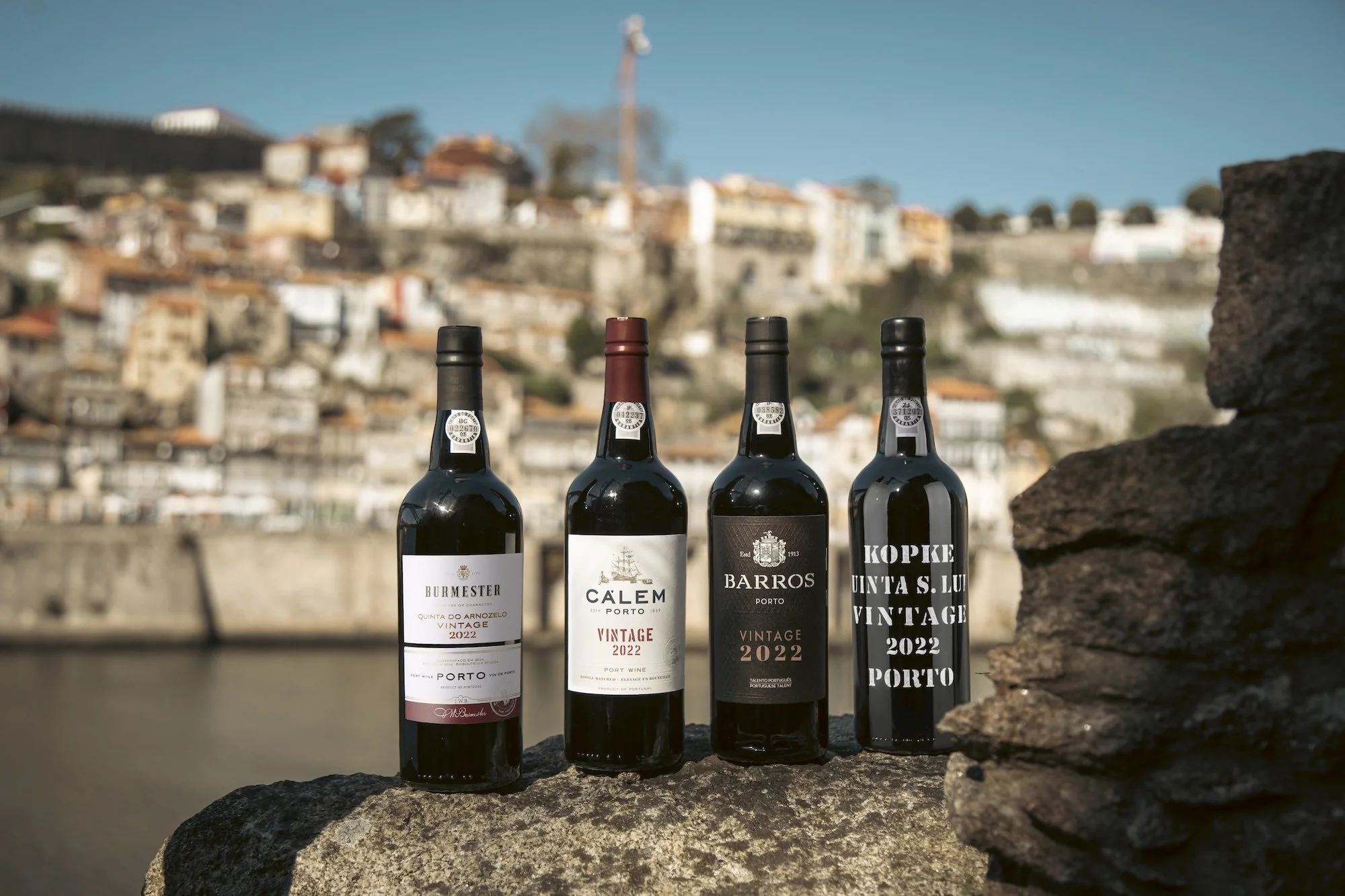
A few bottles from the 2022 vintage. Photo credit Kopke
Vintage Port can be difficult to find, but certain notable vintages and bottlings are particularly worth seeking out. The following standout selections were recommended by the experts we interviewed.
2018 Sandeman
Intense and complex, with notes of curry, pepper, ginger, and a hint of cocoa. This wine is built for aging and is expected to evolve in bottle over 30 to 40 years.
1977 Taylor Fladgate
This vintage is prized for its structure and longevity.
1994 Taylor Fladgate
From one of the most celebrated harvests of the late twentieth century, this particular bottling is a favorite of Dragomirova.
2011 Kopke
Tiago points to this bottling as one of the strongest vintages of the current millennium, if not the strongest.
1983 Ramos Pinto
Recommended by Rogerson, this wine is noted for its freshness, lively acidity, and compatibility with cheese.
1963 Croft
Born from one of the great historic vintages of the twentieth century, this opulent bottle is the most expensive on our list.