
The Best Kosher Whiskeys to Drink
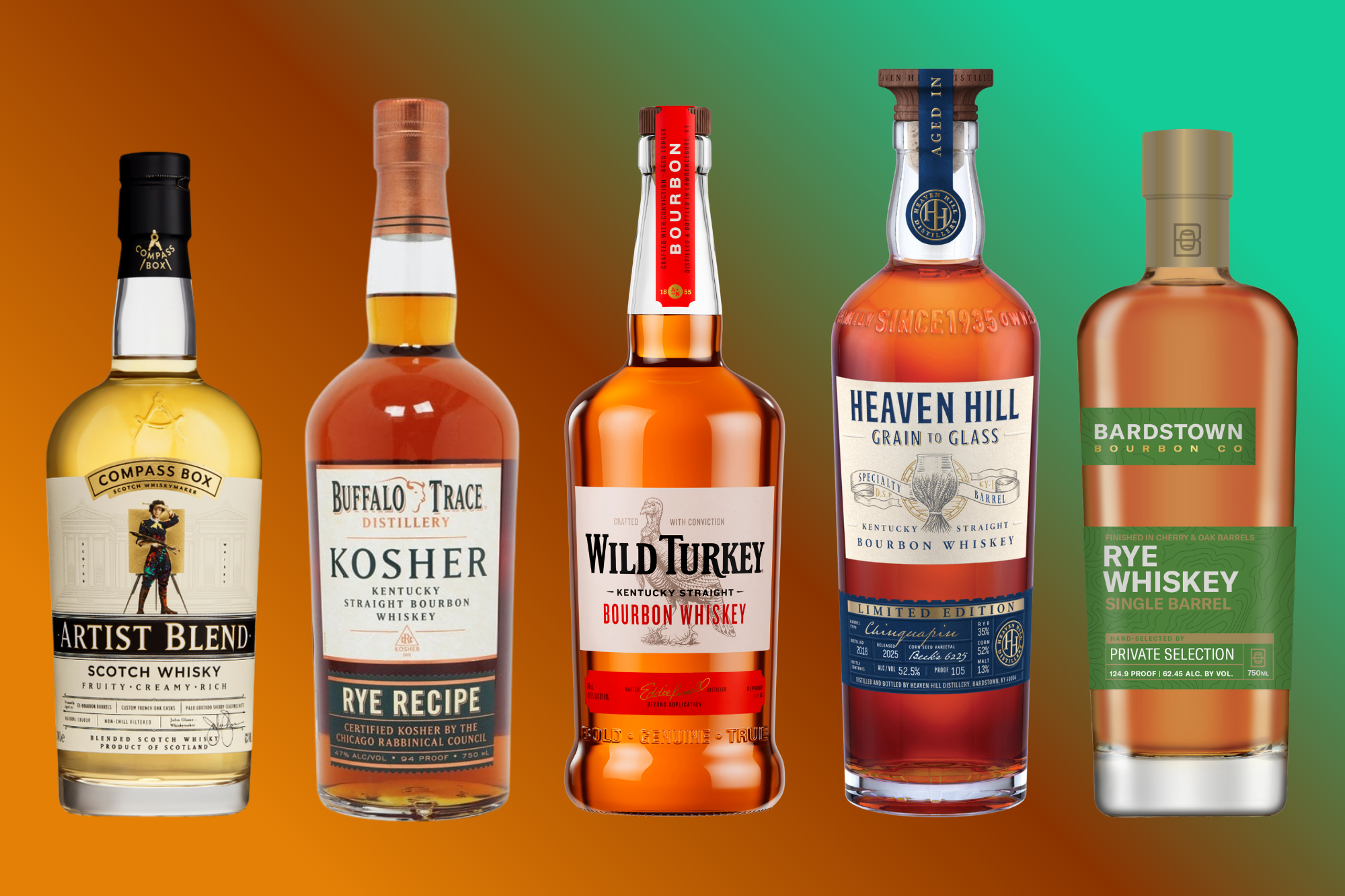
Kosher Whiskeys
Adhering to a kosher diet is a well-known element of Judaism. It’s a practice largely associated with food, and its link to alcohol tends to be less prominent among the non-practicing populace. This is particularly the case with whiskey, whose kosher status may not be something people outside the Jewish faith even realize exists.
Is Whiskey Kosher?
Kosher whiskey makes sense, given the rules of the kosher traditions. Whiskey consists of grain, water, and yeast, three basic ingredients inherently considered kosher. Additionally, there are no moral restrictions within Jewish law prohibiting the consumption of alcohol, so responsibly enjoying a dram does not put someone in an ethical quandary.
Jewish people practicing the faith are also permitted to produce their own whiskies, which, by logical extension, would make their expressions kosher. Yet there’s a catch: Jewish law prohibits them from owning any leavened grain products during the week of Passover. To circumvent this, any Jewish-owned whiskey distillery is required to sell its whiskey and grains to a non-Jewish person before Passover to retain its kosher status.
While kosher whiskey subsists, not all whiskey is kosher. Certain practices and methods utilized within the distillation process can introduce elements to a whiskey that turns it into a non-kosher product, such as a cask-finished whiskey. This can make exploring the world of whiskey occasionally difficult to navigate. However, organizations responsible for certifying kosher food and drinks, like the Baltimore-based Star-K Kosher Certification, can help minimize stress by publishing lists that distinguish between kosher and non-kosher whiskies, as well as other categories of alcohol.
Even with these faith-driven rules and regulations in place, the kosher whiskey landscape contains a bunch of delicious options to consider across the major whiskey categories, including bourbon, rye, and Scotch. What follows is five sterling examples of expressions to enjoy without violating the sacred traditions of Jewish law.
Compass Box Expressions (With Two Exceptions, Depending on Whom You Ask)

Artist's Blend and Peat Monster
Certain things cannot be blended according to Jewish law. For instance, fabrics containing wool and linen are prohibited. Whiskey does not have such stipulations, making blended whiskies perfectly acceptable. This allows faithful Jewish practitioners the opportunity to explore the majority of Compass Box’s core collection of blends, like their Artist’s Blend or Peat Monster. Two of their blends, the Crimson Casks and Glasgow Blend, are the subject of debate among some Jewish communities. At the center of the discussion is the use of sherry casks. Mainstream Jewish organizations permit their usage because they consider the interaction with the cask to be a chemical change. More conservative Jewish groups forbid these bottles because they view the sherry cask as an added non-kosher ingredient.

Heaven Hill whiskies
Straight bourbon is a complex beverage made from simple ingredients. Because the spirit’s basic composition consists of a trio of kosher ingredients, the category does not require kosher certification like other types of food and drink. Heaven Hill, however, takes the extra step and procures kosher certification for its eponymous Grain to Glass and Bottled-in-Bond brand. It also does the same for several of the brands which branch out from the Heaven Hill family, such as Elijah Craig and Evan Williams. The key indicator of a bourbon’s or rye’s kosher status, be it Heaven Hill or otherwise, is the word “straight” on the label. The word signifies traditional distilling practices were used to produce the spirit, without any additional influence. This is particularly noteworthy, as paying attention to a label can often be critical in keeping within kosher guidelines.
Bardstown Bourbon Co. Single Barrel Expressions
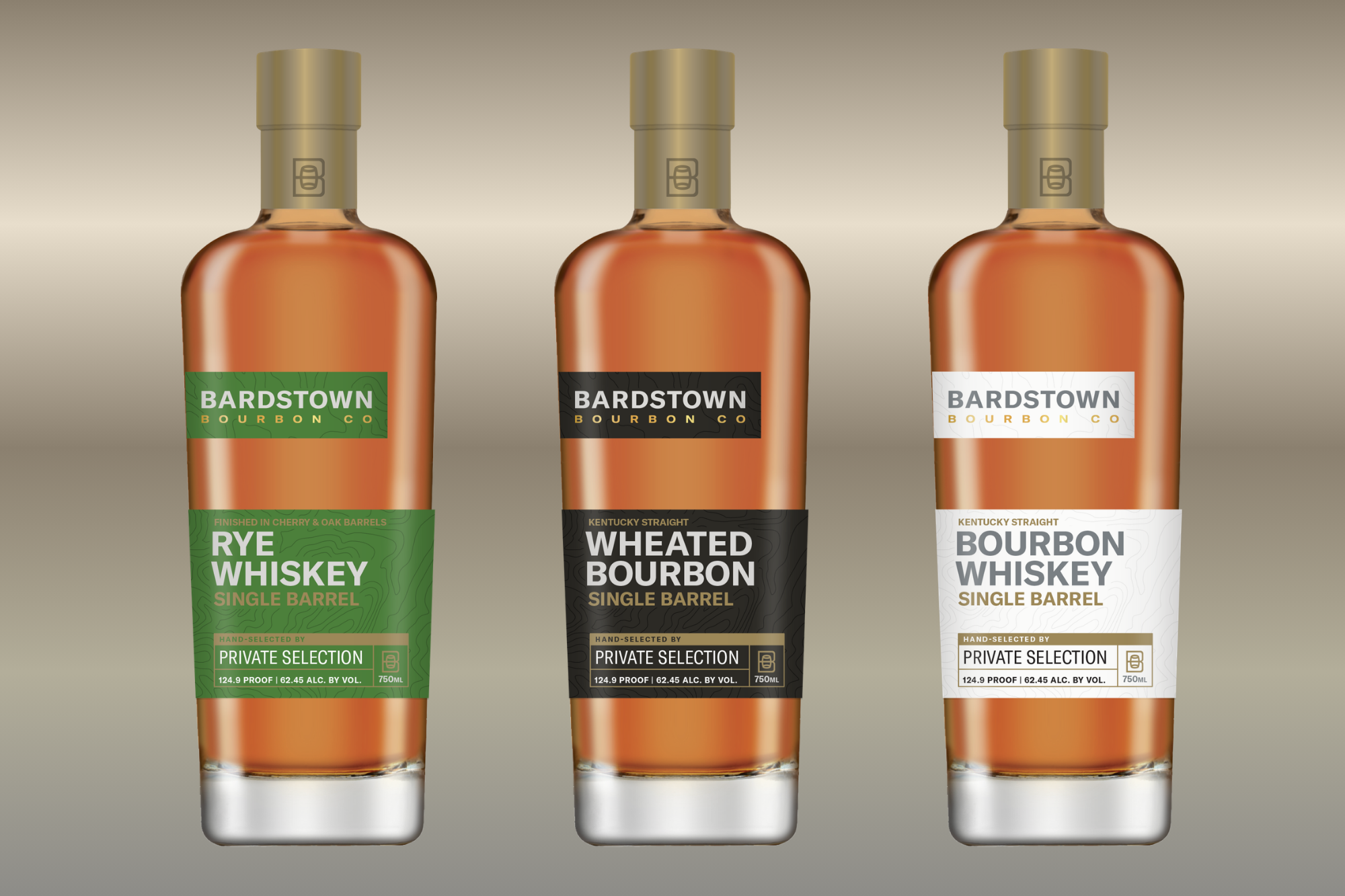
Bardstown Wheated Bourbon, Bardstown Rye and Bardstown Bourbon
Some whiskey brands feature expressions that fall outside kosher standards. Bardstown Bourbon Co. offers a prime example of this axiom. The award-winning distillery’s single barrel iterations of bourbon and rye are perfectly acceptable for consumption under kosher guidelines, regardless of their proof or mashbill. Their assortment of cask-finished whiskies or bottles featuring maturation in a secondary barrel, on the other hand, are prohibited. Jewish law forbids the use of wine or brandy casks to finish whiskies, as the liquid previously contained in the barrels are often non-kosher. Unlike the use of sherry butts, there is no exemption from this mandate among specific Jewish groups. Other secondary processes like double-matured or dual-cask finishes are also disallowed. For brands with extensive offerings like Bardstown, it can be important for practitioners of the Jewish faith to carefully research each expression to ensure processes beyond approved kosher guidelines were not utilized. This can sometimes be as simple as scrutinizing the bottle and looking for the word “finished.” In some cases, it may require viewing a more detailed description of the bottle online.
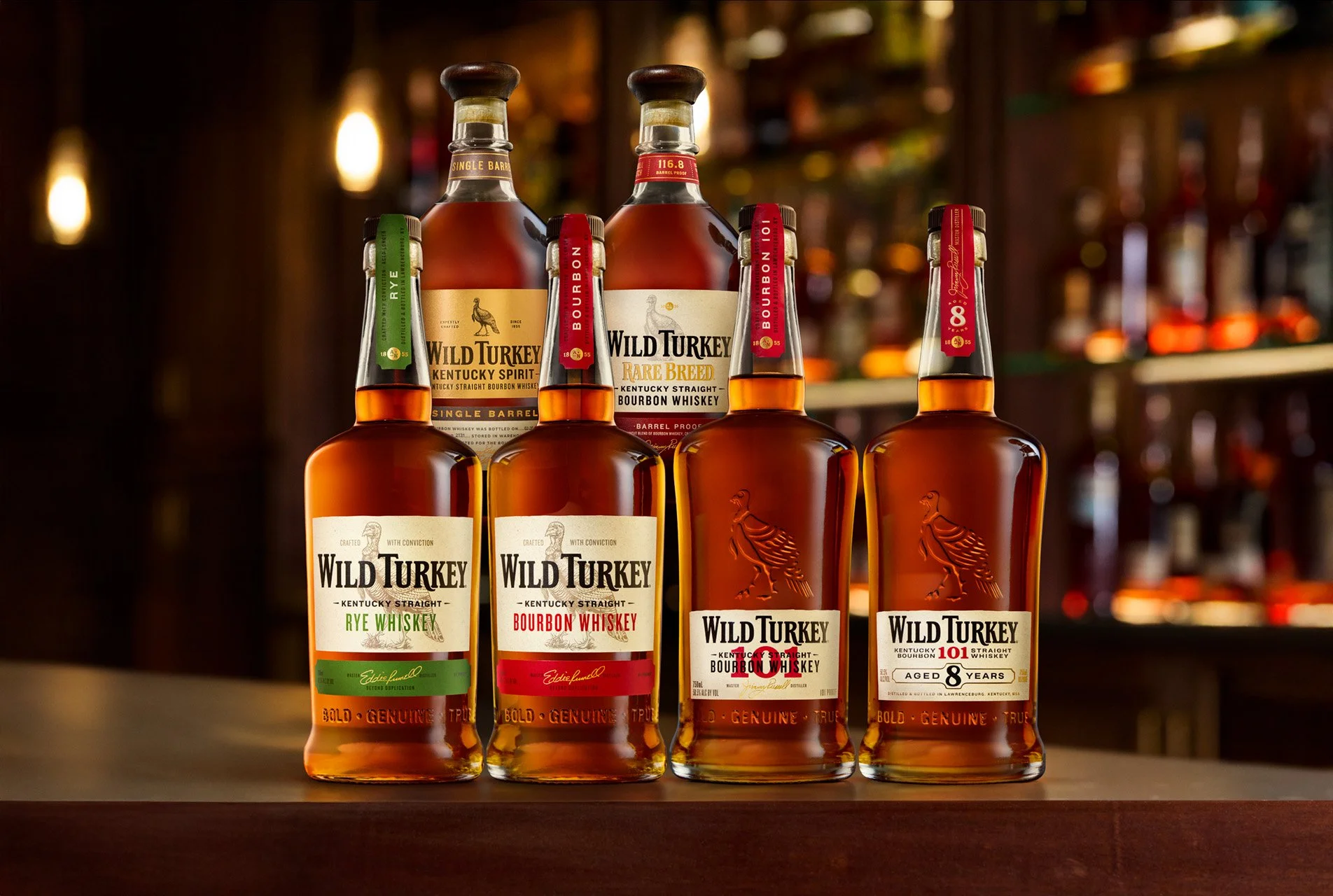
Wild Turkey bottles of whiskey
In a way, this venerable Kentucky distillery maintains kosher status simply by existing. The entire line consists of no-frills bourbon and rye expressions that solely rely on traditional methods and nothing else. The differences among the bottles stem from varying proofs or from specially selected single-use barrels untouched by other substances, both of which are permitted under kosher guidelines. These tactics mirror the mindset of Wild Turkey’s legendary master distiller Jimmy Russell, who, according to legend, once “made” a wine-finished cask by dumping a glass of wine into a bourbon barrel as a means of defiant protest. They certainly reflect the notion of a slogan gracing the front page of the distillery’s website: “When you know it’s right, don’t change a damn thing.”
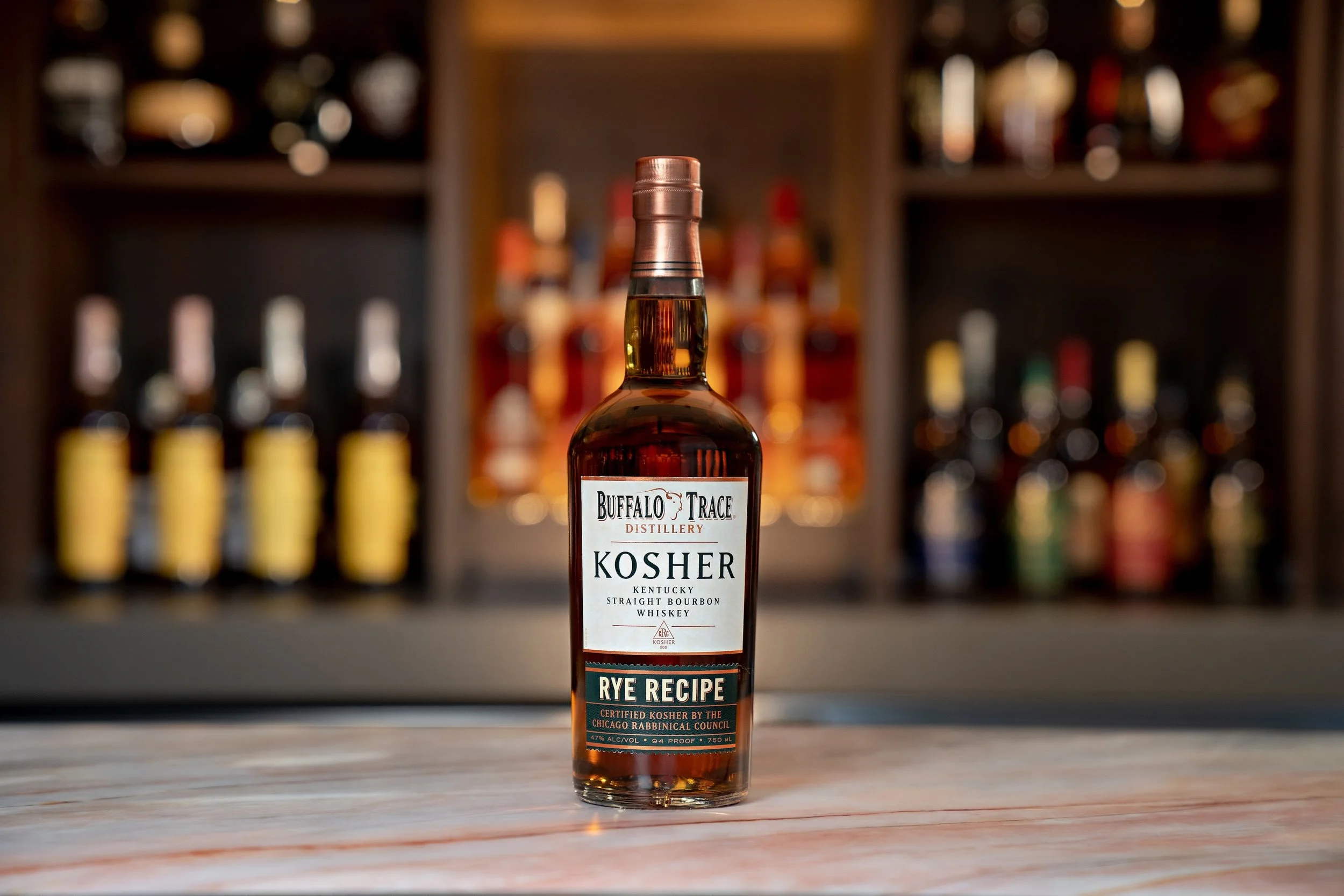
Buffalo Trace Kosher Straight Rye Whiskey
Not all whiskey brands require deep dives into their product line or an understanding of semi-coded language to confirm their kosher status. In the case of Buffalo Trace’s Kosher Straight Rye Whiskey, the word “kosher” boasts the biggest font on the bottle, making it a bottle that Jewish practitioners can trust with little to no pondering. A second note below the bold lettering indicates kosher certification from the Chicago Rabbinical Council. The 94-proof rye inside demonstrates the distillery takes this special label seriously, as classic spicy notes intermingle with hints of clove and citrus. Buffalo Trace typically produces this bottle in limited runs, so it may not be as easy to find on the market as their other expressions.