
5 Tea and Whiskey Pairings to Try
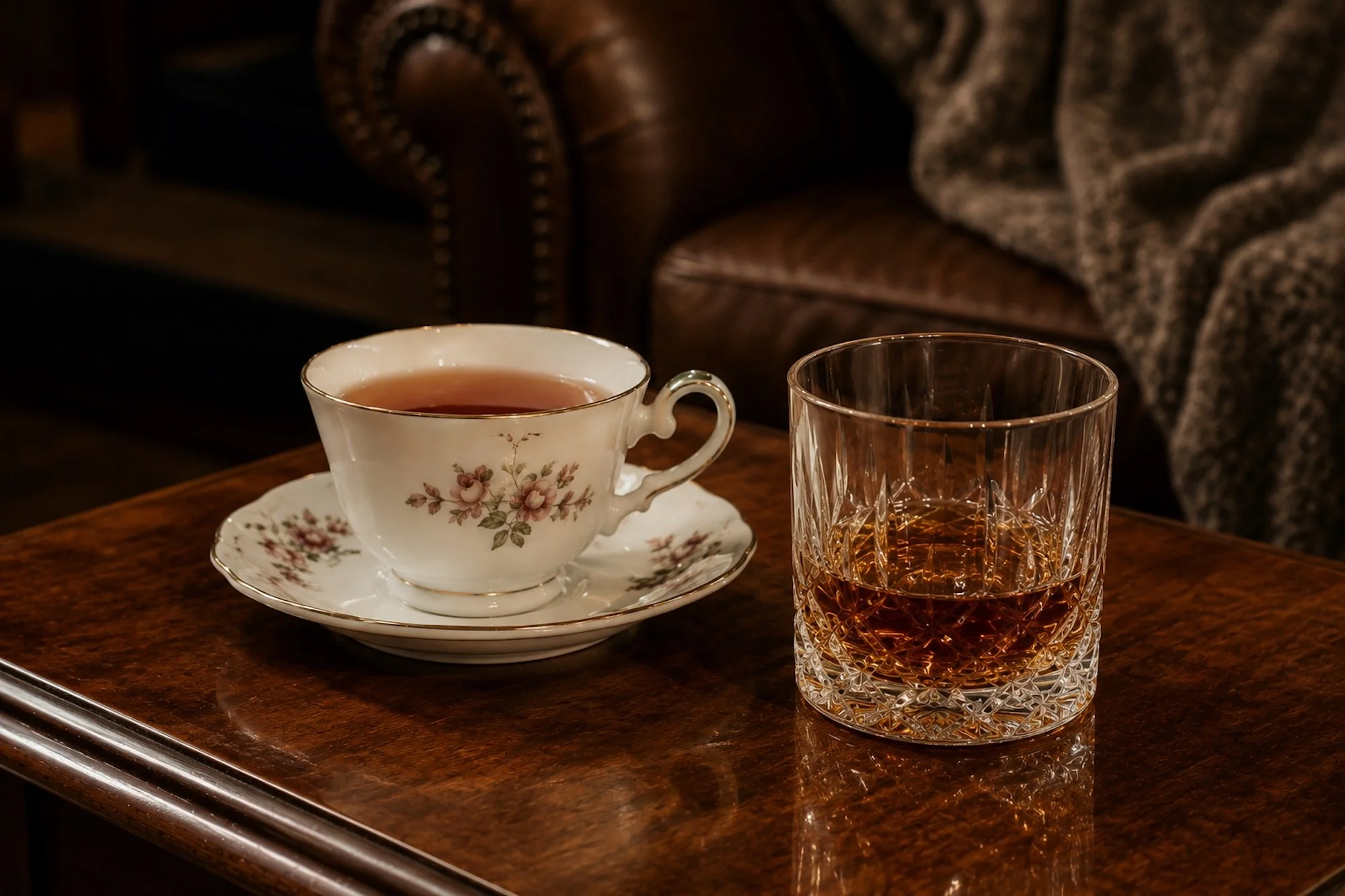
Tea and whiskey
When I was growing up, I was a devotee of MAD Magazine. One parody that stayed with me was a Sherlock Holmes spoof in which Holmes mentions a colleague swapping the tea in his tea bag with dehydrated Scotch. It’s a goofy throwaway joke, but it oddly resonated with me.
As an adult, I now know why. Tea and whiskey complement each other, and pairing tea with alcohol is far from new. Mixing the two dates back to at least the 1700s, and legendary 19th-century bartender Jerry Thomas suggested swapping out water with tea to add oomph to punches. The pairing still works today because of how well the flavors of the respective liquids play off each other.
“For me personally, it's the mix of tannins and vanillins,” explains Jeffrey Morgenthaler, consulting partner for Pacific Standard and The Sunset Room in Portland, Oregon. “Think about that beautiful, round oak flavor in your whiskey, and how it pairs with those strong tannins and vanilla you find in, say, a black tea. Throw in a little citrus and it's a match made in heaven.”
These complementary elements lay a solid foundation for even greater exploration. Like whiskey, tea is a broad category consisting of several styles, and each subgenre delivers different blends of dominant characteristics and nuanced flavors to the table. This gives the curious palate an opportunity to mix and match different teas and whiskies in a quest to find new and exciting flavor combos. Finding the right blend can be rather blissful.
“I like a big, fat bourbon with lots of sweetness to set up against tea tannins,” Morgenthaler explains. “Something with a round, sweet midpalate like Woodford Reserve makes me very happy when paired with tea.”
Properly starting out on the whiskey and tea pairing pathway begins with a solid first step. The following pairings are terrific ways to nestle into the category, preferably next to a freshly ignited fireplace in the early evening.
Bourbon and Lapsang Souchong
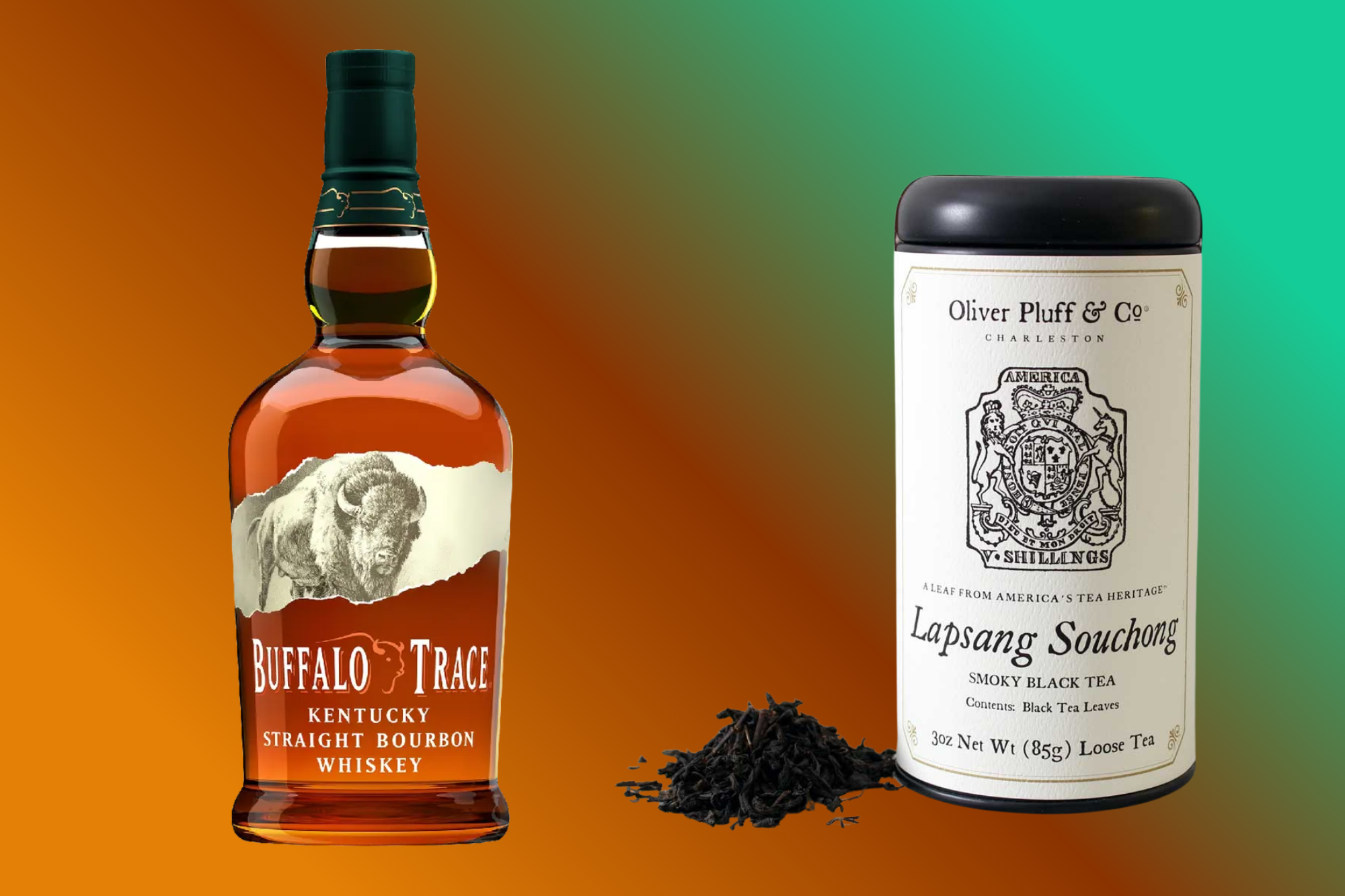
Bourbon and lapsang souchong
Lapsang souchong is a polarizing beverage: people either love the spicy, smoky, fruit-tinged Chinese black tea or avoid it at all costs. It’s a reaction similar to Islay Scotch, which possesses similar traits. This overlap makes lapsang and Islay a dubious pairing, since doing so creates an aggressive, if not monotonous, smoky note.
Bourbon, on the other hand, offers an ideal counterpoint to lapsang, balancing its sooty power with sweeter hints of vanilla and caramel. The result is a flavor experience that’s more akin to a s’more than a campfire. In addition to Morgenthaler’s Woodford Reserve suggestion, Buffalo Trace is another pairing recommendation; its sweetness is slightly subdued by a hint of spice, perfectly balancing the bourbon against the tea’s boldness.
Scotch and Earl Grey
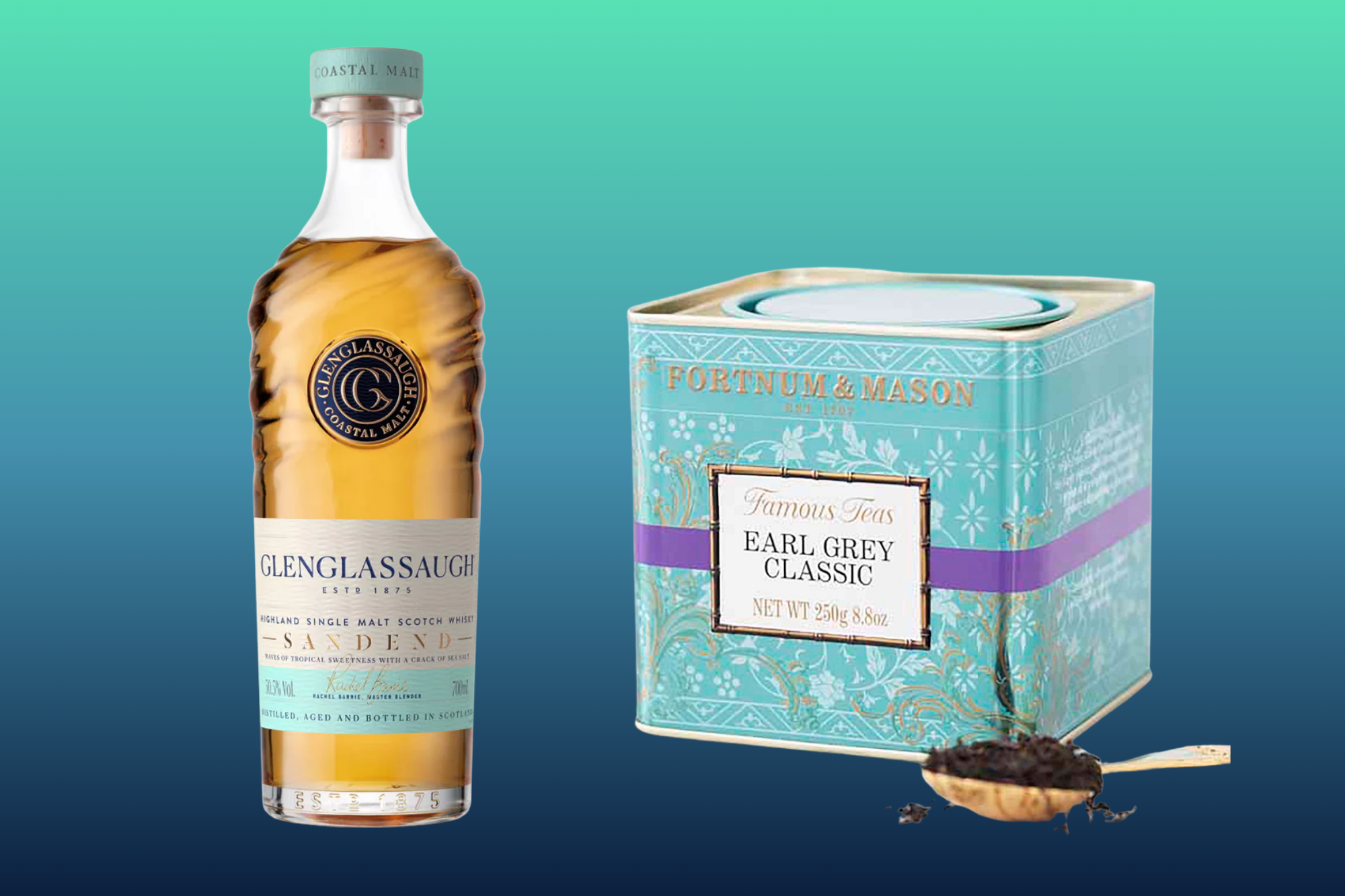
Scotch and Earl Grey
In a way, pairing Scotch with an Earl Grey tea delivers the opposite effect of the bourbon and lapsang combination. Unlike lapsang’s dark boldness, Earl Grey offers up bright pops of citrus and floral notes, with bergamot leading the charge. Adding Scotch from any region to Earl Grey mellows it in a delightfully nuanced way, adding complexity to a refreshing cocktail. The toasty qualities of malt act as the prime mover of this balancing act, giving you the freedom to play around with the full breadth of Scotch expressions. This doesn’t mean peat sits on the sidelines and does nothing. While a Highland or Speyside expression keeps the pairing on the lighter side, an Islay Scotch can add a touch of dark richness to a cocktail without disrupting its symbiosis. The pops of tropical fruit from a Highland single malt like Glenglassaugh Sandend pair well with Earl Grey’s floral quality, while an Islay such as Laphroaig 10 provides a peaty counterpunch to the tea’s brightness.
Irish Whiskey and Green Tea
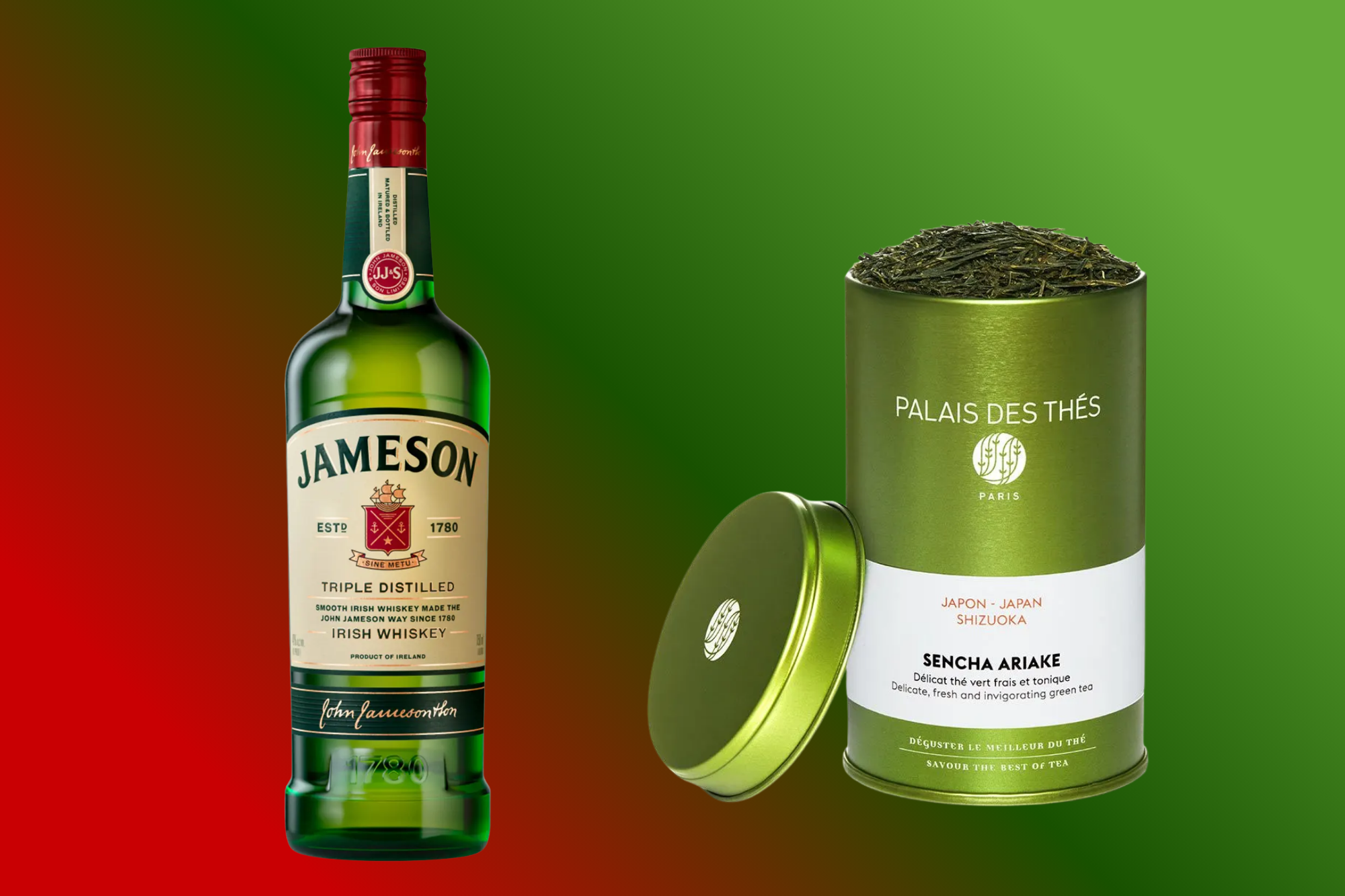
Irish Whiskey and green tea
Because green tea has a broad range of flavor profiles, what you’ll taste largely depends on where the green tea originates. Sencha from China, for example, is sweet, smooth, and luxurious. Matcha from Japan, on the other hand, tends to be earthy and vegetal. Thanks to its traditional triple-distilled process, Irish whiskey’s round, caramel-kissed quality gives it enough versatility to play nice with green tea regardless of its profile. A whiskey such as Jameson has a light, unfussy character that’s versatile enough to complement both sides of the green tea spectrum. While you don’t really need any excuse to have a bottle of Irish whiskey on your back bar, this ability to pair well with green tea in all its forms gives you a solid reason to have one nonetheless.
Rye and Chai
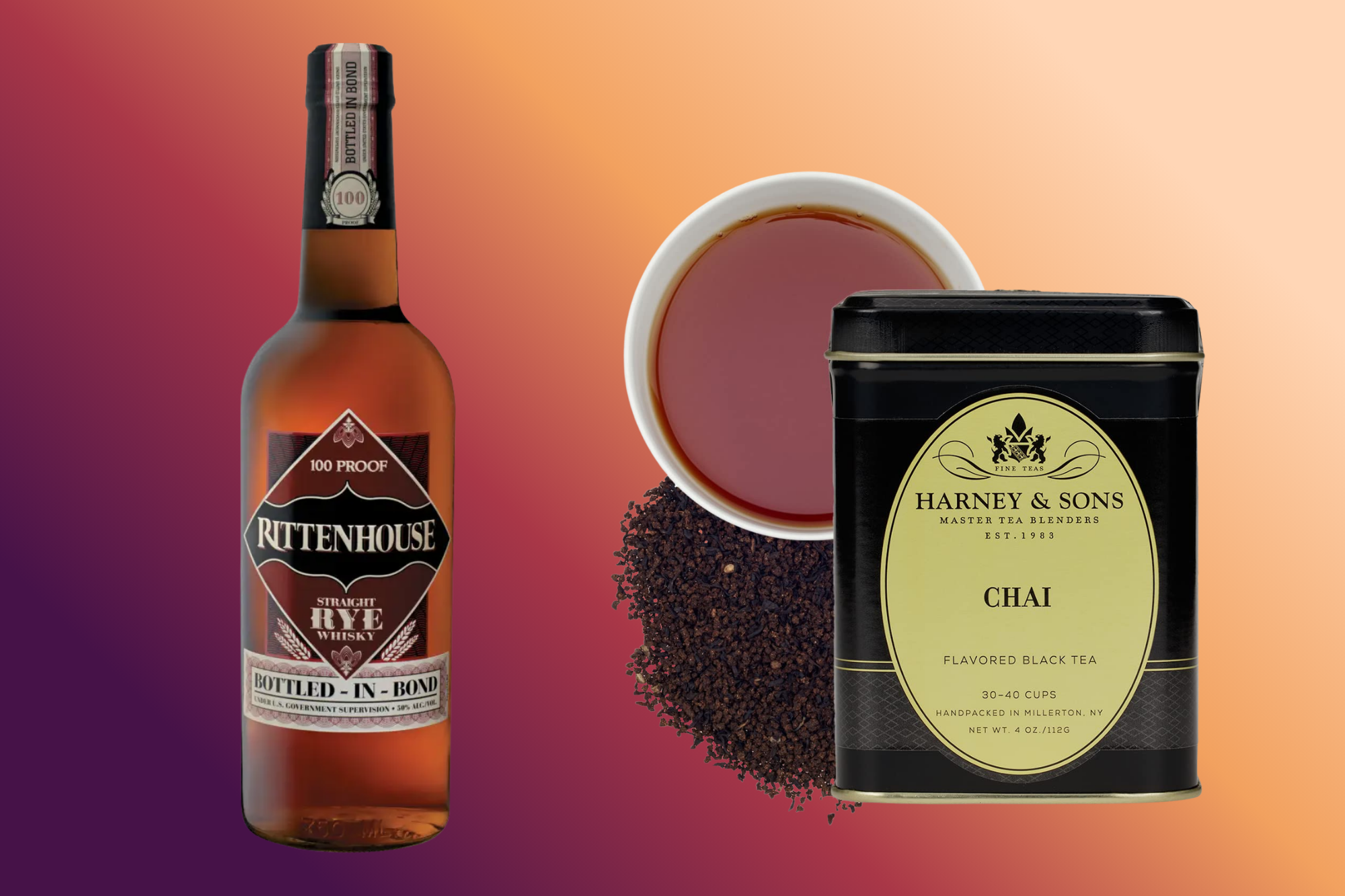
Rye whiskey and chai
On top of being fun to say together, rye and chai pair well with each other because both bring different forms of spice. Rye’s peppery herbaceousness and underlying subtle sweetness ideally bounce off chai’s more prominent baking spice profile. Both extract additional character from each other, creating complex drinks that radiate warmth with every sip. Rittenhouse’s 100-proof rye whiskey has concentrated spice that fits into any rye cocktail, and it ideally jibes with chai’s profile.
Everything and Oolong
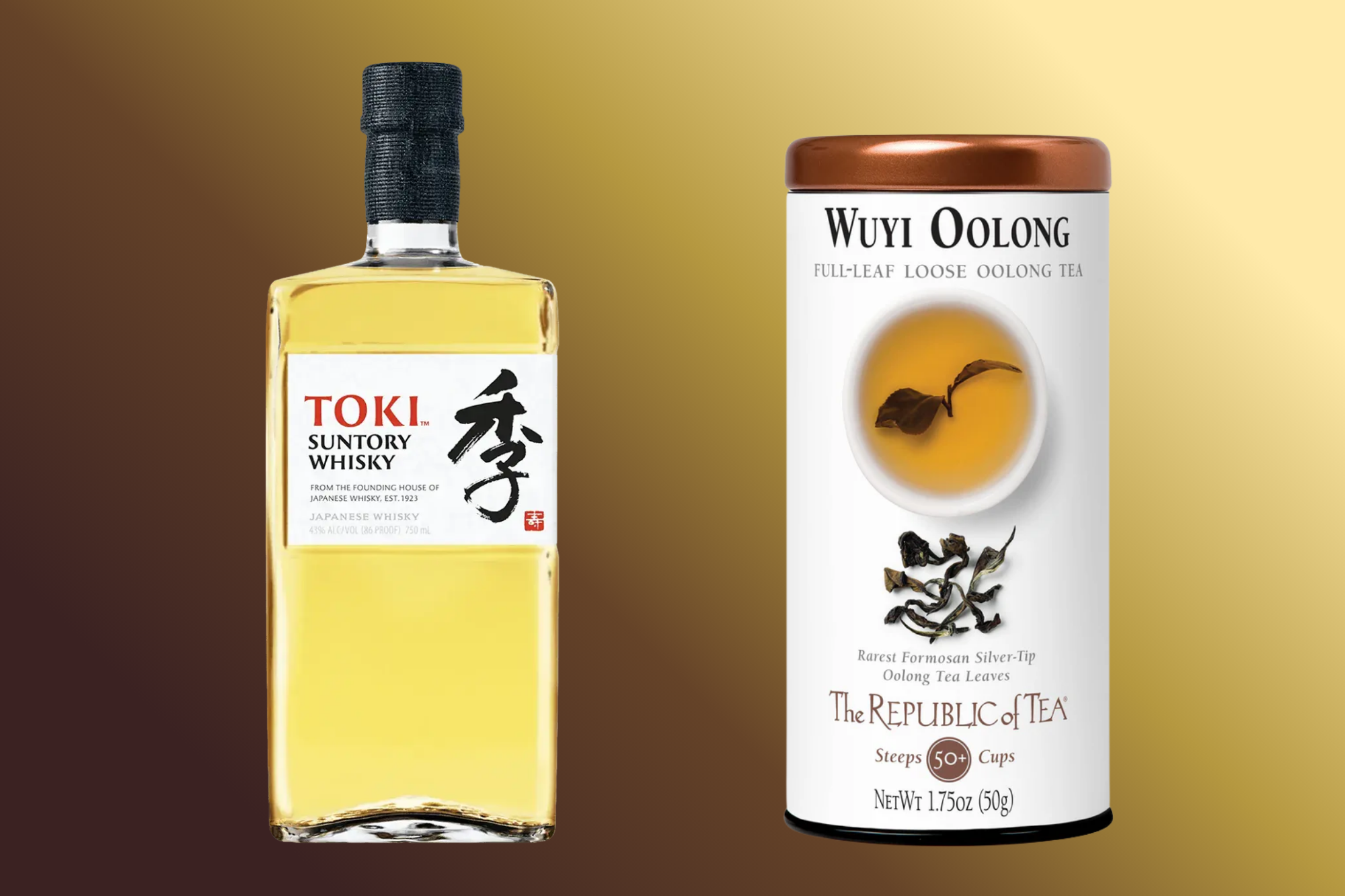
Japanese whiskey and oolong
Oolong tea can be tricky to pair with whiskey because of its highly adjustable nature. Not quite green tea, not quite black tea, oolong’s flavor profile greatly hinges on its level of oxidation; that is, how long the tea leaves are exposed to air. A partially oxidized oolong that’s been laid out for a couple of hours will have delicate, floral notes, making it suitable for a Speyside or Highland Scotch or even a Japanese whisky. Suntory Toki’s gentle floral character expands a partially oxidized oolong’s delicate nature.
An oolong made from roasted leaves exposed to the elements for a full day will bear richer, warmer notes. This makes it ideal for rye, and a high-rye bourbon like Old Grand-Dad 114 adds depth to a fully oxidized oolong’s warmth. Finding the right oolong pairing that works best for you may take a bit of R&D, but you’ll likely find the results of such experimentation worth this effort.