
Why Sommeliers Are Excited About the Loire
Brought to you with support from Vins de Loire
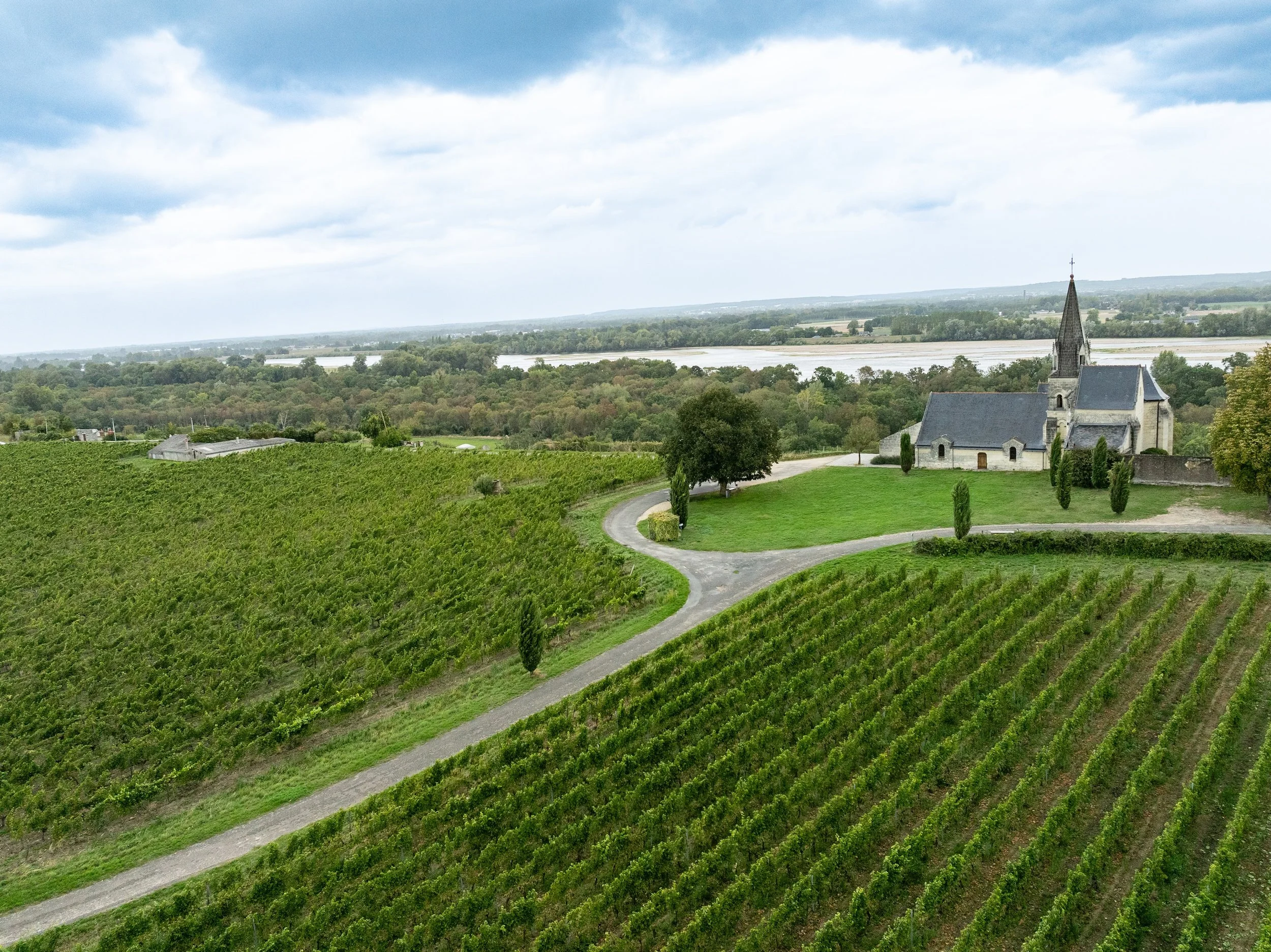
Loire vineyard and chateau photo credit Vins-de-Loire gaellebcphotographe
There’s a certain je ne sais quoi about the Loire that has always fascinated sommeliers. Perhaps it’s the nearly 42,000 hectares of picturesque vineyards and rolling farmland tucked between enchanting castles. Or the region’s deep respect for nature and unwavering commitment to responsible winegrowing. More than an ideal, that commitment is supported by ambitious, measurable action that is contributing to growth worldwide: through its Loire 2030 plan, the region aims to have 100% of its wine estates engaged in organic farming or environmental certification by 2030 – preserving its remarkable landscapes and winemaking heritage for generations to come.
We asked two Master Sommeliers why Loire wines are more popular than ever on restaurant wine lists, and which wines, producers, and AOPs they are most excited about.

Master Sommelier David Yoshida
Early in his career, Master Sommelier David Yoshida, vice chair of the Court of Master Sommeliers, Americas, spent a memorable harvest immersed in the Loire – an experience that left a powerful impression and an enduring appreciation for its wines. At the time Loire wines were routinely relegated to catchall “other” or “interesting” categories. This, he says, “robbed them of their identity and often grouped them with other wines that were far more obscure, virtually guaranteeing that only wine nerds would enjoy their transparency, deliciousness and value.” Times have changed, and the wine trade’s longtime enthusiasm for Loire wines is matched by consumer demand.
Yoshida says the Loire offers something for every consumer, pointing to the striking fact that “8 bottles of Loire wine are sold every second.” There are cult wines from producers that command a hefty price tag from such as Nicolas Joly, Domaine Huet or Clos Rougeard, to “thoughtfully constructed” moderately priced wines. He also explains that there are “stunningly pure examples of gamay, sauvignon blanc, chardonnay, and pinot noir” from PGI Val de Loire with “killer” prices that can revive any by-the-glass list.
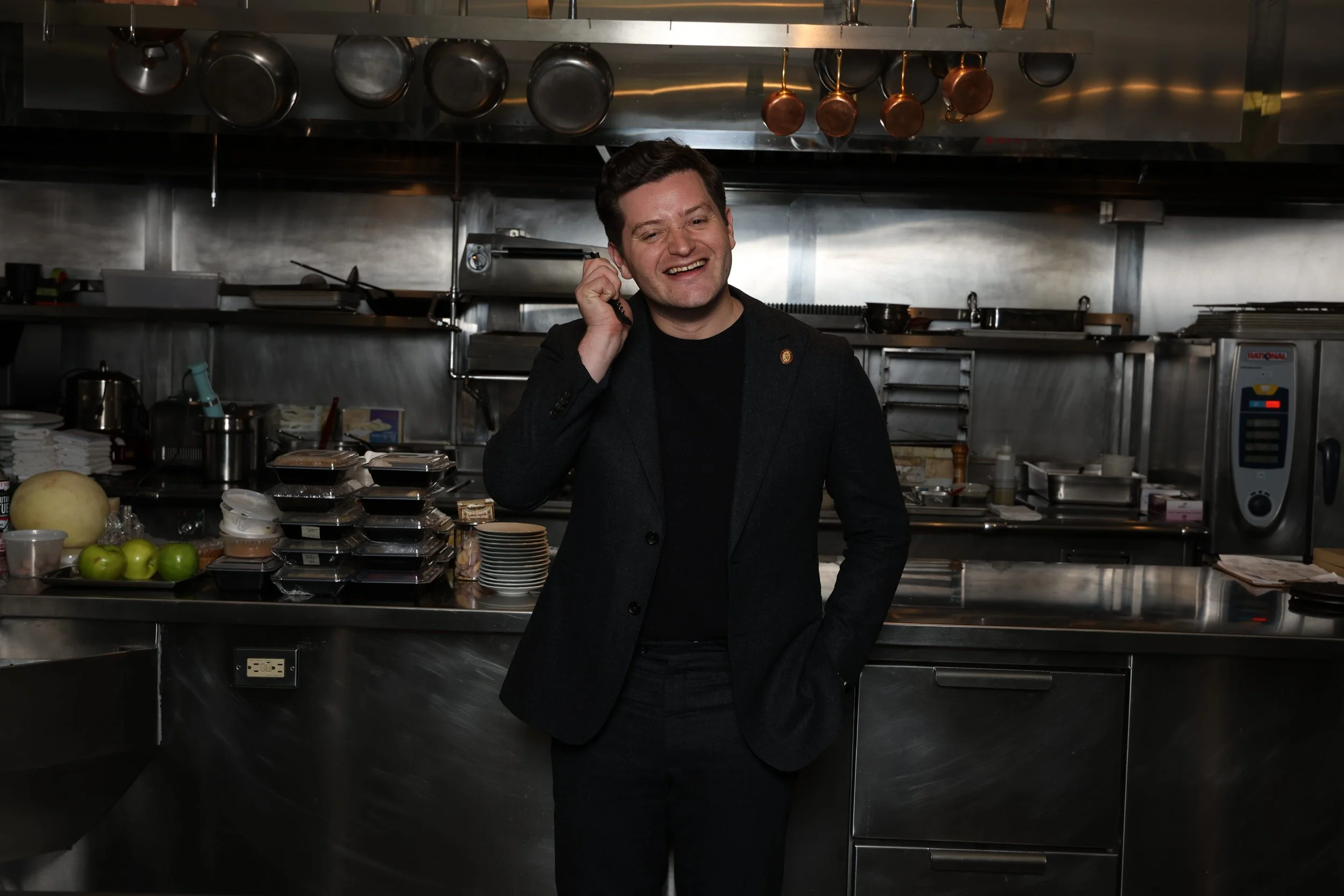
Master Sommelier Jonathan Eichholz
Jonathan Eichholz, a New York City-based Master Sommelier who leads national education efforts for GuildSomm, adds that Loire wines are a mainstay in major markets, bringing “diversity and energy” to wine programs. As Eichholz has observed in his travels, trends that take hold in larger wine markets tend to ripple outward: Loire wines are making a mark nationwide across a range of styles and appellations.
Alongside bright, crisp whites and expressive reds, the Loire is France’s second-largest producer of PDO sparkling wines after Champagne. Eichholz describes Crémant de Loire as one of the most approachable traditional-method sparkling wines available. “Where else can you get value-driven traditional-method sparkling under $40 with this level of quality?” Names to seek out across the region’s sparkling-wine landscape include Crémant de Loire from Château de Bois-Brinçon and Langlois or sparkling Vouvray from Domaine Vincent Carême.
For anyone passionate about wine, understanding grapes, geography and wine styles is essential. Eichholz and Yoshida offer the same advice for navigating the Loire region’s remarkable complexity: begin with the grapes, then let the appellations, soils and geography fall into place.
“At the broadest level, the Loire features a Mount Rushmore of Melon Blanc, Chenin Blanc, Sauvignon Blanc and Cabernet Franc – each with its own personality and set of flavors. Once you get a handle on the varieties, it’s time to explore the AOPs and producers,” Eichholz says. Yoshida adds that discovering Loire’s essential character does not require focusing on its most expensive bottles. “Often, top-end wines are more nuanced and reflect something more specific such as a winemaking decision or an individual vineyard site – rather than painting a general picture,” he explains. Good starting points include a Bourgueil from Yannick Amirault, a Muscadet Sèvre et Maine from Domaine de la Pépière and Domaine Champalou’s Vouvray Sec – clear introductions to Cabernet Franc, Melon Blanc and Chenin Blanc, respectively.
For those seeking a splurge-worthy selection, the Loire delivers at the top end, too. Eichholz is “enamored” with trailblazing ventures like the wines of Nicolas Barbou and his “genre-bending style of Sauvignon Blanc.” He recommends seeking out the 2020 or 2022 vintage, adding that Sauvignon Blanc can age remarkably well. Yoshida, meanwhile, points to mature Chinon as evidence of the region’s longevity, describing bottles from 1993 and 1996 as still remarkably fresh and half-joking that the 1989 “may be immortal.”
At the table, the Loire’s remarkable versatility comes fully into focus. Yoshida favors a classic “what grows together, goes together” pairing, such as tarte tatin with the lush, sweet wines of Bonnezeaux PDO. Eichholz encourages a playful, cross-cultural approach that showcases the region’s diversity, like Touraine-Oisly PDO sauvignon blancs with tacos and fresh salsas. From regional classics to unexpected combinations, Loire wines truly offer something for every palate.