
Why Bottling Protein With a Buzz Doesn’t (Generally) Work
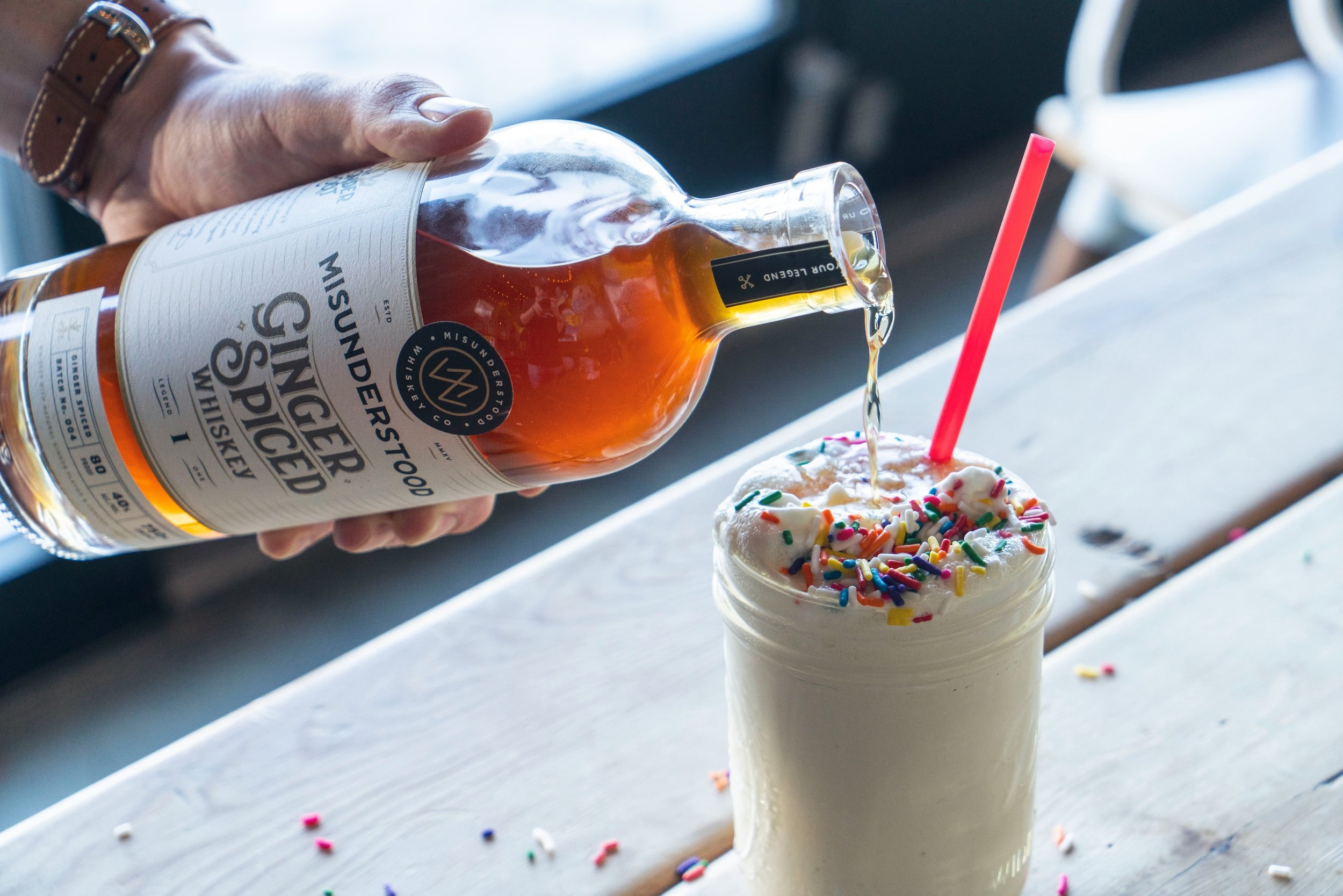
Boozy milkshake photo credit Misunderstood Whiskey
How awesome would it be if you could pound a boozy milkshake and build muscles, while getting a buzz at the same time? Great in theory, although the science doesn’t necessarily support it. While protein is definitely having a moment, studies show that alcohol consumption can negatively affect muscle recovery post-workout, especially in men. It can also negatively impact energy balance, hinder nutrient absorption and increase inflammation.
And yet our skill as humans at cognitive dissonance, and our reluctance to give up the perennial quest to accomplish multiple tasks at the same time—despite evidence that it reduces the effectiveness of the deeds being accomplished—has meant that protein has slid into alcoholic beverages, and is slowly making its way into happy hour.
Alcoholic Beverages with Protein
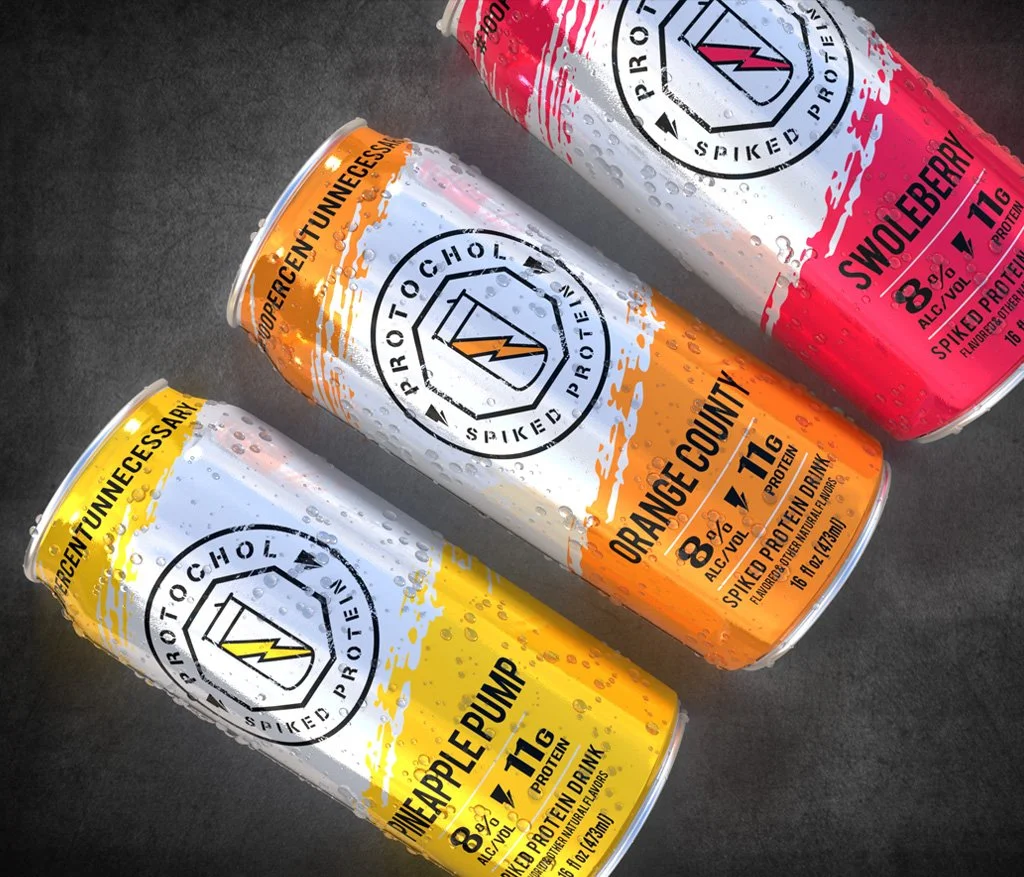
Protochol Spiked Protein
Protochol Beverage
National Pro Beer
Mate! Vodka Protein Water
Mighty Squirrel (protein beer)
While protein is clearly trending, beverages made with it have had a less than meteoric rise. Protochol Beverage launched to much fanfare, at 8% ABV, with 11 grams of protein. After a massive social media push, the beverage wilted, and now the domain is for sale. When it was alive, it was available in three colorfully named flavors: Pineapple Pump, Swoleberry and Orange County.
National Pro Beer may or may not still be alive (we never heard back after repeated reach-outs), it was billed as a light pale ale fortified with 15 grams of protein for those in search of a “beer that supports your lifestyle. Change up your recovery routine by drinking a beer with protein.” The website raises many questions about availability.
These days, it’s not just athletes who are trying to cram more protein into every bite and sip, it’s anyone and everyone who has read the countless articles tying high protein consumption to better energy, cognitive health, and hydration.
“Protein is showing up in places that it never used to, such as sodas and snackable drinks,” says Kaleigh Theriault, VP of beverage and alcohol thought leadership at Nielsen IQ (NIQ).
She points to the serious 22.5% growth in protein drinks year-over-year, and says that the rise in interest in alcohol-spiked protein is likely simple: “consumers are looking for ways to enjoy alcohol without feeling like they’re completely stepping outside their wellness goals.”
RTDs with Protein = Tricky Business
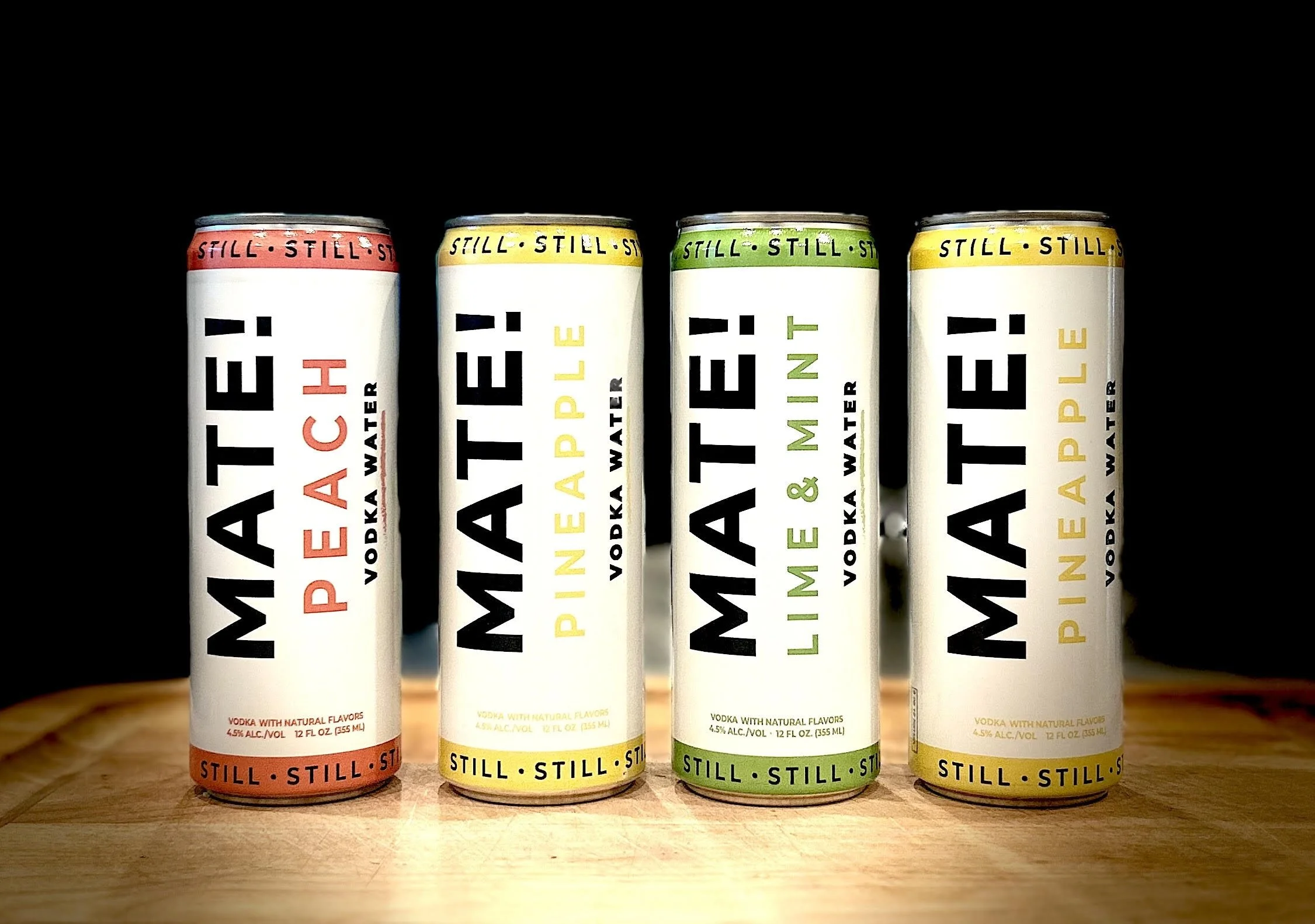
Mate! Vodka Water
But it isn’t always as easy as it seems. “Making an alcoholic drink with protein in it that’s shelf stable and tasty is actually very difficult,” says Christopher Wolstenhome, founder of MATE! Vodka Protein Water. “We spent a long time perfecting our formula, and we found that only pea protein really works.” In other words, a scoop of whey protein + hard alcohol won’t cut it, unless you drink it fresh from the blender (and in my experience, add ice cream).
“Protochol was a little cowboyish in the way they did things,” notes Wolstenhome. “They used a brewery, used a whey protein, made it a super large can with a stupid amount of flavor with a high alcohol content, and it was truly thick and nasty. It didn’t abide by the rules of the FDA and TTB and eventually died out without much fanfare.”
Mighty Squirrel Brewing Company phased out its protein beer.
“Again, the moment you use whey protein you get a horrible mouth feel and a thickness that just isn't palatable on a larger scale,” he says. “By using pea protein in ours, it stays thin, watery and easy to drink multiple at a time.”
Indeed, many of the RTD protein beverages that emerged early on have folded, for a variety of reasons.
While Theriault sees the potential of a niche market for protein-boosted beers, wines, and spirits, flags another problem: the Alcohol and Tobacco Tax and Trade Bureau (TTB)’s strict enforcement of labeling rules around functional claims in alcoholic beverages will likely hamper fast growth in the space.
At MATE!, Wolstenhome says they have operated very conservatively to avoid raising the ire of the TTB.
“The can doesn't mention the word 'protein' anywhere, the can focuses on the 'still' aspect of the beverage, the primary packaging is approved by the federal government and that is by the TTB and FDA,” he says, adding that the box has the word PROTEIN all over it.
Wolstenhome understands the TTB’s stance.
“The TTB doesn't want you to insinuate that alcohol is healthy,” he says. “Following the huge lawsuit where Vizzy Seltzers labelled the cans with antioxidants in their seltzer which was essentially a lie, they changed the rules for greater transparency.”
(Molson Coors ultimately paid $9.5 million to settle the suit).
Cocktails with Protein
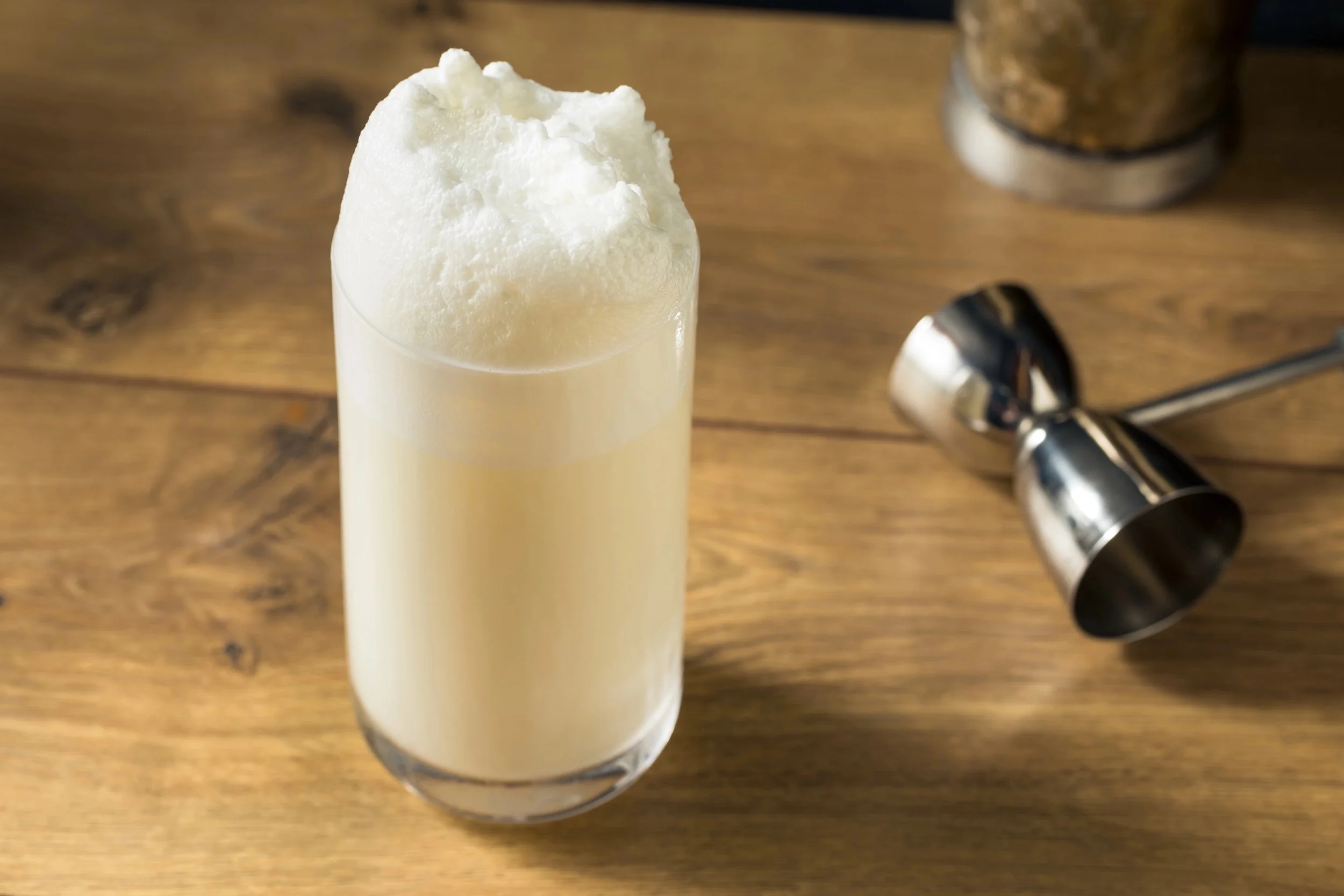
Ramos Gin Fizz photo credit Depositphotos
While RTDs and beers have struggled to find a place in the sauced up protein landscape, bartenders are finding that a range of traditional and new-fangled cocktails are capable of meeting the protein-spiked needs of the moment.
Jonathan Kleeman, group beverage manager and executive head sommelier at Tom Sellar’s Michelin starred (Hi) Story Group, thinks that protein cocktails are not only meeting guests where they want to be, they are also part of the long-term move toward more mindful consumption.
“The rise of protein in cocktails is emerging from several different angles,” Kleeman says. “Primarily, we’re looking at a world where more people want to socialize without necessarily drinking as much. I see this as an offshoot of the 'No and Low' category; much of the protein integration I’ve observed is either in lower-ABV drinks or as a key component in non-alcoholic cocktails. It’s a way of adding substance to that space, which is an area that is constantly evolving.”
He points to a push from the whey protein industrial complex, and the gym rat contingent.
“Companies like Huel and other large brands are actively discussing the use of protein in both alcoholic and non-alcoholic drinks,” Kleeman says. “Beyond the corporate push, there’s an obvious appeal to the 'gym bro' demographic, people who want to enjoy a drink while maintaining a sense of health consciousness. Adding protein gives a cocktail more credibility in the customer’s eye; it’s no longer just a garnish or a fluffy texture, but something they perceive as actually being 'good' for them.”
Wolstenholme agrees, saying he has found a growing market of people who “aren’t drinking as much, but when they do drink, they want something that won’t conflict with their fitness goals.”
While MATE!’s distribution is still limited to a handful of states and online ordering, he has seen triple digit growth every year since launching in 2023, and Wolstenholme hopes to open additional states and opportunities this year.
Protein Sources in Cocktails
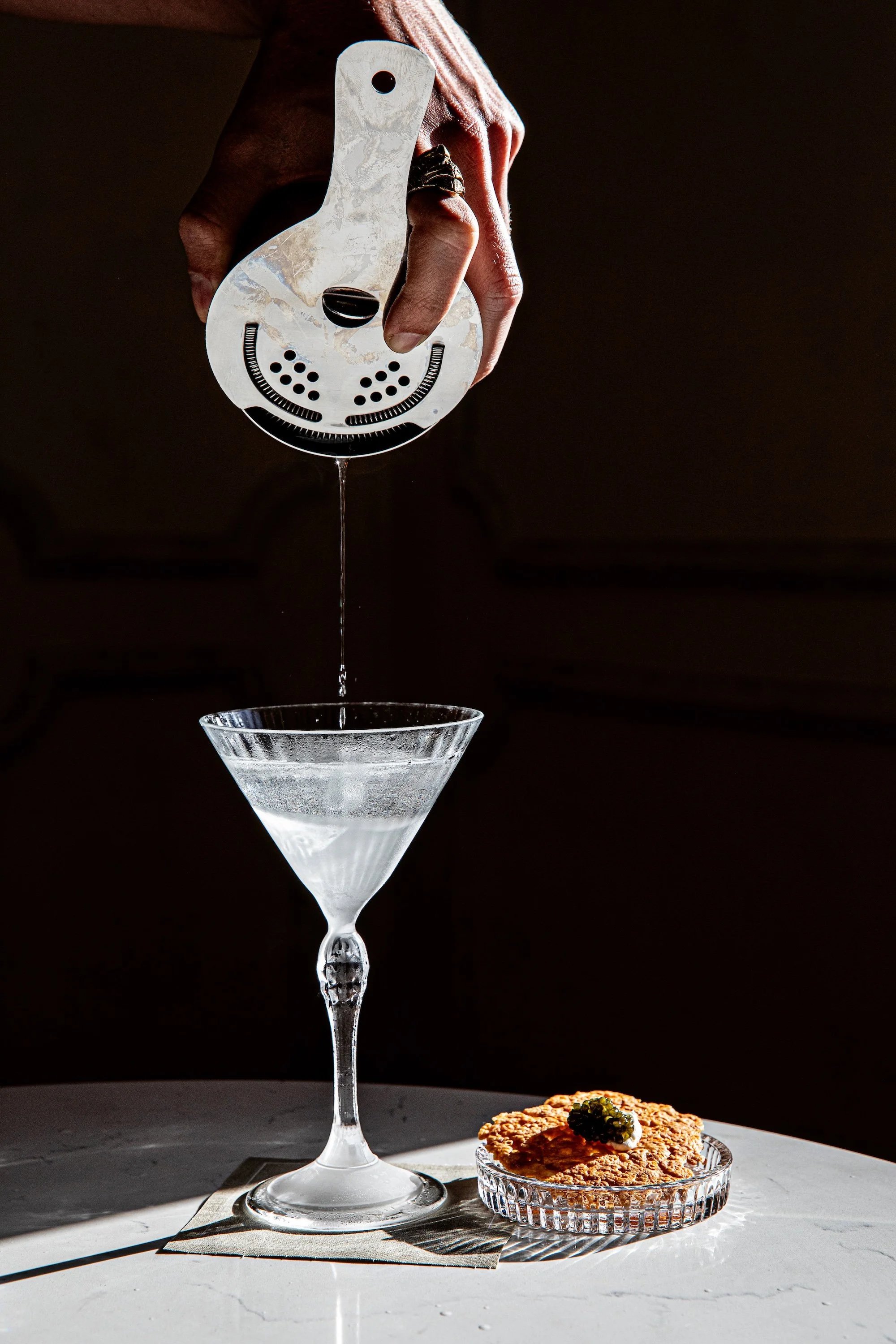
La Cave Martini de Luxe photo credit Andrew Cebulka
Egg white
Milk
Cream
Cheese
Many bartenders are noting an increased interest in certain classic cocktails, where a protein-rich ingredient has long been a key component. Ben Lieppman, beverage director at RPM Restaurants, predicts the growth of the flip alongside more familiar, increasingly popular egg-white-based cocktails, from pisco sours to fizzes.
“Flips are underrated,” Lieppman says. “It’s a great after-dinner drink that can stand-in for dessert, without being particularly sweet. Instead of just using the egg white, you also use the yolk. It provides a more custard-like texture for the cocktail. My favorite and go-to is an Amaro Flip.”
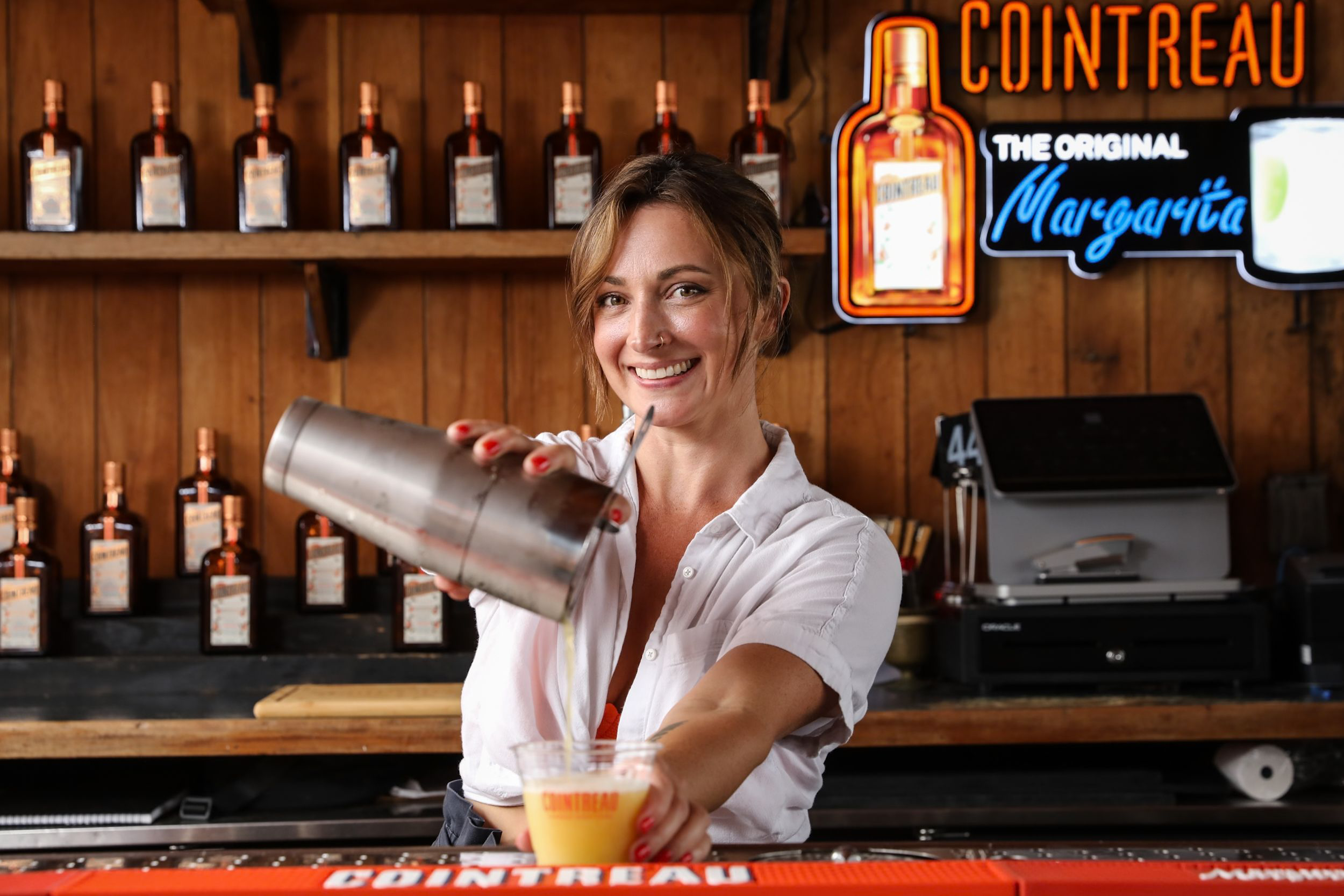
Lauren Trickett, national brand ambassador for Remy Cointreau
Lauren Trickett, national brand ambassador for Remy Cointreau agrees, pointing out that “protein in cocktails has been around for a long time. Typically seen with egg whites or creams with the purpose being to enhance the texture and structure of the drink. The most popular protein use I see right now is the milk punch, I recently had a drink that tasted exactly like mango sticky rice that was made as a coconut milk punch. It blew my mind.” It's worth noting however that coconut milk only has very trace amounts of protein. And while providing a lovely texture, the amount of egg white in a cocktail is not a significant source of protein.
Trickett warns that straying too far from the foundational purpose of a cocktail—a structured, delicious drink, where every ingredient is essential—is counterproductive.
The insistence of excellence in ingredients and presentation is, indeed, powering many of the most interesting cocktails that include, but perhaps don’t necessarily star, protein. Hailey Knight, beverage director at La Cave in Charleston, S.C., loves the right kind of protein in a cocktail, when created with care.

Hailey Knight photo credit Ruta Smith
“Incorporating protein, like cheese, adds a completely new dimension to a cocktail, both in flavor and texture,” Knight says. “On its own, cheese wouldn’t really work in a drink, so we use a goat cheese oil to fat-wash the vodka. The spirit sits in the freezer for a few days, allowing the flavors to infuse while the oils rise and solidify, which we then strain off. The result is a more savory, layered cocktail with a silkier, more balanced mouthfeel. It adds complexity and richness, almost like the texture you’d get from an egg white, but without the foam.”
The result is the Martini de Luxe, with fromage-washed vodka, Lillet Blanc, saline.
“The Martini de Luxe is savory, luxurious, and a little salty; the flavor profiles and silky mouthfeel come from being fat-washed with French cheeses over the course of a couple days,” Knight says. “It’s served with a parmesan crisp topped with a bump of caviar for an added layer of decadence.”
If washing your vodka in cheese seems like it requires more skill than you can handle, there are plenty of gymfluencers out there with protein torqued smoothies at the ready for you, post workout.
Bottoms up! Protein and booze may not equal better health, but it sure can be tasty. Or, have MATE! do the work for you with its Vodka Protein Water, a vegan RTD with 8 grams of protein. It comes in four flavors: Lime + Mint, Watermelon, Pineapple, Peach. Each one has more body than a typical RTD, but these are never thick or syrupy. My favorite is the Lime + Mint, which tastes like a Mojito that likes to lift weights.