
Loire Cabernet Franc From Chillable Reds to Cellar Selections
Brought to you with support from Vins de Loire
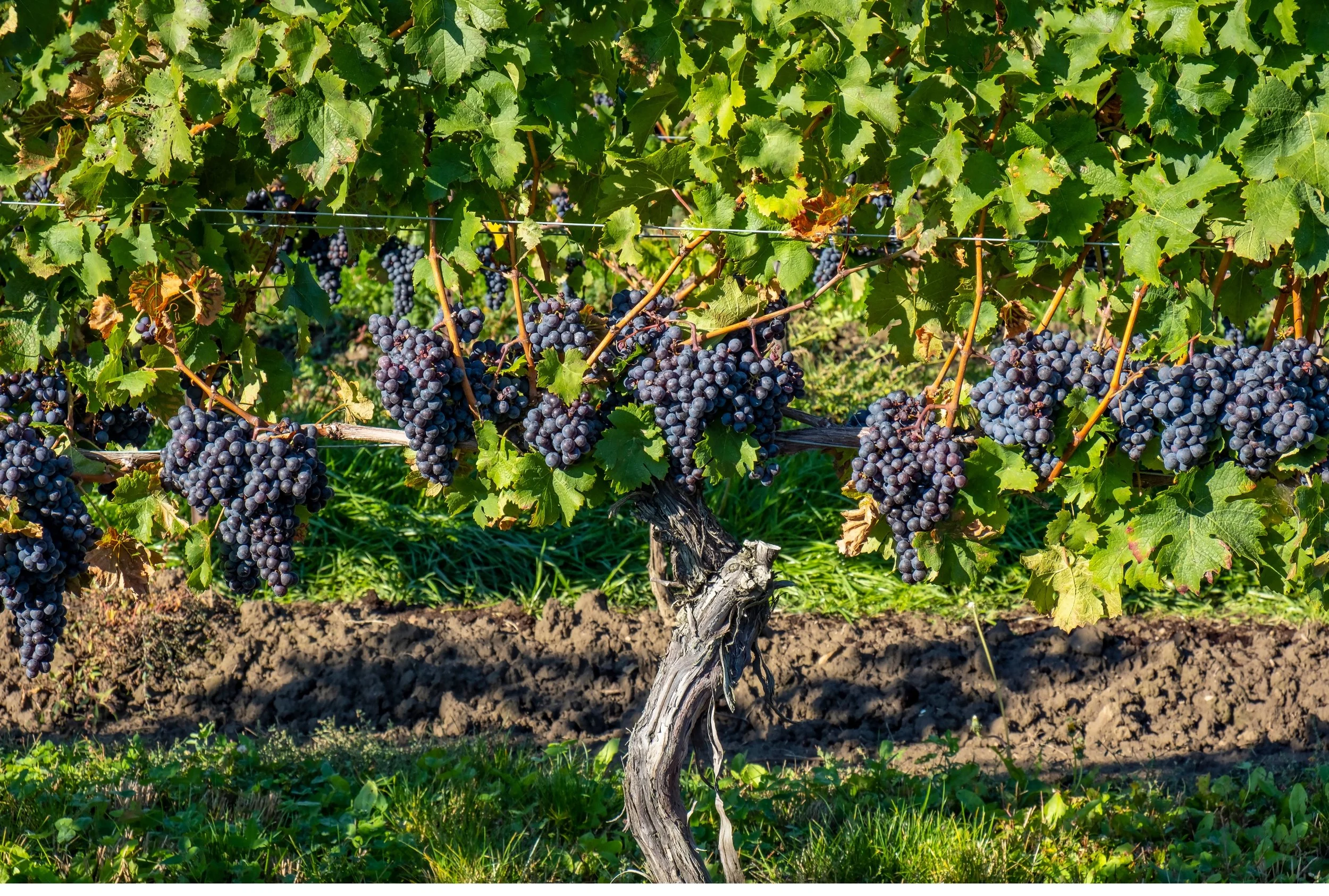
Cabernet Franc
Juicy fruit, mouthwatering acidity, and elegant structure—all for under $25. Twenty-six centuries into its history, French wine has few discoveries left. Yet, Loire Cabernet Franc is a revelation. Just ask the professionals. “Cabernet Franc is an underappreciated variety. More and more in the Loire, they can ripen the grape. Fine wines are coming out of there, and they’re not as well-known as they deserve to be,” says Bo Young Northcutt, sommelier for Caesar’s Entertainment in Lake Tahoe. Her favorites offer value and quaffability. “The juice in them is excellent, but they don’t break the bank.” With the holidays coming up, it’s great to know you can pour a delicious surprise for guests without breaking the bank.
Regions for Cabernet Franc
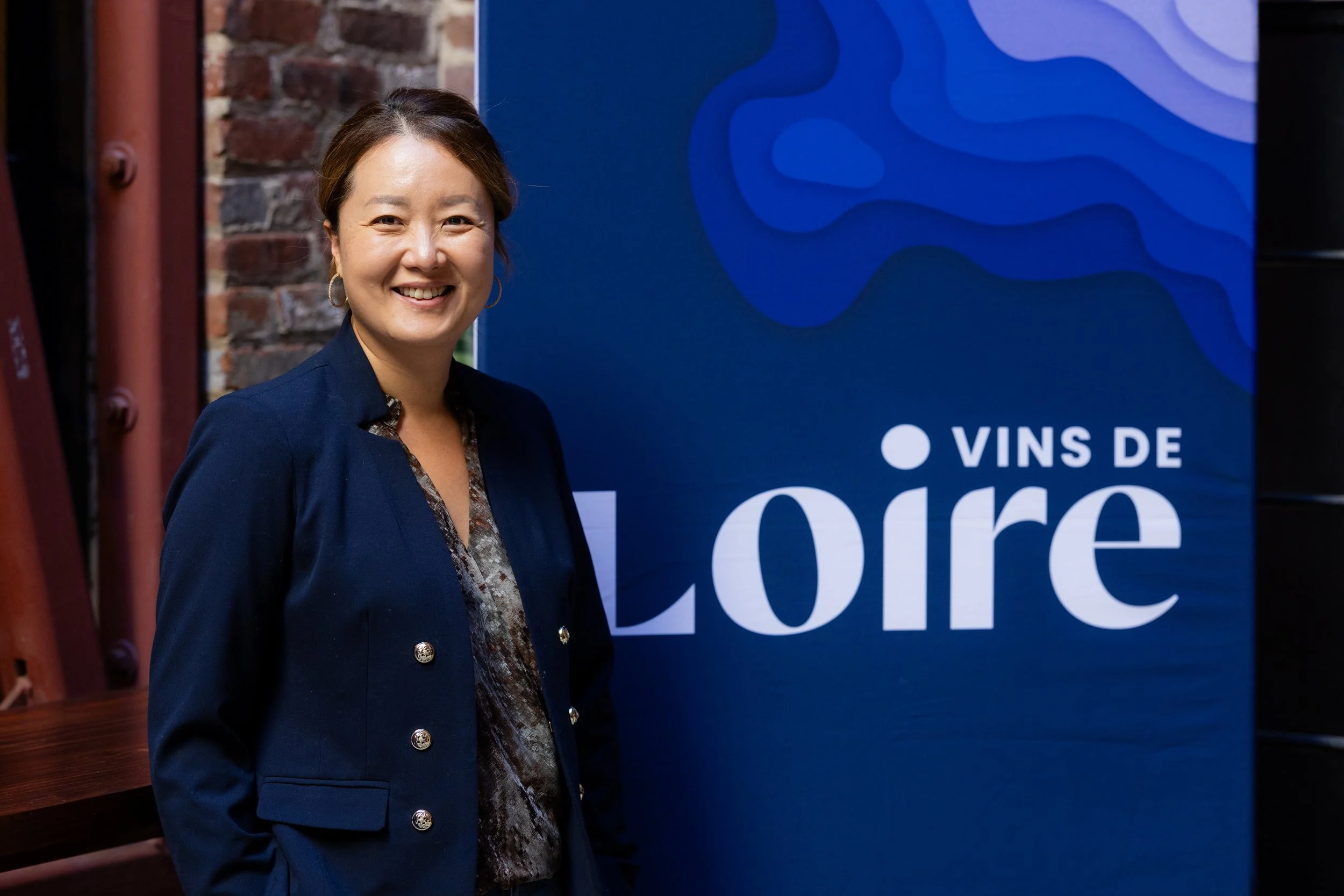
Advanced Sommelier Bo Young Northcutt
It starts with terroir. Following the Loire River in north-central France from the Atlantic Ocean to the Touraine, the area represented by the InterLoire trade council is a land of complexity, spanning a geological dividing line where ancient volcanic rock meets sedimentary Parisian basin limestone and the cool climate is graced by oceanic and continental influences. Cabernet Franc thrives here. More than 100 grape varieties grow in the 34 Protected Designation of Origins (PDOs) and the Val de Loire Protected Geographical Indication (PGI) that stretches from Nantes on the Atlantic eastward through Anjou, Saumur and Touraine. Nearly a third of plantings are Cabernet Franc.
The roots of this parent of Cabernet Sauvignon, Merlot, and Carmenère run deep in the Loire. Though Cardinal Richelieu is often credited with bringing the first Cabernet Franc cuttings from Bordeaux in the 1600s, historical records indicate that the grape dates to the 11th century in Loire.
Arriving from the wetter, warmer Basque country, Cabernet Franc took on a lighter expression in the Loire. For centuries in this chilly clime, winemakers struggled to ripen it. Cabernet Franc is blessed with the pyrazine, an aroma compound that brings a savory, earthy dimension to the wine. In unripe grapes, pyrazine can taste too vegetal.
“Back in the day, Cabernet Franc was like pepper juice,” says Northcutt. But the Loire has warmed up. “These days, the grape is balanced with more fruit character, and backbone and body support the wines.”
Accentuating Expression

Master Sommelier Mark Guillaudeu
Producers have upgraded their farming to accentuate its deliciousness. The number of earth-friendly wineries has more than quadrupled in the past decade. Nearly three-quarters of estates are committed to organic farming, biodynamics, or environmental certification. That’s been a boon for the wines, says Master Sommelier Mark Guillaudeu, who works at Manhattan’s Eleven Madison Park. “As styles get riper, they’re also fresher with more-reasonable alcohol,” he says. Indigenous yeast, little to no sulfur, and other low-intervention winemaking methods bring purity to aromas and flavors. “They’re naturally made, but they’re cleaner, too.”
As winemakers have dialed into the natural expression of specific terroirs, each PDO is showing off its personality. A delicious introduction to Bourgueil, where the wines are “lighter, lovelier, prettier,” notes Guillaudeu, is Domaine de la Butte “Le Pied de la Butte,” which combines depth with brightness. It’s fermented in concrete, which Northcutt notes, “gives balance and brings out the fruit,” while aging partially in old oak barrels adds texture, says Guillaudeu. From the same PDO, Domaine du Bel Air “Jour de Soif” mingles earthy and bright pomegranate notes. In Chinon, gravelly, alluvial soils bring fragrance and freshness to the mouth-coating Domaine Bernard Baudry Rouge “Les Grange,” while Domaine Filliatreau “La Grande Vignolle” from the sunny PDO Samur-Champigny shows riper bramble and fennel.
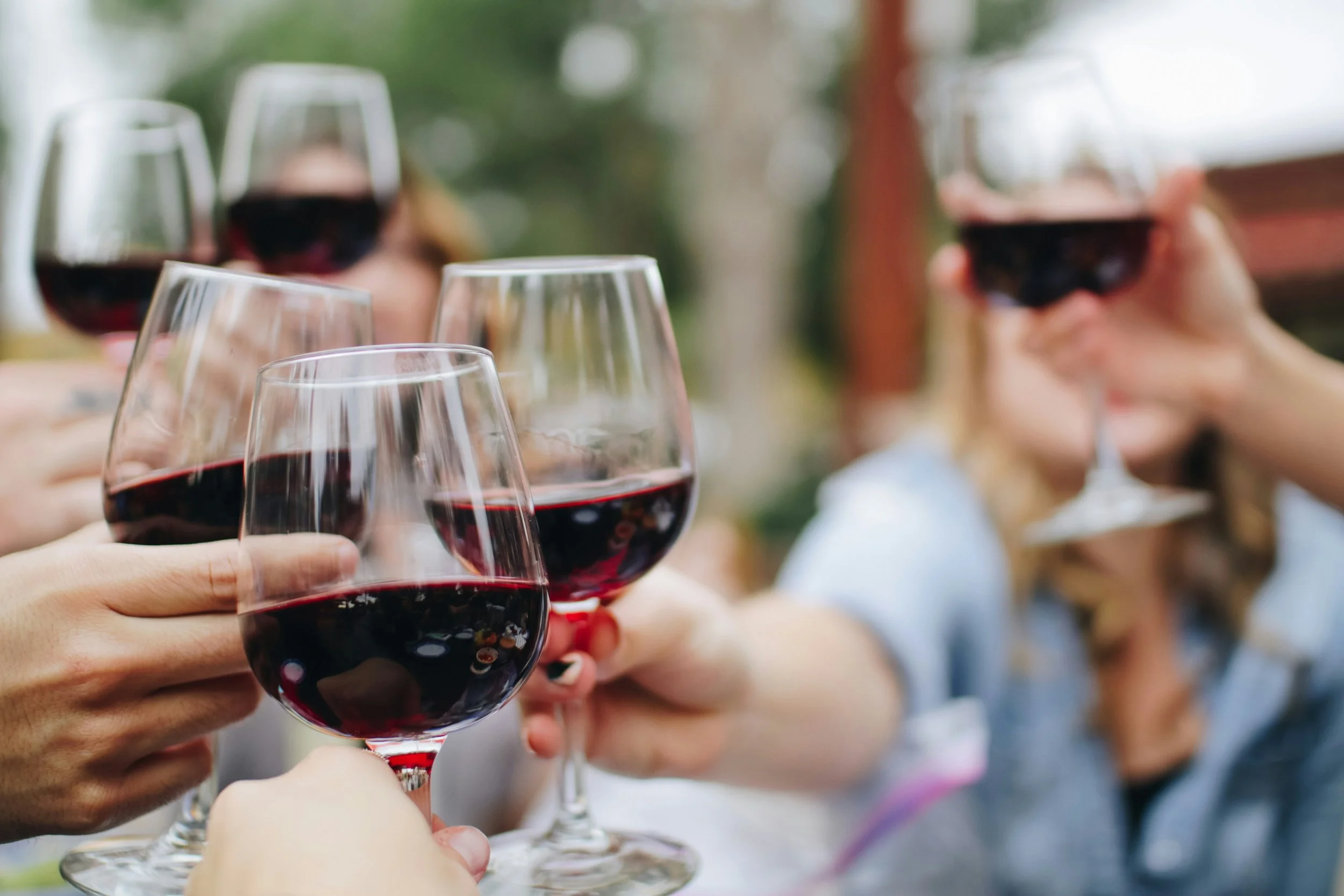
From PDO Anjou’s easy, cherry-and-spice wines to Saumur Puy Notre Dame’s black-fruited, long-lasting bottles, Loire Cabernet Franc’s flexibility—and its gentle prices—makes it perfect for Thanksgiving. Chill it a bit and serve it in a Burgundy glass to show off its power and perfume, Guillaudeu advises. Then, “serve a couple different labels: a vibrant, lighter style for the first and second course and something with a little oxidation for the main dinner,” says Northcutt. You’ll be gifting guests multiple takes on “an up-and-coming, exciting wine.”