
How Bars Are Converting Cocktail Classics to Highballs
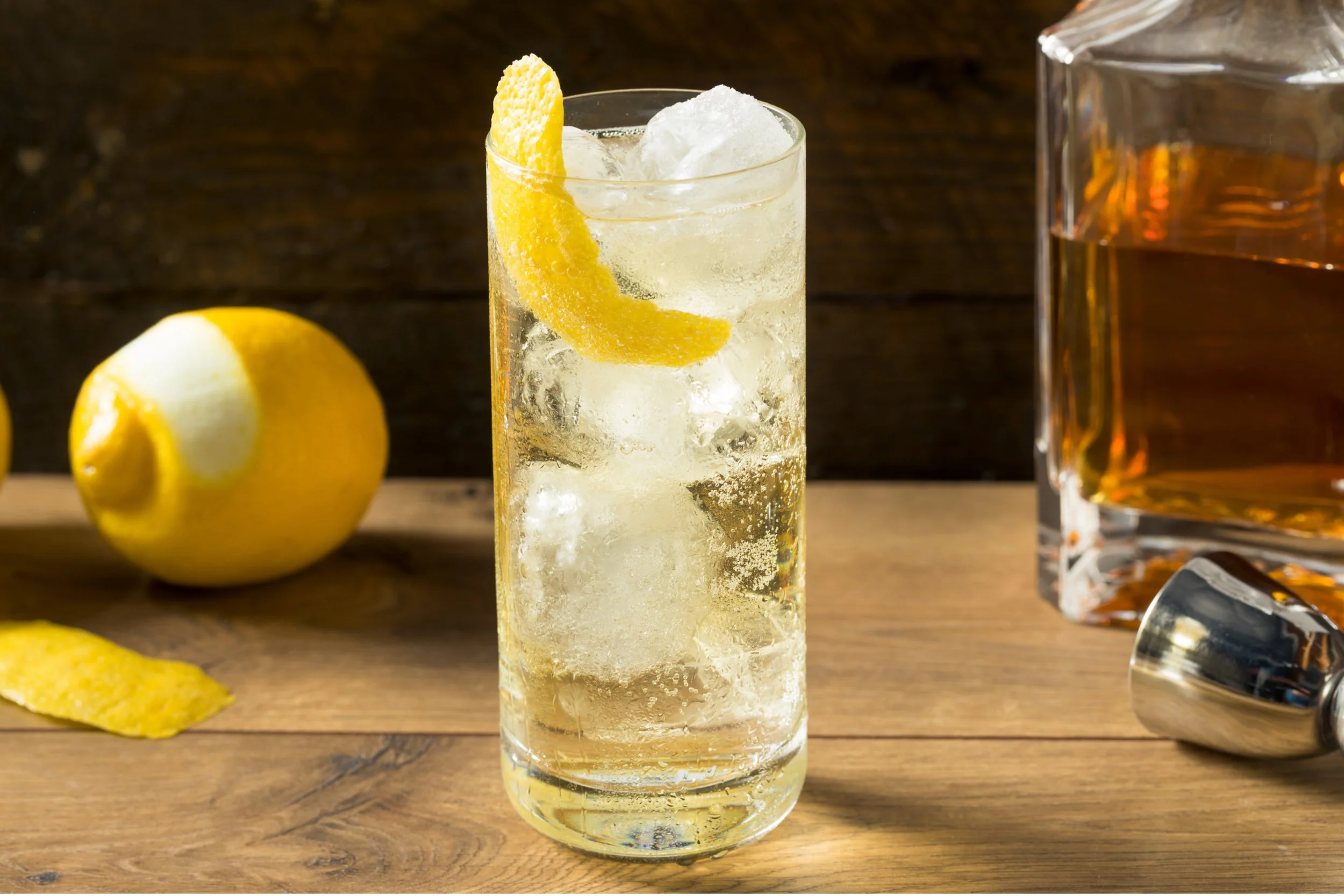
Highball
Lately, bars have been serving highball versions of classic cocktails. This seems to be at the intersection of the popularity of low-ABV cocktails and customers’ preference for familiar favorites and spinoffs over inventive and unfamiliar drinks.
In some bars, the originals and their highball versions are offered together on the menu. At Junebug in New Orleans, for example, each of the regular menu cocktails is available as a full-strength “A Side,” a low-proof “B Side” or as a shot “Sample,” and each is given a different name.
On the current menu, the drinks are not direct translations: a Corpse Reviver No 1 variation has an A Side version containing brandy, Cynar artichoke amaro, and a celery shrub, while the B Side more closely resembles a Cynar and Tonic with added manzanilla sherry and quince liqueur.
Conversion Techniques
Converting classic cocktails to highball versions generally requires adding some form of fizz, such as tonic, club soda, soda water, sparkling wine, beer, or even soda pop.
Make Martinis Fizzy
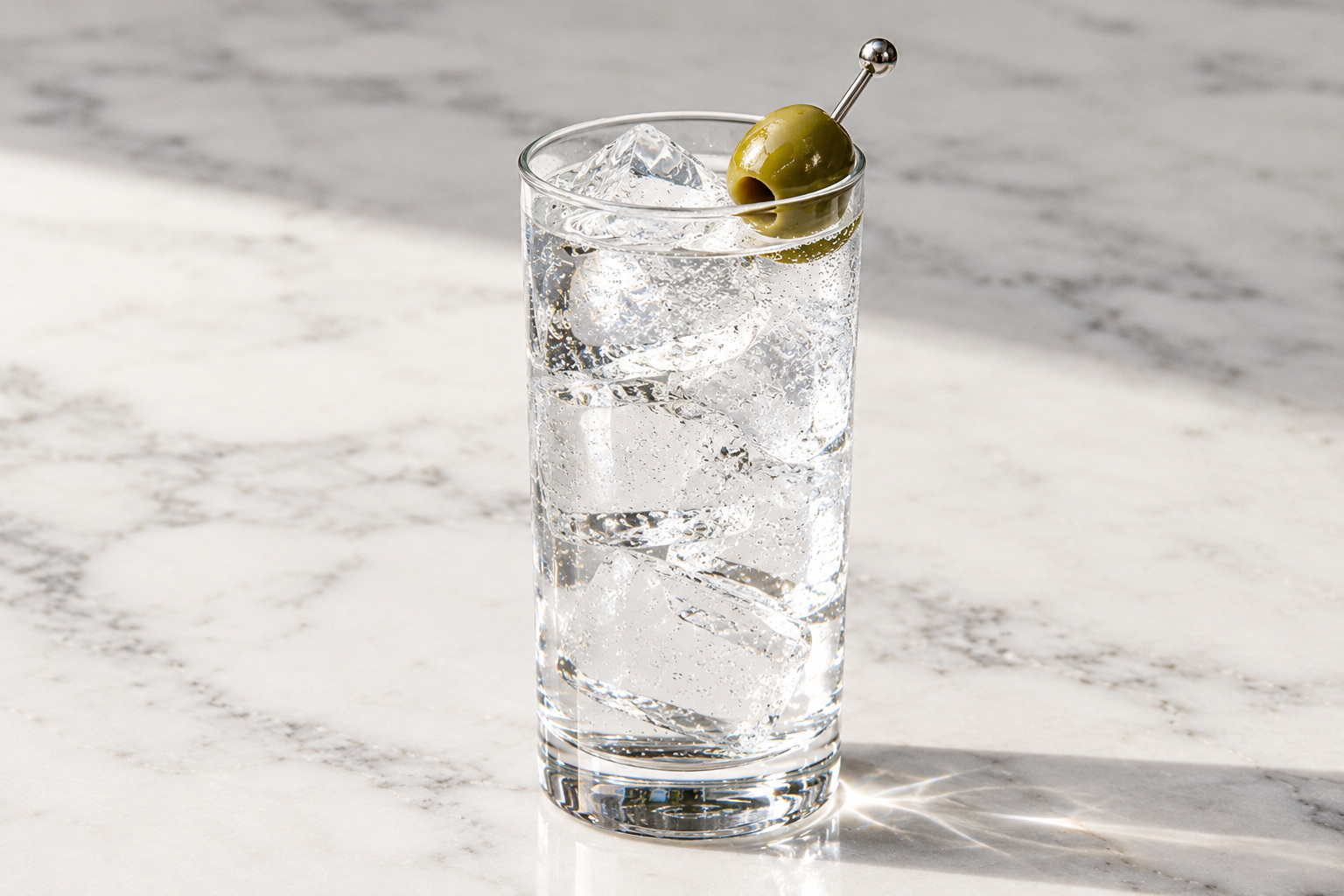
Martini highball
Many bars simply list one or two highball versions of popular cocktails, rather than building a whole menu around the concept. And because the Martini is still (and once again) one of America's most popular drinks, this cocktail shows up a lot in highball format.
A couple of years ago the San Francisco restaurant Lolo offered a Martini & Tonic on the menu, while across town at Bar Iris, the Olive & Tonic has become a house classic. It is made with gin, olive vermouth, olive leaf sake, and tonic.
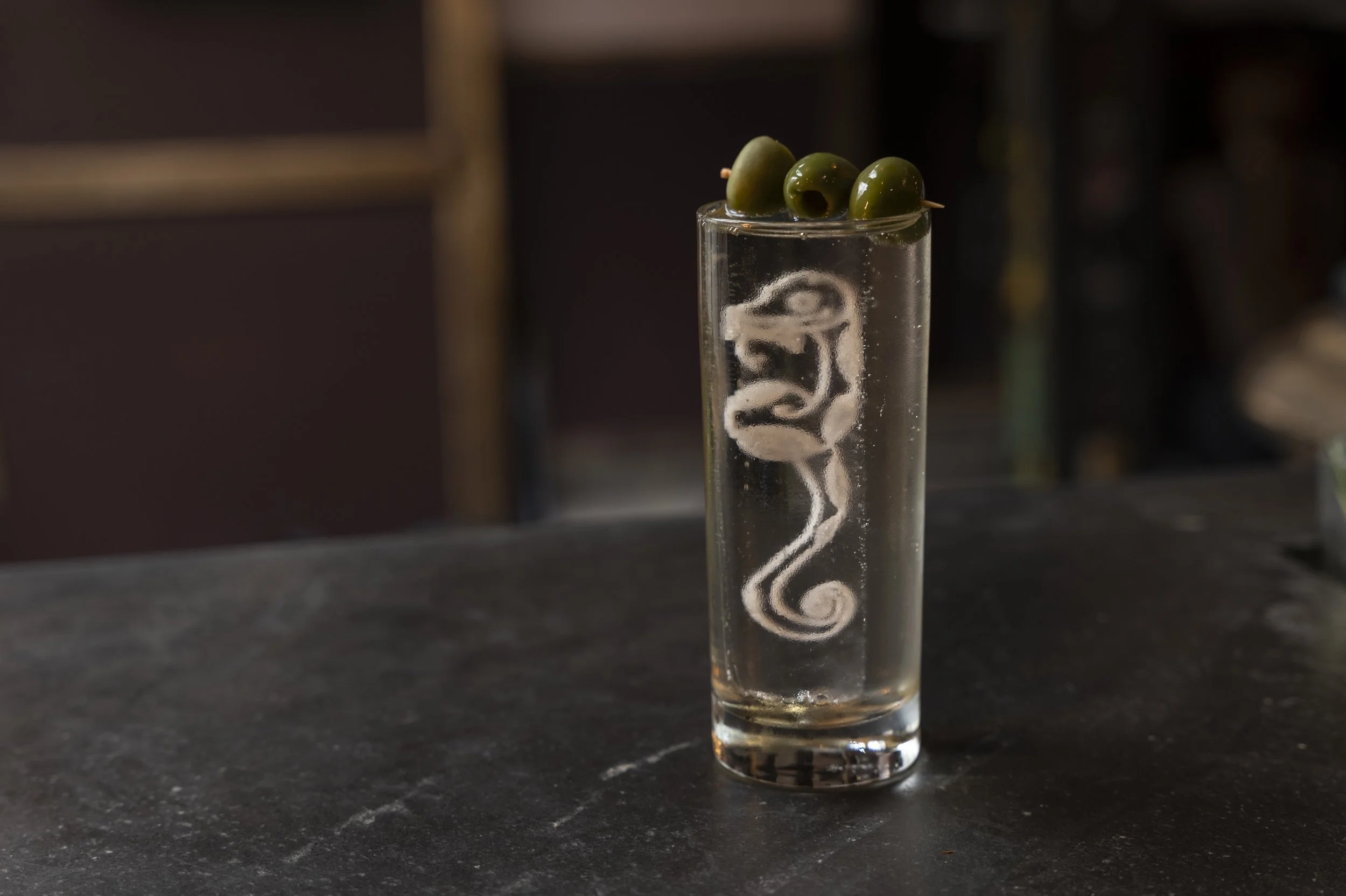
Jake the Snake, at Trick Dog photo credit Ramos Projects
Also in SF is Trick Dog, where the new wrestling-themed menu features the Jake the Snake, a Martini Highball with a touch of peach. Halfway across the country in Chicago, Gus’ Sip & Dip serves a Martini and Tonic that contains Tanqueray No Ten gin, a vermouth blend, orange bitters, and tonic.
As Martinis get dirtier, so do their highball variants. At ViceVersa in Miami, they offer the Little Tonico that is “basically a Dirty Martini but make it a highball” according to the menu. The drink contains white port, St. Germain, sherry, olive brine, and tonic water. Schmuck, the popular New York cocktail bar, has offered a Dirty Martini & Tonic that is a Dirty Martini mixed with equal parts tonic water and served with olives and a lemon peel.
Though the Gin and Tonic is already a highball, bartenders are making highball Martini mashups out of it, and we see several Dirty Gin and Tonics on menus. Little Jumbo in Asheville, NC offers one with Prairie Gin, Fentiman's Tonic, olive brine, gumbo bitters, and cheese stuffed olives.
Negroni, But Make It Tall
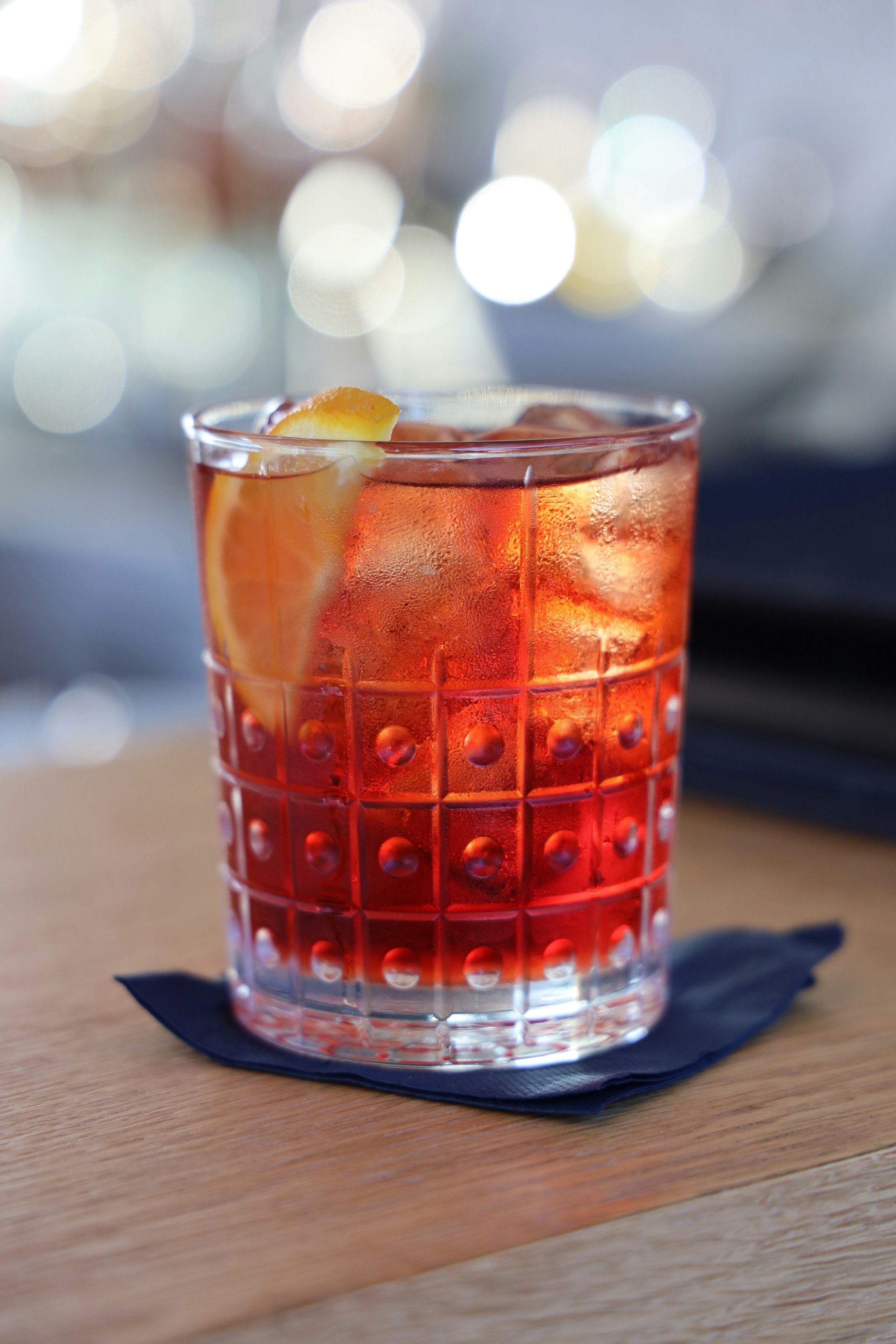
Negroni Sbagliato
The Negroni is the cocktail that bartenders most like to subject to all sorts of experiments; changing the format, freezing it, clarifying it, spherifying it, and swapping out its Campari and/or sweet vermouth and/or and gin with other ingredients. No wonder they’ve also been making it into a highball.
The Negroni Sbagliato is basically a Negroni Spritz and often listed as such on many menus including The Nantucket Restaurant on Long Island, but in this drink the gin is replaced with sparkling wine rather than the bubbles added to the traditional recipe.
There’s also a Beericano, which is made with beer instead of sparkling wine, as well as the Boulevardier Spritz, a take on a take on the Negroni, found at bars like The Del Rio Restaurant in Highwood, IL.
There have been many variations of the Negroni Highball on menus over the years. Some of the recipes include flavored sodas, like this one with blood orange soda. Others stretch out the bitterness with tonic water, including a Negronic with gin, vermouth, and tonic water, and a White Negroni and Tonic with gin, Luxardo Bitter Bianco, and an Americano vermouth with tonic. There’s also a White Negroni Highball popularized by Orlando Franklin McCray of Brooklyn’s Nightmoves bar.
Making Margaritas More Refreshing (If Possible?)
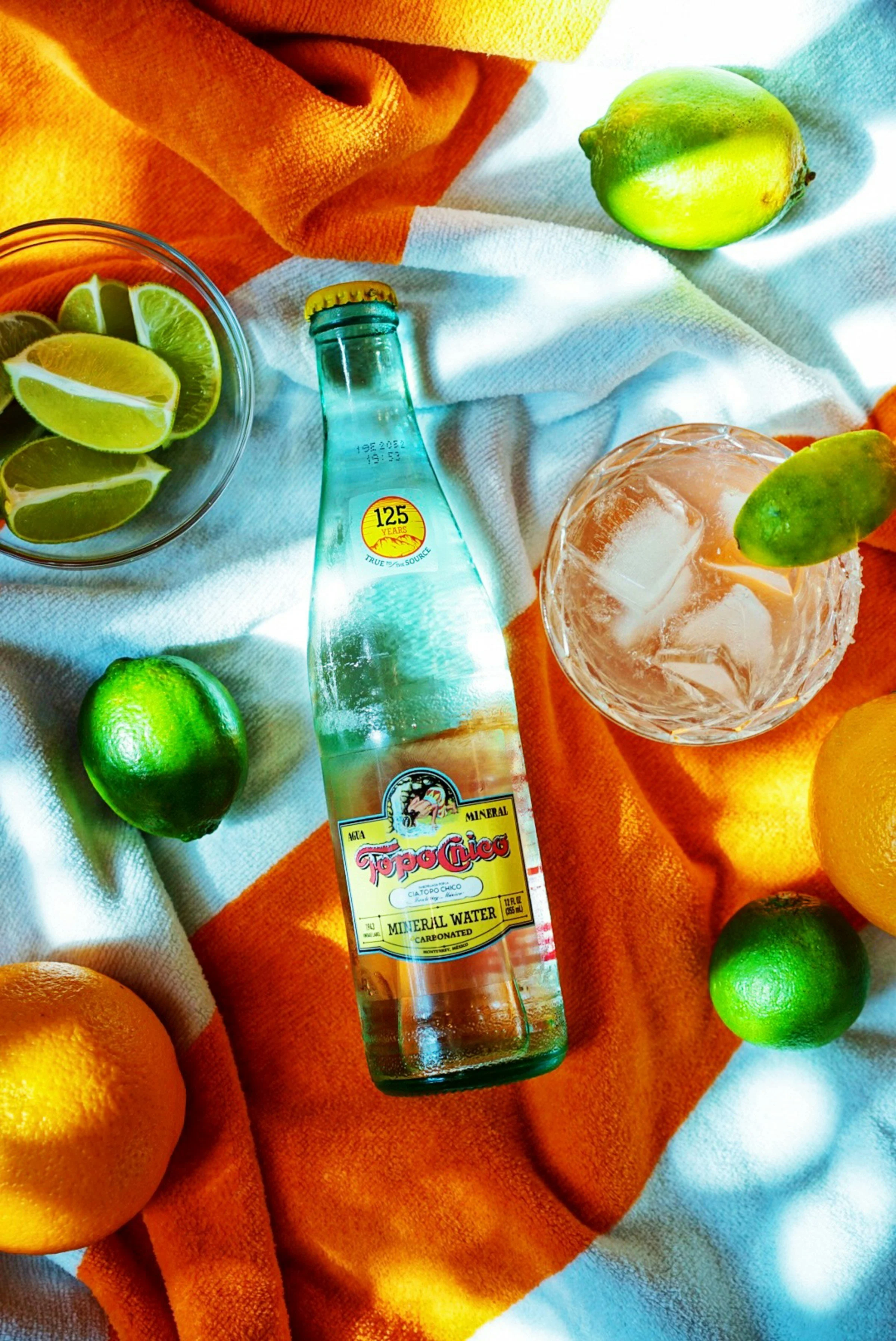
Ranch water
Nothing beats a frosty cold Margarita on a super hot day. Except for a Frozen Margarita. Or a Ranch Water. One origin story of the Ranch Water cocktail, which is tequila and lime with Topo Chico soda water, is that it was originally served as a Margarita with soda water on the side: an assemble-it-yourself Margarita Highball. Now the Ranch Water is mostly served as a Tequila Soda with lime.
A Beergarita is usually a Margarita topped with Mexican lager beer, sometimes with ice; sometimes without. Beer is not a soda, but it is carbonated, so it’s fair to call the Beergarita a highball, we’ll argue.
Other Options
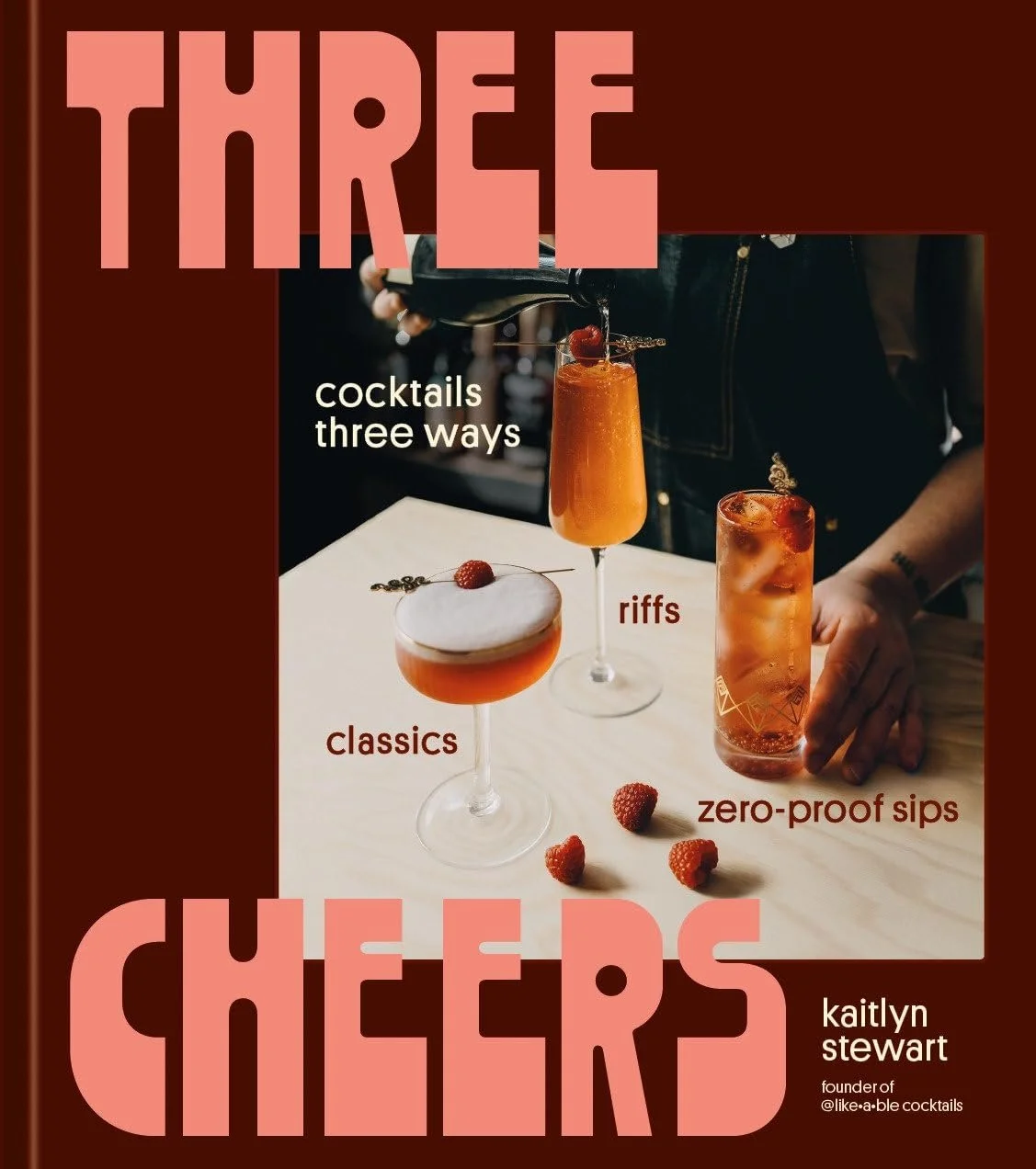
Three Cheers by Kaitlyn Stewart
Beyond the super popular classic cocktails, many other drinks are getting the highball conversion. In Kaitlyn Stewart’s book Three Cheers, she provides an alternative for the classic Clover Club cocktail in her Crimson Clover Collins. While the classic contains gin, dry vermouth, lemon, raspberry or grenadine, and egg white, her spinoff contains gin, fino sherry, acidified raspberry juice, simple syrup, and soda water. (You can find a video of her making it on TikTok here.) Using acidified raspberry juice adds raspberry flavor to the drink without the berry solids that interfere with carbonation.

Zebra Room Untamed Old Fashioned, Dirty Martini Au Poivre, Basil-lime Margarita and Cosmo highball photo credit Josh Jamison
At The Zebra Room, a ten-table subterranean steakhouse that opened beneath Yvonne's in Boston, they offer a Cosmo Highball made with yuzu vodka, orange liqueur, cranberry cordial, and club soda. They’ve given the clarified drink a whipped foam topping to boot.
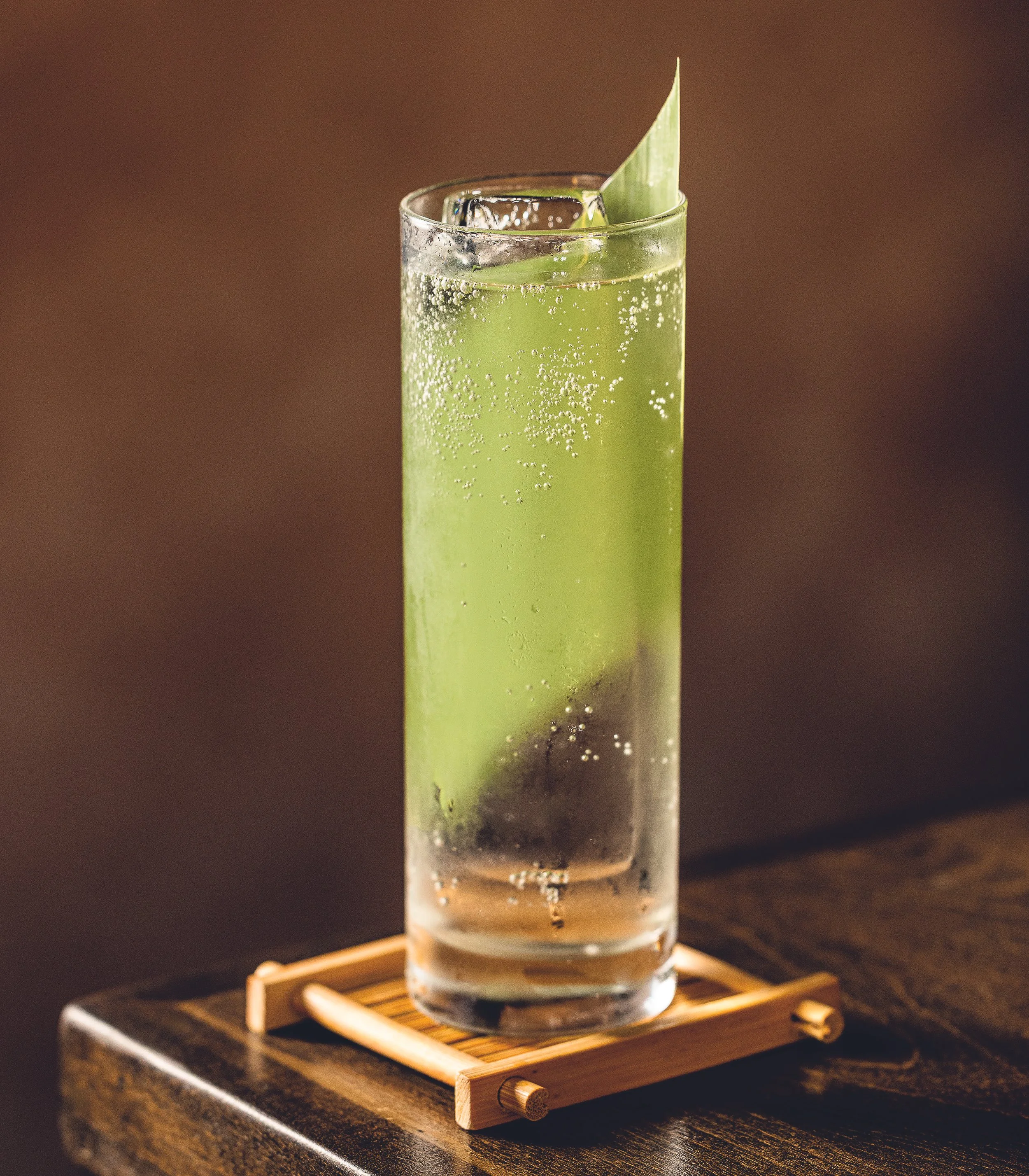
Sometimes even low-ABV drinks get the highball treatment. In the book The Goto Bartender’s Guide that will be released in October 2026, Kenta Goto writes that he finds the original version of the Bamboo (dry sherry, dry vermouth, bitters) to not have enough body.
He converts this drink to a “sonic,” which is a highball with a split of soda water and tonic water that originated in Japan. His Bamboo Sonic contains dry sherry and dry vermouth, with soda and tonic to give it some fizz.
Can You Convert It?
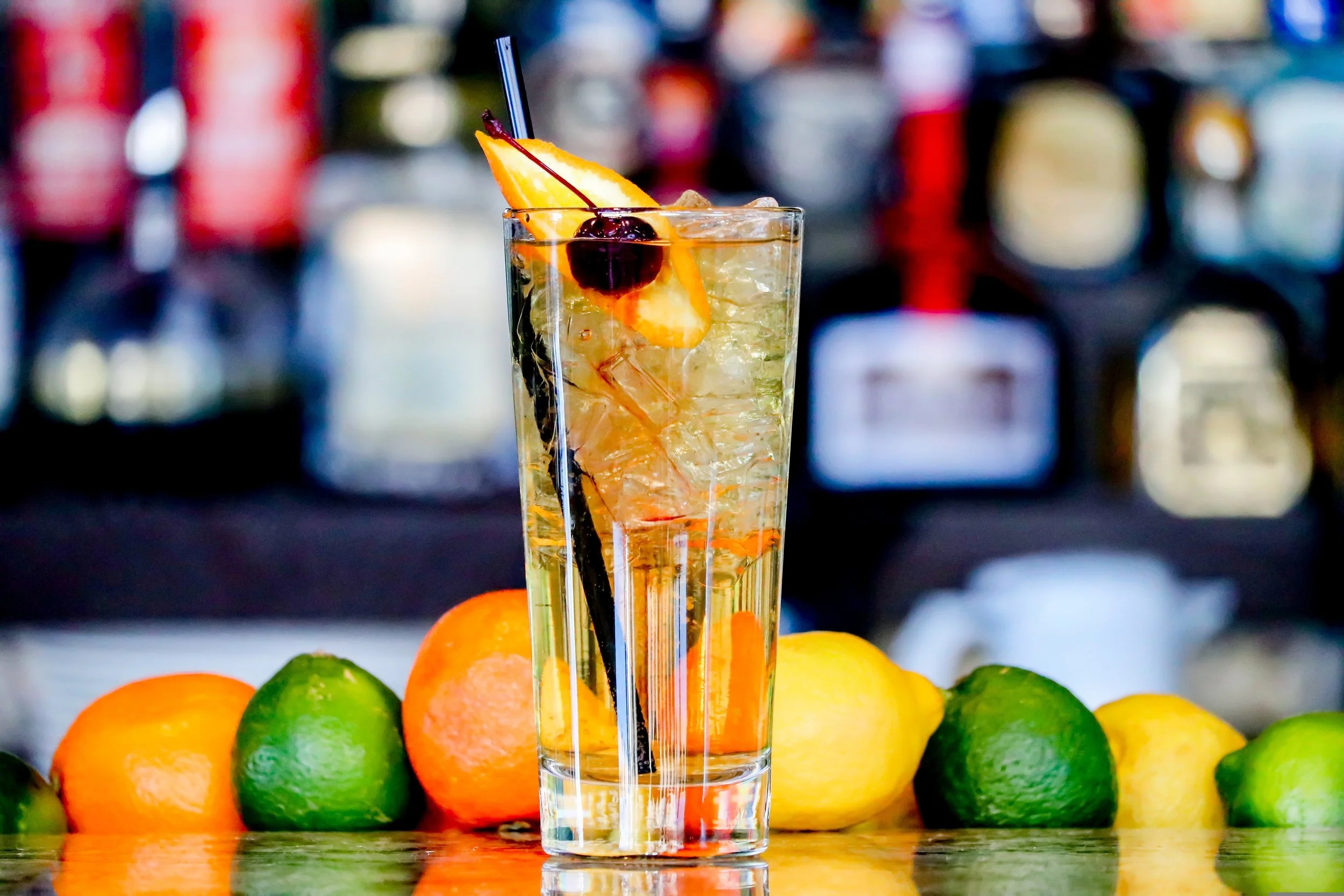
We’ve seen highballs made with soda water, tonic water, lager beer, sparkling wine, and blood orange soda. Other highball-making sparkling beverages include cola, ginger ale/beer, lemon-lime soda, root beer, and sparkling fruit juices.
One could make a Margarita Paloma, an Old Fashioned and Coke, a Daiquiri Seltzer, a Mai Taijito, a Manhattan Mule, a Pisco Sour & Soda, and more: I’m just having fun with the names here, but I wouldn’t be surprised, given the popularity of this trend, if all these cocktails were already invented.