
Choose the Right Digestif for Any Meal

Vermouth makes for a versatile after-dinner drink. Photo credit Kamila Maciejewska on Unsplash
If you’re a drinks enthusiast, you may have become familiar with the term apéritif (French for a drink that opens the appetite) or aperitivo (Italian, denoting a drink to stimulate the appetite before dinner). But are you also familiar with the digestif?
What Is a Digestif?
A digestif (French for “digestive”) is an alcoholic beverage traditionally consumed after a meal to aid digestion and settle the stomach. Digestifs originated in French and Italian dining customs, and brands from both countries remain especially prominent. This category also includes base spirits such as brandy and grappa. Many digestifs, such as amari (traditionally, a bittersweet Italian liqueur) and other herbal liqueurs, are infused with botanicals, herbs, citrus, or spices, reflecting old medicinal practices in which such ingredients were believed to have health benefits.
Do Digestifs Actually Help Digestion?
Whether digestifs and apéritifs actually work is a subject that’s been debated for ages. Lots of people think having an aperitivo before eating helps kick-start the appetite, and that a digestif after a big meal helps the body process food.
But as far as science goes, there isn’t much proof. Some research hints that the herbs and bitters in these drinks may give digestion a nudge, but alcohol itself can actually slow the process down.
In the end, sipping an aperitivo or digestif is probably more about enjoying good company and making the meal special than about real digestive benefits. That said, there is strong evidence that less stress, eating slowly, and being happy lead to better digestion and overall health. So in this writer’s opinion, drink and be happy!
The Expanding World of Digestifs

Martini & Rossi is one of the most iconic names in vermouth. Photo credit Martini & Rossi
There are a surprising number of products in this overall category, especially since smaller brands are now beginning to craft their own versions – a particularly exciting development.
Many of the most famous amari became popular thanks to locally sourced ingredients that create distinct flavor profiles. Today, independent makers all over the world are blending herbs and spices from their own regions into unique expressions of place. Distilleries from New York to Seattle are experimenting with locally foraged botanicals, heirloom grains, and seasonal fruits, offering fresh takes on the digestif. Sampling these regional specialties can feel like a mini road trip in a glass, offering a taste of the place and the people behind every bottle.
The sheer selection of digestifs at retail can feel overwhelming. If you’re unsure what to buy, browse an online marketplace to explore options like amari, brandy, and Armagnac. Think of it as an exploration – you might discover a whole new world of spirits. Below are some go-to digestifs with pairing suggestions.
Vermouth: A Drink for Before and After Dinner
With a fascinating history and wide appeal, vermouth stands out as a classic example. Vermouth is a fortified wine infused with an array of roots, herbs, and spices. While Europeans have long embraced vermouth as an essential pre-dinner or post-dinner drink, many Americans are only recently discovering its charms.
One important detail that often gets overlooked in the US is vermouth’s nature as a wine-based product, meaning it has a limited shelf life and should always be refrigerated after opening. For years, many Americans assumed they didn't like vermouth, but that’s likely because they were tasting bottles that had gone stale. It’s a bit of a tragedy for such a versatile drink!
Fortunately, more people are now learning to appreciate vermouth’s freshness and complexity. Outside the US, vermouth selections are often much broader and more adventurous, making it an exciting category to explore for both newcomers and seasoned enthusiasts.
Selecting between sweet and dry vermouth is much like pairing wine with food: It all comes down to what’s on the table. A lighter, drier vermouth pairs beautifully with fresh cheeses, fruit, or delicate desserts, enhancing their subtle flavors without overpowering them. On the other hand, richer and sweeter vermouths shine next to decadent treats like chocolate cake, creamy panna cotta, or desserts with caramel. Matching the intensity of vermouth to the dessert can elevate both, creating a harmonious and memorable finish to a meal.
Brandy and Amari for Heartier Meals

Braulio pairs well with big meals. Photo credit Amaro Braulio
Now, if your dinner was heartier – think rich meats, game, or anything with a bold sauce – it’s time for a stronger digestif. A well-aged brandy, with its deep fruit and woodsy notes, or a robust amaro, with its warming spices, makes a perfect match here. These drinks stand up to bigger flavors and help guests wind down after a substantial feast.
Amari offer an incredible spectrum of bold flavors, with some standing out for their intense notes of chocolate, mountain herbs, and roasted nuts. Take Braulio, for example. This iconic Italian Alpine amaro is celebrated for its rich, layered profile crafted from mountain botanicals, roots, and spices. Sipping a robust amaro like Braulio delivers a deeply aromatic, almost medicinal complexity that lingers on the palate. Because of their strong personalities, bold amari are particularly well-suited to follow hearty meals like steak dinners or rich desserts, and they’re equally enjoyable alongside a cup of coffee.
Red Bitter Liqueurs to Know
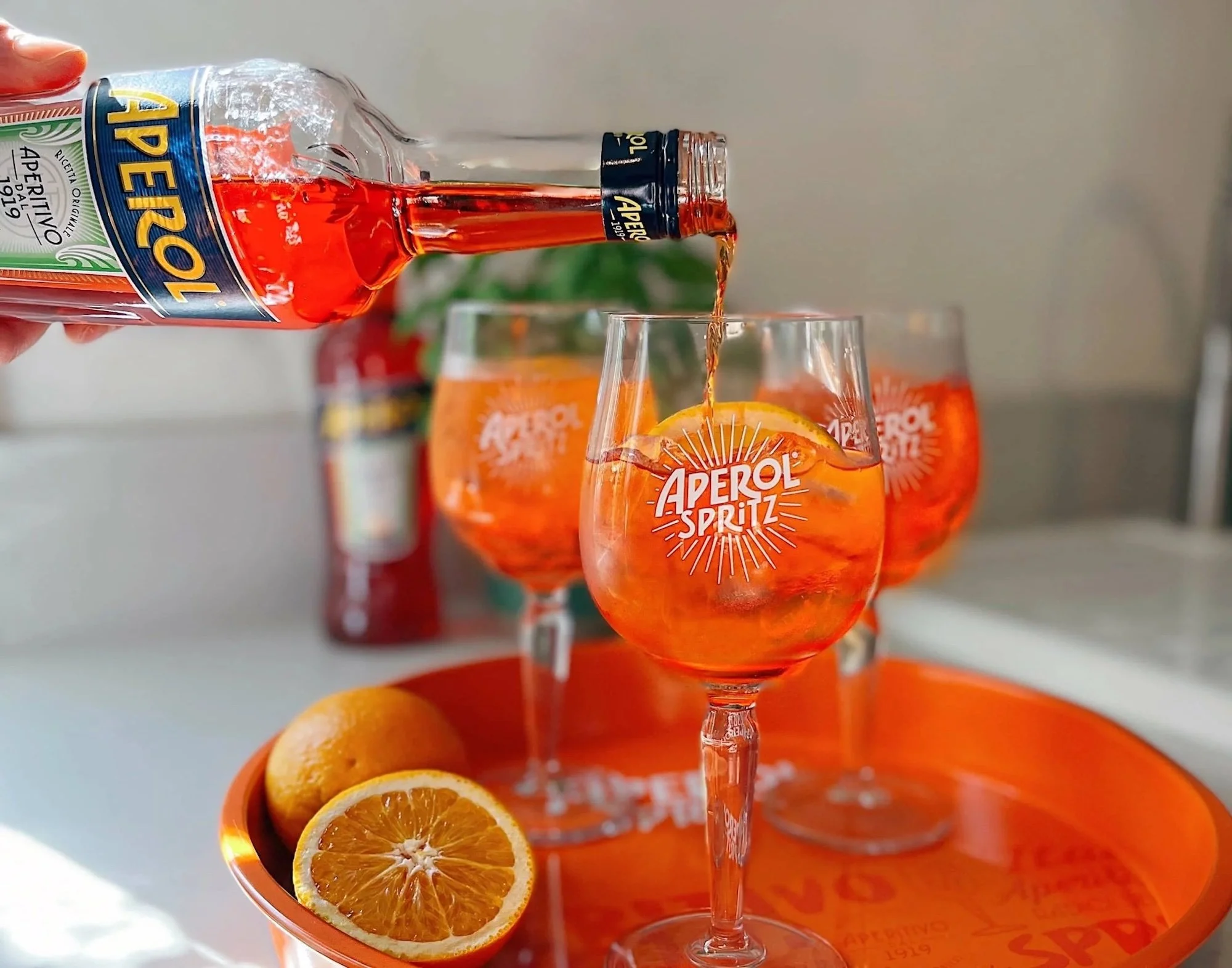
An Aperol Spritz. Photo credit Aperol
With the global rise of the Spritz cocktail, red apéritifs and digestifs have become very popular, with Campari and Aperol dominating the market as the two most famous brands. These colored liqueurs offer a sweet-yet-bitter profile with notes of citrus and herbs, and they can range from sweet with a slightly bitter aftertaste to assertively herbal and bitter.
Choose from this category based on how you plan to imbibe – for instance, whether neat or in cocktails. This may, for example, determine whether you’re looking for a lighter or a more complex profile.
Aquavit for Scandinavian and Nordic Cuisine
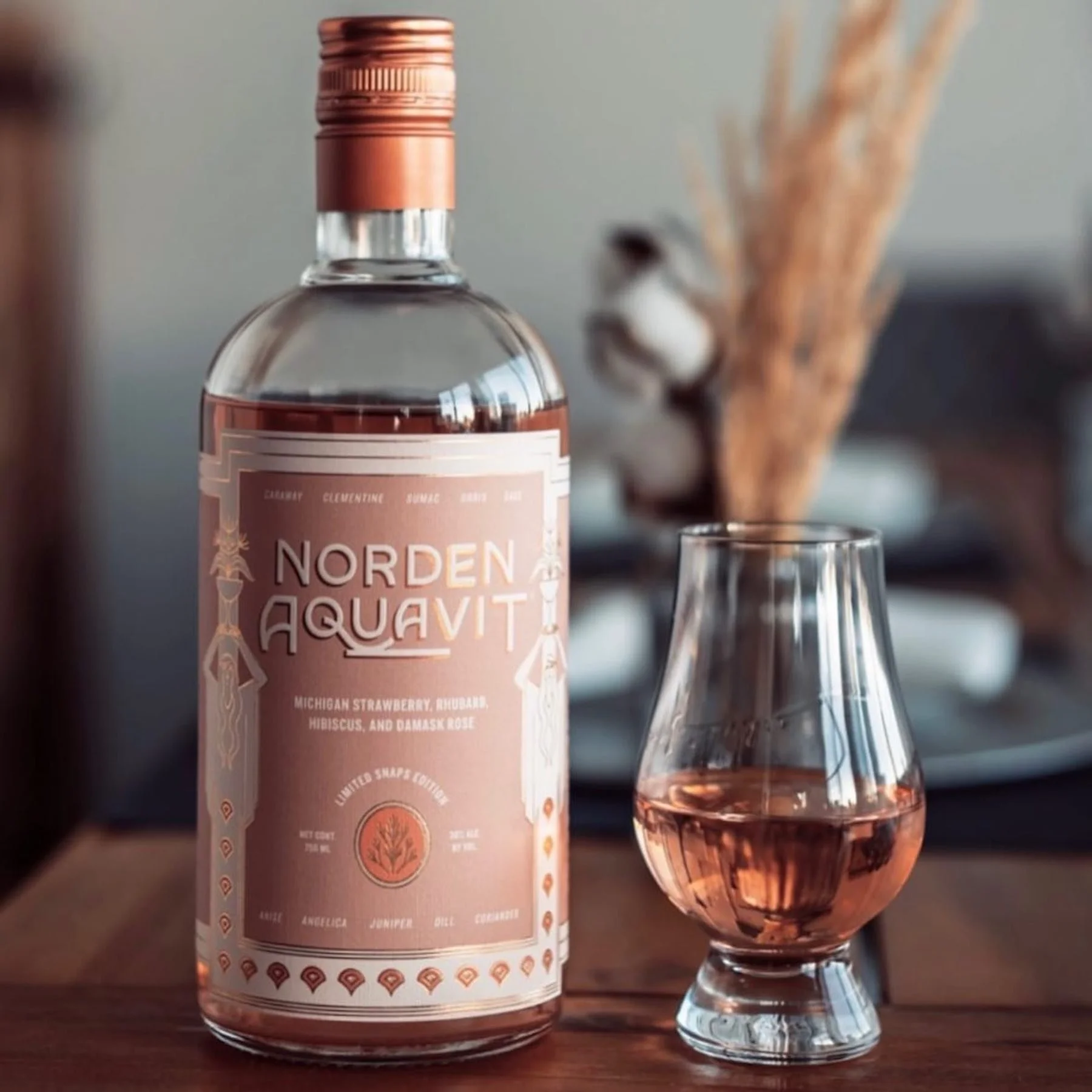
Norden is an aquavit made in Michigan. Photo credit Norden Aquavit
If you have not yet been introduced to aquavit, it’s worth exploring. This Scandinavian digestif made with herbs and spices like caraway, dill, and fennel is commonly sipped in small chilled glasses. Although there are many ways to enjoy it, it’s a perfect option between courses and an ideal bedfellow for Nordic fish courses and root vegetable dishes.
Aalborg is one iconic brand available on most shelves. There are also smaller regional brands making magic. Take Norden Aquavit, a family-owned brand hailing from Michigan that uses an old family recipe from Sweden as inspiration and adds hand-foraged local botanicals, resulting in a singular profile that is winning over drinkers.
Sweet Liqueurs and Barrel-Aged Spirits: Dessert and Digestif Pairings
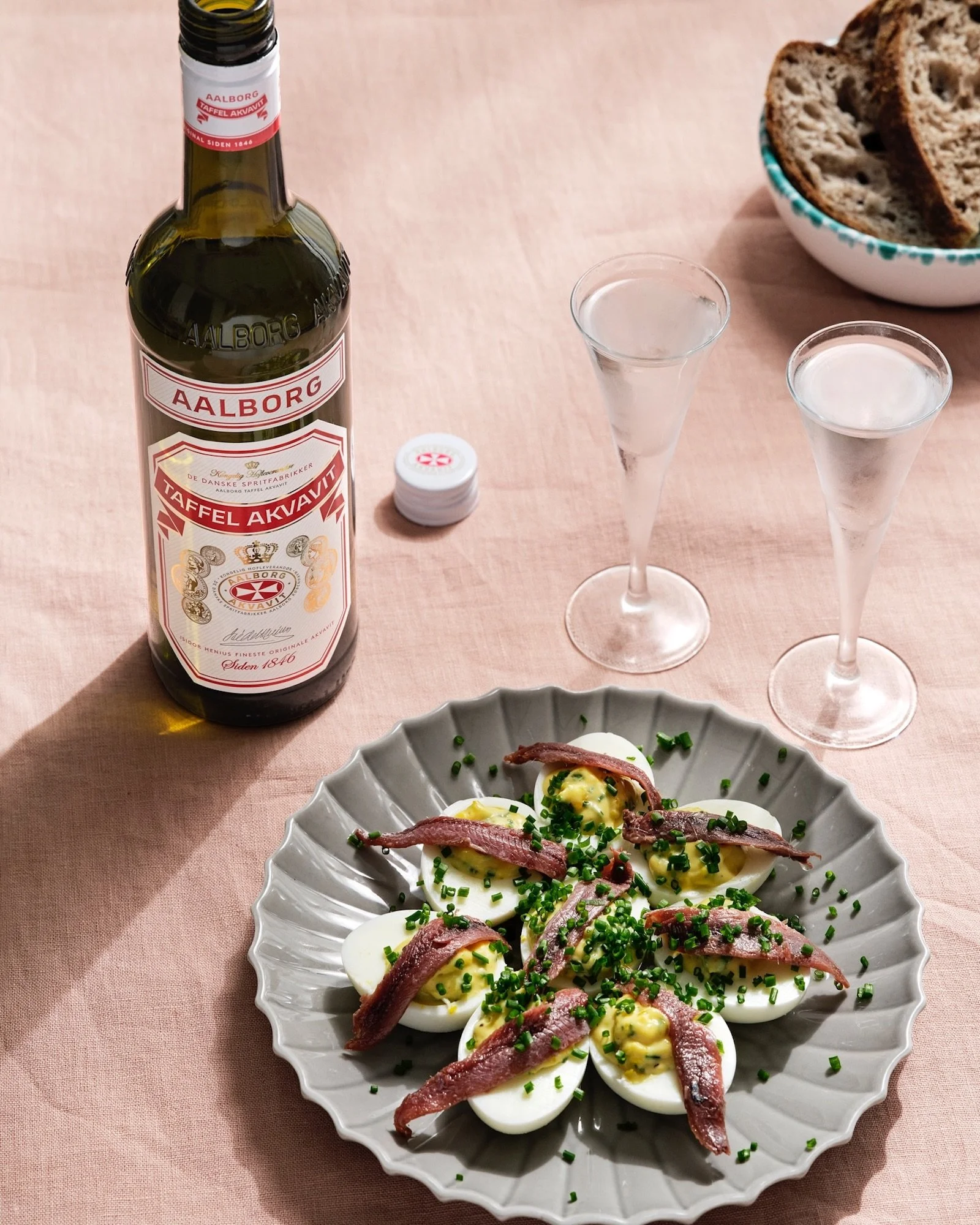
Aalborg is one established aquavit brand. Photo credit Aalborg
Pairing digestifs with dessert is one way to elevate the end of any meal. While it’s common to sip a digestif after the sweet course, enjoying the two together can open up new dimensions of flavor.
Dessert liqueurs are one consideration. Think about matching a nutty amaretto with almond cake, or serving a rich coffee liqueur alongside tiramisu or chocolate mousse for a deeper, more layered experience.
Barrel-aged spirits are another. For desserts that feature caramel, toasted nuts, or dried fruits, spirits such as brandy or even aged rum pair beautifully, highlighting the dessert’s warm, comforting notes.
Modern, Lower-Proof Digestif Options

Sorel, a lower-proof digestif. Photo credit Sorel Liqueur
Some of the most interesting digestif options are pretty unexpected. Take Sorel Liqueur, for example: This low-proof, handcrafted liqueur is made from hibiscus and spiced with ginger, cloves, cinnamon, and nutmeg. The result? A richly layered, aromatic sipper that’s both complex and incredibly easy to drink – almost too easy, if you ask anyone who’s poured a second glass. It’s a lovely way to linger at the table without feeling weighed down.
More importantly, at just 30 proof, Sorel is a perfect example of a sip that is gentle enough to enjoy in a few small pours after dinner. While Sorel might seem unconventional for the digestif category, it actually fits right in, bringing bold flavor and a fresh perspective that challenges traditional definitions.