
7 Baijiu Cocktails to Make at Home
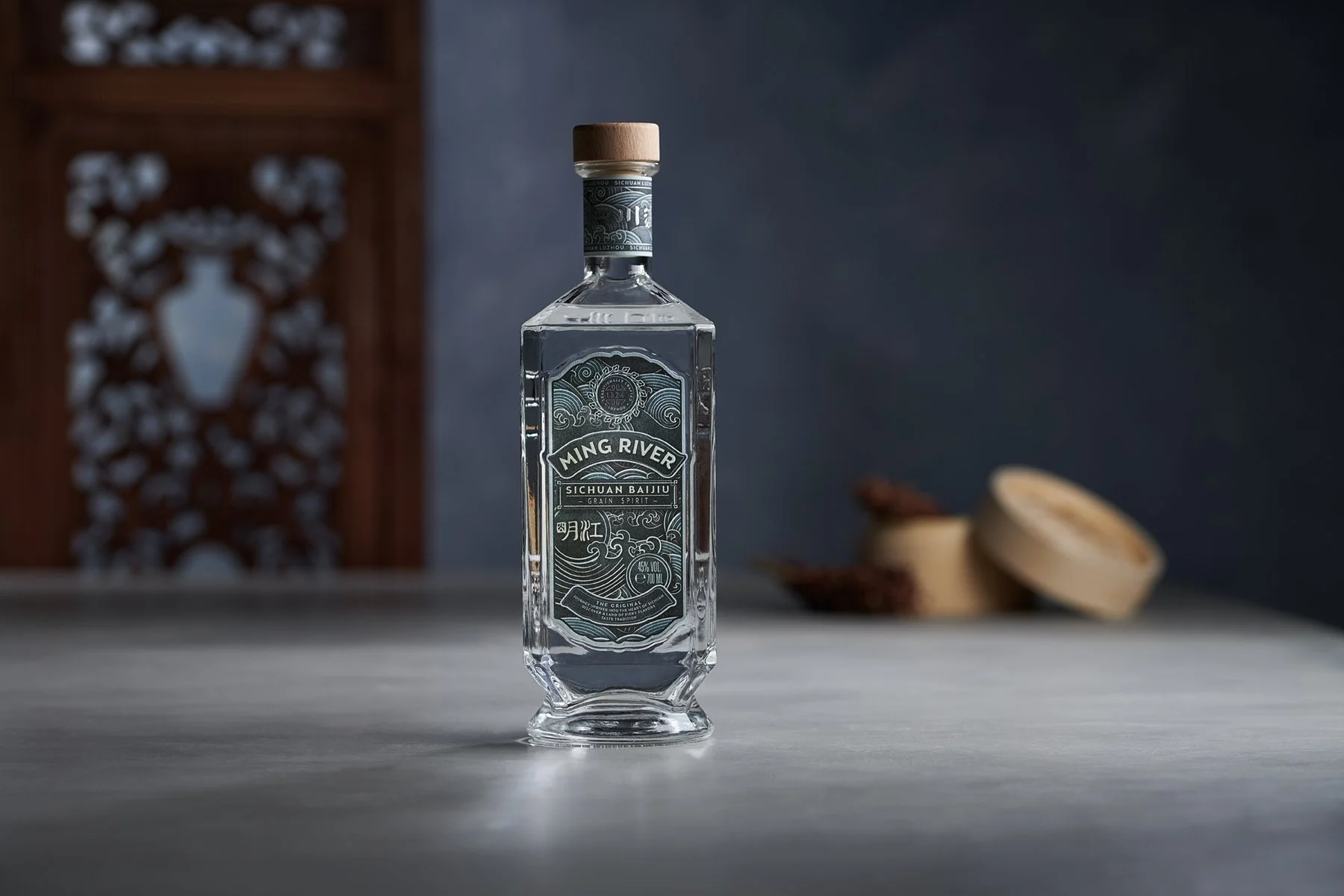
Ming River Baijiu
When quizzed on the world’s most popular spirit, vodka or tequila are usually top of mind. However, drinkers should guess again. Billions and billions of liters of baijiu are consumed every year, even though most Americans have never even heard of it.
Distilled from sorghum grain, this Chinese alcohol has the clarity of vodka and the flavor complexity of whiskey. In the last five years, China’s award-winning Ming River has reached the Americas, elevating the alcohol’s profile across the country. As a result, more and more baijiu cocktails are popping up in bars throughout the States. The other brand you also find is Maotai. Here are some of the world’s top baijiu cocktail recipes so that you can try the spirit for yourself.
Club Street Colada
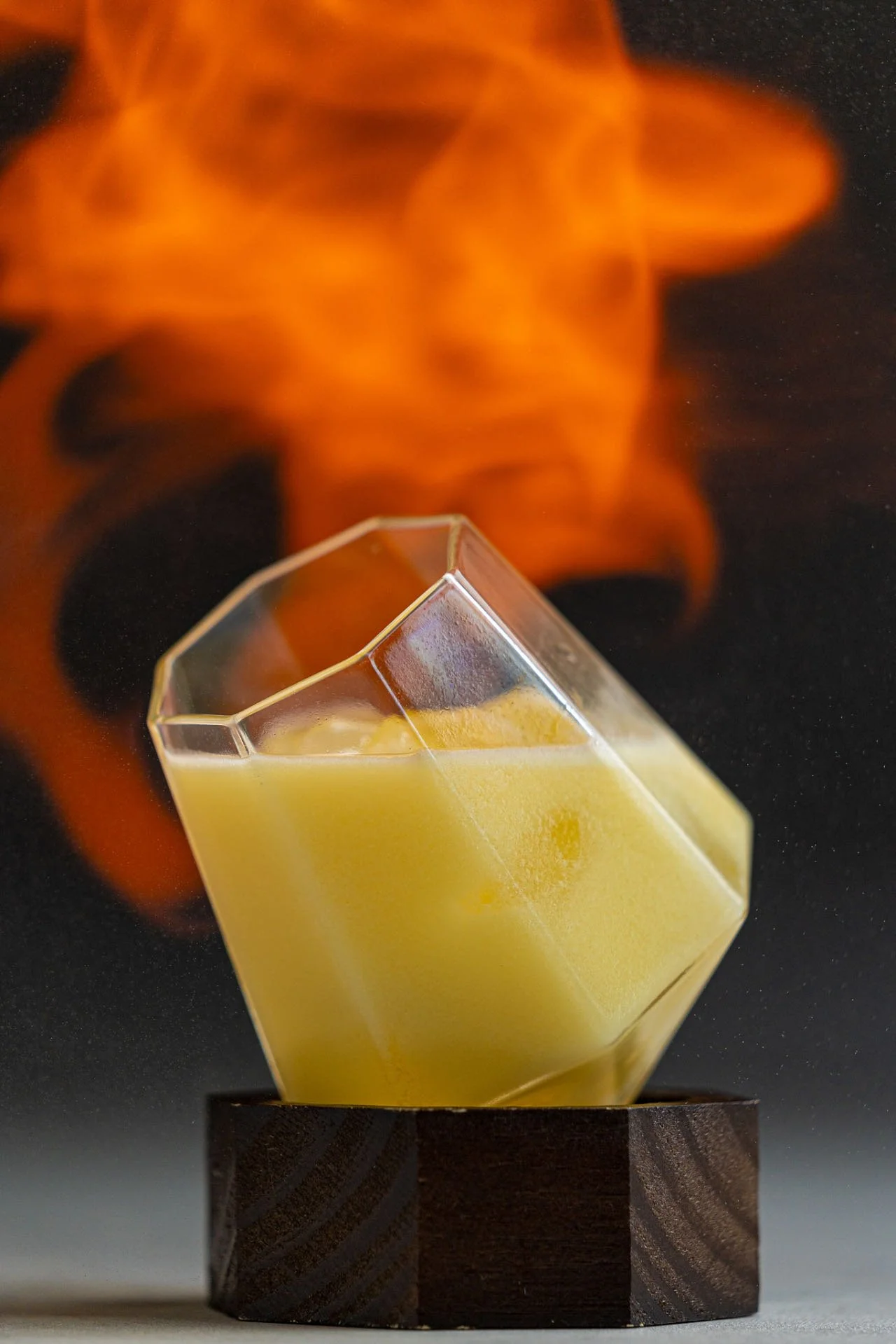
Recipe courtesy of June Baek, Head Bartender, Hup San Social Club, Singapore
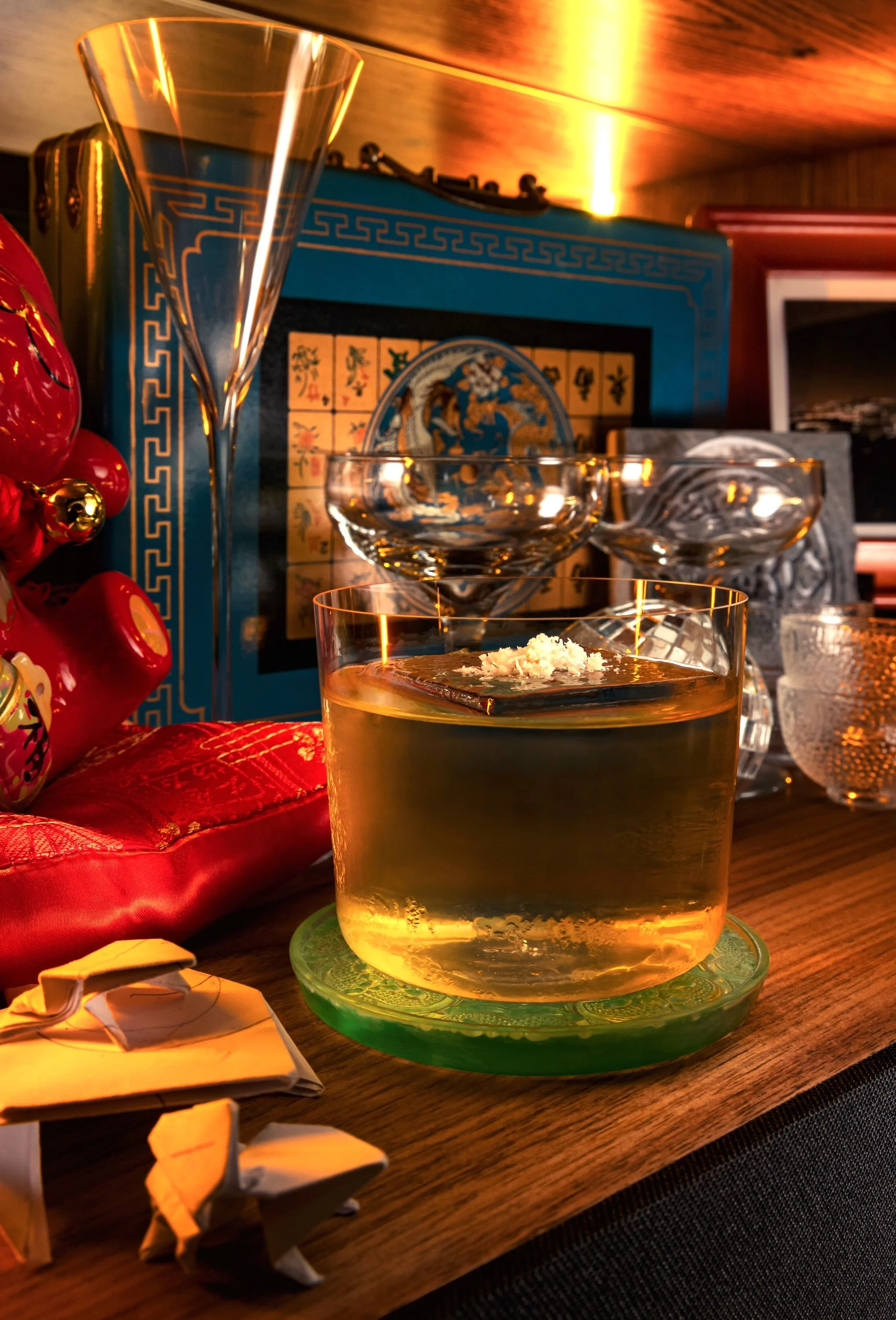
Hup San Social Club’s Club Street Colada
"People often have love or hate relationships with baijiu,” explains Baek. “It has a strong aroma, and it has very nicely overripe sweet pineapple notes that I wanted to apply to possibly the most beloved classic, Pina Colada.”
1 1/3 oz. Discarded Banana Peel Rum
⅓ oz. Luzhou Laojiao Tou Qu Baijiu 52%
2/10 oz. Lustau Oloroso Sherry
1 1/3 oz. fresh pineapple juice
1 oz. coconut milk
2/3 oz. fresh lime juice
1/2 oz. simple syrup
Combine all ingredients and let the mix sit overnight to separate. The next day, filter out the solids using a coffee filter. Stir the clarified batch with ice, strain over a large cube and serve with grated coconut meat.
Yaowarat
Recipe courtesy of Ming River
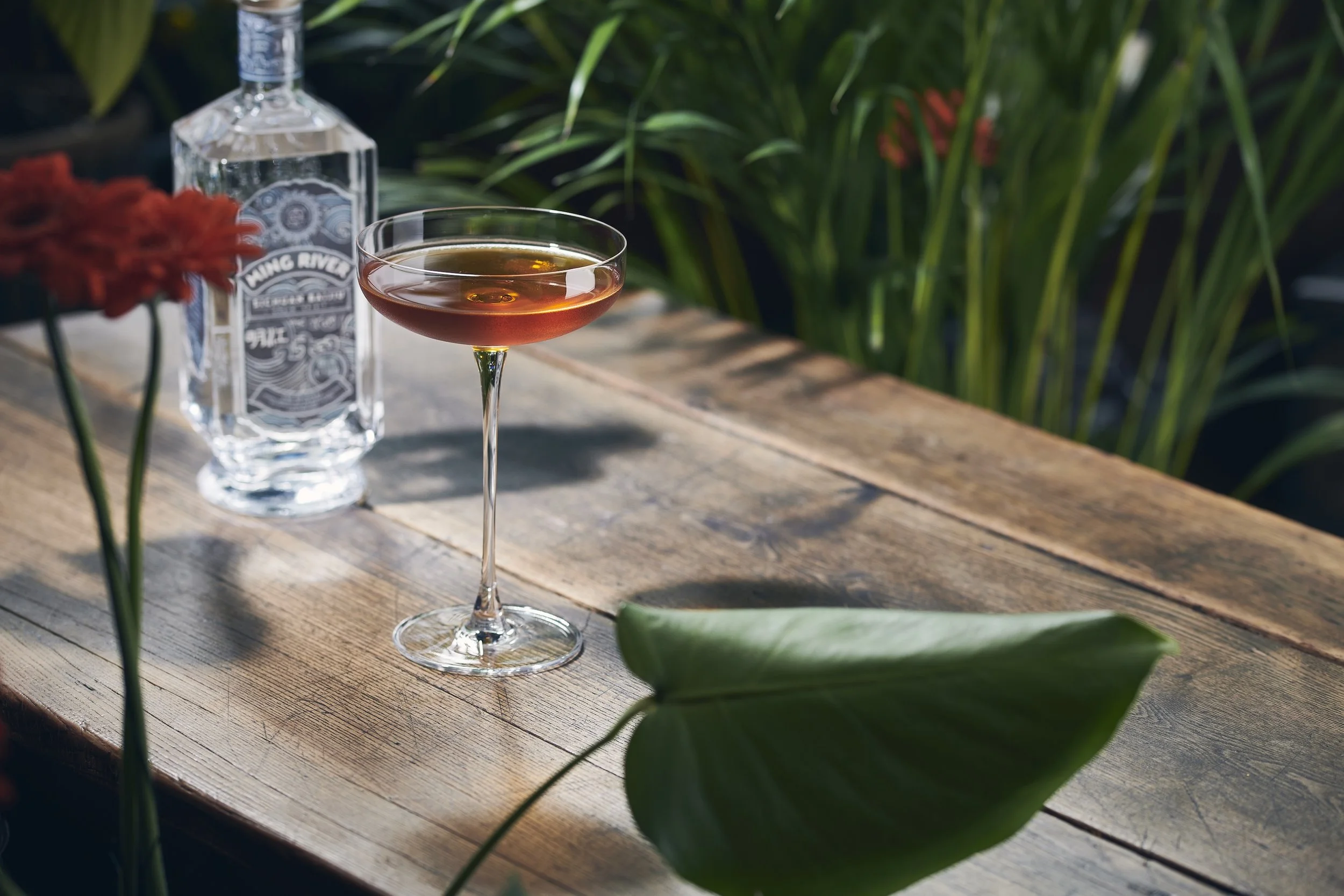
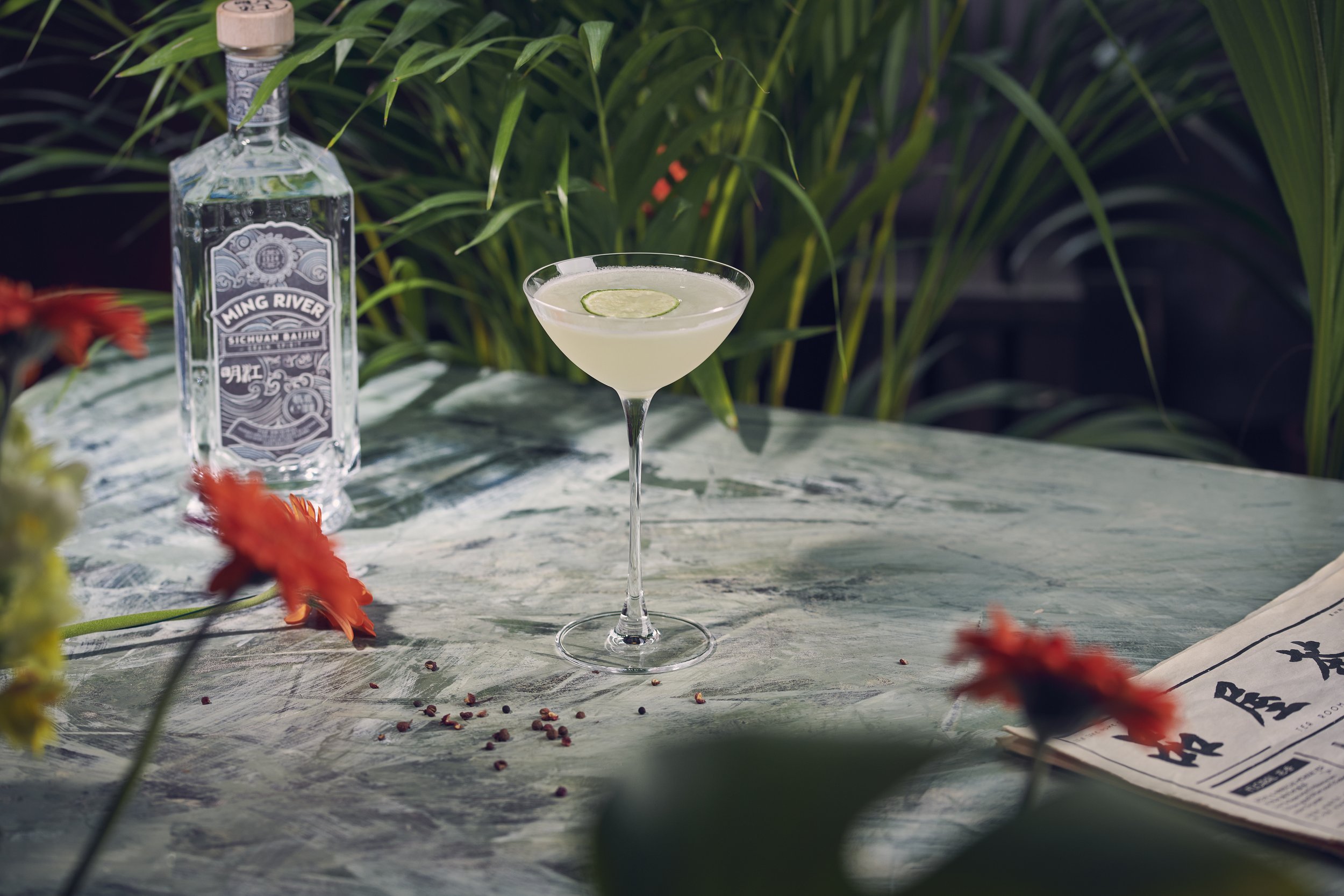
Yaowarat Ming River baijiu bottle
Invented by Andy Thammasathiti of Thai-inspired Sura in Washington, D.C., this drink is a tribute to his Thai-American heritage and Chinese ancestry. It’s named after the main strip of Bangkok’s Chinatown, and like the street, it can have a dizzying effect.
1 oz. Ming River Baijiu
1 oz. Mezcal Espadin
¾ oz. Pedro Ximenez Sherry
⅓ oz. Fernet Branca
All ingredients are added together, then stirred with ice and strained into a chilled glass.
Guaiwei Martini
Recipe courtesy of Kwei Fei, Charleston, South Carolina
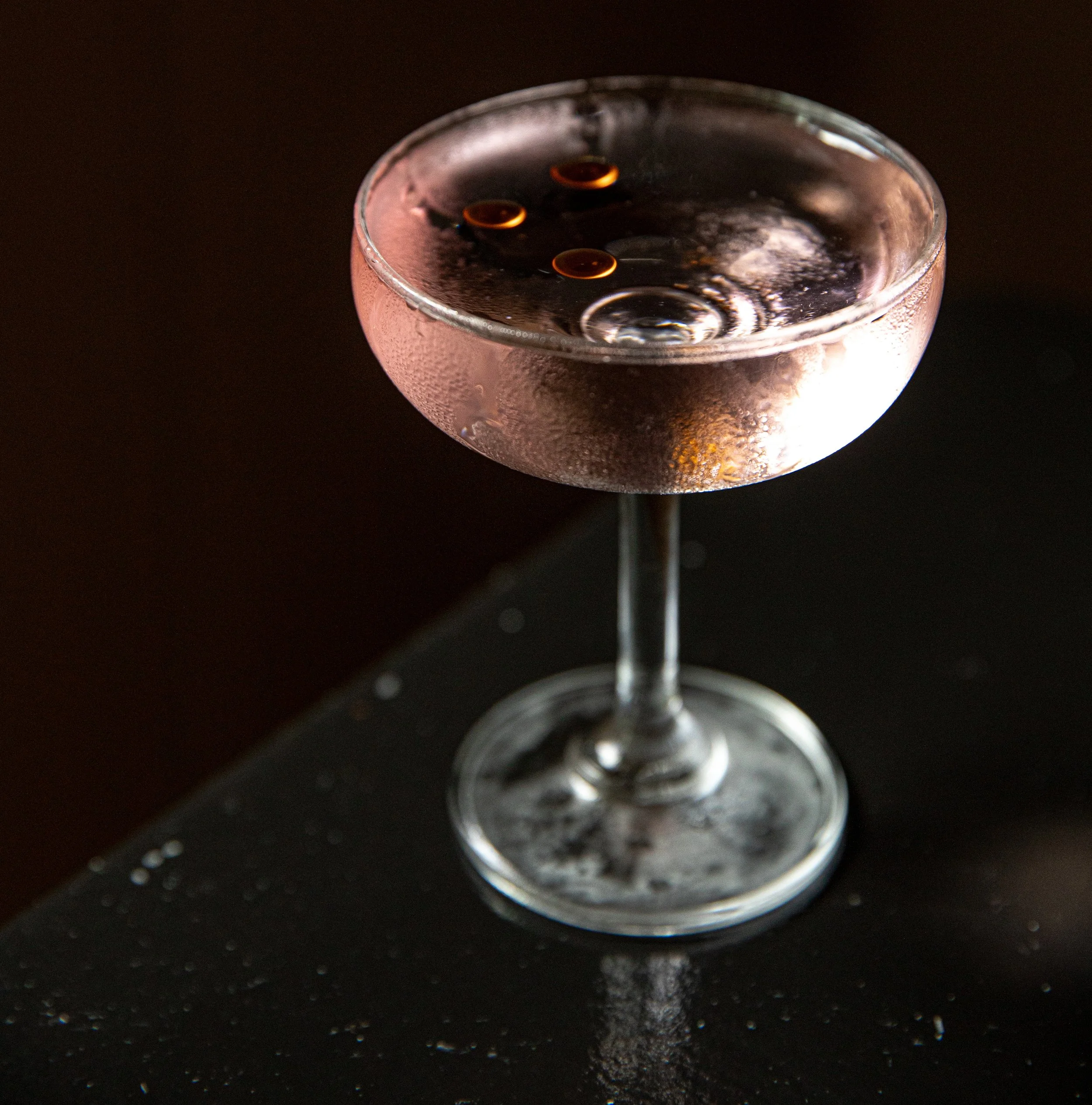
Guaiwei Martini photo credit Andrew Cebulka
"Guawei, which translates to 'strange flavor,' refers to the uniquely Sichuan harmony of salty, sweet, spicy, sour and umami notes,” says co-owner of Kwei Fei Tina Heath-Schuttenberg. “It's one of our most popular cocktails for its combination of traditional martini elements with bold flavors, like baijiu from legendary producer Ming River and our housemade Kwei Fei chili oil."
1 oz. gin
¼ oz. Ming River (strong-aroma baijiu)
¼ oz. blanc vermouth
2–3 dashes peach bitters
3 drops Sichuan chili oil
Add the gin, baijiu, vermouth, and bitters to a cocktail shaker filled halfway with ice. Shake until chilled, roughly 15 seconds, then strain into a chilled coupe glass. Garnish with the chili oil and serve.
Blind Pig
Recipe courtesy of Derrick Li, owner, BlindPig, San Francisco, California
Blind Pig cocktail
The Nob Hill bar’s namesake cocktail is an ode to all things Asia. Li took inspiration for this drink from a traditional Chinese meal of Mapo tofu, dim sum with yellow mustard sauce, mango bun and, of course, lots of baijiu.
1 oz. Ming River baijiu
1/2 oz. mango vodka
1/2 oz. mapo tofu sauce cordial
3/4 oz. basil syrup
1/4 oz. plum wine
3/4 oz. lemon juice
1/2 oz. mango juice
1 tbsp. yellow mustard cream
Add all ingredients to one shaker and shake for about eight seconds. Then, double-strain into a rock glass filled with regular ice and spray the rim with high-proof rum for garnish.
High Seas
Recipe courtesy of Ming River
Hai Seas Ming River
Baltimore-based bartender Ashley Mac created this knockout mix as a special baijiu cocktail for the 2022 Bar Convent Brooklyn trade show. Beware, this drink packs a serious flavor punch.
1 oz. Ming River (strong-aroma baijiu)
¾ oz. St James Rhum Agricole
½ oz. Velvet Falernum
¾ oz. lime juice
¾ oz. Sichuan peppercorn simple syrup
Combine all ingredients and shake over ice. Then, strain and garnish with a dehydrated lime wheel.
Chiobu
Recipe courtesy of Colin Stevens, beverage director, co-founder, Singlish, New York City
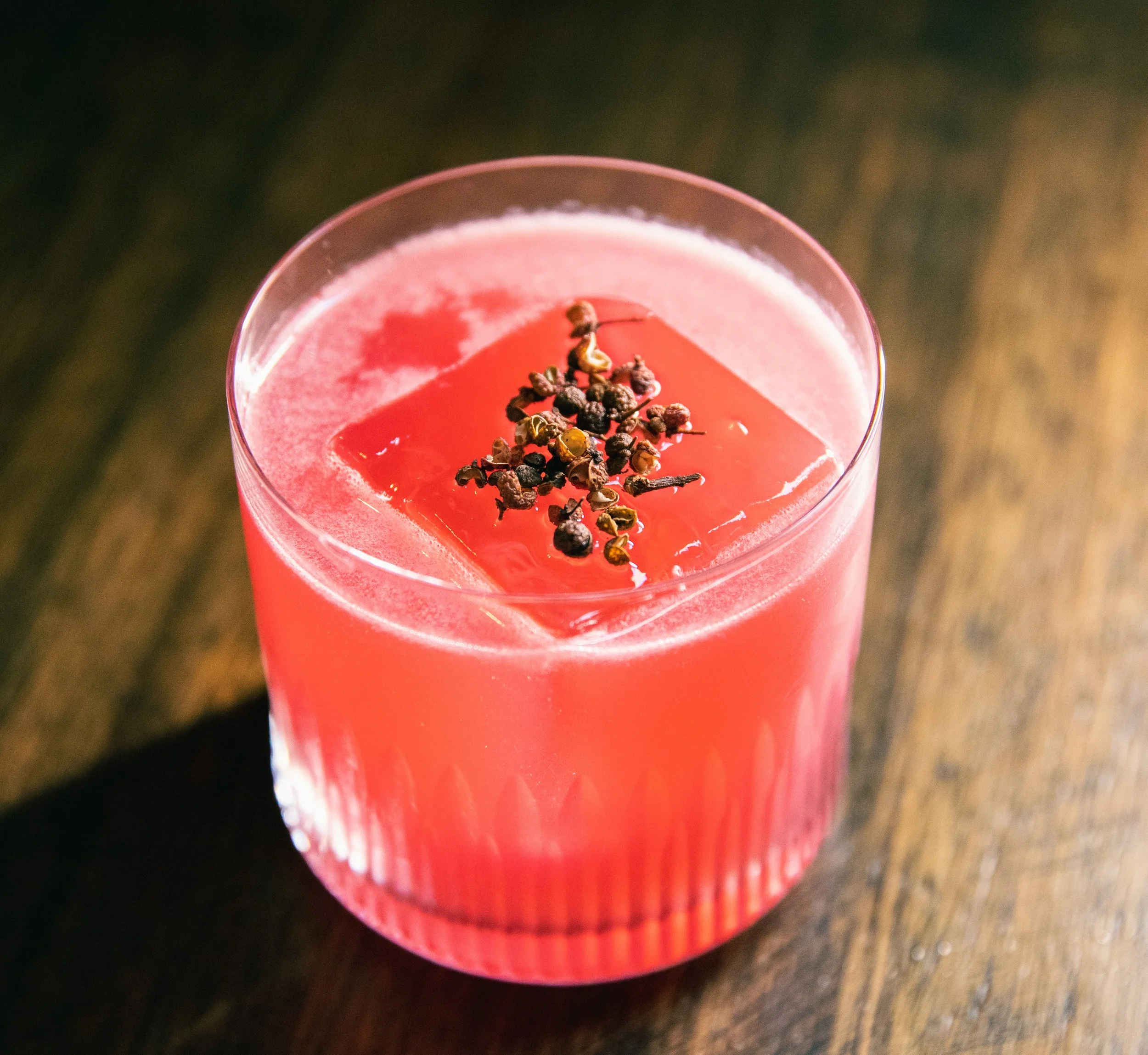
Chiobu
Inspired by the Lunar New Year, Stevens describes the thought process behind its creation, “It began with trying to craft a flavor base in the Nian syrup that reflected the shadowy threat of the Nian monster (a mythical creature), with numbing spice from the Sichuan pepper, the intense aroma of cardamom and the silkiness of jasmine tea. Oranges are an auspicious fruit during New Year celebrations, specifically blood oranges, to provide the brilliant red color associated with New Year decorations. I added a touch of falernum for body and sweetness.”
1 1/5 oz. Tanglin Orchid gin
.5 oz. Ming River baijiu
⅖ oz. John D Taylor's Velvet Falernum
⅖ oz. Nian syrup (jasmine tea, Sichuan peppercorns, cardamom)
⅗ oz. blood orange puree
¾ oz. lime juice
Add the gin, baijiu, falernum, nian syrup, blood orange and lime to a cocktail shaker filled halfway with ice. Shake until chilled, roughly 15 seconds, then strain over a large clear cube in a rocks glass. Garnish with a pinch of Sichuan peppercorn.
Hakka Hill Song
Recipe courtesy of Gavin Yeung, co-founder of Kinsman, Hong Kong
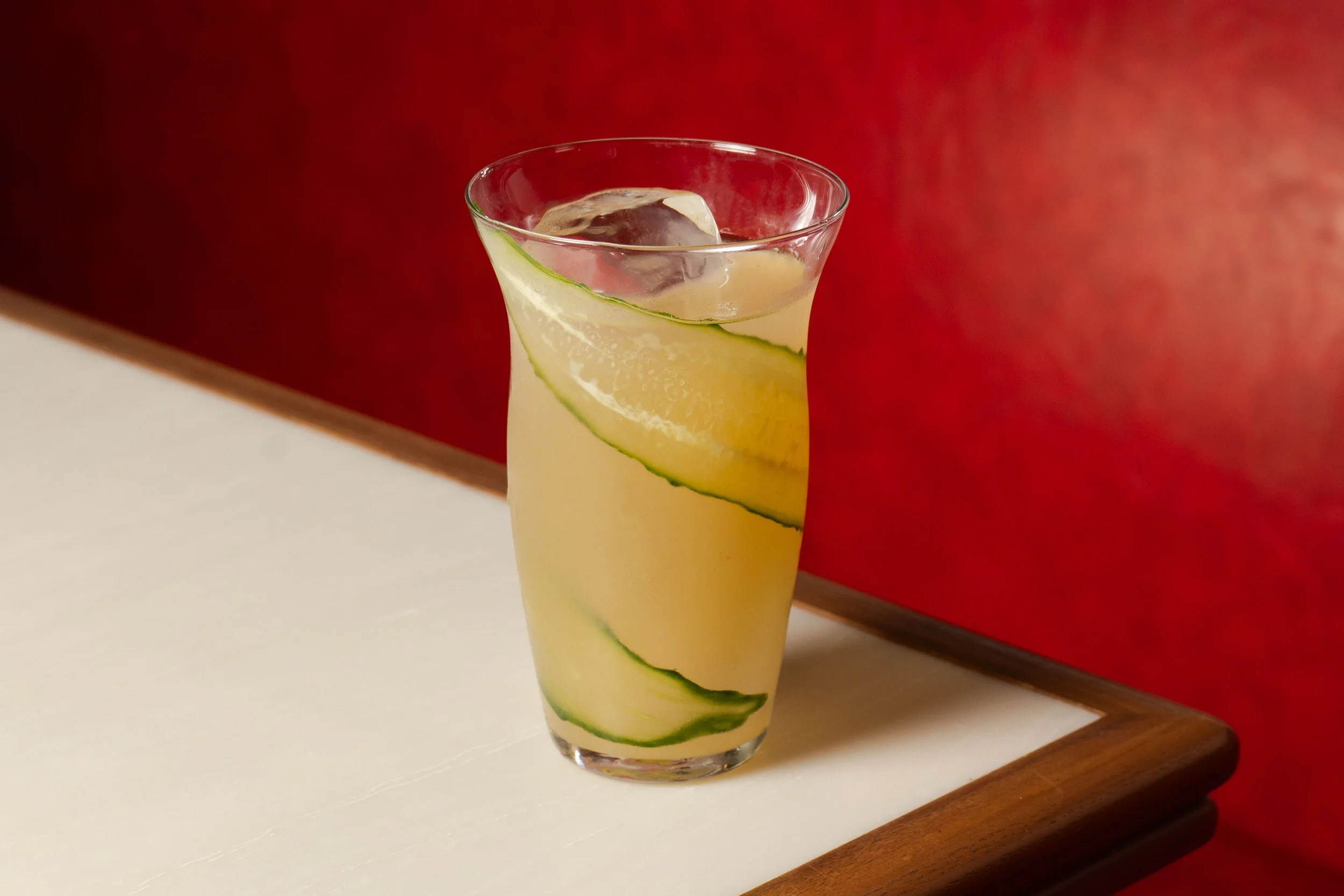
Hakka Hill Song
The Hakka are an ethnic group from China’s Henan and Shanxi provinces, known for their difficult and treacherous migration throughout the region to escape persecution. The bar’s menu says, “ To alleviate the pain of hard work, they would sing ‘hill songs’ to vocalize tales about love, family and the great migration. Like the sweet aroma of osmanthus blooms on a hillside above the clouds, this cocktail is a refreshing respite from the toil of daily life.”
1 ½ oz. Osmanthus baijiu batch
½ oz. acid-adjusted pomelo juice
2 oz. pear juice
1 oz. coconut water
Build the baijiu and juices in a highball glass. Insert an ice spear, stir to chill and garnish with a lengthwise cucumber slice twisted around the inside of the glass.
For the Osmanthus baijiu batch:
17 oz. Ming River baijiu
100 g. pomelo flesh
10 g. pomelo skin
60 g. snow pear
20 g. Osmanthus flowers
150 g. white sugar
Sous-vide all ingredients for one hour at 140°F. Submerge in an ice bath to stop the cooking process. Strain and bottle.