
7 New American Whiskeys to Try Now
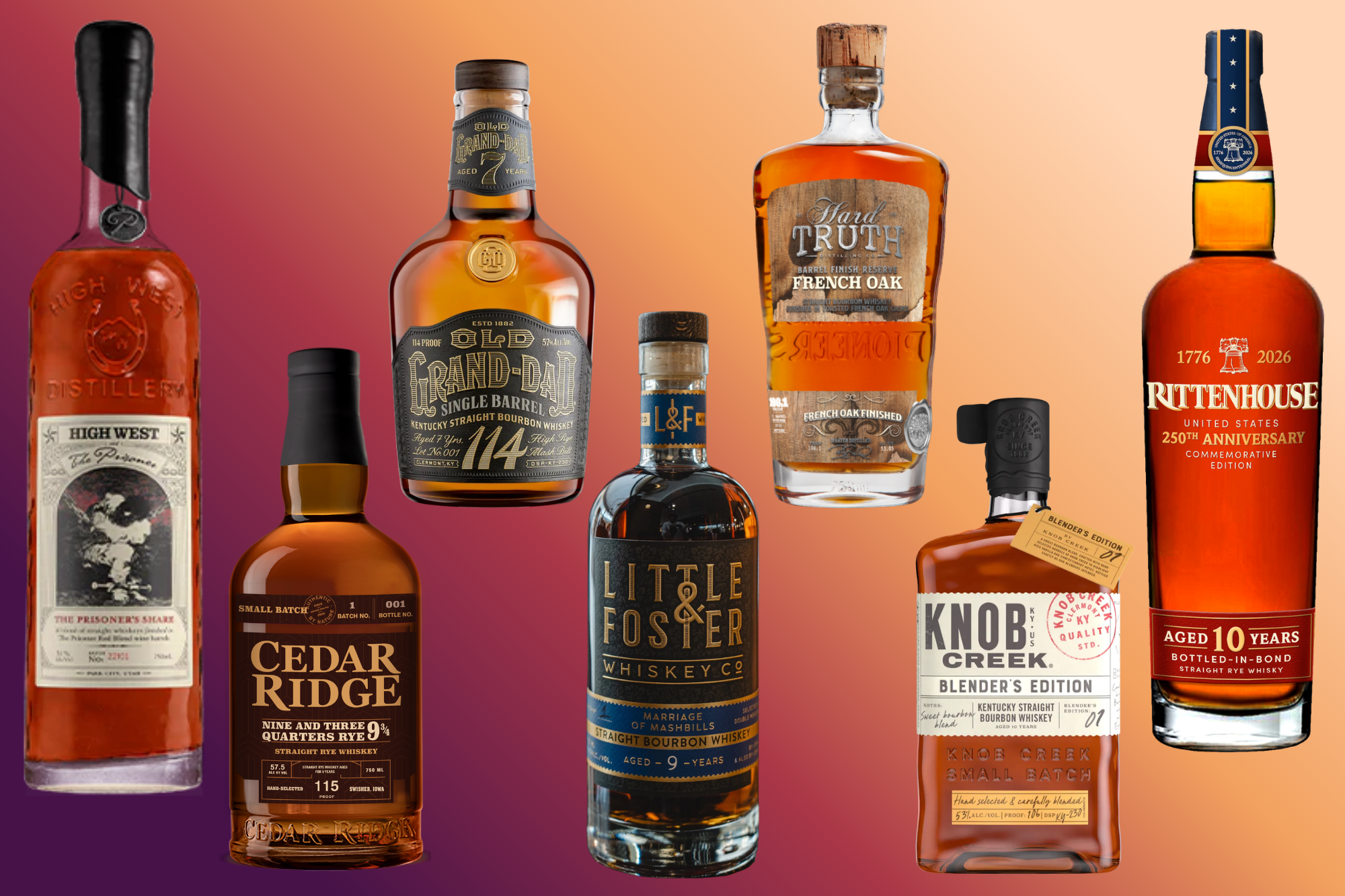
Not all of us are feeling particularly patriotic about America nowadays, but whatever your feelings about the state of the country, we can all agree that we make some damn good whiskey. And we drink a lot of it, too. The torrent of whiskey being distilled, bottled, and foisted on us by way of bars, liquor stores, e-commerce sites, and the vaunted three-tier system is such that choosing a mere few of them to spotlight feels like sticking a spoon in a raging river and pronouncing the spoonful of water to, in some way, represent the entire Mississippi.
So the whiskeys I’m mentioning here are not representative of anything, except that they’re all made in the U.S.A.; they’ve all been released fairly recently; I’ve tasted them; and they’re good enough for me to recommend that you taste them too. Hell, maybe even buy them. So let’s commence to dipping our spoons in the river, shall we?
Old Grand-Dad 114 7 Year Old Single Barrel Bourbon
114 Proof | $50
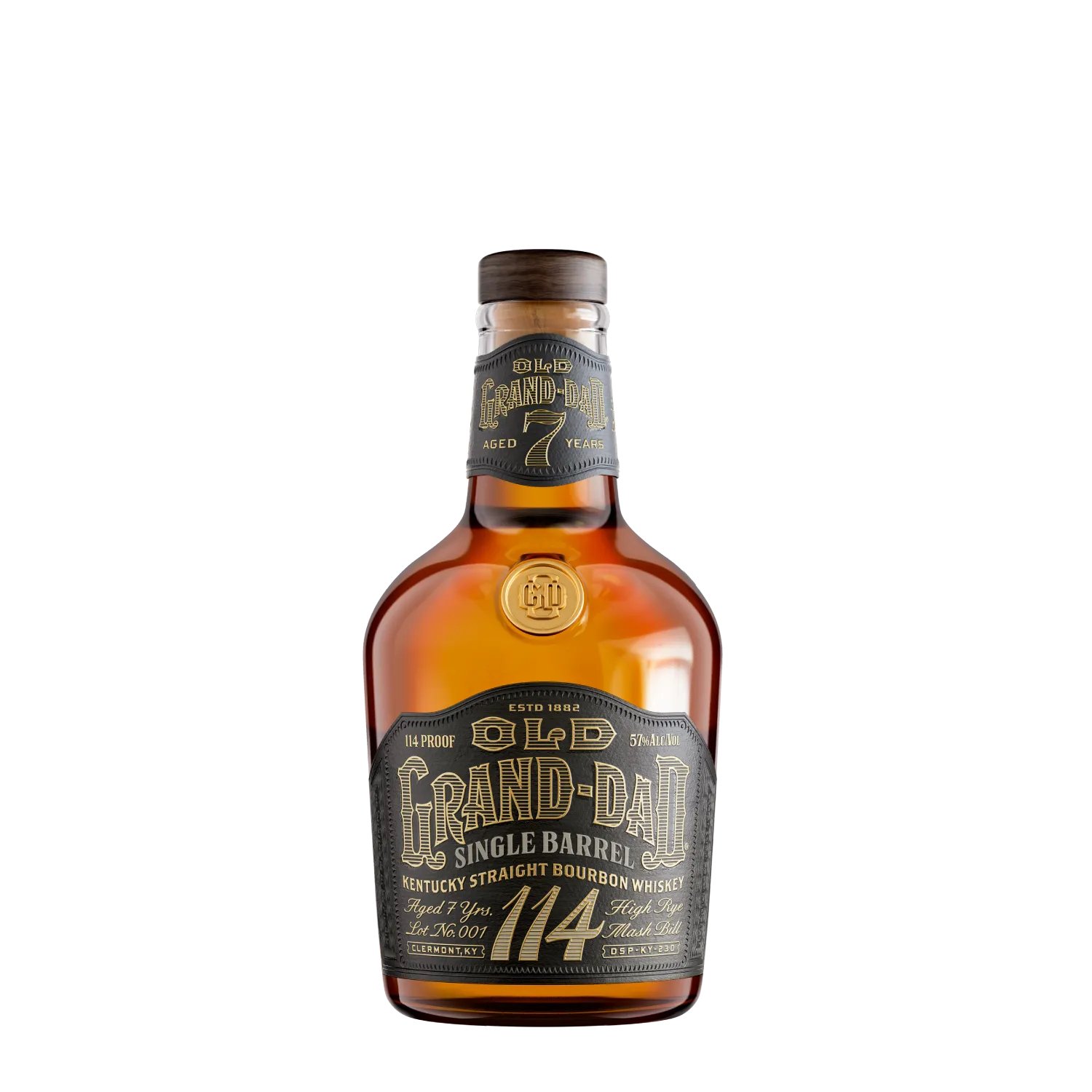
Old Grand-Dad 114 Single Barrel 7 Year
OGD is one of those brands that whiskey drinkers take for granted. It’s affordable, it’s not particularly sexy, it’s not one of those allocated limited editions that are impossible to find. So it’s one to drink, but not one to really give the time of day. Well, I am here to give the time of day and then some to this excellent new Old Grand-Dad. The 114-proof expression has been around at least since the ‘80s, when Jim Beam, which is now Suntory Global Spirits, acquired it from National Distillers. The difference is that the newbie has an age statement, which is thought to be a couple years older than standard OGD; and it’s a single barrel — which means, of course, that all the liquid in the bottle comes from a single barrel. It’s also about $15 to $20 more than your regular OGD 114.
So is it worth it? Well, it’s not vastly different — the high-rye mashbill (63% corn, 27% rye, 10% malted barley) still delivers a fair amount of spice to go with notes of luscious caramel, roasted nuts, and baking spices, while the high proof gives it a little zing on the back of the throat without burning. I’d say the extra aging gives it a bit more… gravitas, let’s say, with a little extra oak and maybe a touch more spice. As this is a single barrel, your bottle may be slightly different from mine. All in all, though, $50 is still an excellent price point for a bourbon of this pedigree. And it’s always fun to A-B different expressions of Old Grand-Dad.
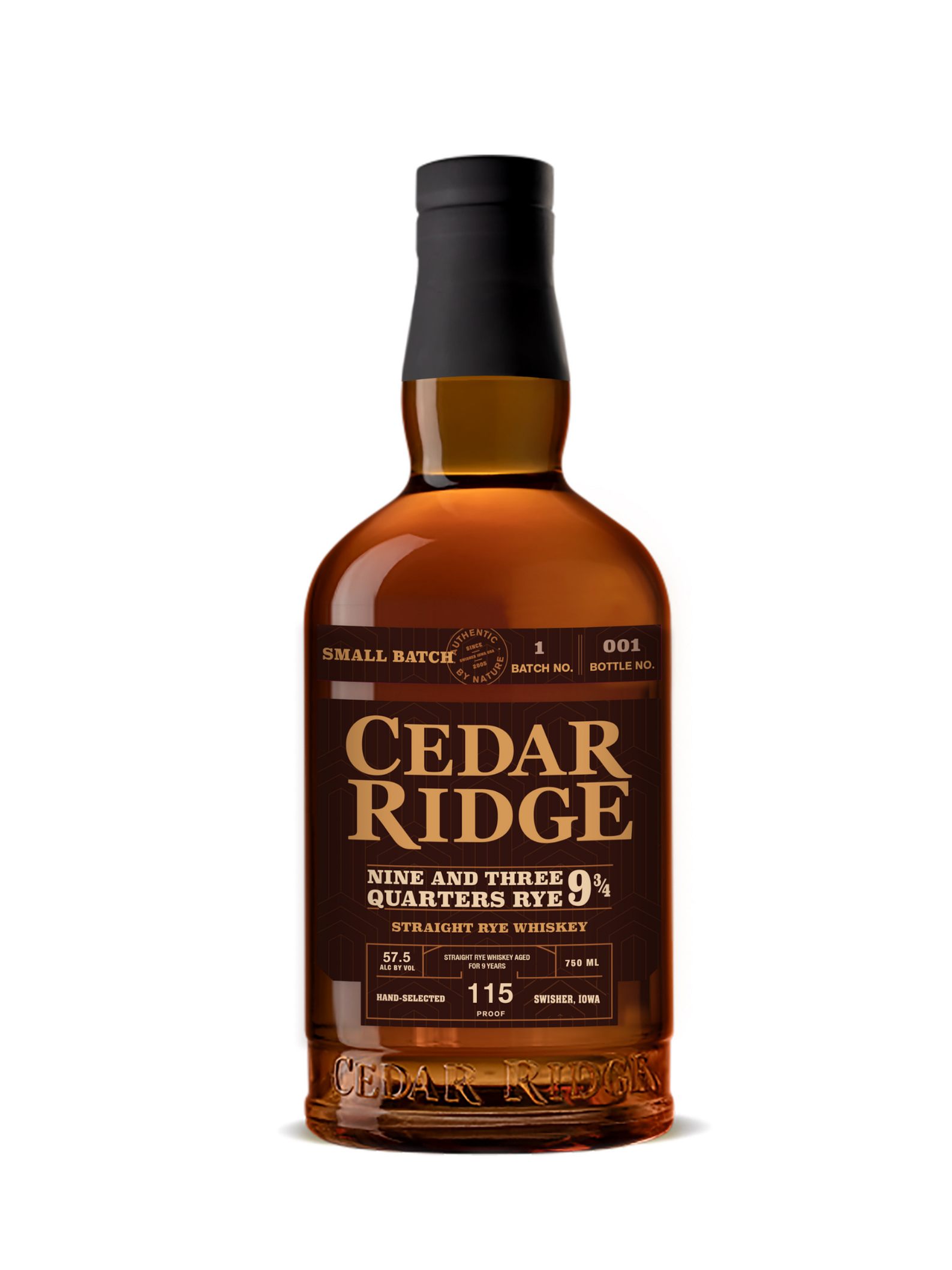
Cedar Ridge Nine & Three Quarters Rye
115.8 Proof | $60
About 15 years ago, Iowa-based Templeton Rye made waves for claiming to be the rye whiskey bottled by Al Capone’s bootlegging syndicate during Prohibition — referred to by Capone himself as “the good stuff.” It turned out that Templeton was standard-issue rye made at the MGP distillery in Indiana, and had nothing to do with Iowa or Al Capone. But there is a terrific distillery operating in the Hawkeye State. Cedar Ridge, founded by Jeff Quint, has been a going concern since 2005. Of course its locally grown corn distinguishes its bourbons, but it makes terrific wheat whiskey, single malt, and rye, too. This limited edition rye is the oldest Cedar Ridge whiskey yet released.
Contrary to the name, not all the whiskey is 9-3/4 years old, but it’s all been in the barrel between 9 and 10 years. Given the age, the high-rye mashbill (85% rye, 12% corn, 3% malted barley), and the high proof, I expected a spice bomb, but it’s surprisingly gentle, with lots of rich chocolate and caramel and a moderately tannic, lightly peppery finish. No fake stories about mobsters, just a really good whiskey.
Hard Truth Barrel Finish Reserve Bourbon Finished on French Oak
106.1 Proof | $100
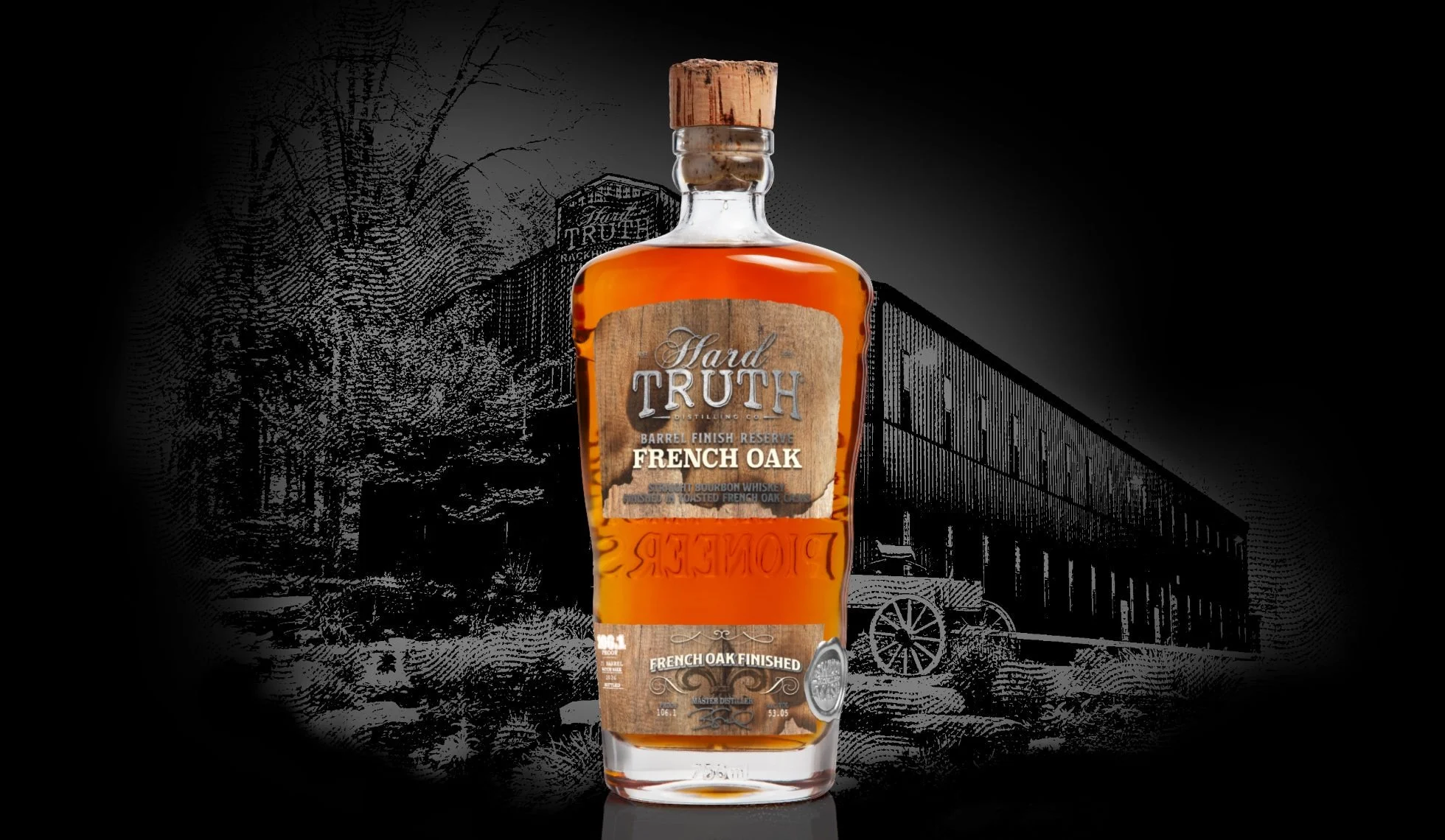
Hard Truth Barrel Finish Reserve Bourbon Finished on French Oak
This Indiana-based distillery stands out from the crowd because it employs the sweet mash method of distilling rather than sour mash, which the vast majority of distilleries use. The terms don’t refer to the flavor of the whiskey but the method of distilling. Thumbnail version: sour mash is a great way to ensure consistency from batch to batch, while sweet mash is more of a pain in the rear but gives the distiller greater control of the flavors carried over from fermentation. And for the pro-sweet mash distillers, that makes the extra effort worth it.
What makes this bottling stand out from the rest of the Hard Truth roster is that it’s finished (for an undisclosed amount of time; it’s also a no-age-statement bourbon) in new French oak barrels that have been toasted and charred. French oak is quite a different animal from American quercus alba, imparting more fruit, chocolate or coffee, and baking spice notes than the classic American vanilla and caramel combo. The result here is gorgeous, with jammy notes of apricot and pear that evolve into hints of clove and a warm but not overwhelming spice. It doesn’t taste like a traditional bourbon, but if you love bourbon, I suspect you’ll love this.
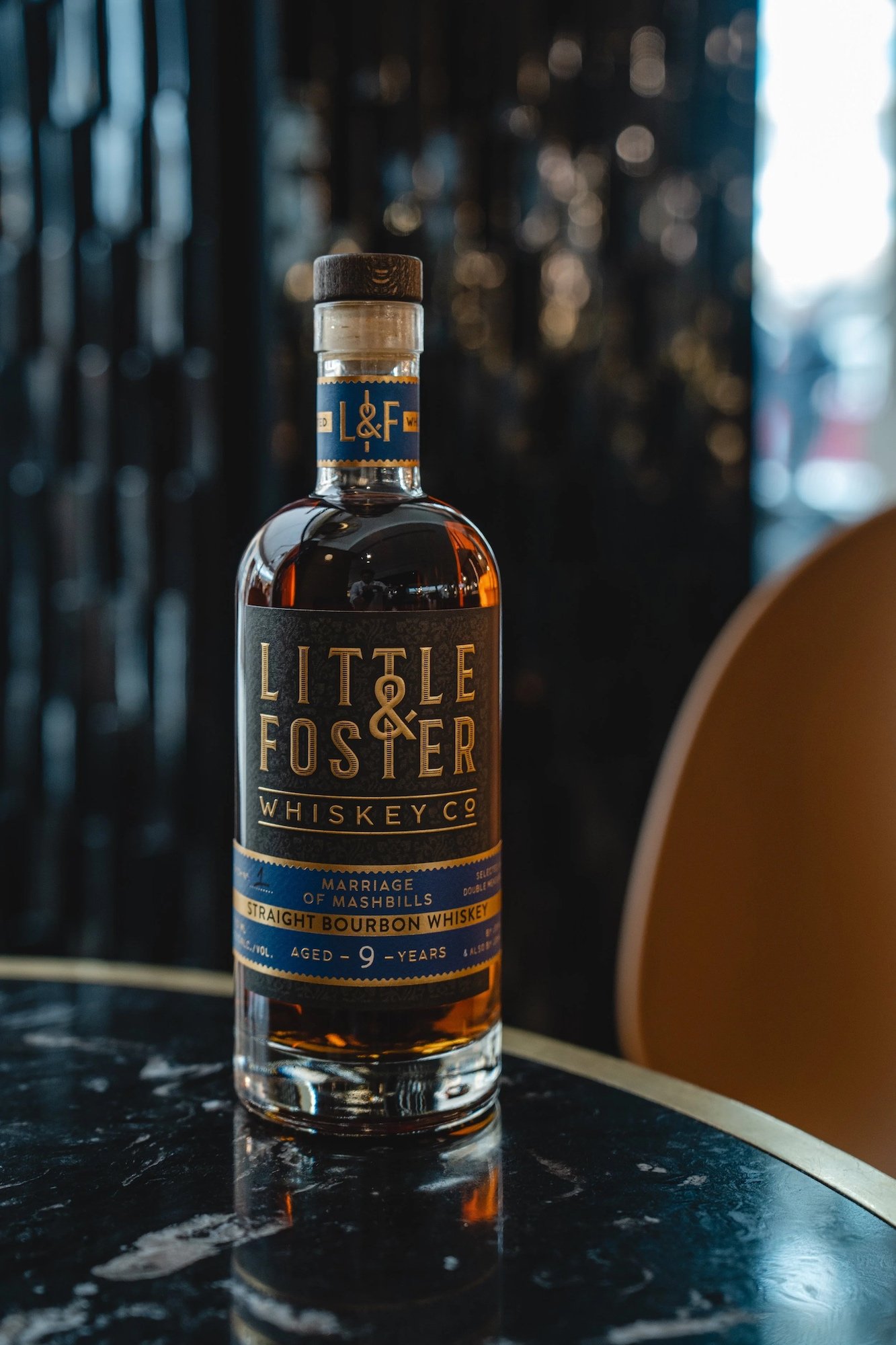
Little & Foster Marriage Of Mashbills Bourbon
107 Proof | $80
John Little and John Foster founded Smooth Ambler back in 2009. The West Virginia-based brand was one of the best in the business at sourcing and blending whiskeys, mainly from spirits behemoth MGP in Indiana, and the duo’s Old Scout bottles still linger in memory. Now they’re back as Little & Foster and proving they haven’t lost a step. Little & Foster’s debut, Marriage Of Mashbills, is a blend of a low-rye and a high-rye bourbon sourced from MGP (exact percentages unknown) that have been aged at least 9 years. And true to form, it’s an excellent sipper, with notes of toffee, vanilla, and a hint of clove easing into a lingering, dry finish. I can’t wait to find out what else they’ve got in the works.
Knob Creek Blender’s Edition 01 Bourbon
106 Proof | $45
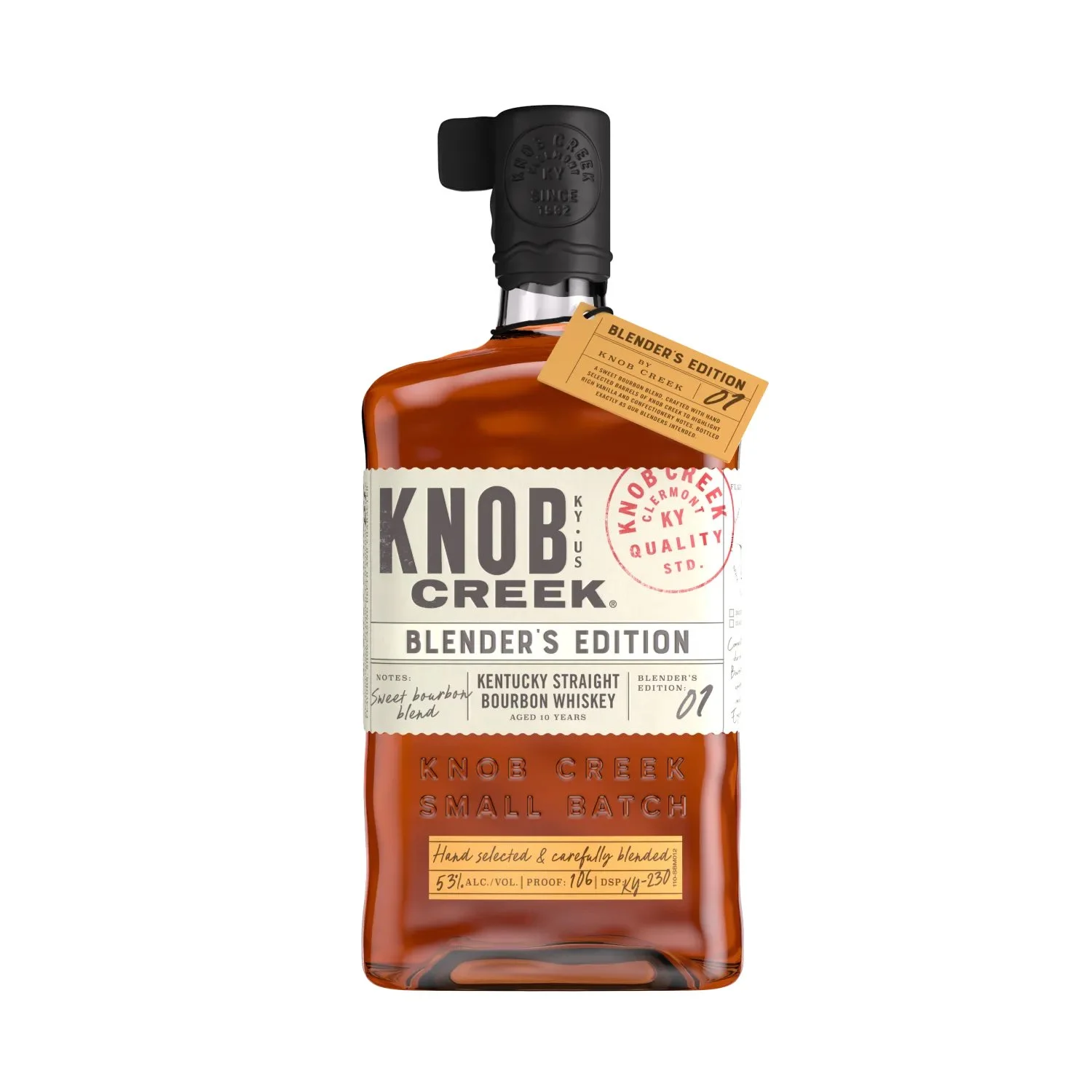
Knob Creek Blender’s Edition 01 Bourbon
I’ve been drinking Knob Creek for so long that I remember when there was only one — the flagship 9-year, 100-proof expression that changed my perception of what bourbon could be and, in part at least, led me to my current vocation as a drinks writer. Now, of course, there’s Knob Creek Rye, Knob Creek Single Barrel Reserve, Knob Creek 12-, 15-, 18-, and 21-year-old bourbons, Knob Creek bottled cocktails… the list is damn near endless. The latest addition to the fold, Blender’s Edition, is the brainchild of master distiller Freddie Noe — the grandson of Booker Noe, Knob Creek’s creator. Man, I feel old!
Freddie has both a passion and a talent for blending (look no further than his Little Book series for proof), and Blender’s Edition is a series meant to emphasize different aspects of the brand’s flavor profile. Its first bottling focuses on the sweet notes. Indeed, the brown sugar, vanilla, and toffee notes — along with just a hint of bubble gum — are pushed to the fore here. But they’re offset by slightly longer aging (10 years instead of 9) and a slightly higher proof (106 compared to 100) that keeps the sweetness from getting cloying. Perfect for sipping or mixing, I hope this series sticks around. It’s a slightly nerdy premise, but a delicious and affordable whiskey.
High West The Prisoner’s Share (2026 Edition)
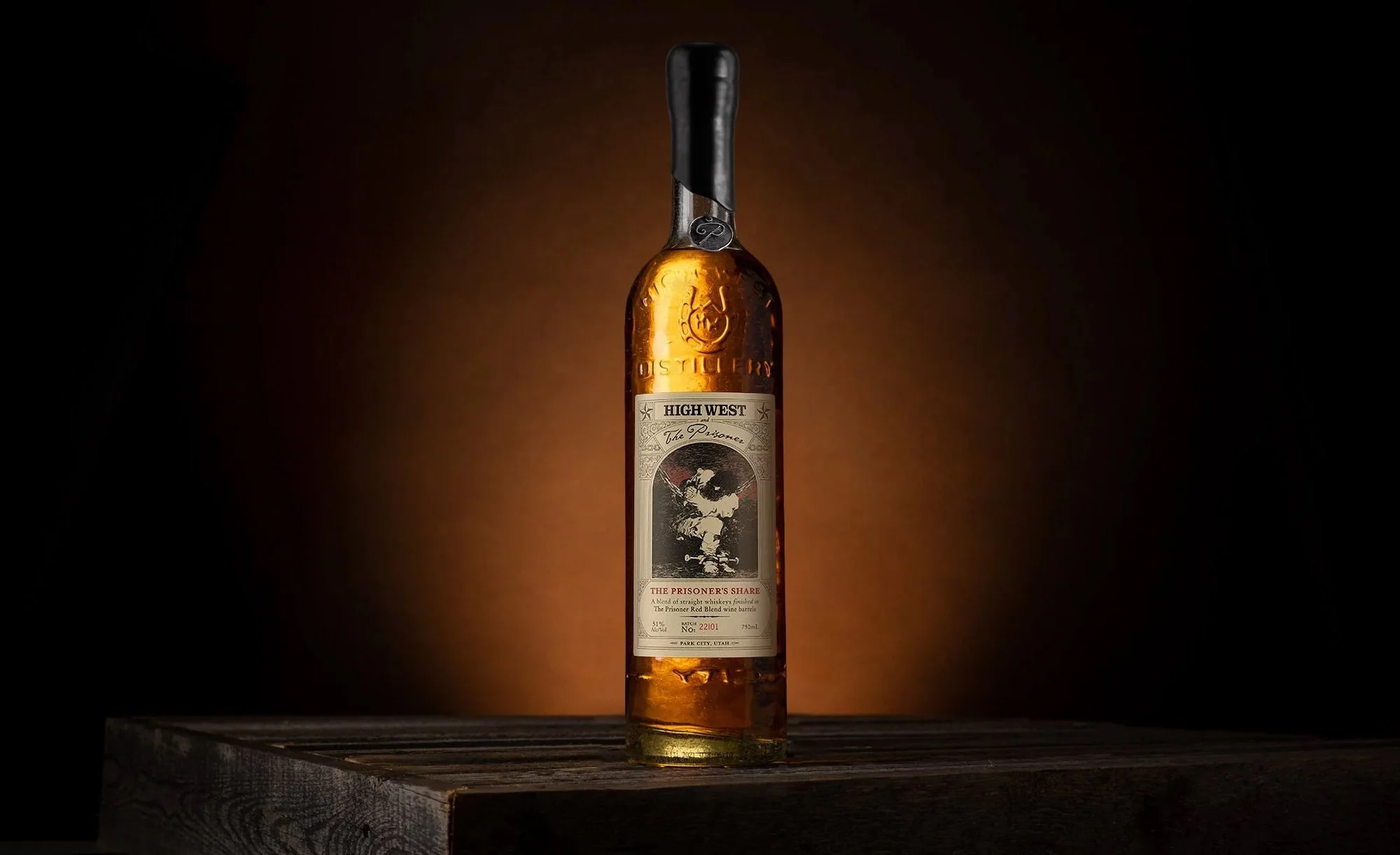
High West The Prisoner’s Share
102 Proof | $175
Founded in 2006, Utah-based High West was a groundbreaking brand, one of the first to source whiskeys with total transparency about their provenance, and they also distilled their own stuff. Their Bourye blend, one of the first bourbon-rye hybrids to my knowledge, remains one of my favorite whiskeys to this day. Prisoner’s Share, the ongoing series of red wine barrel-finished whiskey, also uses a bourbon-rye blend, aged 4 to 12 years and sourced from MGP in Indiana and Bardstown Bourbon Co. in Kentucky, in addition to High West’s own distillate. It’s all finished in barrels that previously held The Prisoner Red Blend California wine. In my opinion, red wine barrel finishes can easily go awry, overwhelming the whiskey’s natural flavors. But in this case, the balance is perfect, with hints of dark fruit complementing and harmonizing with the bourbon’s vanilla-caramel sweetness and the rye’s spice. If you like High West’s long-running Midwinter Night’s Dram series (finished in port casks), this may be just as good.
Rittenhouse 10 Year Old Bottled-In-Bond Rye
100 Proof | $100
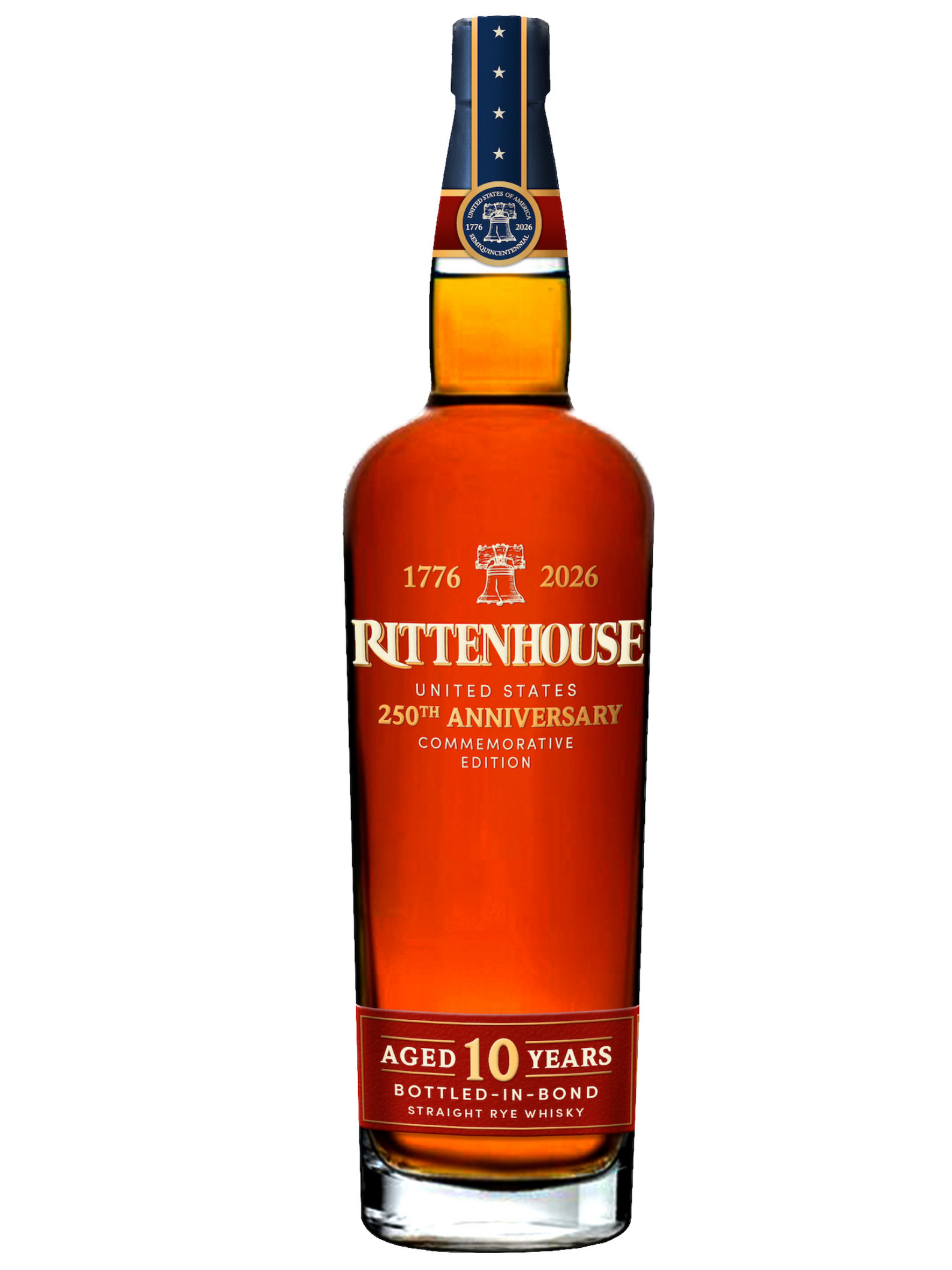
Rittenhouse 10 Year Old Bottled-In-Bond Rye
Rittenhouse’s flagship 4-year-old bottled-in-bond rye has flown largely under the radar for the last decade and change, as the rye whiskey category got sexy again and higher-profile (and more expensive) ryes hogged the spotlight. But bartenders and in-the-know rye fans continue to gravitate to it — it’s a damn good rye that, at $35 or so, is more expensive than it was a few years ago, but it’s still one of the best bargains in American whiskey.
This 10-year-old expression has been released to commemorate America’s 250th anniversary. I don’t really get the connection, but whatever. Employing the classic Rittenhouse low-rye mashbill (51% rye, 35% corn, 14% malted barley), the only difference is the extra six years in the barrel, and it really does make a difference. It’s richer, it has more depth of flavor, it’s…to coin a phrase, smoother. Is it worth more than twice as much as standard-issue Rittenhouse? If you’re feeling flush, I say go for it.